
 By admin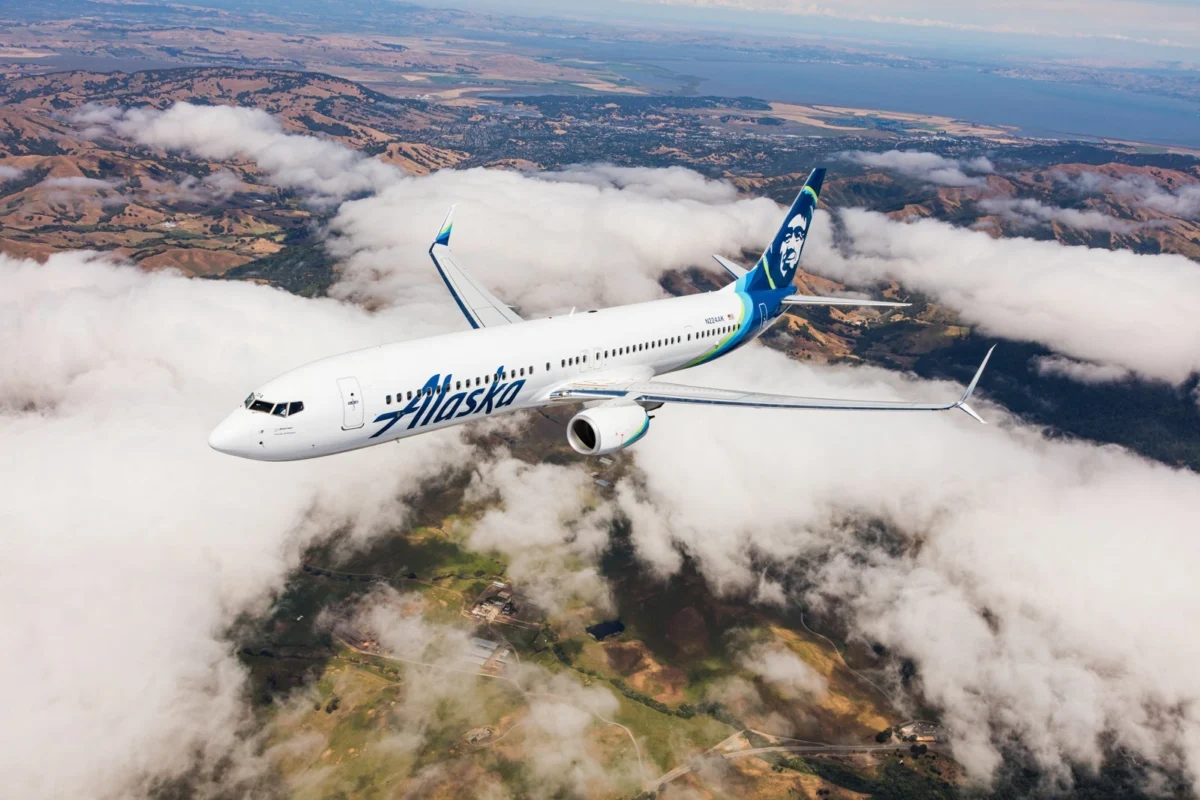
The landscape of airline loyalty underwent a seismic shift with the full integration of Alaska Airlines and Hawaiian Airlines under the unified Atmos Rewards umbrella, a transition that has fundamentally redefined how West Coast and Pacific travelers approach their credit card strategies. As of September 13, 2026, the synergy between these two iconic carriers has matured into a powerhouse ecosystem, offering travelers a streamlined way to earn and redeem miles across a vast network spanning from the Arctic Circle to the South Pacific. For frequent flyers and casual vacationers alike, selecting the right credit card to pair with Alaska Airlines is no longer just about earning miles; it is about navigating a sophisticated hierarchy of benefits that includes lounge access, companion certificates, and the high-stakes world of transferable point currencies.
Currently, Bank of America, the exclusive issuer for the Atmos Rewards suite, is offering elevated welcome bonuses across its three primary offerings: the Atmos Ascent, the Atmos Summit, and the Atmos Business card. However, while these cobranded cards provide the most direct path to airline-specific perks, they face stiff competition from premium transferable rewards cards issued by American Express, Chase, and Capital One. Deciding which card deserves a spot in your wallet requires a deep dive into the specific math of travel protections, earning multipliers, and the intrinsic value of the Atmos Rewards program within the broader Oneworld alliance.
The Atmos Rewards cobranded cards are designed for the "loyalist"—the traveler who prioritizes the airport experience and specific Alaska Airlines benefits. The Atmos Ascent, which serves as the successor to the legacy Alaska Airlines Visa Signature, remains a popular mid-tier choice. It offers a balance of a manageable annual fee with high-value perks such as a free checked bag for the cardholder and up to six companions on the same reservation. In an era where checked bag fees have continued to climb, this benefit alone can offset the annual fee in a single round-trip journey for a family. Furthermore, the Ascent card provides preferred boarding and a 20% discount on in-flight purchases, including Wi-Fi and the airline’s acclaimed "West Coast Fresh" meal options.
For the high-frequency traveler, the Atmos Summit card has emerged as a premium contender. Positioned to compete with other top-tier airline cards, the Summit provides an accelerated path to elite status through "Status Boost" milestones based on annual spend. It also offers more robust lounge access options, granting cardholders discounted or complimentary entry into Alaska Lounges, which remain some of the most highly-rated domestic lounges in the United States. The Summit card’s primary draw, however, is the enhanced Atmos Companion Fare. This legendary benefit allows a cardholder to bring a companion on any Alaska or Hawaiian flight starting at $99 (plus taxes and fees) once a year. In the 2026 market, where transpacific and transcontinental fares have seen significant volatility, the ability to secure a second seat for a flat rate is arguably the most valuable single perk in the airline credit card industry.
The business sector is served by the Atmos Business card, which mirrors many of the Ascent’s perks but adds layers of utility for small business owners. With expanded categories for shipping, advertising, and office utilities, it allows entrepreneurs to pool Atmos miles rapidly. The integration of Hawaiian Airlines into this ecosystem means that business owners in Honolulu or Seattle can now use their corporate spend to fund employee travel across the combined network with unprecedented ease.
Despite the strength of the Bank of America lineup, a growing segment of savvy travelers is opting for transferable rewards cards. These cards do not earn Atmos miles directly; instead, they earn "flexible" points that can be transferred to various airline and hotel partners or used to book travel through dedicated portals. The American Express Platinum Card remains a titan in this category. While it does not offer a free checked bag on Alaska Airlines by virtue of ownership, its $200 annual airline incidental credit can be applied to Alaska baggage fees, seat selections, and even lounge passes if Alaska is selected as the user’s designated airline. More importantly, the Amex Platinum earns 5x points on flights booked directly with airlines or through American Express Travel, a rate that the cobranded Atmos cards cannot match. For the traveler who values the flexibility to fly Delta, United, or British Airways when the price is right, the "pay-with-points" or "transfer-to-partners" model offers a safety net that brand-specific cards lack.
The Chase Sapphire Reserve provides another compelling alternative, particularly for those who value travel insurance and simplicity. The card’s $300 annual travel credit is famously broad, automatically applying to any Alaska Airlines ticket purchase until the credit is exhausted. Furthermore, the Sapphire Reserve earns 3x points on all travel, and these points can be redeemed at a value of 1.5 cents each through the Chase Travel portal. For many, the peace of mind provided by Chase’s primary rental car insurance and industry-leading trip delay/cancellation coverage outweighs the specific perks of preferred boarding offered by the Atmos cards.
Capital One’s Venture X Rewards card has also carved out a significant niche in the 2026 travel market. With a $300 annual credit for bookings made through Capital One Travel and a 10,000-mile anniversary bonus, the card effectively pays for itself. While it lacks a direct transfer partnership with Atmos Rewards, Capital One miles can be transferred to several Oneworld partners, such as British Airways Executive Club or Qatar Airways Privilege Club. Because Alaska Airlines is a member of the Oneworld alliance, travelers can often book Alaska-operated flights using miles from these partner programs, sometimes at a lower "award price" than Atmos Rewards itself would charge for the same seat.
A critical factor in this decision-making process is the traveler’s existing elite status. If you already hold MVP, MVP Gold, or higher status within the Atmos Rewards program—or if you hold Sapphire or Emerald status with a Oneworld partner like American Airlines—the value proposition of a cobranded credit card shifts dramatically. Elite status typically grants free checked bags, priority check-in, and preferred boarding regardless of which credit card is used to pay for the fare. In this scenario, the Atmos Ascent or Summit cards become less about the day-of-travel perks and more about the "Companion Fare" and the ability to earn miles on everyday spend. For an elite flyer, using a Chase Sapphire Reserve or Amex Platinum to book the flight often makes more sense, as it allows them to layer their existing airline benefits on top of the superior point-earning rates and travel protections of the premium flexible cards.
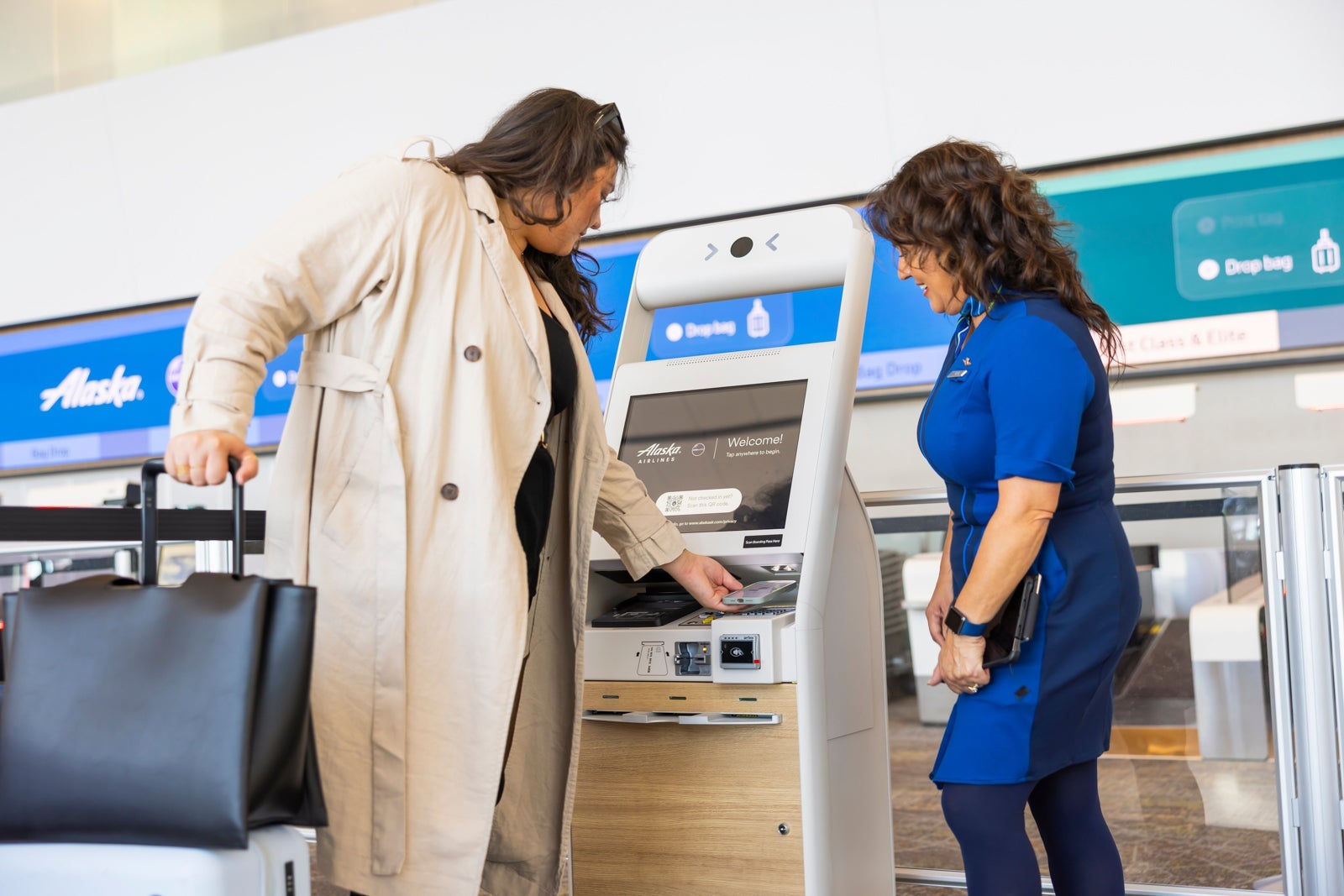
The merger between Alaska and Hawaiian has also brought the Hawaiian Airlines World Elite and Business cards into the spotlight. In a unique move by Bank of America, the benefits of these cards have been made "cross-functional." For instance, holders of the personal Hawaiian Airlines card now receive two free checked bags on Alaska-operated flights. This creates a strategic opening for travelers who may find the Hawaiian Airlines card’s specific welcome offer or spending categories more attractive than the standard Atmos Ascent, while still enjoying the core benefits when flying out of Alaska’s hubs in Seattle, Portland, or San Francisco.
Looking at the broader economic context of 2026, the value of a mile has become more localized. Atmos Rewards has leaned heavily into its "West Coast" identity, partnering with local brands and focusing on high-frequency corridors. This makes the Atmos-branded cards particularly valuable for those living in "Alaska territory." However, for the "digital nomad" or the East Coast-based traveler who only flies Alaska occasionally to reach the West Coast or Hawaii, the transferable points cards offer a much better "return on spend." The ability to move points to a dozen different airlines ensures that the traveler is never locked into a single carrier’s availability or devaluations.
In conclusion, the "best" card for Alaska Airlines flights depends entirely on a traveler’s frequency and priorities. If you fly Alaska more than three times a year and do not have elite status, the Atmos Ascent or the premium Atmos Summit are nearly essential for the baggage savings and the Companion Fare. If you are a business owner, the Atmos Business card provides a seamless way to integrate company expenses with travel rewards. However, if you are a high-spend individual who prioritizes luxury, flexibility, and comprehensive insurance, the "Big Three" of transferable rewards—Amex Platinum, Chase Sapphire Reserve, and Capital One Venture X—continue to offer a superior earning structure. As the Atmos Rewards program continues to evolve, the most successful travelers will likely be those who "dual-wield": keeping a cobranded Atmos card for the annual Companion Fare and status-building, while using a premium transferable rewards card for the bulk of their airfare purchases and daily spending. This hybrid strategy ensures that no matter where the winds of the aviation industry blow, the traveler remains in the best possible position to see the world.
