
 By admin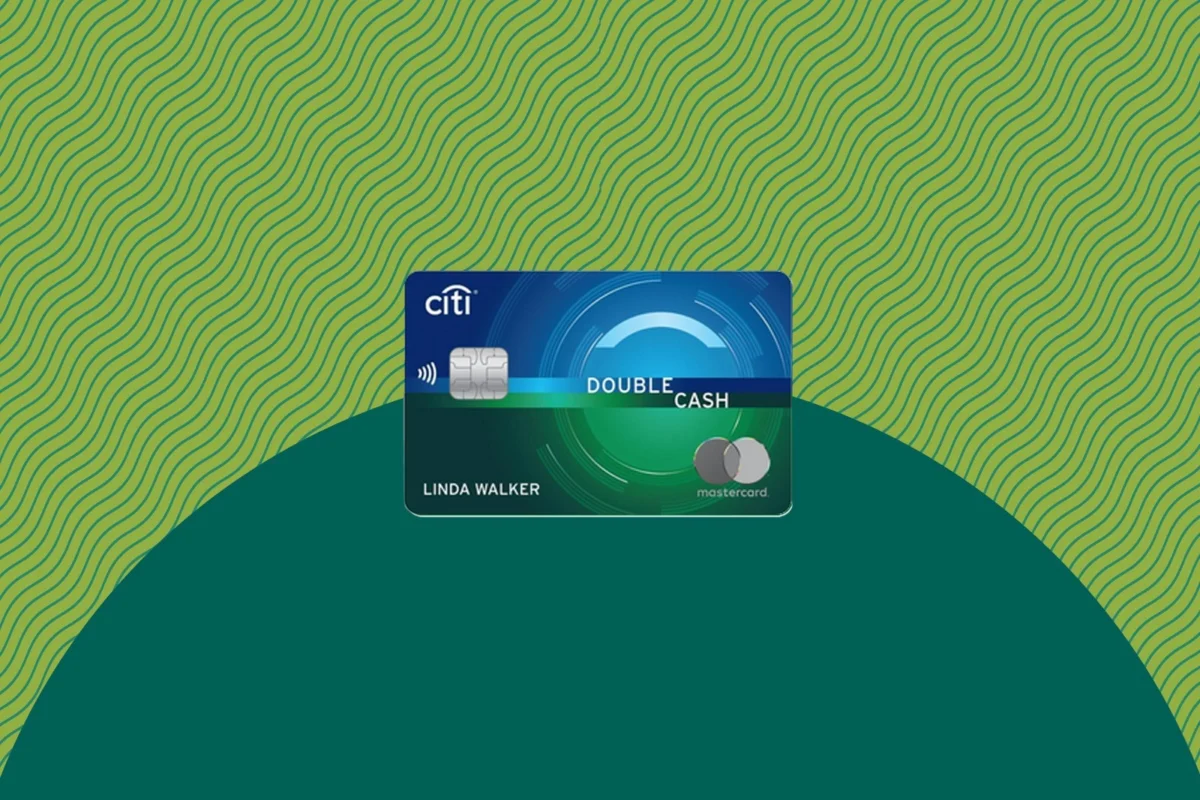
Whether you are financing a lavish wedding, replacing a failing HVAC system, purchasing a high-end workstation, or managing a sudden medical emergency, a large purchase represents more than just a significant outflow of capital; it is a strategic opportunity to extract massive value from the credit card industry. In the modern financial ecosystem, the difference between using a standard debit card and a optimized rewards credit card for a $5,000 or $10,000 expense can be worth hundreds, if not thousands, of dollars in travel credits, cash back, or consumer protections. The right card choice can facilitate a lucrative welcome bonus, provide a 0% introductory APR window to avoid high-interest debt, or offer "invisible" insurance that covers your purchase against theft or accidental damage.

Before committing to a high-ticket transaction, consumers must move beyond the "swipe and forget" mentality. Navigating the world of credit card rewards requires a nuanced understanding of current valuations, issuer-specific benefits, and the long-term impact on one’s credit profile. By asking the right questions and aligning your choice with your specific financial goals, you can turn a necessary expense into a subsidized vacation or a risk-free investment.
The Strategic Framework: How to Evaluate Your Purchase
Not every large purchase is created equal, and the "best" card varies depending on the nature of the expense and the buyer’s liquidity. To determine the optimal path, one should evaluate the purchase through four primary lenses.
1. The Welcome Bonus Opportunity
The most efficient way to earn a massive amount of points or miles is through a sign-up bonus, also known as a welcome offer. Most premium rewards cards require a minimum spending threshold—often ranging from $3,000 to $15,000—within the first three to six months of account opening. A single large purchase, such as a down payment on a reception venue or a new set of appliances, can meet this requirement instantly. For example, a card offering 75,000 miles after a $4,000 spend effectively provides a "return on spend" of nearly 20% when those miles are redeemed for high-value travel. This far outstrips the standard 1% or 2% earning rate of an existing card.
2. The Financing Equation
In an era of fluctuating interest rates, the ability to carry a balance without accruing interest is a powerful tool. If you do not have the cash on hand to pay off the statement in full immediately, a card with a 0% introductory APR is the only logical choice. While travel rewards are enticing, the average credit card interest rate often exceeds 20%. If you carry a $5,000 balance for six months at 20% interest, you will pay hundreds of dollars in finance charges, completely negating the value of any points earned. Conversely, a 15-month 0% APR window allows you to break a large purchase into manageable monthly installments with zero added cost.
3. The Protection Factor
For tangible goods like electronics, jewelry, or appliances, the "soft" benefits of a credit card can be more valuable than the points. Purchase protection can cover an item against accidental damage or theft for 90 to 120 days from the date of purchase. Furthermore, extended warranty benefits can add an additional year to a manufacturer’s warranty. If you are buying a $3,000 MacBook, having it covered by the issuer’s insurance policy provides a level of security that cash or debit simply cannot match.
4. Reward Rate Optimization
If you are already satisfied with your current portfolio of cards and aren’t looking for a new welcome bonus, you must look at the earning categories. Some large purchases fall into "bonus categories" like travel or business services. However, many—such as medical bills or home repairs—fall into the "everything else" category. In these instances, a flat-rate card that earns 2% cash back or 2 miles per dollar is the superior choice over a card that earns 3% on dining but only 1% on general purchases.
Top Picks for Large Purchases: A Detailed Analysis
The following cards have been selected based on their ability to address specific needs, from high-earning business expenses to consumer-friendly financing.
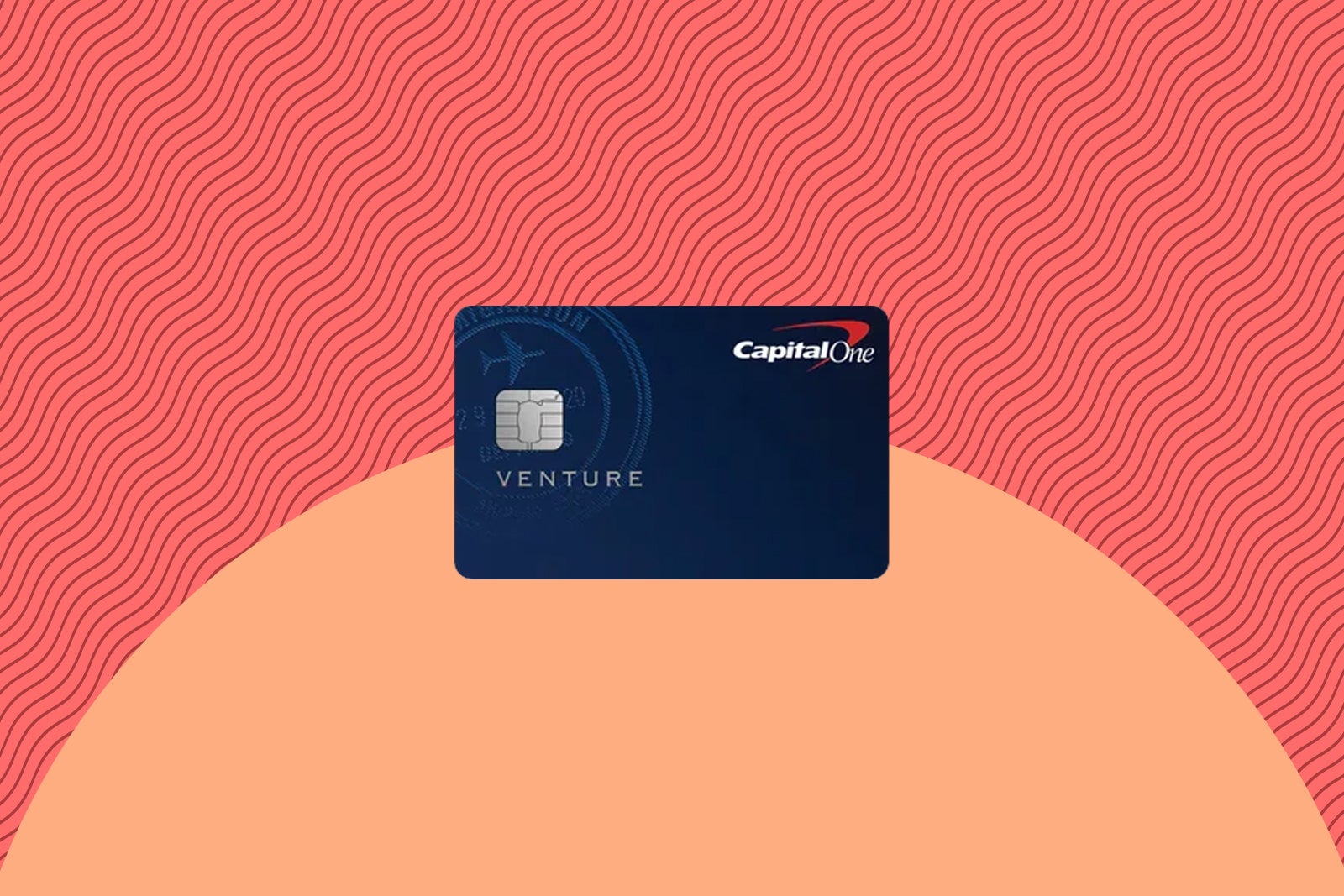
Capital One Venture Rewards Credit Card: The Best Overall Versatility
The Capital One Venture Rewards Credit Card remains a staple for large purchases due to its simplicity and high baseline earning rate. With an annual fee of $95, it strikes a balance between affordability and premium rewards.
- The Reward Mechanic: You earn a minimum of 2 miles per dollar spent on every purchase, regardless of the category. This is ideal for "unclassified" large expenses like home renovations or wedding photographers.
- The Welcome Offer: New cardholders can earn 75,000 bonus miles after spending $4,000 on purchases within the first three months. According to industry valuations, this bonus can be worth over $1,300 when utilized through Capital One’s 15-plus transfer partners, such as British Airways or Air Canada Aeroplan.
- Long-Term Value: The ability to "wipe away" travel purchases from your statement using miles at a rate of 1 cent per mile makes it one of the most user-friendly redemption systems on the market.
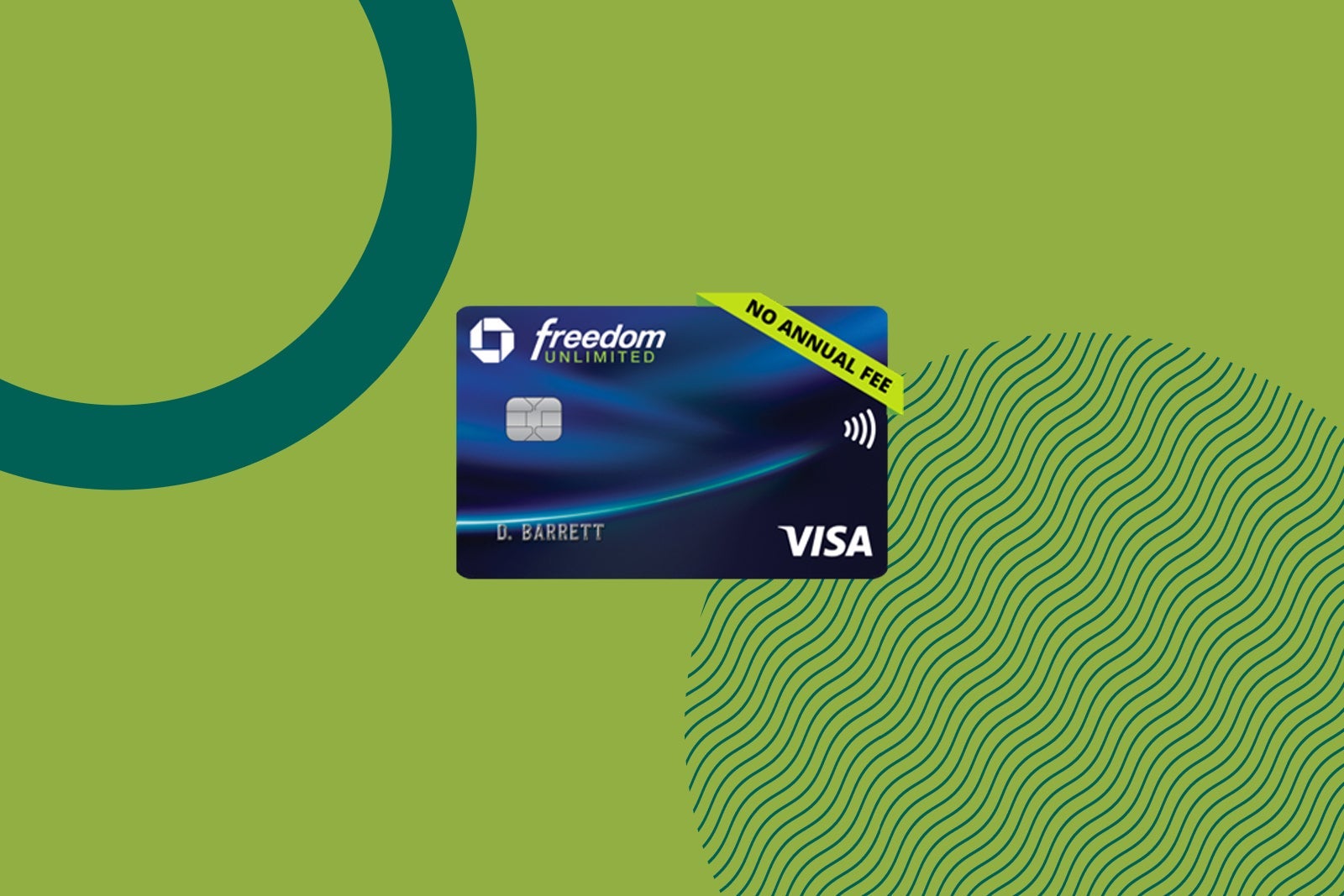
Chase Freedom Unlimited: The Premier Financing Tool
For those who need time to pay off their purchase, the Chase Freedom Unlimited is a powerhouse. It carries no annual fee and offers one of the most competitive introductory periods in the industry.
- 0% Introductory APR: The card offers a 0% intro APR on purchases for the first 15 months (followed by a variable APR of 18.24%–27.74%). This allows consumers to finance a large purchase for over a year without interest.
- Earning Structure: Despite being a "no-fee" card, it earns at least 1.5% back on all purchases.
- The "Trifecta" Advantage: If you also hold a premium card like the Chase Sapphire Preferred, you can move the "cash back" earned on the Freedom Unlimited into the Sapphire account, converting it into Chase Ultimate Rewards points which can be transferred to Hyatt, United, or Southwest for significantly higher value.
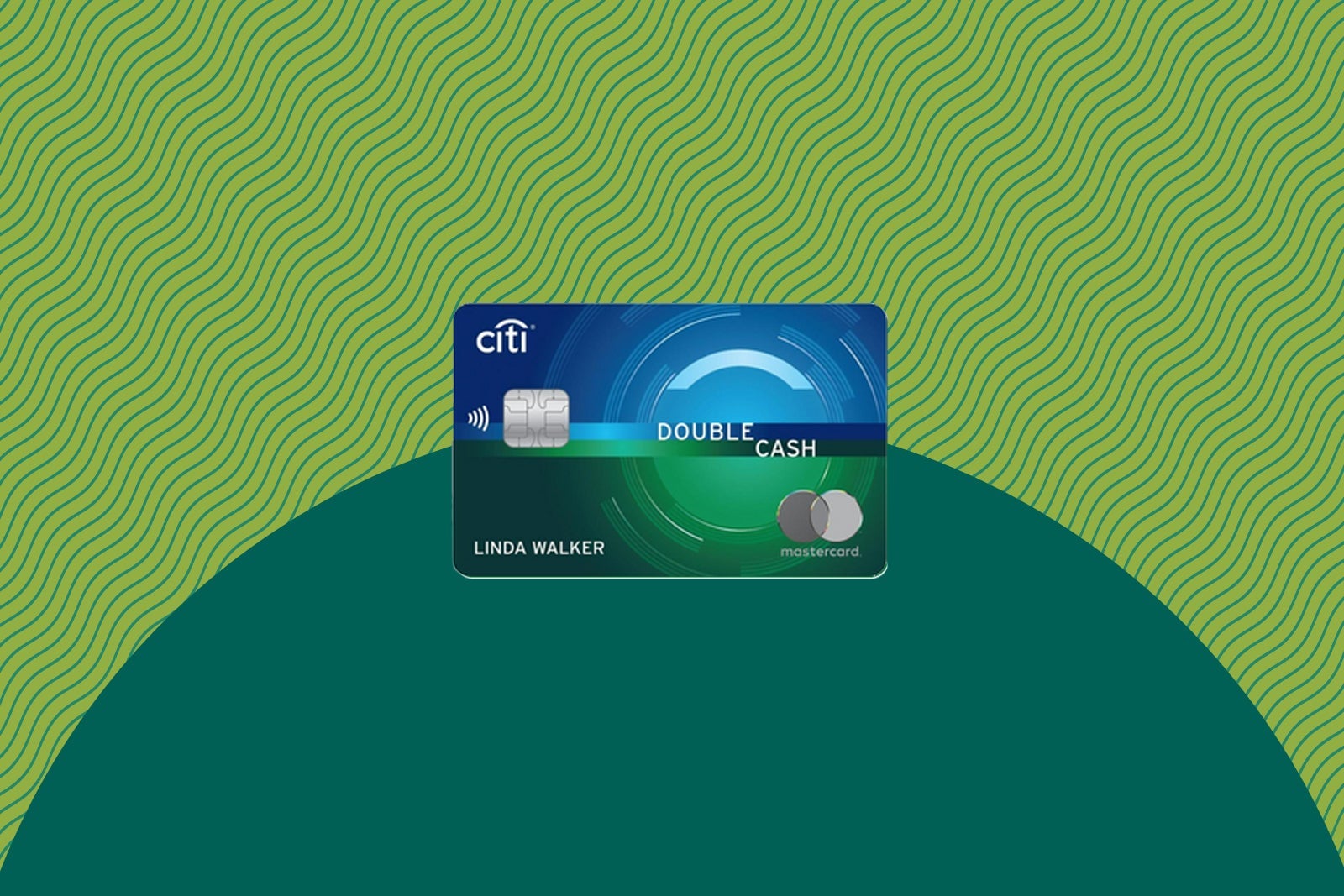
Citi Double Cash Card: The Cash-Back Gold Standard
For the consumer who values liquidity over travel miles, the Citi Double Cash Card offers an unmatched 2% effective return.

- Dual-Phase Earning: You earn 1% back when you buy and another 1% back when you pay your bill. This encourages responsible credit behavior while ensuring a high return on large outlays.
- Simplicity: There are no caps on earnings and no categories to track. For a $10,000 roof replacement, this card puts an effortless $200 back in your pocket.
- Conversion Potential: Cash back can be converted into Citi ThankYou Points, providing a bridge to travel rewards if your financial goals change in the future.
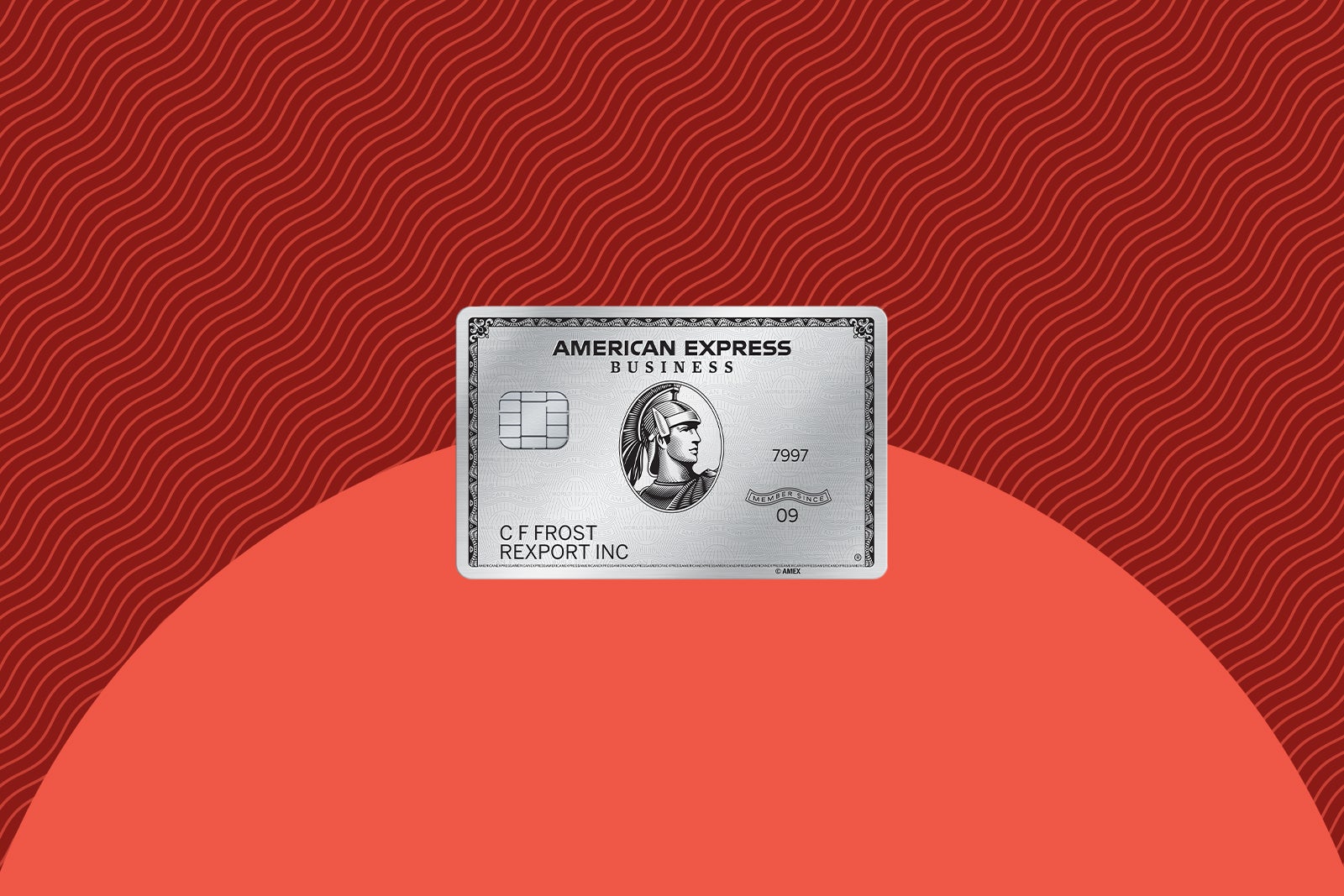
The Business Platinum Card from American Express: For the High-Stakes Professional
Business owners often face expenses that dwarf consumer spending. The Amex Business Platinum is engineered specifically for these five-figure transactions.
- Large Purchase Bonus: The card offers 1.5 points per dollar (or 2 points per dollar in select categories) on eligible purchases of $5,000 or more, on up to $2 million of these purchases per calendar year. This 50% bonus on large transactions is a unique feature that rewards the scale of business operations.
- Massive Welcome Potential: Current offers can reach as high as 300,000 Membership Rewards points after a $20,000 spend in the first three months. For a business with high inventory costs or tax payments, this is an attainable and incredibly lucrative target.
- Elite Protections: As a premium Amex card, it offers top-tier purchase protection and extended warranty benefits, essential for high-end equipment.
Ink Business Premier: The Heavy Hitter for Business Cash Back
If your business prefers cash over points, the Ink Business Premier is arguably the strongest card in existence for large transactions.

- 2.5% Large Purchase Reward: The card earns an industry-leading 2.5% cash back on every purchase of $5,000 or more. For all other purchases, it earns a flat 2%.
- Uncapped Potential: Unlike many other cards, there is no limit to how much you can earn at these elevated rates. A $100,000 equipment purchase would net $2,500 in cash back—a substantial rebate for any business.
Advanced Tactics: Maximizing Every Dollar
Beyond simply choosing the right card, savvy users employ several "stacking" techniques to further increase their return on investment.
1. Threshold Bonuses and Elite Status
Some cards offer "milestone" rewards. For example, spending $15,000 on a Hilton Honors American Express Surpass Card can earn you a Free Night Reward. Similarly, many airline cards award "Loyalty Points" or "Elite Qualifying Miles" based on spend. If your large purchase is enough to push you into the next tier of airline status, the benefits—such as free checked bags, upgrades, and lounge access—can be worth thousands over the course of a year.

2. Merchant-Specific Offers
Before swiping, always check the "Amex Offers" or "Chase Offers" section of your mobile app. These are targeted discounts that provide statement credits for specific retailers. It is common to find offers like "$100 back on a $500 purchase at Dell" or "10% back at Best Buy." By activating these offers before a large purchase, you can stack a direct discount on top of your standard points earning.
3. Shopping Portals
If your large purchase is being made online (e.g., a high-end camera or designer furniture), always start at a shopping portal like Rakuten or an airline-branded mall. These portals allow you to earn extra points or cash back simply by clicking through their link to the retailer’s site. During holiday seasons or promotional events, it is not uncommon to see 10% to 15% back at major retailers, which can be combined with the rewards earned on the credit card itself.

Final Considerations: Credit Impact and Responsibility
While the rewards are significant, large purchases on credit cards require caution. A high balance—even if you intend to pay it off—can temporarily spike your credit utilization ratio, which may cause a short-term drop in your credit score. If you are planning to apply for a mortgage or auto loan in the next 60 days, you should be mindful of how a large balance appearing on your statement might affect your debt-to-income profile.
Furthermore, the "golden rule" of credit card rewards remains: never spend more than you can afford just to earn points. The math only works in your favor if you avoid interest and late fees. By matching your large purchase to a card that offers either a massive welcome bonus, a 0% APR window, or a high flat-rate return, you transform a significant expense into a powerful financial lever. Whether you are building a business or building a home, the right card ensures that your money works just as hard for you as you did to earn it.
