
 By Rifan Muazin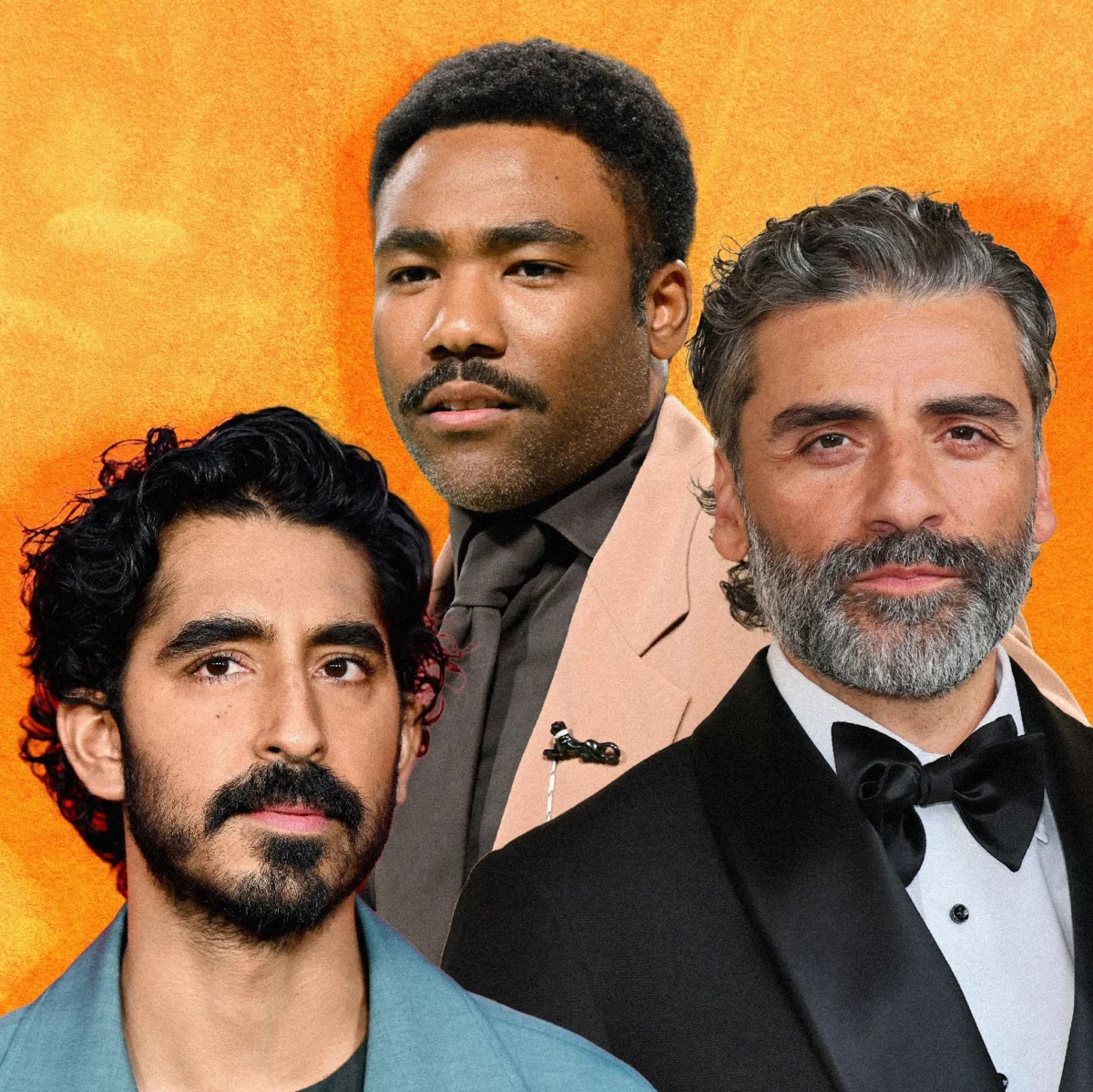
This movement is not merely a niche trend but a full-scale cultural pivot, led by some of the most visible and handsome men in Hollywood. Icons like Oscar Isaac, Carlos Alcaraz, and Jay-Z have all, at various stages, allowed their natural hair texture to run free, signaling a "green light" for men everywhere to follow suit. Celebrity hairstylist Sarah Singh emphasizes that this shift is not just about aesthetics; it is fundamentally better for the health of the hair. According to Singh, the primary enemy of a well-defined curl is over-manipulation. The more one brushes, combs, touches, or attempts to reshape curls—particularly during the delicate drying phase—the more the natural pattern is disrupted, leading to the inevitable invitation of frizz. Singh’s professional philosophy is simple yet transformative: curls usually look their best when granted a degree of freedom.

To successfully navigate a curly hair journey, one must first understand that curly hair exists on a diverse spectrum. The grooming industry often references the Andre Walker Hair Typing System, which categorizes hair from Type 2 (wavy) to Type 4 (coily). Within these categories, sub-types like 2a or 4c dictate the diameter of the curl and the density of the hair. Figuring out where you sit on this spectrum is the first step in determining which hairstyle and product regimen will yield the best results. Regardless of where you fall, the universal requirement for all curly hair is a robust moisture routine. Because the natural oils produced by the scalp (sebum) have a more difficult time traveling down a coiled hair shaft than a straight one, curly hair is inherently prone to dryness. Before styling even begins, the hair requires "solid moisture," which can be achieved through a combination of curl creams, traditional conditioners, and leave-in treatments that provide a protective barrier against the elements.
Beyond genetics, environmental factors play a pivotal role in how curls behave. Humidity, ambient heat, dryness, and even a man’s daily activity level can radically alter the silhouette of a haircut. A style that looks pristine in a climate-controlled office may expand significantly during a humid commute or an afternoon gym session. Consequently, both the cut and the product selection must be grounded in the reality of one’s day-to-day life. For those ready to lean into their natural texture, several foundational styles have emerged as the gold standard for the modern man.

The first of these is "The Modern Flow," a style perhaps most famously championed by actor Dev Patel. As longer lengths for men continue to trend, those with curls find themselves at a distinct advantage; the extra length adds a layer of drama and flair that prevents the look from appearing too clinical or severe. This medium-length cut relies on soft layers that allow the curls to move independently, creating a "bedhead chic" aesthetic that manages to look sophisticated while remaining seemingly effortless. By keeping the front of the hair slightly shorter to frame the facial features and brushing the bulk of the hair back, the "Modern Flow" achieves a balance of being loose and unfussy yet undeniably intentional.
For men seeking a more rugged, commanding presence, "The Warrior Mane" offers a bold alternative. Characterized by shoulder-length curls that feel big, fluid, and full, this look—often associated with Jason Momoa—thrives on volume. The success of this style lies in the ends of the hair, which are given room to separate and break apart, lending a rock-and-roll energy to the wearer. A crucial technical tip for this style, as noted by Sarah Singh, is the "dry cut." Because curly hair can experience "shrinkage" of anywhere from 10% to 50% as it dries, cutting the hair while wet can lead to an unexpectedly short result. Cutting the hair in its natural, dry state ensures the silhouette remains exactly as intended.

On the opposite end of the length spectrum is "The Precision Fade." For the man who prefers a neat, tidy, and low-maintenance appearance, the fade remains the undisputed king of curly hairstyles. Keeping the hair short allows the wave pattern to reveal its natural texture and dimension without the risk of tangling or excessive frizz. The key to mastering this look, seen on stars like Michael B. Jordan, is maintaining enough length on the top so that the curl pattern remains visible, paired with a sharp "lineup" to keep the edges clean. Singh cautions against pushing the hairline too far back, as an overly aggressive lineup can result in an unnatural, jarring appearance that detracts from the hair’s organic flow.
For those with Type 3c to 4c hair, "The Sculpted Coil" represents the pinnacle of architectural hair design. In these hair types, the density of the coils causes the hair to grow upward rather than outward, providing a natural height that commands attention. This style, frequently seen on Donald Glover, focuses on a rounded, sculpted shape. The goal is to preserve enough length on top to maintain the integrity of the coil formation while gradually fading the sides. Unlike a traditional high-top fade, the sides should be blended softly into the top rather than being disconnected, allowing the overall shape to retain its fullness and structural integrity.

Bridging the gap between casual and professional is "The Executive Sweep." This style functions as a textured evolution of the classic slick-back. While the "finance bro" looks of the early 2000s relied on heavy gels and straight hair, the "Executive Sweep"—a favorite of Oscar Isaac—utilizes the natural volume of curls to create a "lived-in elevated edge." To achieve this, a stylist typically performs a scissor cut to maintain fullness from the forehead to the crown, connecting the sides with a soft blend. By pushing all the hair toward the back, the wearer achieves a professional silhouette that is softened and modernized by the presence of natural waves.
Finally, there is "The Rom-Com Shag," a style that has seen a massive resurgence thanks to actors like Kit Harington. This is a departure from the traditional, flat shag; the wavy texture gives the cut a different, more sensual personality. Singh notes that this style actually benefits from a lack of effort. Textured layers are used to break up the shape so it doesn’t look overly sculpted, and the soft edges contribute to a slightly "imperfect" but highly attractive look. The technical requirements include loose layering through the top and sides, extra length through the back, and a fringe that is allowed to fall naturally across the forehead rather than being styled into a neat line.

Ultimately, the transition to embracing curly hair is as much a psychological shift as it is a grooming one. It requires a departure from the desire for total control and a move toward a partnership with one’s natural traits. By choosing a cut that works with the hair’s natural direction and investing in a moisture-heavy routine, men can move away from the frustration of "bad hair days" and toward a permanent state of effortless style. As the industry continues to evolve, the message from experts like Sarah Singh is clear: the most handsome version of yourself is usually the one that stays true to your natural form. Whether through a precision fade or a shoulder-length mane, the modern man is finally letting his curls lead the way.
