
 By Rifan Muazin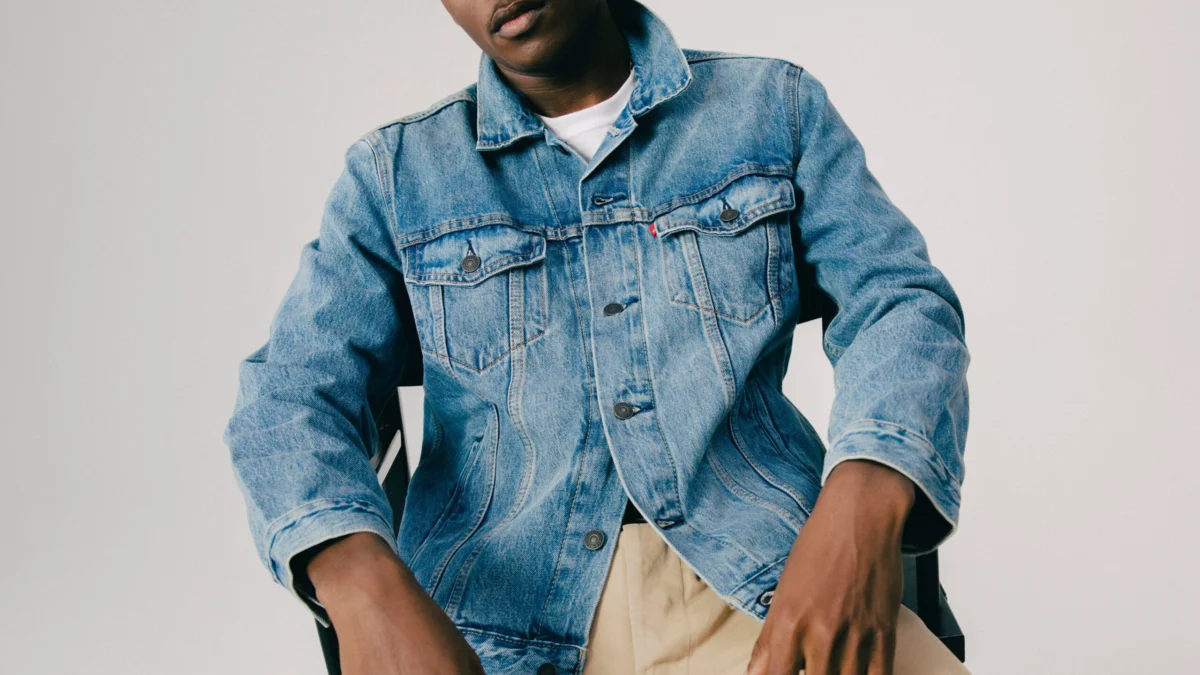
Historically, the denim jacket was conceived as a rugged companion to the blue jeans worn by miners, railroad workers, and laborers who required outerwear that could withstand the rigors of manual toil. Over the decades, however, these garments have transcended their pragmatic origins to become potent fashion statements. From the rebellious subcultures of the 1950s to the high-fashion runways of Paris and Milan, the denim jacket has proven its adaptability. Today, the market offers a spectrum ranging from luxurious designer riffs and artisanal Japanese reproductions to the "down-home" workhorses that have remained largely unchanged for a century. While the iconic "trucker" silhouette remains the most recognizable form, the category has expanded to include denim-based chore coats, trench coats, Harringtons, and bombers. This expansion is a boon for the style-conscious individual seeking a unique signature piece, though it presents a daunting challenge for those attempting to navigate the sheer volume of available options.
To identify the absolute best in the category, a rigorous market analysis was conducted, examining everything from heritage brands to modern startups. The undisputed king of the category remains the Levi’s Trucker Jacket. As the progenitor of the style, Levi’s occupies a level of cultural significance that few brands can rival. While the brand’s 501 jeans receive the lion’s share of historical acclaim, the Levi’s trucker jacket is equally deserving of its "Grail" status. The very first iteration of a Levi’s denim jacket appeared in 1905, but the version most people recognize today is the Type III, introduced in the early 1960s. This specific silhouette—characterized by its midweight denim, trim fit, and cropped length—has transcended trend cycles for over sixty years. Its design is intended to hit at the waist, a proportion that naturally lengthens the appearance of the wearer’s legs and balances the torso. For those on a budget, the Levi’s Trucker offers the highest ratio of style-to-cost, particularly when it can be found at a reduced price point of approximately $63.
For those who prioritize utility over the traditional trucker aesthetic, the Alex Mill Work Jacket represents the best in denim workwear. While traditional chore coats are often rendered in canvas or moleskin, the use of denim provides a unique resilience and a distinct aging process. Alex Mill has mastered the art of the "modern vintage" garment, utilizing 100% cotton Japanese denim that feels substantial yet broken-in from the first wear. Unlike the cropped trucker, the chore coat offers a boxier, more relaxed fit that allows for heavy layering over sweaters or hoodies. Its functional details—including dual chest pockets, hand pockets, and a hidden phone pocket—make it a superior choice for the practical minimalist. The craftsmanship of Alex Mill’s outerwear often rivals that of vintage French workwear, offering a level of detail in the stitching and fabric grain that appeals to denim purists.

If the goal is a high-end upgrade that pays homage to American heritage, the Lee 101 Rider Jacket is the definitive choice. Along with Levi’s and Wrangler, Lee is a member of the "Big Three" of American denim. The Rider jacket, first introduced in 1948, was the first denim jacket specifically designed for cowboys and rodeo riders, featuring slanted chest pockets for easier access while on horseback. The modern Lee 101 reproduction utilizes premium left-hand twill denim sourced from elite Japanese mills. Left-hand twill is a specific weaving technique that results in a softer hand-feel over time compared to the more common right-hand twill used by Levi’s. This jacket maintains its signature zig-zag stitching on the placket and "cat-eye" buttons, offering a slim, hip-length silhouette that serves as a sophisticated alternative to the standard trucker.
In the realm of artisanal "Grail" items, the Kapital Boro Distressed Patchwork Jacket stands alone. Based in Okayama, Japan—the world’s denim capital—Kapital is renowned for its avant-garde interpretations of traditional garments. Their "Boro" jacket is a tribute to the Japanese tradition of mending textiles with scraps of fabric to extend their life. Each jacket is a labor-intensive masterpiece, composed of dozens of fabric scraps that have been meticulously distressed, repaired, and sewn back together. The result is a garment that looks like a museum artifact but feels like luxury, thanks to a custom-printed satin interior. At a price point exceeding $3,000, it is an investment in wearable art, featuring a Type I silhouette with a single flap pocket and a rear cinch.
For the fashion-forward consumer, Acne Studios offers a denim jacket that blends Scandi-cool minimalism with bold, experimental proportions. Acne Studios was a pioneer in the 1990s denim revolution and continues to lead the market with its avant-garde silhouettes. Their current workwear-inspired jacket features a "football-player" silhouette with exaggerated shoulders, a luxurious leather collar, and puffy insulation for warmth. This piece moves away from the classic midweight layering piece toward a legitimate piece of outerwear designed for cooler climates. It utilizes raw broken twill denim, which provides a unique texture and a deep indigo hue that appeals to those who want their clothing to make a definitive statement.
Vintage enthusiasts often turn to The Real McCoy’s Lot. 001XXJ Denim Jacket, which is widely considered the pinnacle of reproduction craftsmanship. The Real McCoy’s is a Japanese label dedicated to the obsessive recreation of mid-century American military and workwear. Their Type II jacket—a silhouette introduced by Levi’s in 1953—features two symmetrical chest pockets and adjustable waist tabs. The Real McCoy’s sources vintage looms to create a "slubby" denim that perfectly mimics the irregular texture of 1950s fabric. Because of the limited production capacity of these antique looms and the global demand for the brand’s quality, these jackets are frequently sold out, making them a true hunter’s prize in the secondary market.

Beyond these primary picks, several other brands contribute to the rich tapestry of the denim market. Gap’s Classic Icon Denim Jacket serves as a reminder that the brand’s heritage is rooted in denim, offering a faithful Type II silhouette at an accessible price point. Jeanerica, a contemporary label, has experimented with trompe l’oeil effects, creating jackets that look like denim but are finished in soft corduroy, offering a tactile twist on a classic. For a western-inflected aesthetic, Ralph Lauren’s RRL line produces some of the best faded denim in the world, with their "Leeland" wash providing a depth of color that usually takes years of wear to achieve. Meanwhile, the J.Crew x Lee collaboration offers a "Storm Rider" jacket with a corduroy collar and plaid lining, making it the ideal transitional piece for autumn.
When shopping for a great denim jacket, the material and construction are the most critical factors. High-quality denim should feel substantial; a weight of 12 to 14 ounces is standard for a durable jacket. While some modern brands incorporate elastane for stretch, purists recommend a 100% cotton composition for the best aging results, as synthetic fibers can interfere with the way the indigo fades. The "selvedge" edge—a self-finished edge produced on traditional shuttle looms—is often a hallmark of quality, though not an absolute requirement for a well-made garment.
Fit and silhouette are equally vital. A classic trucker jacket is designed with a cropped length, intended to sit just at or above the hip bone. This proportion is intentional; it prevents the fabric from bunching when sitting and creates a more flattering profile by emphasizing the waist. When trying on a jacket, the shoulder seams should align with the natural end of the shoulders. It is also important to consider the "break-in" period. Raw denim jackets will initially feel stiff and starchy, but they will eventually mold to the wearer’s body, creating unique creases at the elbows and fades at the points of friction.
The process of selecting these jackets involves a combination of historical research, hands-on testing, and an analysis of manufacturing standards. A great denim jacket is not merely a purchase; it is a long-term relationship. Unlike most modern garments that degrade with use, a high-quality denim jacket improves with age, developing a patina that reflects the life of the wearer. Whether you opt for the $90 classic or the $3,000 artisanal masterpiece, the denim jacket remains the ultimate symbol of rugged American style, a piece of clothing that is as relevant today as it was a century ago.
