
 By admin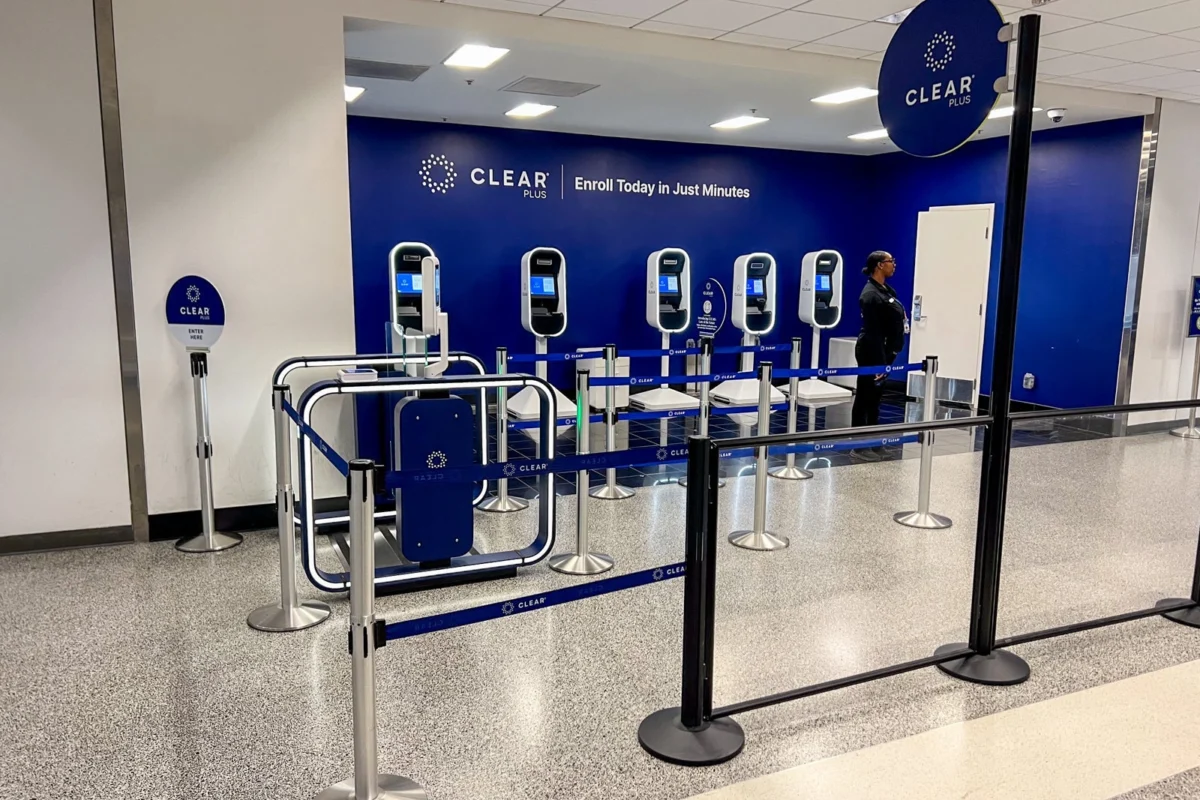
In the high-stakes world of modern air travel, where time is the most precious commodity and airport terminals are increasingly congested, the quest for a seamless journey has led to the rise of sophisticated identity verification technologies. Among the most prominent of these solutions is Clear, a private identity platform that has redefined the "front of the line" experience for millions of passengers. By leveraging biometric data—specifically facial recognition and iris scans—Clear Plus, the company’s flagship airport membership, allows travelers to bypass the traditional, often arduous, manual document check performed by Transportation Security Administration (TSA) agents. As of early 2024, Clear has expanded its footprint to 62 U.S. airports, creating a nationwide network designed to shave minutes, and sometimes hours, off the security process.

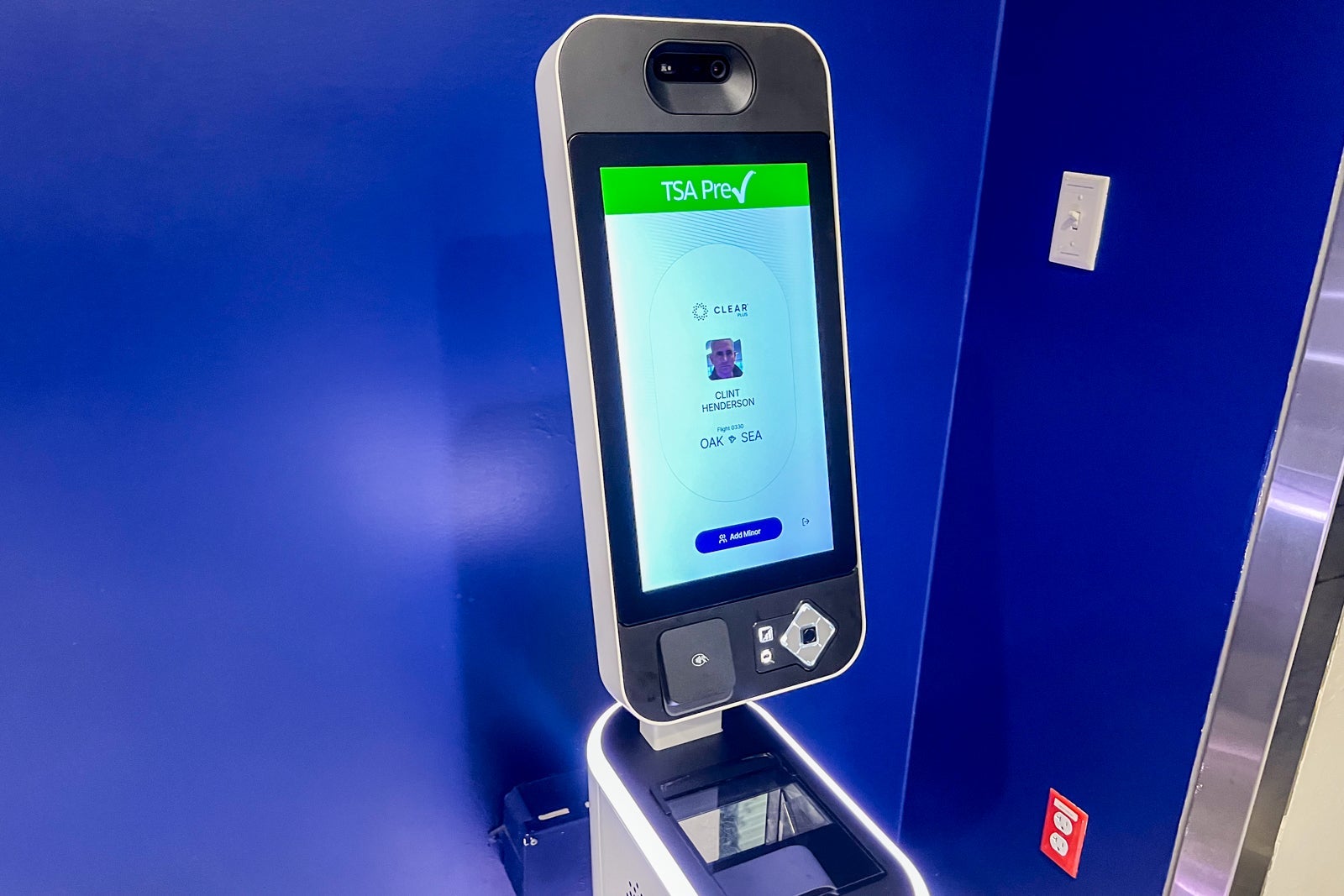
Clear operates as a secure identity platform that bridges the gap between a traveler’s physical identity and their digital credentials. Unlike government-run programs such as TSA PreCheck or Global Entry, Clear is a private entity (operated by Alclear LLC) that works in tandem with the TSA under the "Registered Traveler" program. The core value proposition of Clear Plus is simple yet powerful: instead of waiting for a TSA officer to manually inspect a driver’s license or passport, members walk up to a dedicated kiosk. These kiosks, often referred to as "pods," use high-definition cameras and sensors to capture biometric markers. Once the system confirms the traveler’s identity, a Clear ambassador—a uniformed employee of the company—escorts the passenger directly to the physical screening area. If the traveler also possesses TSA PreCheck, they are taken to the front of the PreCheck screening lane, effectively creating a "fast lane for the fast lane."
The technology behind Clear is a marvel of modern biometrics. While facial recognition has become a standard feature on smartphones, Clear utilizes a more robust multi-modal approach. For many years, the service relied heavily on iris scanning, which identifies the unique patterns in the colored circle of the eye. This method is widely considered more secure and less prone to "false positives" than fingerprinting or basic facial mapping. However, in recent years, Clear has transitioned toward more advanced facial recognition technology to align with broader industry trends and TSA’s own evolving standards. This shift is part of a larger movement toward "touchless" travel, a concept that gained significant momentum during the COVID-19 pandemic and has since become a permanent fixture of the aviation landscape.
Despite its efficiency, Clear Plus is not a total replacement for traditional identification. Due to federal regulations and security protocols, the TSA reserves the right to randomly select Clear members for a manual ID check. Furthermore, the implementation of the Real ID Act—which sets higher security standards for state-issued driver’s licenses—means that travelers must still carry a physical, valid government ID. Clear’s role is to automate the verification process for the vast majority of trips, but the physical document remains a legal necessity for air travel.
The cost of this convenience is currently set at $219 per year. While this represents a significant investment compared to the $78 for a five-year TSA PreCheck membership, the value of Clear is often found in its predictability. For frequent business travelers or families navigating busy hubs like Hartsfield-Jackson Atlanta International (ATL), Denver International (DEN), or Los Angeles International (LAX), the ability to bypass a 45-minute ID line can be the difference between making a connection and being stranded. However, the $219 price tag is rarely what savvy travelers actually pay. Clear has strategically partnered with major airlines and credit card issuers to provide a variety of discounts and full reimbursements.
Delta Air Lines and United Airlines, two of the "Big Three" U.S. carriers, have deep integrations with Clear. For instance, General SkyMiles members and United MileagePlus members can often secure a discounted rate of $189. Travelers with mid-tier elite status or those who hold co-branded credit cards from these airlines may see the price drop further to $149. For top-tier elites—specifically Delta Diamond Medallion and United 1K members—Clear Plus is offered as a complimentary annual benefit. More recently, Alaska Airlines and Hawaiian Airlines have joined the fray through their Atmos Rewards programs, offering specialized rates and mileage bonuses for members who enroll or renew.
The financial landscape of Clear membership is also heavily influenced by the premium credit card market. American Express has been a primary driver of Clear adoption by including a $199 annual credit (recently updated to cover the full $219 in some instances or specific card tiers) on several of its high-end products. The Platinum Card® from American Express, The Business Platinum Card® from American Express, and the American Express® Green Card all offer various forms of statement credits that effectively make the service free for the cardholder. Even the Hilton Honors American Express Aspire Card provides a credit toward Clear Plus, reflecting the program’s utility for luxury hotel guests who travel frequently.
Beyond the airport, Clear has expanded its "Sports & Events" division, offering expedited entry to some of the most iconic venues in the United States. From Oracle Park in San Francisco to Yankee Stadium in New York, Clear members can use dedicated lanes to enter games and concerts, avoiding the massive bottlenecks that typically form at stadium gates. Interestingly, the basic "Sports & Events" access is free to all users who download the Clear app and complete a basic enrollment, though this free tier does not grant access to the expedited airport kiosks. For families, Clear offers a "Family Plan" that allows a primary member to add up to three adult family members for $125 each per year. Children under the age of 18 can accompany a Clear Plus member through the dedicated lane at no additional cost, making it a viable option for family vacations.
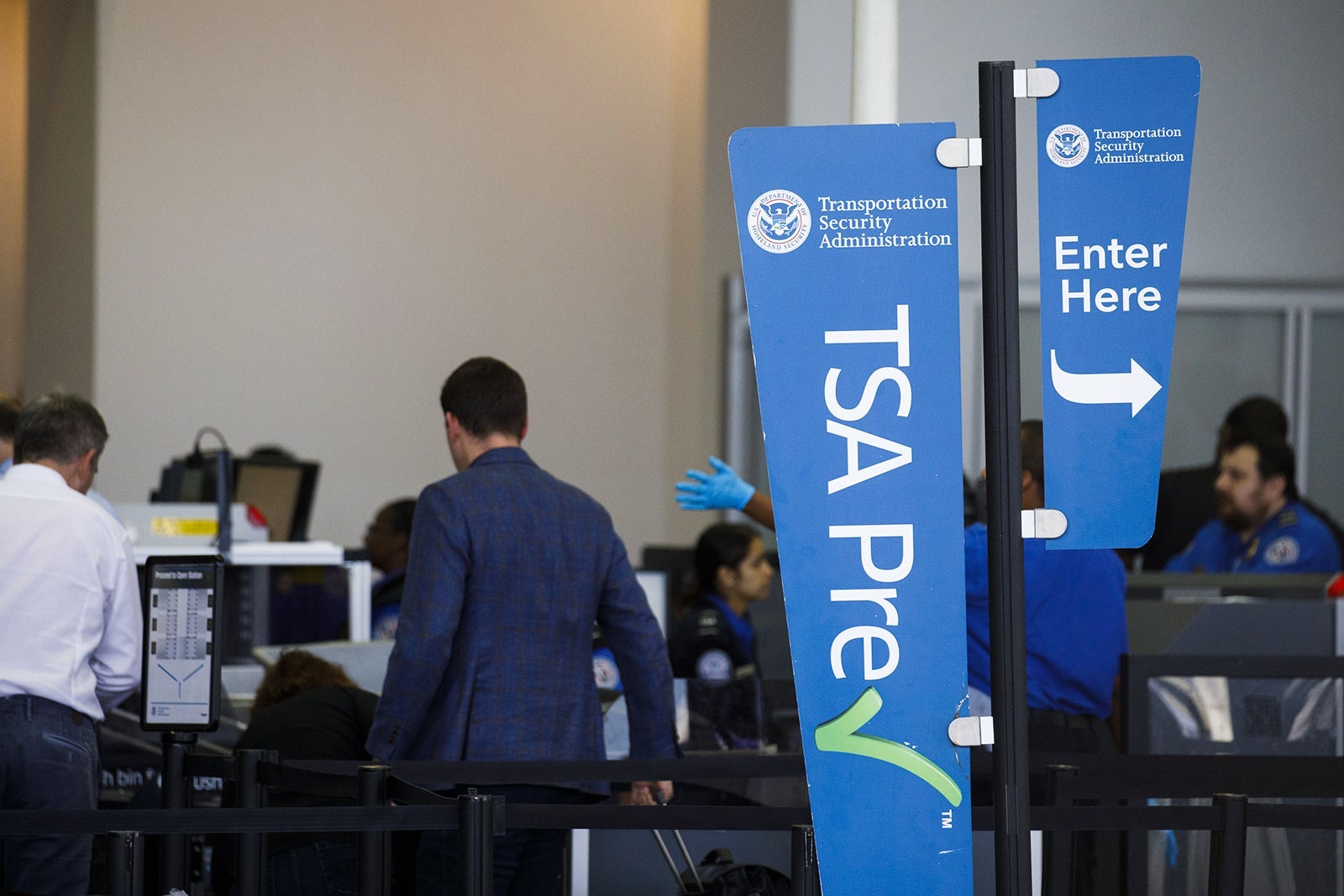
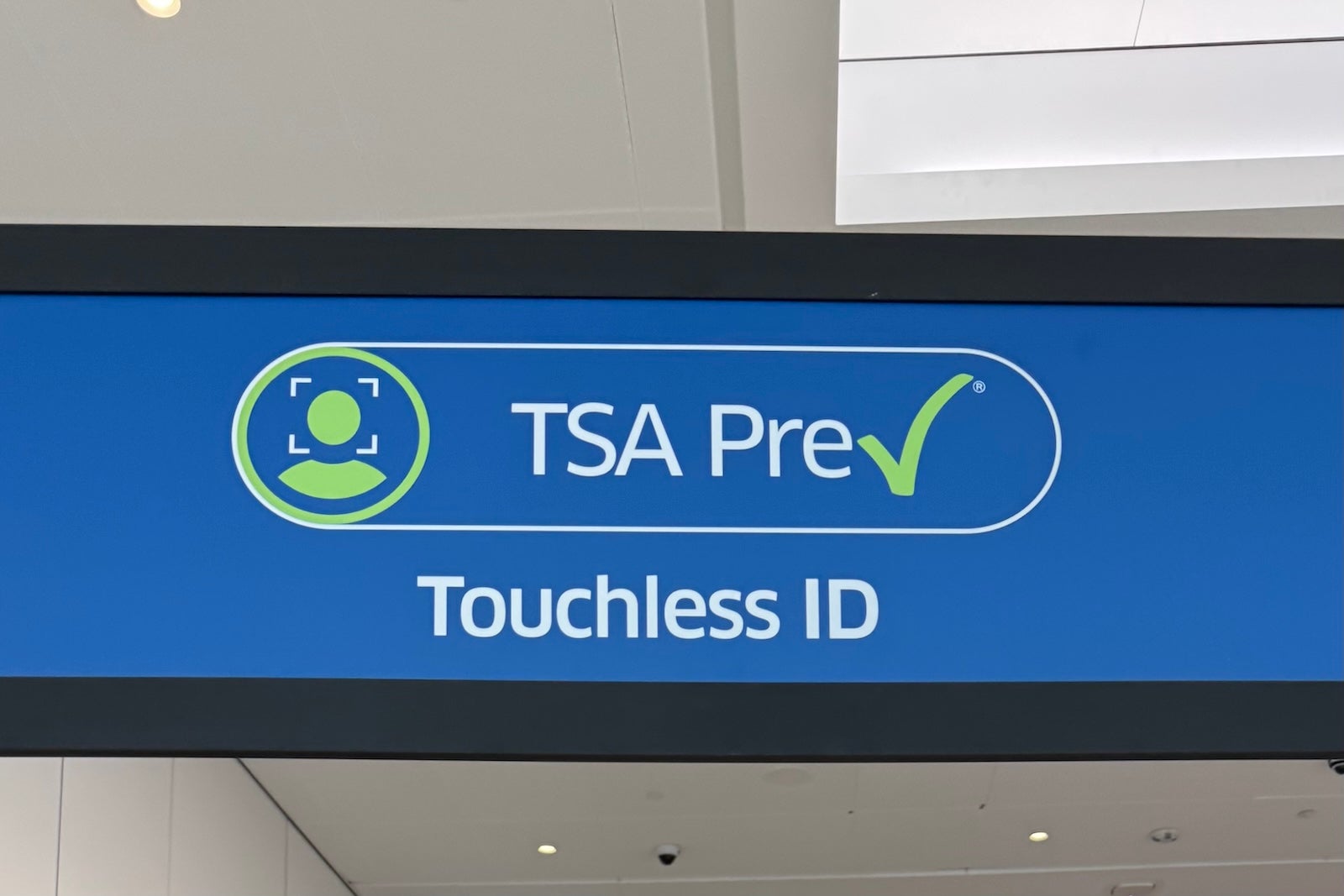
The competitive landscape for Clear is also shifting with the introduction of "TSA PreCheck Touchless ID." This government-led initiative, currently being tested at select airports with carriers like United and Delta, uses the traveler’s passport photo on file to verify identity via a TSA-operated camera. While Touchless ID offers a similar "no-ID-required" experience at the kiosk, it does not currently offer the "escort to the front of the line" service that defines Clear. As the TSA continues to modernize its own infrastructure, Clear has responded by innovating its service model. One such innovation is the "Clear Concierge" service, a premium, high-touch offering priced at $99 per booking. This service provides a dedicated staff member who meets the traveler at the curb, assists with luggage, and ensures a seamless transition through security and even to the airline lounge or gate.

However, the expansion of Clear has not been without controversy. Privacy advocates have frequently raised concerns about a private corporation holding sensitive biometric data for millions of American citizens. Clear maintains that it is a "privacy-first" company, asserting that it does not sell or rent member data and that its systems meet the highest levels of federal security standards. The company’s collaboration with the TSA is governed by strict oversight, but the philosophical debate over the privatization of national security functions remains a point of discussion in Washington D.C. and among civil liberties groups.
Furthermore, the "jump to the front" nature of Clear has occasionally led to friction on the airport floor. In some instances, travelers in the standard TSA PreCheck lane have expressed frustration as Clear members are merged into the line ahead of them. This has led to calls for better lane management and more transparent communication regarding how the different programs interact. Despite these growing pains, the data suggests that Clear’s popularity continues to soar, driven by a post-pandemic travel boom that has pushed airport capacity to its limits.
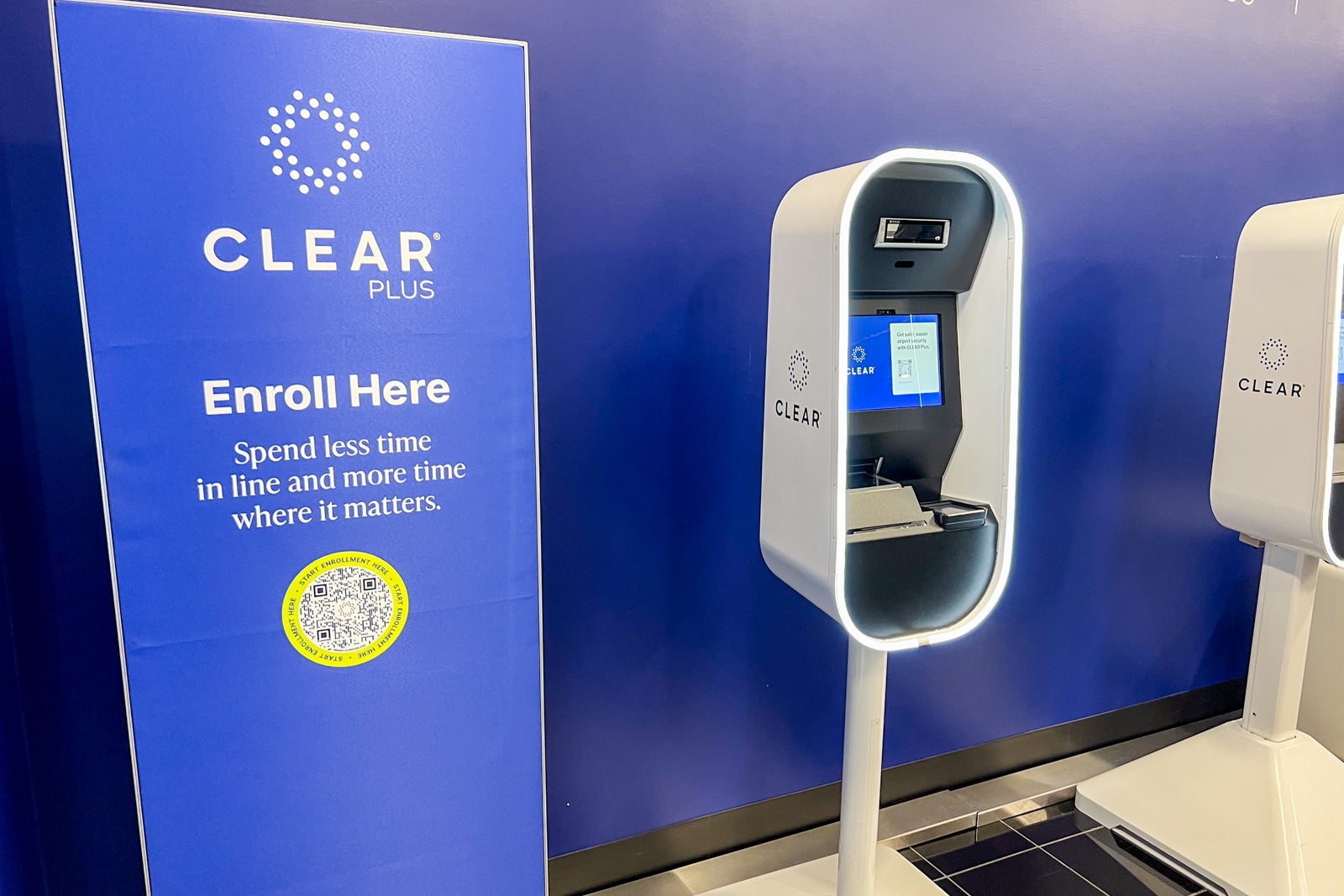
To enroll in Clear Plus, the process is designed to be as frictionless as the service itself. Prospective members can begin the application online or via the mobile app, but the finalization must occur in person at a Clear location. Unlike TSA PreCheck or Global Entry, which require pre-scheduled interviews that can be booked out for months, Clear enrollment is "on-demand." A traveler can show up at the airport 20 minutes earlier than usual, visit a Clear kiosk, have their biometrics captured, and use the service for the very first flight of that same trip. This immediacy is a significant competitive advantage in an industry plagued by bureaucratic delays.
In conclusion, Clear Plus represents a significant shift in the philosophy of travel—moving away from a "one-size-fits-all" security model toward a tiered system where technology and investment can buy time and peace of mind. Whether it is worth the $219 annual fee depends largely on a traveler’s frequency of flight, their home airport’s congestion levels, and their ability to leverage credit card benefits or airline status. As the aviation industry moves toward a future of "biometric boarding" and fully digital identities, Clear stands as a pioneer, proving that the eyes and the face may indeed be the ultimate boarding pass. For the modern traveler, the goal is no longer just to get from point A to point B, but to do so with the least amount of friction possible. In that pursuit, Clear has become an indispensable tool for those who refuse to wait.
