
 By Rifan Muazin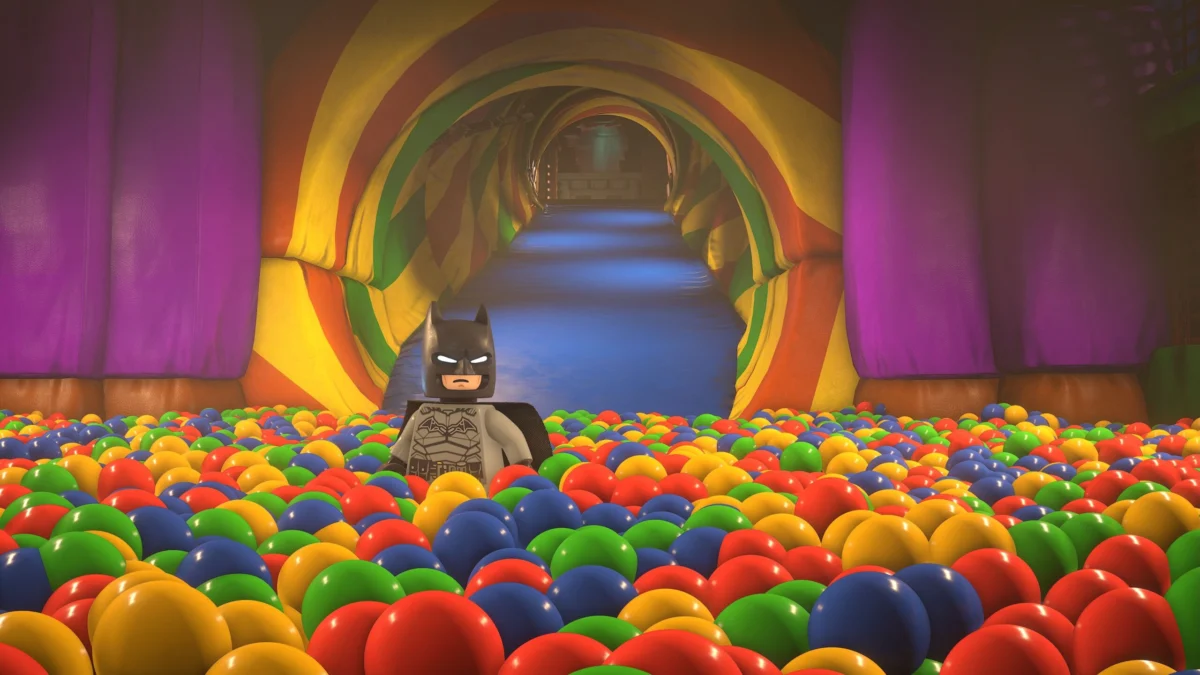
Microsoft, seeking to aggressively curb development costs and satisfy shareholders in a cooling market, has undergone a series of high-profile layoffs and studio closures that have sent shockwaves through the development community. Meanwhile, Sony has signaled the end of an era, announcing plans to phase out physical media entirely, a move that has sparked intense debate over digital ownership and preservation. Nintendo, despite the monumental success of the Switch 2 launch in 2025, has spent much of 2026 in a defensive crouch, offering an anemic first-party lineup that has left the new hardware feeling somewhat underutilized. Yet, looming over all of this is the singular gravity of Grand Theft Auto VI, which is slated for a November release and is widely expected to become the most significant cultural event in the history of the medium.
Amid these hardships, the act of celebrating the year’s best games feels more urgent and perhaps a bit more somber than usual. Many of the titles on this list were born from studios that have faced significant reductions; in one tragic case, the studio responsible for a top-ten entry no longer exists. However, even in a period of painful transition, the medium continues to evolve. From intimate indie narratives to AAA blockbusters that redefine established genres, these are the best video games of 2026 so far.
12. Life is Strange: Reunion (PlayStation 5, Xbox Series X/S, PC)
The Life is Strange franchise has always been a barometer for the emotional state of its audience. After the divisive reception of last year’s Double Exposure, which many fans felt skirted around the canonical fate of Chloe Price, Reunion arrives as a deliberate, heart-wrenching love letter to the series’ roots. Developed by Deck Nine, the game returns Max Caulfield to the center of a temporal storm, but this time, her relationship with Chloe is the narrative’s North Star.
The plot involves a mysterious fire threatening a college campus, but the mechanics of time travel serve as a metaphor for the grief of moving on. While the game suffered from some technical polish issues at launch—likely a byproduct of the industry’s strained resources—its emotional core is undeniable. It moves beyond mere fan service to offer a mature meditation on the "unforeseen consequences" of our choices, proving that even in a world of cosmic shifts, the most important stories remain the personal ones.
11. Luna Abyss (PlayStation 5, Xbox Series X/S, PC)
Luna Abyss is a masterpiece that stands as a monument to a team that is no longer here. Developed by the UK-based Bonsai Collective, this sci-fi horror first-person shooter is a haunting exploration of a lunar labyrinth. Players take on the role of a prisoner navigating a world that looks like it was plucked from the fever dreams of H.R. Giger—all coiled tubes, organic machinery, and oppressive shadows.
The tragedy of Luna Abyss lies in its external context: just weeks after the game’s successful launch and critical acclaim, the entire development team at Kwalee Labs was laid off. It is a stark reminder of the current industry’s "churn and burn" philosophy. To play Luna Abyss now is to experience a vision of cold, cruel dystopianism that feels uncomfortably close to the reality of the people who built it.
10. Mixtape (PlayStation 5, Xbox Series X/S, Nintendo Switch 2, PC)
Mixtape is a vibrant, unapologetic slice of 1990s nostalgia that has become a lightning rod for the ongoing "culture war" in gaming. It follows Stacey Rockford, a music-obsessed teenager navigating a single, transformative night with her friends. Its gameplay is a collage of exploration and WarioWare-style minigames, including a particularly visceral and awkward depiction of a first kiss.
Critics of the game often point to its lack of traditional "hardcore" mechanics, but that criticism misses the point. Mixtape is an exercise in radical empathy, capturing the specific, often insufferable bravado of youth. It is a game about how music shapes our identity, and its commitment to a specific time and place makes it one of the most evocative titles of the year.
9. Lego Batman: Legacy of the Dark Knight (PlayStation 5, Xbox Series X/S, PC)
In the wake of the Arkham series’ hiatus, Lego Batman: Legacy of the Dark Knight has emerged as the definitive Batman experience of the mid-2020s. By blending the sophisticated stealth and combat mechanics of the Rocksteady games with the whimsical, "everything-is-awesome" aesthetic of the Lego brand, developer TT Games has created a "Batman jambalaya" that appeals to all ages. It is packed with deep-cut Easter eggs for comic book historians while remaining accessible enough for a twelve-year-old. It’s a rare example of a licensed game that respects its source material without being weighed down by its own grimness.
8. Pragmata (PlayStation 5, Xbox Series X/S, Nintendo Switch 2, PC)
Capcom’s Pragmata has had one of the most storied development cycles in recent memory, first announced in 2020 and delayed multiple times. When it finally arrived in April, it was met with a bizarre online discourse surrounding its central characters—a "Space Dad" astronaut and his "Robot Daughter." However, once the noise subsided, what remained was a brilliantly executed dual-character action game.
The interplay between Hugh’s heavy combat and Diana’s tactical hacking creates a rhythmic, chaotic gameplay loop that feels fresh. Pragmata isn’t just a technical showcase for the RE Engine; it is a testament to Capcom’s ability to take weird, high-concept ideas and polish them into something genuinely fun.
7. Perfect Tides: Station to Station (Nintendo Switch and Switch 2, PC, macOS)
While the AAA industry struggles with rising costs, the indie scene continues to flourish through specificity. Merideth Gran’s Perfect Tides: Station to Station is a point-and-click adventure that serves as a sequel to her previous work, following protagonist Mara Whitefish into the messy, exhilarating world of early-college life.
The game avoids the "moon logic" puzzles that plagued the genre in the 90s, focusing instead on character agency and narrative branching. It captures the specific texture of the early 2000s—the dive bars, the dial-up internet, and the crushing weight of artistic ambition—with a clarity that feels almost voyeuristic.
6. Saros (PlayStation 5)
Housemarque, the studio that won a BAFTA for Returnal, continues its streak of high-octane "bullet-hell" excellence with Saros. This PlayStation 5 exclusive doubles down on the "dodge-and-gun" mechanics that have become the studio’s trademark. Anchored by a powerhouse performance from Rahul Kohli, Saros drops players onto a Lovecraftian alien world where death is a constant teacher.
The game’s difficulty is legendary, but its rewards are equally great. It uses the roguelike structure to tell a non-linear story about isolation and the human psyche, proving that Housemarque is currently the undisputed king of the "prestige" arcade shooter.
5. Forza Horizon 6 (PlayStation 5, Xbox Series X/S, PC)
The Forza Horizon series has long been the gold standard for open-world racing, but the sixth installment—set in a breathtaking facsimile of Japan—reaches new heights. For years, fans have begged for a Japanese setting, and Playground Games has delivered with a map that transitions seamlessly from the neon-soaked streets of Tokyo to the serene, cherry-blossom-lined mountain passes of Nagano.
The technical fidelity is staggering, but the game’s true success is its "vibe." Whether you are participating in high-stakes street races or engaging in a surreal challenge against a giant, piloted mech, Forza Horizon 6 remains the ultimate digital "vacation" game.
4. Mina the Hollower (PlayStation 5, Xbox Series X/S, Nintendo Switch and Switch 2, PC, macOS, Linux)
Yacht Club Games, the creators of Shovel Knight, have transitioned from the 8-bit NES era to the 8-bit handheld era with Mina the Hollower. Drawing heavy inspiration from The Legend of Zelda: Link’s Awakening, the game is a masterclass in "retro-plus" design. It looks and sounds like a Game Boy Color classic, but its depth of combat and world-building is thoroughly modern. It is a "pricklier" game than its predecessor, requiring precision and patience, but it offers a level of discovery and charm that few games in 2026 can match.
3. Marathon (PlayStation 5, Xbox Series X/S, PC)
Bungie’s revival of Marathon as an extraction shooter was a massive gamble, especially given the internal turmoil at the studio following its acquisition by Sony. Yet, the result is a tense, tactically brilliant experience that stands apart from the crowded field of online shooters.
Marathon eschews the "hero shooter" tropes of Overwatch for a more grounded, high-stakes approach where every piece of gear lost is a genuine setback. While the player count has seen the inevitable fluctuations of the modern live-service market, the game’s visual identity—a vibrant, high-contrast sci-fi aesthetic—and its tight gunplay make it the most compelling multiplayer experience of the year.
2. Resident Evil Requiem (PlayStation 5, Xbox Series X/S, Nintendo Switch 2, PC)
Marking the 30th anniversary of the franchise, Resident Evil Requiem is a grand synthesis of the series’ dual identities. The game’s first half is a claustrophobic, terrifying return to survival-horror roots, following a new protagonist named Grace. The second half shifts into the high-octane action-heroics of Leon Kennedy.
Capcom has finally found the "Golden Mean" between the scares of RE7 and the bombast of RE4. It is a sprawling, ambitious title that honors the franchise’s history while pushing its technical boundaries, featuring some of the most grotesque and imaginative creature designs in the series’ three-decade run.
1. 007 First Light (PlayStation 5, Xbox Series X/S, PC)
For decades, the ghost of Goldeneye 007 has haunted every James Bond game, but 007 First Light finally exorcises it by being something entirely different: a true spy simulator. Developed by IO Interactive (the masters behind the Hitman "World of Assassination" trilogy), First Light is an origin story that prioritizes wit and gadgets over mindless gunplay.
The game’s brilliance lies in its open-ended mission structure. Dropped into locales ranging from a high-stakes casino in Montenegro to a warlord’s fortress in the desert, players are given an objective and the freedom to achieve it however they see fit. You can be the "blunt instrument" if you choose, but the game truly rewards the player who can navigate a gala, plant a bug, and disappear before the first course is served. It is the most sophisticated licensed game ever made, and easily the best game of 2026.
