
 By admin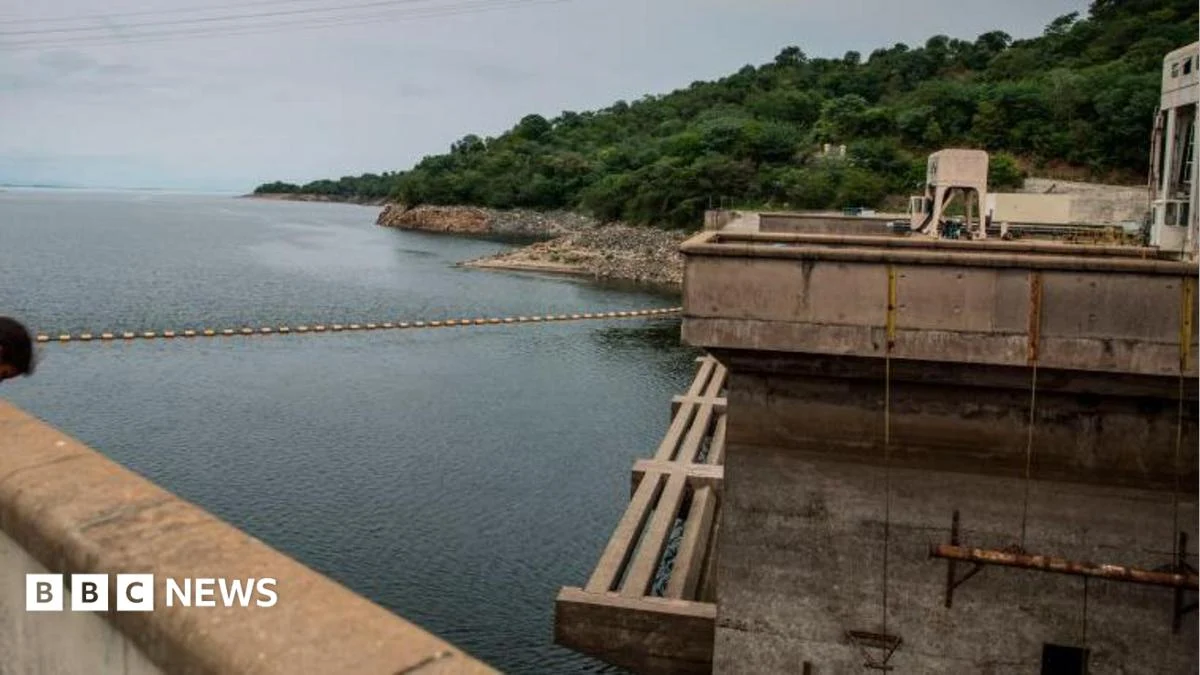
A devastating incident on the vast expanse of Lake Kariba has claimed the lives of at least 15 individuals, with rescue operations still underway to locate any survivors or additional victims. The ill-fated vessel, reportedly carrying dozens of passengers and crew, capsized on Tuesday under harrowing circumstances, sparking a swift and urgent response from authorities. Initial reports from the Zimbabwe Republic Police indicate that the boat, identified as a passenger ferry, had 90 passengers and five crew members on board when it overturned. However, concerns are mounting that the vessel may have been significantly overloaded, a claim bolstered by other reports that suggest a higher number of individuals were aboard, based on registered ticket sales.
The immediate cause of the capsizing has been attributed to a powerful wave that struck the vessel, causing it to lose stability and overturn. Disturbing footage that has surfaced online appears to corroborate this account, showing the hull of the boat floating ominously in the water, a stark testament to the disaster. This tragedy has cast a dark shadow over Lake Kariba, a body of water renowned for its immense scale and vital importance to the region. Straddling the border between Zimbabwe and Zambia, Lake Kariba stands as one of the world’s largest man-made reservoirs, a monumental engineering feat that has profoundly shaped the socio-economic landscape of both nations. Beyond its role in supporting crucial transportation networks and a thriving fishing industry, the lake is a cornerstone of hydroelectric power generation, providing essential electricity to millions across both countries.
The Zimbabwe Civil Protection Unit (CPU) has provided further details, revealing that registered ticket sales alone indicated that 114 adults were on the vessel. This figure raises significant alarm bells regarding potential overcrowding, as it does not account for any unregistered passengers or, crucially, any children who may have been traveling without requiring a ticket. The CPU confirmed that as of the latest reports, 77 passengers had been successfully rescued from the treacherous waters, while a grim tally of 15 bodies had been retrieved. The grim task of collecting the deceased has fallen to two local funeral parlors, underscoring the human cost of this disaster.
The incident has also ignited a firestorm of questions regarding the safety protocols and oversight of water transport on Lake Kariba. Mutsa Murombedzi, a local Member of Parliament, took to the social media platform X (formerly Twitter) to share a video she claims shows the ill-fated boat at the commencement of its journey. She highlighted the common use of such vessels by residents for inter-lake travel, noting that the journey to Kariba town typically takes approximately five hours. Her post carried a powerful indictment of the situation: "We have very hard questions that require honest answers. The officials must release the correct number of people who were onboard," she wrote, demanding transparency and accountability. The police have stated that further details will be released "in due course," a promise that will be closely scrutinized by a public grappling with grief and seeking answers.
The implications of this tragedy extend beyond the immediate loss of life and the ongoing rescue efforts. It brings into sharp focus the inherent risks associated with water transportation in developing regions, particularly when passenger numbers may exceed safe limits and when infrastructure for monitoring and enforcement might be strained. Lake Kariba, while a marvel of engineering, is also a powerful natural force, susceptible to sudden changes in weather and water conditions. The mention of a "strong wave" suggests that unexpected meteorological events can play a significant role in such accidents. This raises questions about the adequacy of weather forecasting and early warning systems for vessels operating on the lake, especially for smaller or less robust craft.
Furthermore, the discrepancy between the police’s initial count of passengers and the ticket sales data points to potential systemic issues. The possibility of unregistered passengers suggests a lack of stringent boarding procedures or a willingness to bypass regulations, perhaps driven by economic pressures or a desperate need for transport. The inclusion of an unknown number of children, if confirmed, adds another layer of complexity and distress to the unfolding situation, highlighting the vulnerability of the most innocent.
The economic significance of Lake Kariba cannot be overstated. It is a lifeline for numerous communities, facilitating trade, providing employment through fishing and tourism, and powering industries through its hydroelectric dams. However, its vastness also presents challenges for effective regulation and oversight. The sheer scale of the reservoir means that policing its waters and ensuring compliance with safety standards across its entire expanse is a monumental undertaking. The incident serves as a stark reminder that the benefits derived from such large-scale infrastructure projects must be accompanied by robust safety measures to protect the lives of those who rely on them.
In the aftermath of such a disaster, it is crucial to delve into the contributing factors to prevent future occurrences. This includes a thorough investigation into the structural integrity of the vessel, the qualifications and adherence to protocols by the crew, and the effectiveness of the regulatory framework governing passenger boat services on Lake Kariba. Expert analysis from maritime safety organizations and independent investigators will be vital in providing an objective assessment of what went wrong. Their findings could lead to recommendations for improved vessel design, stricter passenger capacity enforcement, enhanced crew training, and the implementation of advanced navigation and communication systems.
The emotional toll on the families of those lost and affected is immense. The retrieval of bodies is a somber and necessary step in the grieving process, but it also underscores the finality of the tragedy. The swift response from funeral parlors indicates a need to address the immediate logistical and emotional needs of the bereaved. Support services, including psychological counseling and financial assistance, will undoubtedly be required for those who have lost loved ones or who have been traumatized by the event.
The call for accountability from figures like MP Murombedzi is a crucial part of the recovery process. It signals a demand for transparency and a commitment to learning from this tragedy. The authorities’ promise to release more details "in due course" will be met with anticipation, as the public seeks to understand the full scope of the disaster and the measures that will be put in place to prevent a recurrence. This incident is not merely a statistic; it represents the loss of individual lives, dreams, and futures, leaving behind a ripple of grief and a urgent need for comprehensive action to ensure the safety of all who travel on Lake Kariba. The ongoing rescue and recovery efforts, while critical, are only the first steps in a long and complex process of addressing the aftermath of this heartbreaking event.
