
 By Titik Puspa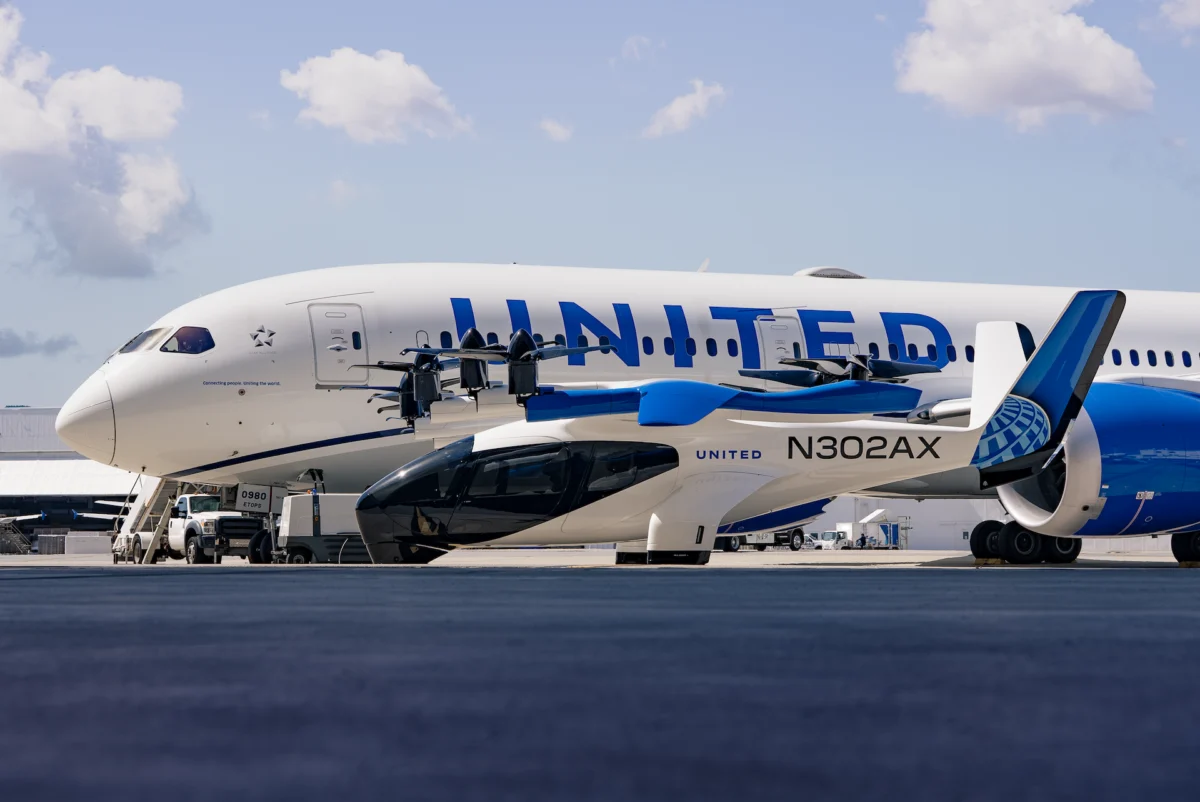
The Federal Aviation Administration (FAA), grappling with a persistent and multifaceted air traffic control shortage across the United States, is embarking on a significant technological initiative to bolster its operational capabilities. This strategic move, detailed by The Wall Street Journal, involves the substantial investment of $875 million in an Artificial Intelligence (AI) software program designed to enhance the efficiency and safety of air traffic management. The program, officially named Smart (Strategic Management of Airspace, Routes and Trajectories), is poised to revolutionize how air traffic controllers manage their demanding workflows and navigate the complex aerial pathways of the nation’s airspace.
The roots of the FAA’s current challenges are deep and varied. For years, the agency has faced difficulties in attracting and retaining a sufficient number of qualified air traffic controllers. Reports from organizations like the Government Accountability Office (GAO) have highlighted the ongoing shortage, while analyses from institutions such as the Brookings Institution have delved into the diverse contributing factors. These range from the rigorous training and certification processes, the demanding nature of the job itself, and the impact of an aging workforce nearing retirement, to broader economic and societal trends affecting recruitment. Recognizing the critical implications of this shortage for aviation safety, efficiency, and future growth, the government has actively sought innovative solutions. The Smart program represents a proactive and technologically advanced response to this pressing national concern.
Smart, developed by a firm specializing in advanced aviation solutions called Air Space Intelligence, is envisioned as a cloud-based platform designed to augment and integrate with existing FAA air traffic management systems. Its core functionality lies in its sophisticated AI capabilities. The system is engineered to meticulously analyze a vast array of real-time data, including airline schedules, intricate weather patterns, airport capacity limitations, current airspace conditions, and various operational constraints. By processing this comprehensive dataset, Smart aims to accurately predict traffic flows, identify potential conflicts and congestion points before they materialize, and provide controllers with advanced foresight and decision-support tools. This predictive and proactive approach is expected to significantly reduce the cognitive load on controllers, allowing them to focus on critical real-time interventions and thereby enhance overall flight safety.
The $875 million investment will be spread over a 12-year period, reflecting the comprehensive nature of the software’s development, implementation, and ongoing maintenance. The rollout of Smart will commence in a phased manner, beginning with the highly complex and densely trafficked airspace of the Washington, D.C., metropolitan area. This strategic initial deployment will allow the FAA to meticulously test and refine the system in a challenging yet manageable environment before scaling it to other regions across the country. The choice of the D.C. area, a hub for both commercial and governmental aviation, underscores the program’s ambition to tackle some of the most intricate air traffic management scenarios.
This significant investment in AI-driven air traffic management is part of a broader, concerted effort by the FAA to modernize its infrastructure and address its staffing challenges. Earlier in 2026, the agency unveiled what it termed a “bold, new” hiring plan, explicitly aimed at eradicating the “longstanding staffing shortage.” This initiative complements the Smart program by focusing on the human element, seeking to bolster the controller workforce. Simultaneously, the FAA is engaged in a wide-ranging modernization of the nation’s aging air traffic control systems, a critical undertaking that involves upgrading legacy technology with more robust and future-proof solutions. The Smart program is intrinsically linked to these modernization efforts, as it is designed to leverage and enhance these new technological foundations.

The implications of AI in air traffic control extend far beyond simply managing existing routes. Advanced AI systems have the potential to optimize flight paths for fuel efficiency, reduce flight delays by dynamically rerouting aircraft around weather disturbances or congestion, and even pave the way for the integration of new forms of air transportation, such as electric vertical takeoff and landing (eVTOL) aircraft. Companies like Archer Aviation, which is developing eVTOL aircraft and has established partnerships with major airlines like United Airlines, are keenly observing these developments. The successful implementation of AI in air traffic management could be a critical enabler for the widespread adoption of urban air mobility, a sector that promises to revolutionize short-haul travel and reshape urban landscapes.
Experts in aviation technology and management have voiced optimism about the potential of AI in air traffic control. Dr. Evelyn Reed, a leading researcher in aviation systems at MIT, commented, “The FAA’s commitment to investing in AI solutions like Smart is a necessary and forward-thinking step. The complexity of modern air traffic is increasing exponentially, driven by both traffic volume and the emergence of new aircraft technologies. AI offers the computational power and analytical capabilities to manage this complexity in ways that human controllers, however skilled, cannot achieve alone. The key will be seamless integration, robust testing, and ensuring that AI serves as a powerful assistant to, rather than a replacement for, human expertise.”
The development of AI for air traffic control is not without its complexities and challenges. Ensuring the absolute reliability and security of such a critical system is paramount. Cybersecurity threats are a constant concern, and the FAA will need to implement stringent measures to protect Smart from malicious attacks. Furthermore, the ethical considerations of AI in decision-making, particularly in safety-critical environments, will require careful attention. The program’s design emphasizes AI as a decision-support tool, leaving the ultimate authority with human controllers, which is a widely accepted best practice in the field.
The FAA’s investment in Smart also signals a broader trend within governmental agencies to embrace cutting-edge technologies to address complex societal challenges. From optimizing infrastructure and improving public services to enhancing national security, AI is increasingly being recognized as a transformative tool. The success of Smart could serve as a model for other agencies looking to leverage AI to improve their operations and service delivery.
The historical context of air traffic control modernization provides further insight into the significance of the Smart program. For decades, the air traffic control system relied on relatively static and analog technologies. The Next Generation Air Transportation System (NextGen) initiative, launched in the early 2000s, aimed to transition to a more satellite-based, digital system. While NextGen has made progress, its implementation has been a long and complex undertaking. The Smart program, with its focus on AI and cloud-based architecture, represents a leap forward within the broader modernization trajectory, promising more agile and responsive air traffic management.
The FAA’s proactive approach, combining human resource strategies with advanced technological solutions, underscores the critical importance of a robust and resilient air traffic control system for the continued growth of the aviation industry. As air travel continues to rebound and expand, and as new forms of air transportation emerge, the ability to manage the skies safely and efficiently will be more crucial than ever. The $875 million investment in Smart is not merely a technological upgrade; it is a strategic commitment to the future of aviation in the United States, aiming to ensure that the skies remain open, safe, and efficient for generations to come. The rollout in the Washington, D.C., area will be closely watched, not only by the aviation industry but by other sectors as well, as they assess the potential of AI to tackle large-scale operational challenges.
