
 By admin
Travel has always been a cornerstone of my life, a vibrant tapestry woven with experiences ranging from multigenerational holiday gatherings in the historic hearts of Germany to a rugged, outdoorsy honeymoon in the remote landscapes of Madagascar. Over the years, I have navigated the complexities of group dynamics, the compromises of romantic getaways, and the logistical demands of family reunions. Yet, until very recently, a significant gap remained in my travel resume: I had never truly embarked on a major international solo expedition. While I have frequently traversed the United States alone, those trips were almost always anchored by a specific purpose—visiting loved ones or attending professional conferences—meaning I was rarely, if ever, truly "alone" in the world. The last time I crossed an ocean without a companion was more than a decade ago for a study abroad program in Ireland, but even then, the structure of a university program provided a constant safety net of fellow students and organized social circles.
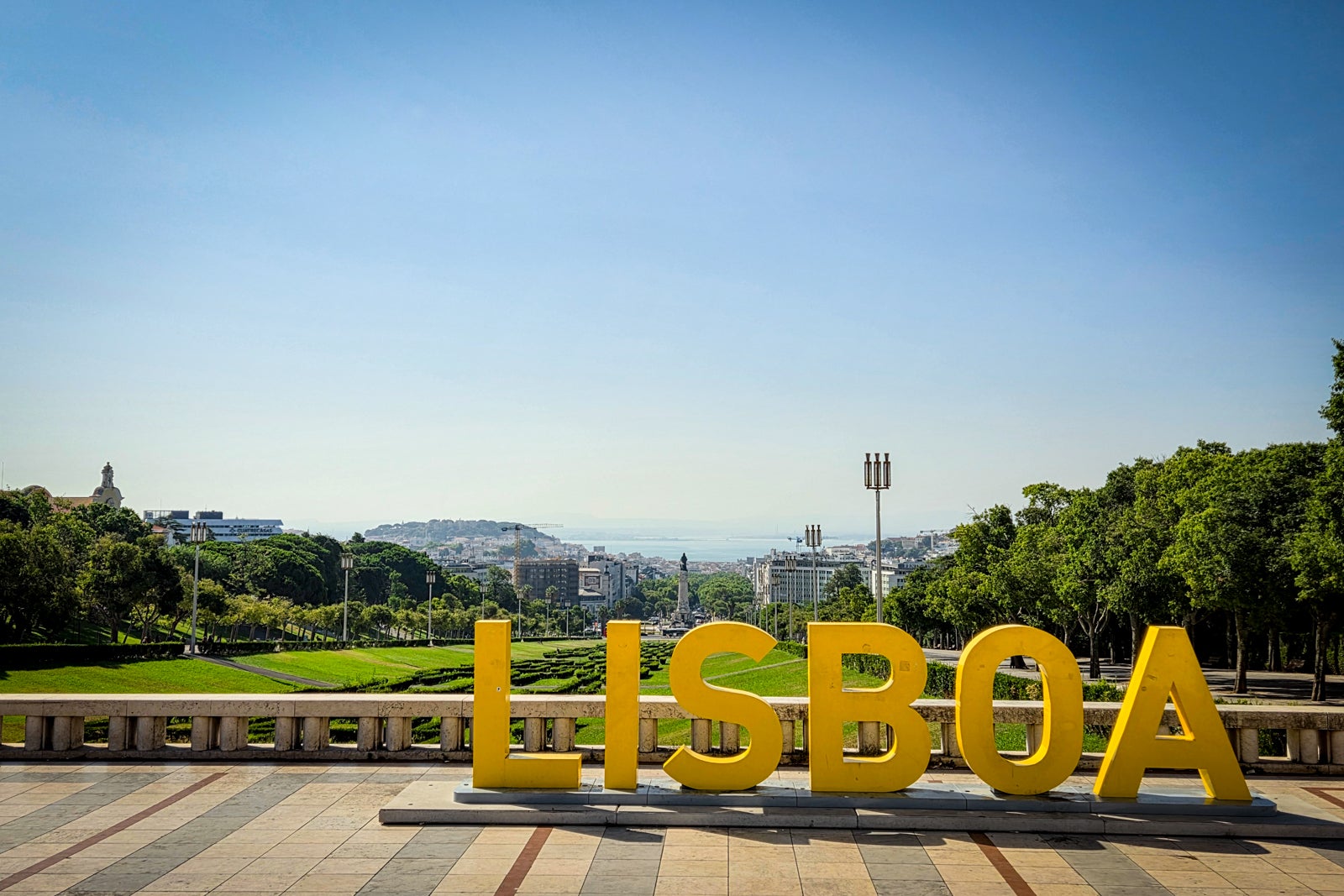
Compelled by a growing curiosity to understand the true essence of solo travel, I decided to step out of my comfort zone and book a weeklong immersion in Lisbon, Portugal. My goal was simple: to navigate a foreign city entirely on my own terms. This journey proved to be a profound learning experience that challenged my perceptions of autonomy, social anxiety, and the logistical advantages of flying solo. Through the lens of this Lisbon retreat, I discovered why solo travel is simultaneously more exhausting and more empowering than any other form of exploration, and how the strategic use of points and miles can transform a solitary trip into a masterclass in luxury and efficiency.
One of the most immediate realizations for any first-time solo traveler is that the physical and mental act of "traveling" becomes significantly more demanding. When you are part of a duo or a group, there is an inherent division of labor. One person might handle the navigation while the other monitors flight updates; one watches the luggage while the other finds a restroom. In solo travel, you are the sole stakeholder in every decision. You are 100% responsible for the success of the journey, which requires being constantly "on." There is no safety net for dozing off at a gate or misreading a sign in a foreign language. Even the simplest tasks, such as navigating a crowded airport terminal with your luggage in tow to find a bathroom stall large enough to accommodate both you and your bags, become logistical puzzles.

This heightened state of vigilance was particularly evident upon my arrival in Lisbon. After a long, sleepless transatlantic flight, the prospect of facing a Portuguese metro ticket machine can feel unexpectedly daunting. The cognitive load of processing new information—currency, language, and transit maps—is amplified when there is no partner to offer a second opinion or a moment of relief. However, as I navigated my way to my first hotel, the initial exhaustion was replaced by a burgeoning sense of empowerment. I realized that the obstacles I had feared were entirely manageable. This realization is the cornerstone of solo travel confidence: the understanding that you are capable of solving problems in real-time, without a co-pilot.
For many, the primary deterrent to solo travel is the fear of loneliness or the perceived awkwardness of being an introvert in a social world. As someone who identifies as fairly introverted, I shared these concerns. I worried about the optics of dining alone in a bustling European bistro or the self-consciousness of taking selfies in front of iconic landmarks like the Belém Tower. To my surprise, the reality was the exact opposite of my fears. While the logistical aspects of the trip were more draining, the actual experience of sightseeing and dining was infinitely more relaxing. Without the need to maintain conversation or accommodate a companion’s preferences, I found myself more present in each moment. Dining alone became an exercise in mindfulness, allowing me to focus on the flavors of the local cuisine and the ambiance of the city.

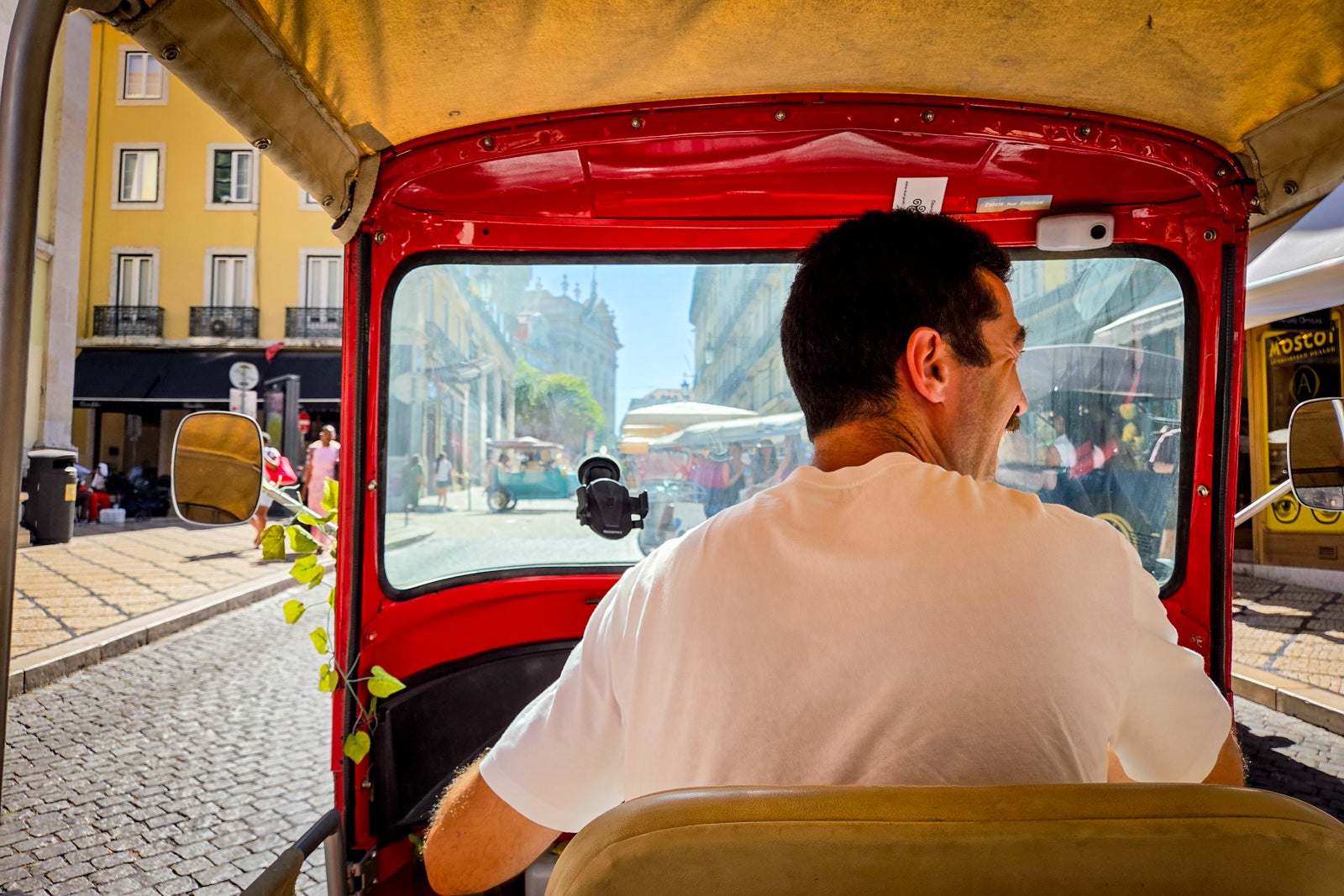
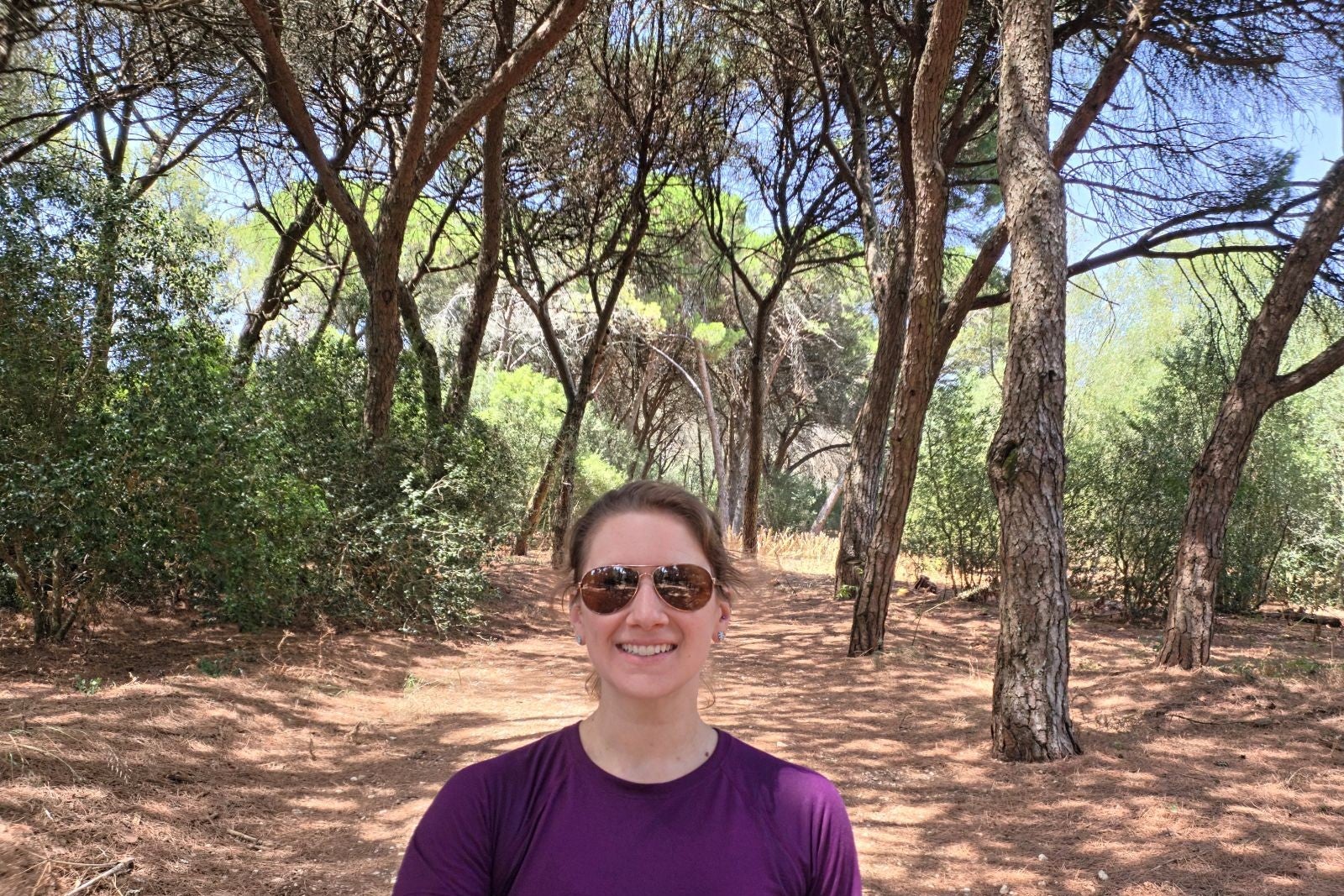
Furthermore, I discovered that being solo actually facilitated more meaningful social interactions. When I travel with my husband—who is much more talkative—I often retreat into his social shadow. Alone, I was forced to initiate small talk with restaurant servers and engage more deeply with my tuk-tuk guide, Eduardo. These micro-interactions provided a sense of connection without the exhaustion of sustained social obligation. By the end of the week, however, even an introvert’s social battery needs recharging. Recognizing this, I pivoted my itinerary to include a day of "urban hiking" in Monsanto Forest Park. Known as the "lungs of Lisbon," this massive park offered the perfect sanctuary of trees and birdsong, illustrating the ultimate beauty of solo travel: the ability to change plans on a dime to suit your internal state without having to consult or apologize to anyone else.
From a financial and logistical perspective, solo travel is a goldmine for enthusiasts of credit card points and airline miles. Finding award seat availability is notoriously difficult for couples or families, as airlines often release only one or two "saver" level seats at a time. When you are traveling as a party of one, the world of "epic" flight deals opens up. You need fewer points to reach your goal, and you can snag that last remaining business class seat that would be unavailable to a pair. While lodging can sometimes be more expensive for a solo traveler because you aren’t splitting the cost of a room, this is where loyalty programs truly shine. During my stay in Lisbon, I utilized points to stay at high-end properties like the Andaz Lisbon and The Vintage, effectively neutralizing the "solo supplement" and keeping my out-of-pocket expenses to a minimum.
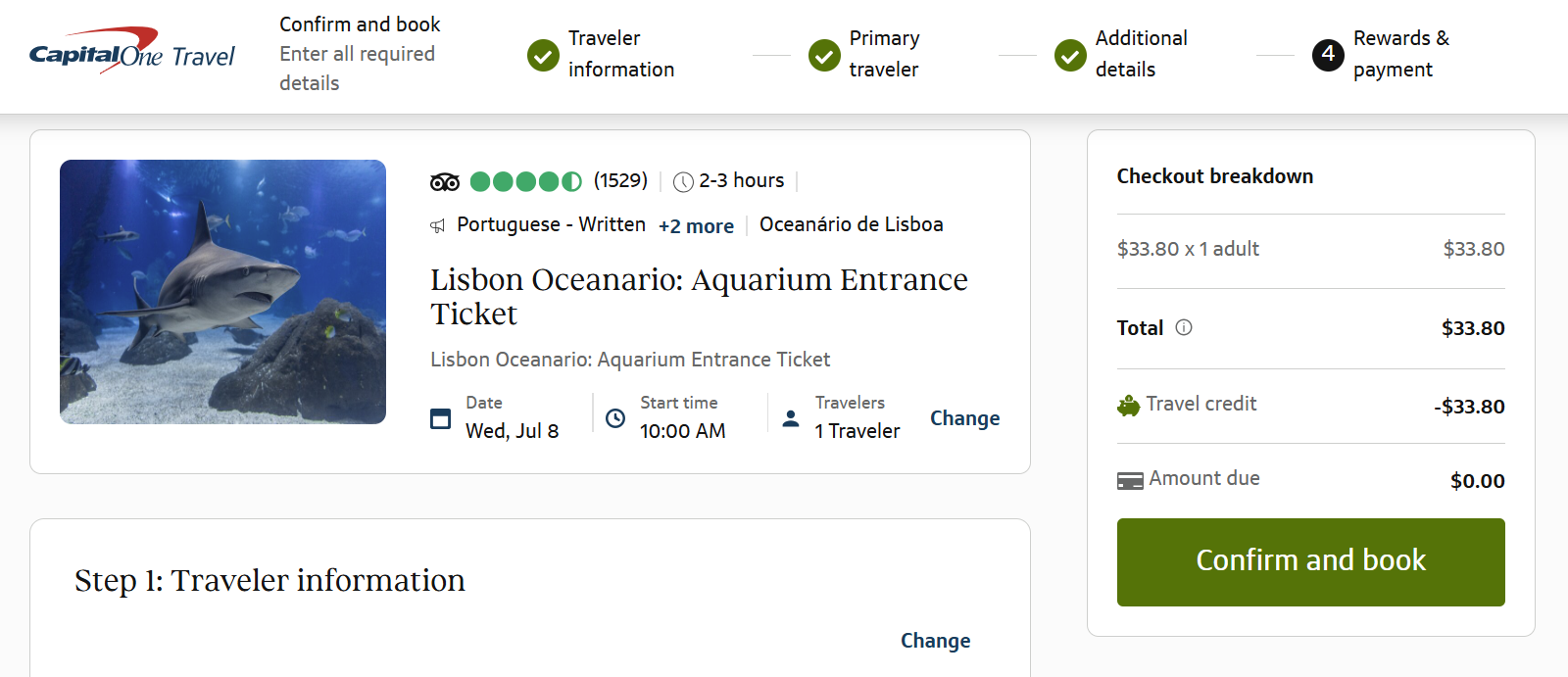
The benefits extended to local activities as well. By leveraging the annual $300 travel credit from my Capital One Venture X Rewards Credit Card, I found myself with a small leftover balance of $40—exactly enough to cover a single ticket to the Lisbon Oceanarium. This world-renowned facility, which houses a staggering array of marine life, would have cost double had I been traveling with a companion. Being solo allowed me to indulge my "inner fish nerd" at my own pace. While the website suggested a two-to-three-hour visit, I found that without the distractions of a group, I was able to see everything I wanted in just over an hour, leaving me with extra time to explore the vibrant street art and hidden bookstores of the surrounding Parque das Nações district.
The flexibility of solo travel also revolutionized my flight experience. On my return journey, I wanted to test TAP Air Portugal’s new "Economy Prime" cabin, which necessitated a positioning flight from Newark Liberty International Airport (EWR) to Denver (DEN). Because I was solo, I was able to book a United flight using just 15,000 Air Canada Aeroplan points—a transfer partner of American Express Membership Rewards—plus a small tax fee. The flight was scheduled for a late-night departure, which wasn’t ideal for my jetlag. However, because I only needed one seat, I was able to use the United app to put myself on the standby list for an earlier flight. Snagging a single seat on standby is infinitely easier than trying to find two or three. I successfully caught an earlier flight, allowing me to spend the day with family in New York and still get home to Denver at a reasonable hour. This kind of spontaneous, high-stakes logistical maneuvering is only possible when you are untethered from the needs and schedules of others.
If there is one downside to the solo experience, it is the burden of decision-making. In my attempt to create a "relaxing" retreat, I deliberately left much of my schedule open. I assumed that with only myself to please, choices would be easy. Instead, I fell victim to the "paradox of choice." Without a partner to act as a sounding board or to occasionally take the lead, I found myself agonizing over dinner options or daily itineraries in my hotel room. This "decision fatigue" was the most stressful part of the trip. In the future, I would likely pre-plan a few more "anchor" activities to provide a skeleton for the week, reducing the mental energy required to decide what to do next.
Ultimately, Lisbon proved to be the perfect laboratory for this experiment. European cities, in general, are exceptional candidates for solo travelers. They offer robust public transportation, high levels of English proficiency, and a safe environment for wandering. Lisbon’s unique geography—its seven hills, its historic trams, and its proximity to the Atlantic—provides a backdrop that is both stimulating and accessible. Whether it’s the lively pub scenes of London and Dublin or the museum-heavy streets of Paris and Amsterdam, the infrastructure of Europe supports the solitary explorer.
My week in Lisbon taught me that while sharing a journey with loved ones remains my favorite way to see the world, the lack of a companion should never be a barrier to exploration. Solo travel is not just about seeing a new city; it is about seeing yourself in a new light. It is an empowering, rewarding, and deeply personal way to travel that fosters a unique kind of resilience. I returned home not just with memories of fado music and pastéis de nata, but with the confidence that I can navigate any airport, any metro system, and any language barrier on my own. I am already eyeing my next destination—and this time, I won’t be waiting for anyone else to say "yes."
