
 By admin
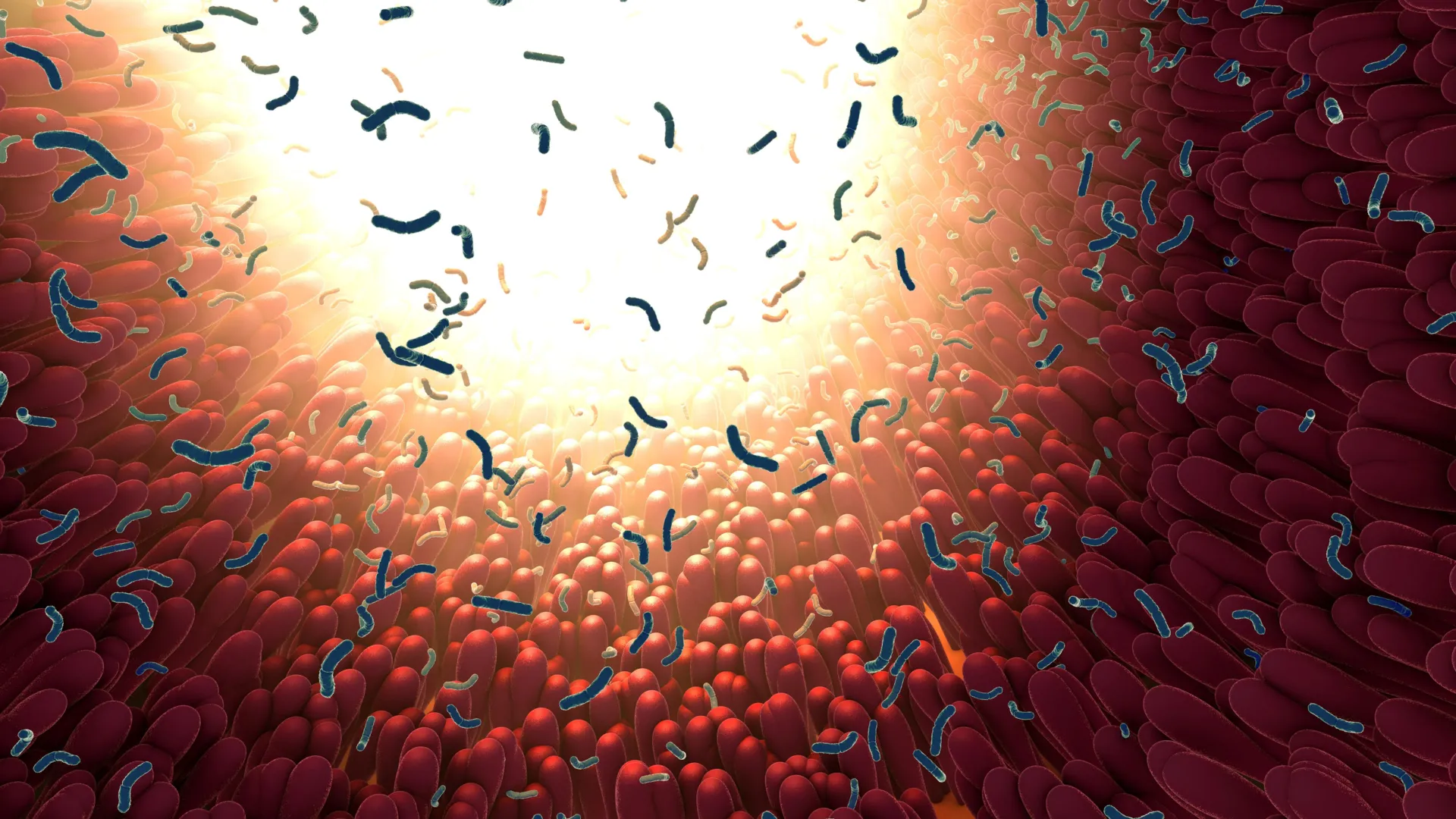
The study’s findings illuminate that differences in the composition and diversity of gut bacterial communities accounted for approximately 15% of the observed variation in participants’ biological aging rates. This percentage, while not exhaustive, is remarkably substantial, considering the multitude of genetic, environmental, and lifestyle factors that influence aging. It strongly suggests that the gut microbiome—a sprawling and dynamic community of trillions of microorganisms residing within our digestive system—is not merely a passive bystander in our health, but an active participant that may offer profound insights into the molecular mechanisms underpinning aging.
"This study represents a pivotal advancement in our understanding of the intricate relationship between the gut microbiome and biological aging," stated senior author Alika K. Maunakea, a distinguished researcher at the UH Mānoa John A. Burns School of Medicine. "We meticulously observed that distinct microbial patterns within the gut were significantly associated with sophisticated molecular measures of aging, and importantly, these associations held true independently of an individual’s chronological age. These compelling findings not only deepen our knowledge but also pave critical new avenues for investigating how modifiable biological systems, such such as the gut microbiome, exert their influence on long-term health trajectories and ultimately, on human longevity."
To embark on this ambitious investigation, the research team meticulously collected and analyzed stool and blood samples from a cohort of 123 adults, encompassing a broad spectrum of ages and diverse backgrounds. The stool samples served as a rich reservoir for identifying the myriad bacterial species populating each participant’s gut, providing a detailed snapshot of their unique microbial fingerprint. Concurrently, the blood samples were subjected to rigorous analysis using advanced molecular markers specifically designed to estimate the body’s intrinsic rate of aging.
It is crucial to differentiate these "biological measurements" from chronological age, which is simply a count of years lived. Biological aging, in contrast, delves into the physiological wear and tear accumulating within the body, reflecting how quickly age-related changes are manifesting at a cellular and molecular level. This distinction is paramount, as two individuals of the same chronological age can possess vastly different biological ages, indicating varying levels of health and susceptibility to age-related diseases. The researchers employed DunedinPACE (Pace of Aging Calculated from the Epigenome), an advanced and highly validated biomarker developed from the longitudinal Dunedin Study, which offers a dynamic measure of the speed at which an individual is aging, rather than just a static snapshot. This sophisticated tool allowed the team to discern subtle yet significant differences in aging rates among participants and correlate them with their unique gut microbiome profiles.
The investigation yielded particularly striking results concerning specific bacterial species and their strong associations with aging outcomes. Among the multitude of microbes identified, Bifidobacterium adolescentis emerged as one of the species most robustly associated with slower biological aging. This finding resonates with a growing body of research highlighting the beneficial roles of the Bifidobacterium genus, often recognized for its probiotic properties. Bifidobacterium adolescentis is known to be a prominent resident of a healthy human gut, particularly adept at fermenting complex carbohydrates (prebiotics) into beneficial short-chain fatty acids (SCFAs) like acetate and lactate. These SCFAs play crucial roles in maintaining gut barrier integrity, modulating immune responses, and exerting anti-inflammatory effects throughout the body. A strong gut barrier prevents the leakage of bacterial toxins into the bloodstream, a phenomenon known as "leaky gut," which can trigger chronic low-grade inflammation, a hallmark of accelerated aging (often termed "inflammaging"). The presence of Bifidobacterium adolescentis therefore suggests a microbial environment conducive to reduced systemic inflammation and enhanced metabolic health, both critical factors in decelerating the aging process.
Conversely, Succinivibrio dextrinosolvens was identified as showing one of the strongest associations with faster biological aging. While less is known about the direct mechanisms through which this specific bacterium might influence aging, its association points towards a potential role in gut dysbiosis or metabolic pathways that could contribute to accelerated physiological decline. Further research will undoubtedly be required to elucidate the exact functions and implications of Succinivibrio dextrinosolvens in the context of human aging. Nevertheless, these stark differences underscore the notion that particular patterns of gut bacteria offer invaluable information about the pace at which the body is aging, opening new avenues for diagnostic and potentially therapeutic interventions.
Lead author Braden P. Kunihiro emphasized that this discovery significantly augments the accumulating evidence suggesting that the gut microbiome holds a pivotal role in the burgeoning field of precision health research. This field aims to move beyond a one-size-fits-all approach to medicine, striving instead to understand individual differences in health and disease risk to tailor more effective prevention and treatment strategies. The gut microbiome’s inherent responsiveness to various external and internal factors makes it an exceptionally intriguing area of investigation for scientists dedicated to unraveling the mysteries of healthy aging.
Unlike chronological age, which is an immutable number, the composition and activity of the gut microbiome are remarkably plastic and can undergo substantial changes in response to a myriad of everyday influences. These include dietary choices, lifestyle habits, environmental exposures, and even stress levels. This dynamic nature positions the microbiome as a prime target for interventions aimed at promoting healthier aging. "Our findings strongly suggest that the microbiome may accurately reflect important aspects of biological resilience and aging in ways that could eventually help inform future wellness and healthy aging strategies," Kunihiro articulated. This implies that by understanding and potentially manipulating the gut microbiome, we might be able to enhance the body’s ability to resist age-related decline and maintain vitality for longer.
A notable and commendable aspect of this research was the inclusion of Native Hawaiian and Pacific Islander participants. These groups have historically faced significant underrepresentation in biomedical studies, particularly in areas like aging and gut microbiology. Their inclusion is critical for ensuring that scientific findings are broadly applicable and do not perpetuate health disparities by solely focusing on populations of European descent. Co-author Ruben Juarez highlighted that incorporating these diverse populations is instrumental for scientists to investigate how unique social circumstances, historical contexts, and environmental conditions can leave lasting biological imprints over the course of an individual’s life.
"The microbiome exists at the crucial intersection of behavior, environment, and human biology," Juarez elaborated. "Studies of this nature are vital in illuminating potential pathways through which lived experiences, societal factors, and environmental stressors collectively influence long-term health outcomes. By including diverse populations, we gain a more comprehensive and equitable understanding of how these factors contribute to biological aging and health disparities." This inclusive approach ensures that the insights gained are relevant to a wider global population and can inform culturally sensitive health interventions.
While the findings unequivocally reveal a meaningful and robust relationship between specific gut bacteria and biological aging, the researchers responsibly stressed a crucial caveat: the study establishes correlation, not causation. In simpler terms, observing certain microbes in individuals who exhibit slower aging does not automatically mean that those particular bacteria are directly responsible for slowing the aging process. It is plausible that both the beneficial microbial composition and the slower aging rate are influenced by a common underlying factor, such as a healthy lifestyle, genetics, or a combination thereof.
Therefore, the next frontier in this line of research will involve rigorous, long-term studies designed to definitively determine whether deliberately altering the gut microbiome can indeed influence biological aging and improve overall long-term health outcomes. These future investigations might involve clinical trials exploring the effects of targeted probiotic or prebiotic supplementation, dietary interventions, or even fecal microbiota transplantation (FMT) on biological aging markers. Researchers will also need to delve deeper into the precise molecular mechanisms by which beneficial bacteria like Bifidobacterium adolescentis exert their anti-aging effects, perhaps by modulating specific metabolic pathways, reducing oxidative stress, or enhancing cellular repair processes.
Despite the need for further mechanistic and interventional studies, these initial findings offer a profoundly promising starting point. They open up an exciting new chapter in exploring how the vast community of microorganisms residing within us relates to the complex process of aging. More importantly, they lay the groundwork for a future where understanding and potentially manipulating the gut microbiome could guide more personalized, effective, and proactive approaches to healthy aging.
"This research marks an important early step toward a comprehensive understanding of the gut microbiome’s intricate relationship with healthy aging," Maunakea concluded. "Future research endeavors will be instrumental in clarifying the exact mechanisms involved and in determining whether these specific microbial signatures can eventually contribute to precision approaches for promoting long-term health and enhancing overall wellness. The prospect of leveraging our internal microbial partners to extend healthspan and improve quality of life is an exciting and tangible goal." This emerging field promises to revolutionize our understanding of aging, offering hope for innovative strategies to not just extend lifespan, but to enrich the quality of those added years, fostering a future where healthier aging is within reach for more individuals.
