
 By admin
Whether you are financing the elegant wedding of your dreams, replacing an aging roof before the rainy season, upgrading to a high-performance laptop for a new business venture, or managing a sudden and significant medical bill, a large purchase represents more than just a financial obligation; it is a prime opportunity to extract substantial value from the credit card ecosystem. In the world of personal finance, a "large purchase" is generally defined as any expense that exceeds your typical monthly discretionary spending, often ranging from $1,000 to $50,000 or more. Approaching these expenses with a calculated strategy can yield rewards that far outweigh the initial cost, effectively providing a "discount" through travel miles, cash back, or robust insurance protections.

The right credit card selection can be the difference between a simple transaction and a windfall of benefits. For some, the priority is a lucrative welcome bonus that can jumpstart a luxury vacation. For others, the focus is on financial flexibility through a 0% introductory annual percentage rate (APR), allowing for the cost to be amortized over a year or more without interest. Furthermore, high-value items like electronics or jewelry benefit from purchase protection and extended warranty coverage, which act as a secondary insurance policy. Before committing a significant sum to a single swipe, it is essential to conduct a comprehensive audit of your financial goals and the specific benefits offered by the top-tier cards currently on the market.
Choosing the best credit card for a large purchase requires a nuanced understanding of four critical questions. First, are you currently in a position to earn a new welcome bonus? If you are planning to spend several thousand dollars, this is often the most efficient way to maximize your return on investment. Many of the industry’s best travel rewards cards require a minimum spending threshold—often between $3,000 and $15,000—within the first three to six months of account opening. By timing your large purchase with a new application, you can easily meet these requirements and unlock bonuses worth hundreds or even thousands of dollars in travel value. According to industry data, the "return on spend" for a new welcome bonus can often exceed 20%, whereas standard rewards rates hover around 1.5% to 2%.

Second, you must determine if you need time to pay off the purchase. While the primary rule of savvy credit card usage is to pay the balance in full every month to avoid high interest rates, certain life events necessitate financing. In these instances, a card offering a 0% introductory APR is significantly more valuable than any points or miles. If you carry a balance on a standard rewards card with a 20% to 25% APR, the interest charges will quickly evaporate the value of the rewards earned. However, if you have the cash on hand and can pay the balance immediately, you should prioritize cards with the highest reward multipliers or the best sign-up offers.
Third, consider the inherent value of purchase protection and extended warranty benefits. For a $3,000 OLED television or a $5,000 engagement ring, the peace of mind provided by a credit card’s insurance can be worth more than the points earned. Purchase protection typically covers theft or accidental damage for the first 90 to 120 days after the transaction. Extended warranty benefits usually add an additional year to the manufacturer’s warranty. Not all cards offer these features; many "no-annual-fee" cards have stripped these benefits in recent years, making premium cards with annual fees more attractive for high-ticket items.
Finally, evaluate whether the purchase falls into a specific bonus category. While most large expenses like home repairs or medical bills fall into the "everything else" category, some—such as large catering bills for a wedding or high-end office equipment—might trigger 3x or 4x multipliers on specific cards. If the purchase does not fit a category, a card with a strong flat earning rate, such as 2% cash back or 2 miles per dollar, is the mathematically superior choice.
When examining the current landscape of credit products, the Capital One Venture Rewards Credit Card stands out as the best overall option for general large purchases. With a manageable $95 annual fee, the card simplifies the rewards process by offering at least 2 miles per dollar on every purchase. This is particularly beneficial for expenses that defy categorization, such as contractor fees or dental work. The current welcome offer allows new cardholders to earn 75,000 bonus miles after spending $4,000 within the first three months. When redeemed through Capital One’s 15-plus transfer partners, these miles can be used for international business-class flights, or they can be redeemed at a fixed value of one cent per mile to "erase" travel purchases from your statement.
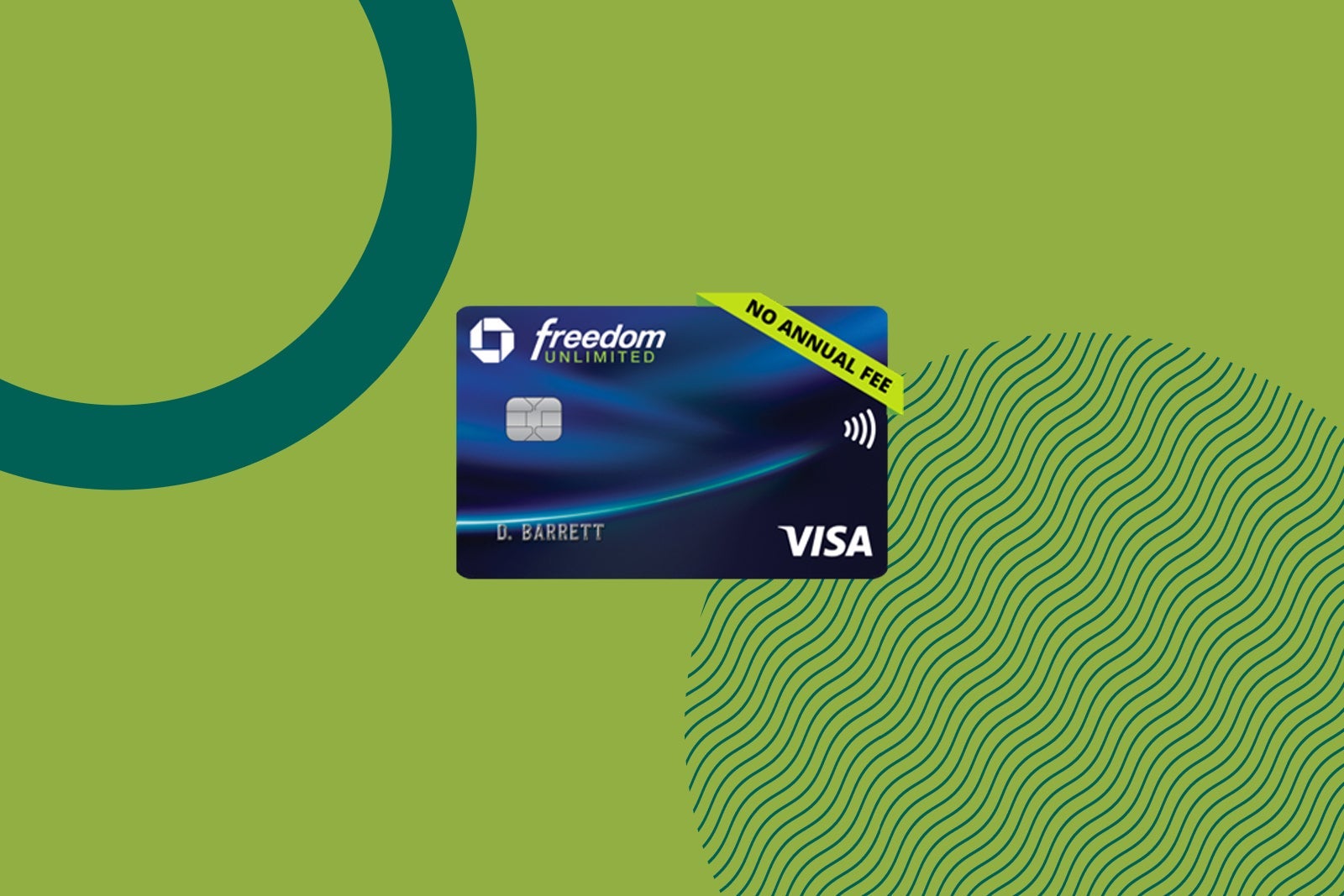
For those who prioritize cash flow and financing, the Chase Freedom Unlimited is a top-tier contender. Despite having no annual fee, it offers a robust 1.5% base earning rate on all purchases. Its primary draw for large expenses is the 15-month 0% introductory APR period. This allows a consumer to put a $10,000 HVAC system on the card and pay it off in monthly installments of approximately $667 without accruing a penny in interest. Additionally, if the cardholder also possesses a premium Chase card like the Sapphire Preferred, the "cash back" earned can be converted into Ultimate Rewards points, which are transferable to partners like United Airlines and Hyatt Hotels, significantly increasing their value.
The Citi Double Cash Card remains the gold standard for pure cash-back enthusiasts. Its "1% when you buy, 1% when you pay" model ensures a flat 2% return on all spending. For a $20,000 home renovation, this results in $400 of pure profit. The card is straightforward, lacks an annual fee, and recently added a welcome bonus of $200 after a $1,500 spend, making it an accessible entry point for those who want to avoid the complexities of travel loyalty programs.
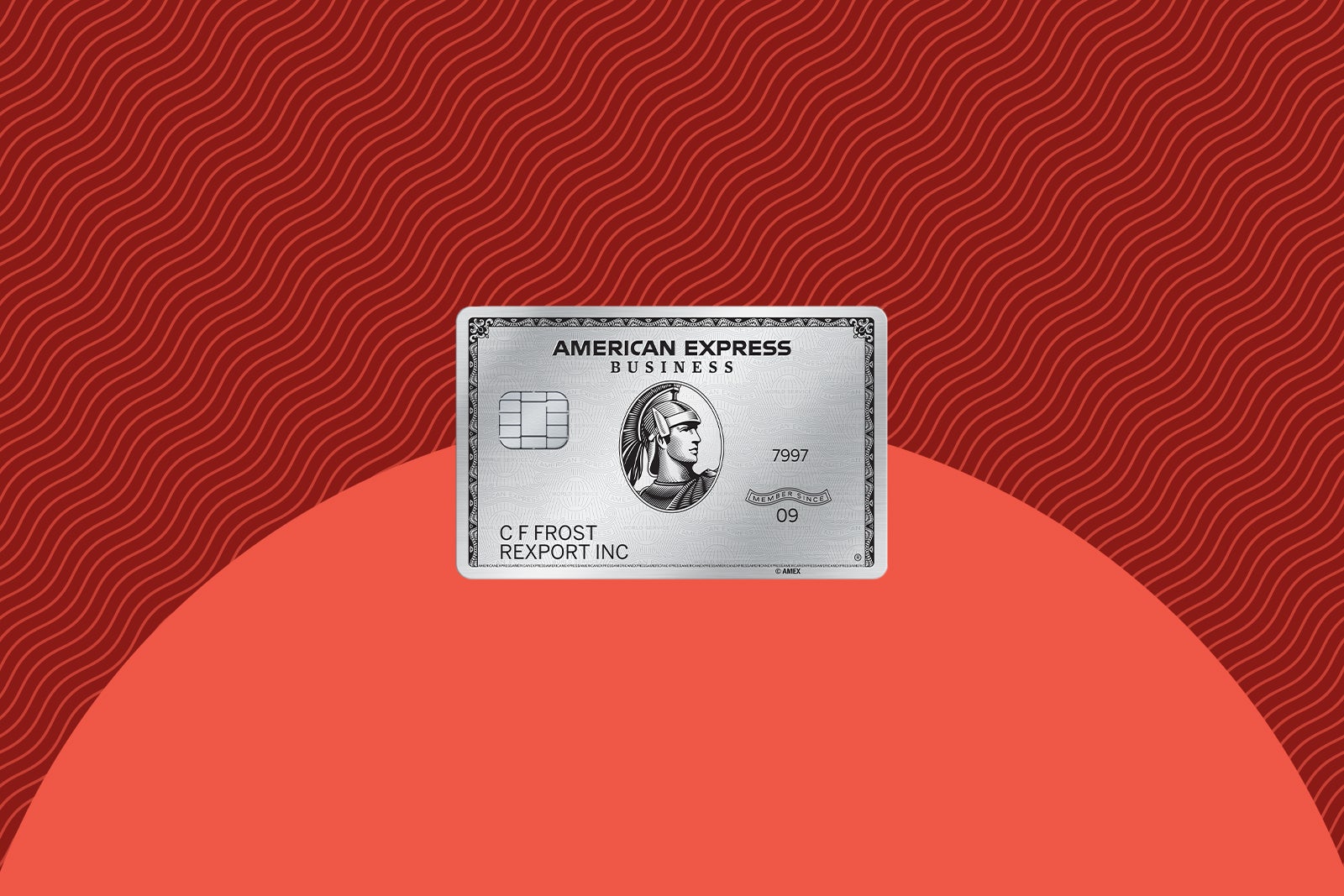
In the realm of business spending, the landscape shifts toward even higher rewards and higher spending requirements. The Business Platinum Card from American Express is designed for the heavy spender. It offers a unique 1.5x multiplier on eligible purchases of $5,000 or more (on up to $2 million per year), effectively providing a 3% return based on expert valuations. For a business owner purchasing $50,000 in inventory, the points earned could fund multiple domestic flights or a luxury hotel stay. The card also features some of the industry’s best purchase protection and extended warranty terms, covering items up to $10,000 per occurrence.
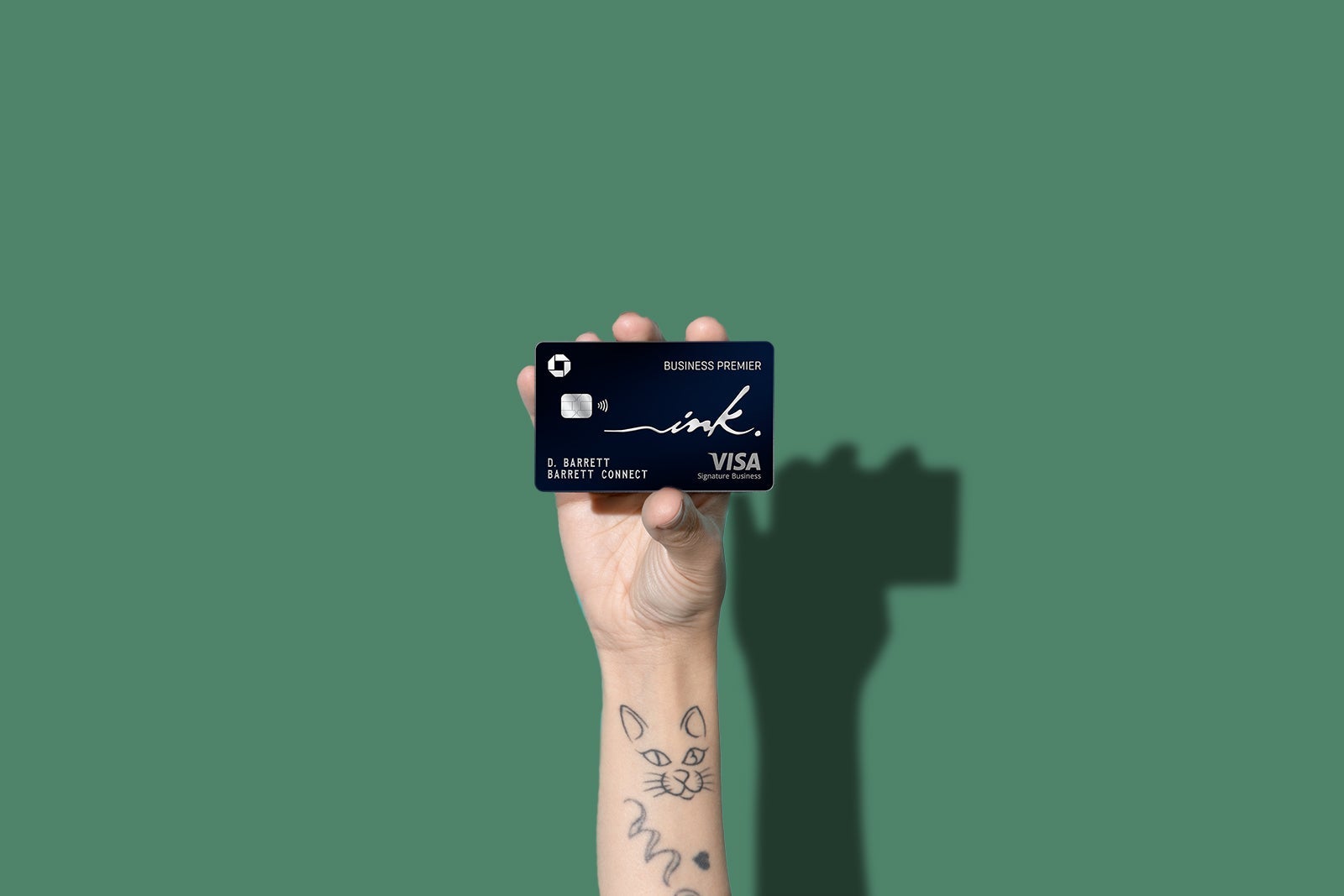
Similarly, the Ink Business Premier Credit Card from Chase targets businesses with massive operating expenses. It offers an uncapped 2.5% cash back on every purchase of $5,000 or more and 2% on everything else. This makes it perhaps the most lucrative "large purchase" card for those who prefer cash over travel miles. However, it is important to note that the rewards on this specific card cannot be transferred to travel partners, making it a dedicated cash-back tool.
For consumers focused on protecting their investments, the American Express Gold Card offers a compelling mix of rewards and security. While its 4x multipliers are famous for dining and groceries, its purchase protection is among the most reliable in the industry, covering theft and accidental damage for up to 90 days. For someone buying high-end photography equipment or a designer wardrobe, the $325 annual fee is easily justified by the insurance coverage alone.
Finally, the Capital One Venture X Business is the premier choice for large-scale business travel expenses. With a massive welcome offer of 150,000 miles after a $30,000 spend, it is perfectly suited for a business undergoing a significant expansion or a major equipment overhaul. The card earns 10x miles on hotels and rental cars booked through Capital One Travel, making it a powerhouse for companies with high travel requirements.

To truly maximize a large purchase, one must look beyond the card’s base rewards and explore "stacking" opportunities. This involves using Amex Offers or Chase Offers, which are merchant-specific discounts found in the card’s mobile app. For example, you might find an offer for 5% back at a major electronics retailer or a $100 statement credit for a specific hotel chain. By activating these before making a large purchase, you add another layer of savings. Furthermore, online shopping portals like Rakuten or airline-specific malls allow you to earn additional points or cash back on top of what your credit card provides. For an online purchase of a $3,000 computer, stacking a 2% card rate with a 5% Rakuten rate can result in $210 in total rewards.
Another advanced strategy involves using large purchases to hit "spend thresholds" for elite status or extra benefits. Some cards, like the British Airways Visa Signature, offer a "Travel Together Ticket" after $30,000 in annual spend. Others might offer a waiver for the spending requirement needed to reach airline elite status. A single large purchase, such as a $15,000 wedding venue deposit, could solve half of that requirement in a single day.

In conclusion, a large purchase should never be viewed as a mere expense, but rather as a strategic lever to improve your financial or travel life. By carefully selecting a card that aligns with your need for either a massive welcome bonus, interest-free financing, or high-end purchase insurance, you can turn a necessary cost into a significant gain. The key is to plan ahead, understand the fine print of your card’s benefits, and always ensure you have a clear path to paying off the balance to keep those hard-earned rewards in your pocket. As the credit card market continues to evolve with higher bonuses and more specialized perks, the consumer who does their homework will always come out ahead.
