
 By Titik Puspa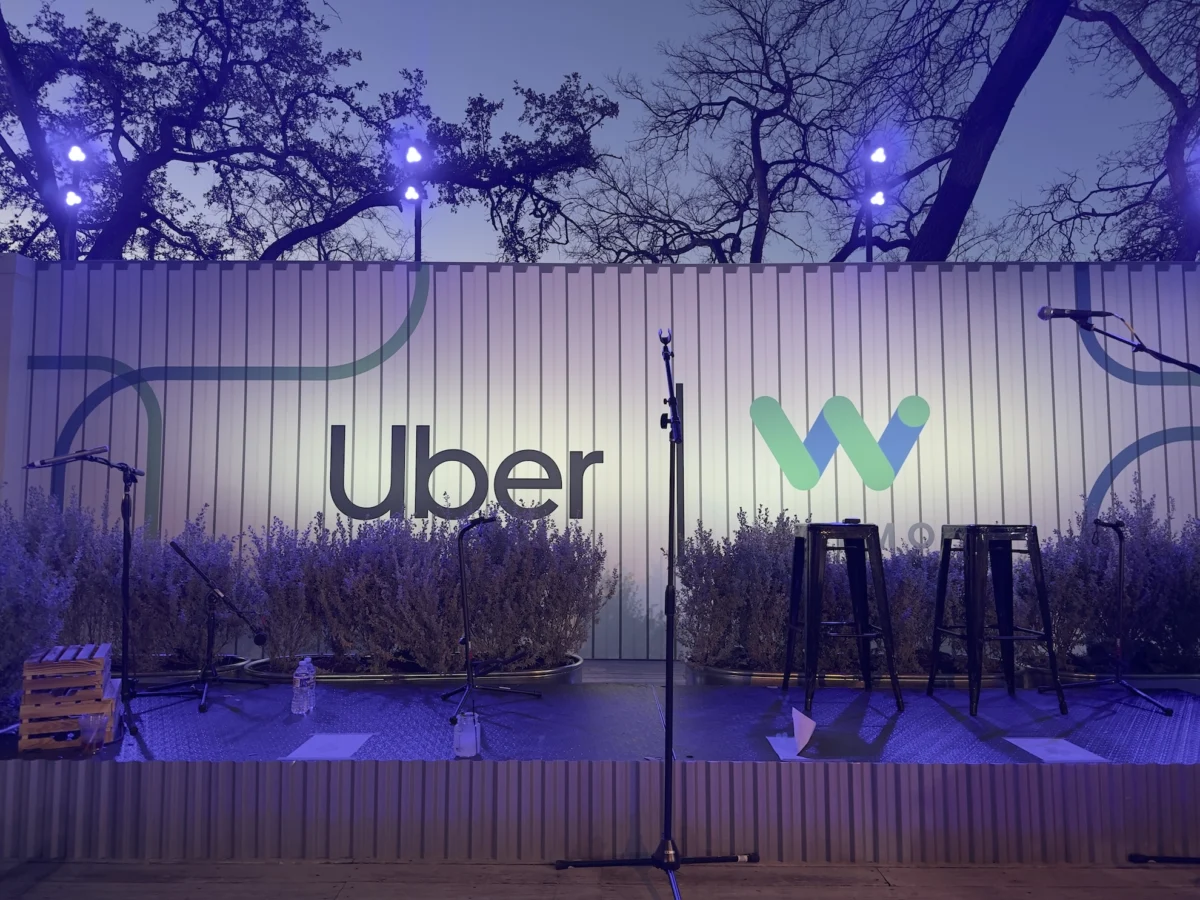
The burgeoning landscape of autonomous vehicle (AV) policy in Washington D.C. has become a battleground, pitting former allies Uber and Waymo against each other. This conflict, playing out behind closed doors and in public forums, highlights the deep divisions within the AV industry regarding how these technologies should be integrated into our cities. As the D.C. Council deliberates on a proposed bill to permit AV operations within the district, Uber’s aggressive lobbying efforts reveal a strategic maneuver aimed at shaping the future of ride-hailing and potentially hindering its competitor, Waymo.
Sources close to the matter and a review of correspondence submitted to the D.C. Council by Uber paint a clear picture: the ride-hailing giant is actively opposing the current bill, arguing it would create a de facto monopoly for Waymo and displace thousands of human drivers. Uber’s proposed alternative is a "hybrid" model, advocating for robotaxis to operate on ride-hailing networks alongside human drivers. This proposition, however, is viewed by industry insiders as having a slim chance of becoming law. If enacted, it would force AV developers like Waymo into a difficult position: either integrate their expensive, highly developed robotaxi fleets onto existing ride-hailing platforms like Uber’s, or invest further in employing human drivers to coexist with their autonomous vehicles.
The gravity of these policy decisions was underscored by a recent D.C. Council hearing that drew a diverse crowd. Representatives from Lyft, Tesla, Uber, and Waymo shared the stage with numerous disability rights and accessibility advocates, local business and industry groups, highway safety organizations, government officials, labor unions, and think tanks. The testimony and subsequent private discussions revealed a significant schism. Waymo, having already conducted extensive testing with human safety operators in D.C. and meeting the proposed bill’s stringent requirements, appears to be the primary beneficiary of the current legislation. The company has reportedly surpassed the 180-day, 250,000-mile mandatory testing threshold, potentially granting it a six-month head start should the bill pass as is.
In stark contrast, many other AV developers, including Tesla, voiced strong objections to several key provisions within the D.C. bill. India Herdman, Tesla’s senior policy advisor, articulated concerns shared by multiple AV companies regarding the 180-day, 250,000-mile mandatory testing requirement, the substantial application fee of $1 million, the $5 million permit fee, and a proposed $0.15-per-mile tax. These companies argue that testing miles accumulated in other jurisdictions should be recognized, allowing them to leverage prior investments and accelerate their deployment timelines. The current framework, they contend, is overly burdensome and potentially protectionist, favoring established players who have already met these benchmarks within the district.
Uber’s opposition, however, extends beyond technical testing requirements. The company’s core argument centers on preserving the livelihoods of human drivers. By pushing for a mandate that requires robotaxis to operate within existing ride-hailing networks, Uber aims to maintain its relevance and potentially control the integration of AVs into the transportation ecosystem. This strategy positions Uber as a protector of the gig economy workforce, while simultaneously leveraging its existing platform and driver network. It’s a calculated move that could stifle innovation for competitors like Waymo, forcing them to either cede control of their operational deployment or face significant financial and logistical hurdles.
The broader implications of this D.C. legislation and the industry’s response resonate far beyond the capital. The debate touches upon fundamental questions about the future of urban mobility, the role of AI in transportation, and the economic impact on a workforce heavily reliant on driving for a living. The proposed bill, designed to establish a framework for AV operations, has inadvertently exposed the conflicting interests and strategic priorities of major players in the autonomous vehicle space.

Beyond the regulatory battles, the mobility sector continues to witness significant financial activity and strategic shifts. Uber, in a move that solidifies its dominance in the ride-hailing and delivery market, has agreed to acquire Germany’s Delivery Hero for a staggering $14.8 billion. This monumental deal, pending regulatory approval, promises to nearly double Uber’s global delivery footprint, extending its reach into approximately 100 new markets across Europe, the Middle East, Latin America, and Asia. As part of this transaction, Delivery Hero will also divest its business in 14 markets where Uber Eats already operates, selling these segments to SSW Partners for $1.6 billion. This aggressive expansion strategy underscores Uber’s commitment to diversifying its revenue streams and leveraging its technological infrastructure for a wider range of on-demand services.
In the realm of vehicle inspection, San Diego-based startup Self Inspection has secured $10 million in funding, led by the family office of Sheryl Sandberg. Strategic investments from tire distributor U.S. AutoForce and automotive lender Westlake Financial, along with participation from early-stage funds Costanoa Ventures, Rebellion Ventures, and BrightCap Ventures, signal strong confidence in the company’s mission to revolutionize the vehicle inspection process through AI-powered solutions.
Meanwhile, Senra, a startup focused on modernizing the manufacturing of wire harnesses, has raised $65 million in a Series B funding round. Co-led by Lowercarbon and Interlagos, with significant contributions from prominent venture capital firms like General Catalyst, Sequoia Capital, Andreessen Horowitz, and Founders Fund, this investment highlights the growing interest in optimizing the production of critical automotive components.
In the Indian market, fast-delivery company Zepto is reportedly exploring an initial public offering (IPO) with a valuation significantly lower than its previous peak of $7 billion. Citing anonymous sources, Bloomberg reported that the company is adjusting its valuation expectations to navigate the current market conditions for its public debut.
The evolving automotive landscape also presents notable developments and tidbits of information. Chip Motors, a Miami-based startup, has unveiled a compact, low-speed electric vehicle designed for short errands and family use, incorporating rudimentary automated driving capabilities. This move suggests a growing segment of the market focused on micro-mobility and specialized urban transportation.
In a move that has drawn attention to civil liberties and privacy concerns, the Los Angeles Police Department is reportedly allowing its contract with Flock Safety to expire. Flock Safety, a surveillance company that utilizes a vast network of license plate cameras, has faced scrutiny over its potential impact on privacy and civil liberties.
Lucid Motors has forcefully refuted a report suggesting the electric vehicle maker was contemplating Chapter 11 bankruptcy. The company, its CEO, and official filings with the U.S. Securities and Exchange Commission have all categorically denied the rumors, which had previously sent the company’s stock plummeting by over 50%. The stock has since shown resilience, recovering to a level approximately 28% higher than before the significant drop.

Lyft’s CEO, David Risher, has characterized his company as the "Good Uber," a statement that subtly positions Lyft as a more ethical or customer-friendly alternative in the competitive ride-hailing market, as reported by Wired.
The traditional manual transmission vehicle is rapidly becoming a relic of automotive history. Preliminary government data for 2025 indicates that a mere 0.6% of new vehicles manufactured for the U.S. market were equipped with stick shifts, according to The Washington Post. This trend raises questions about the future of driving enthusiasts and the diminishing availability of a once-standard feature.
In a concerning incident, the National Transportation Safety Board (NTSB) confirmed that the driver of a Tesla involved in a fatal crash in June had intentionally pressed the accelerator pedal to its maximum capacity, overriding the vehicle’s Full Self-Driving (Supervised) software. This finding underscores the critical role of driver engagement and responsibility, even with advanced driver-assistance systems.
San Francisco Mayor Daniel Lurie has called for stricter regulations on autonomous vehicles, prompted by a recent incident where Waymo robotaxis became inoperable during heavy July 4 traffic, causing further gridlock and disrupting city operations. Lurie has outlined four key requirements he believes are necessary to ensure robotaxi companies can "perform reliably" during exceptional circumstances, emphasizing the need for greater accountability and preparedness.
SpaceX experienced an abrupt abort of its second Starship V3 launch attempt on Thursday. The booster ignited at the company’s South Texas facility, but the launch was halted moments later, indicating ongoing challenges in perfecting the reliability of its next-generation rocket system.
Zoox has issued a software recall following an incident where one of its robotaxis became disoriented by heavy smoke emanating from an emergency fire scene in June. This recall highlights the need for AV systems to be robust enough to handle unexpected and potentially hazardous environmental conditions.
In a candid discussion, Uber Chief Product Officer Sachin Kansal shared insights with TechCrunch Editor-in-Chief Connie Loizos on the Strictly VC podcast. The conversation delved into the future of travel, the potential of AI agents, and Uber’s complex positioning in the ongoing robotaxi race. An interview transcript is also available for those who prefer to read the detailed Q&A.
