
 By admin
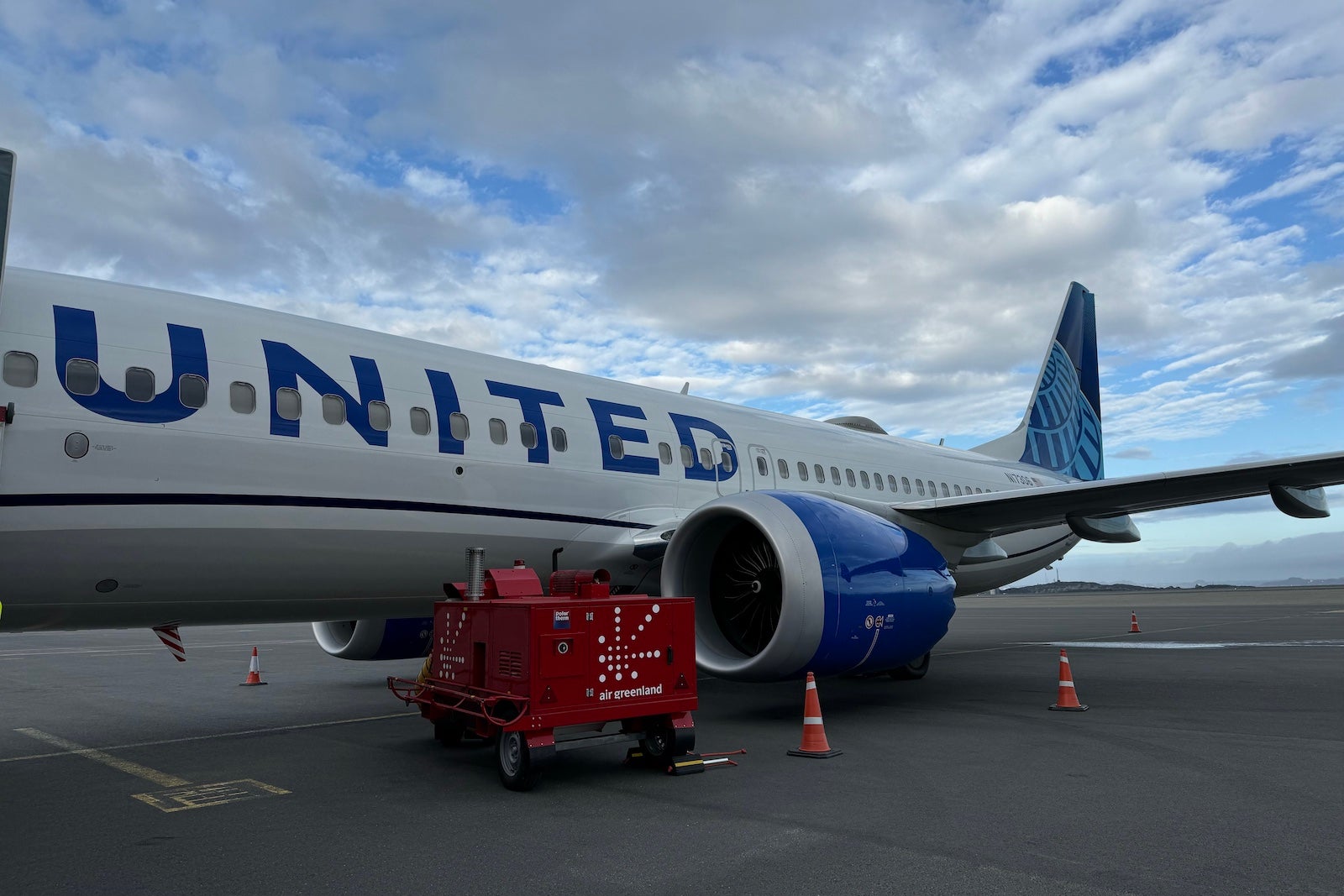
The crown jewel of this announcement is the return of United’s service to Nuuk, Greenland. When the airline first announced it would fly to the Arctic territory, it sent shockwaves through the aviation world. Traditionally, Greenland has been the exclusive domain of regional carriers like Air Greenland and Icelandair, often requiring tedious connections through Copenhagen or Reykjavik. By leveraging its Newark Liberty International Airport (EWR) hub, United has successfully tapped into a niche but growing market of "adventure travelers" and high-net-worth individuals seeking destinations that remain untouched by mass tourism. The flight to Nuuk is more than just a route; it is a statement of intent. It utilizes the Boeing 737 MAX 8, an aircraft whose range and efficiency allow United to serve "long and thin" routes that were previously economically unviable for a major U.S. network carrier.
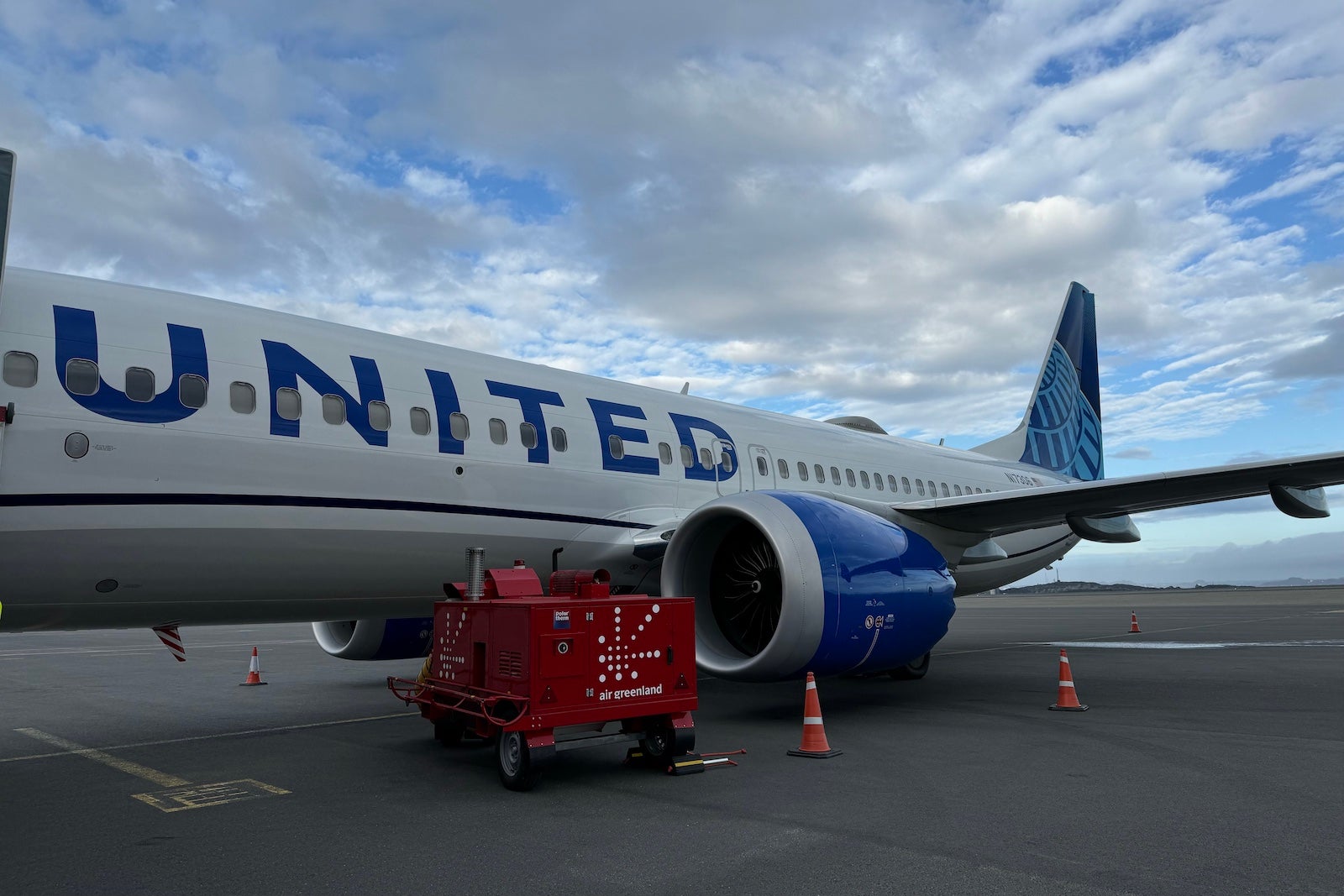
Quayle’s confirmation that "everything is coming back" extends far beyond the icy fjords of the North. United is doubling down on its "off-the-beaten-path" philosophy, which has seen the airline launch successful service to Bari, Italy, located in the sun-drenched Puglia region; Malaga, Spain, the gateway to the Costa del Sol; and Dubrovnik, Croatia. These destinations were once considered secondary or even tertiary markets for American carriers, which historically focused on "Blue Chip" hubs like London, Paris, and Frankfurt. However, the travel landscape has shifted. The rise of "revenge travel" and the saturation of major European capitals have driven a surge in demand for secondary Mediterranean destinations. United’s data suggests that its loyalty members are no longer satisfied with a standard trip to Rome; they want the rugged coastline of Sardinia or the baroque architecture of Sicily.
To meet this demand, United is launching its largest-ever international expansion for the 2027 season, adding 10 all-new destinations to its map. The list is a testament to the airline’s confidence in the premium leisure segment: Marseille and Toulouse in France; Valencia and Ibiza in Spain; and Olbia and Catania in Italy. By bypassing traditional hubs and offering direct access to these regions, United is effectively creating a "moat" around its most valuable customers—those enrolled in the MileagePlus program who prioritize convenience and direct routing over the lowest possible fare.
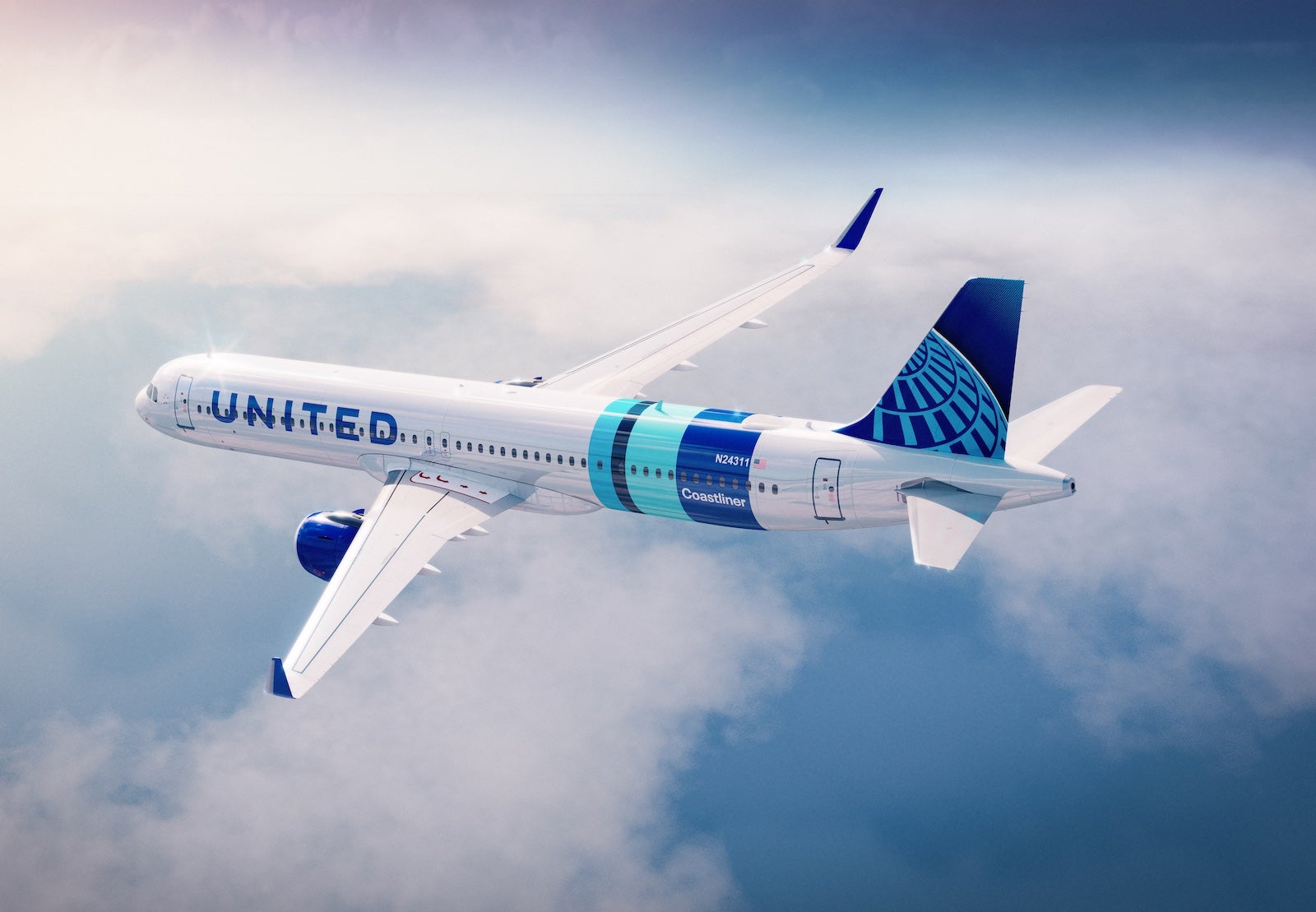
However, the path to global dominance is not without its setbacks. While the international network is flourishing, United’s domestic ambitions have hit a significant roadblock. The airline’s highly anticipated "Coastliner"—a specialized version of the Airbus A321neo designed specifically for premium transcontinental routes—has been officially delayed. This aircraft was intended to be United’s "silver bullet" in the hyper-competitive battle for the New York-to-California market, a corridor where Delta Air Lines and JetBlue have long held a perceived edge in cabin luxury.
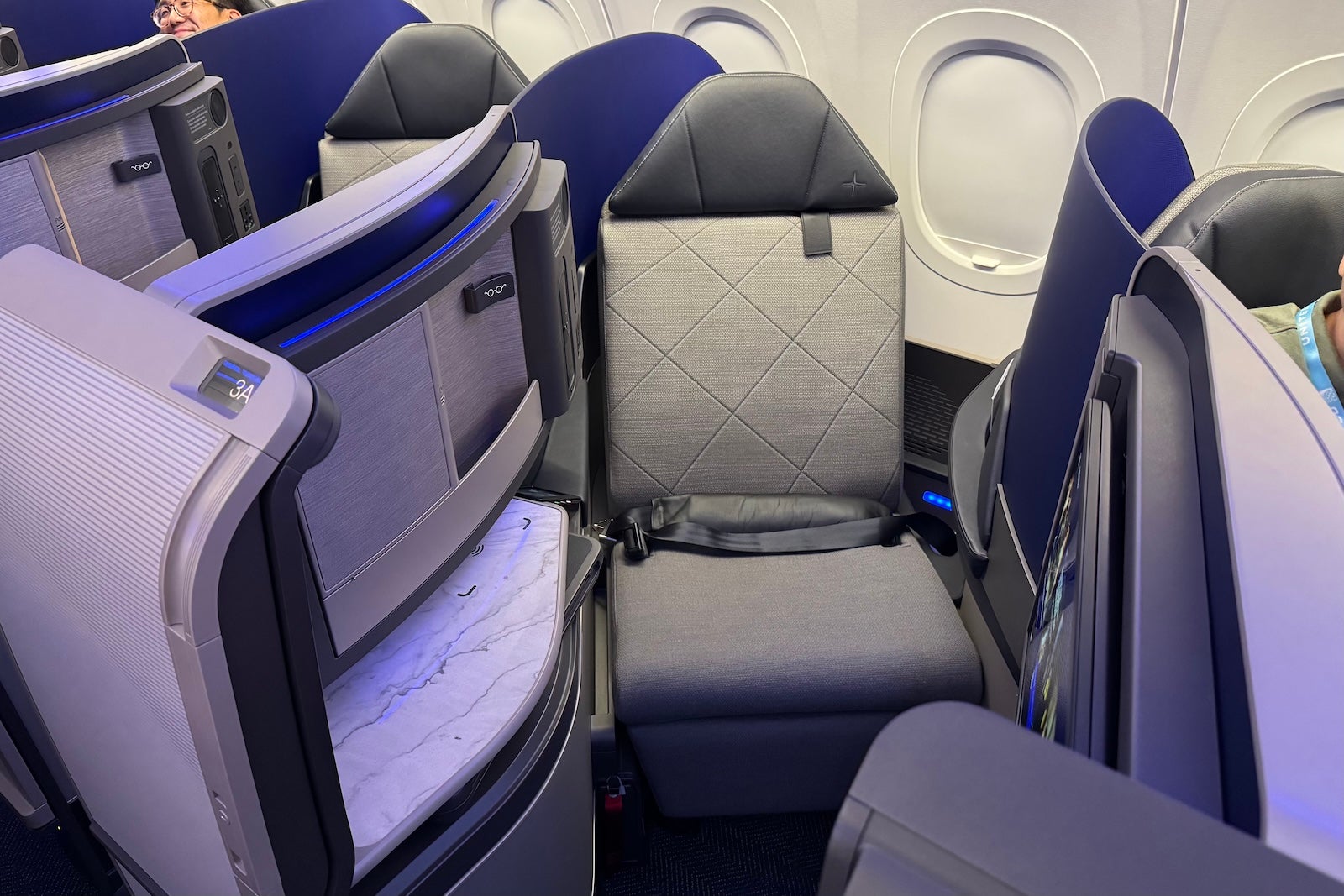
The Coastliner is slated to feature a revolutionary interior for a narrow-body aircraft, including 20 lie-flat Polaris suites and 12 Premium Plus recliners. This configuration mimics the experience of a wide-body international flight, providing a seamless transition for business travelers flying from London to Newark and then onward to San Francisco or Los Angeles. The delay, attributed to production bottlenecks at Airbus, means that United will have to continue relying on its aging fleet of Boeing 757-200s and standard-configured 737s for its "premium transcon" service.

Patrick Quayle noted that while the airline is eager to deploy the Coastliner, it is at the mercy of manufacturing timelines. "As soon as we get it, we will start flying it," he remarked, acknowledging that the delay hinders United’s ability to fully execute its vision for domestic premium service. In the interim, the airline is considering a "stop-gap" measure involving the Airbus A321XLR (Extra Long Range). The XLR is the international-focused sibling of the A321neo, featuring additional fuel tanks that allow it to cross the Atlantic with ease. While the XLR is primarily destined for routes like Newark to Porto or Washington D.C. to Edinburgh, Quayle hinted that some might be diverted to domestic service to fill the gap left by the Coastliner. However, he was quick to clarify that this would not be a permanent solution, as the XLR’s economic value is maximized on long-haul international segments where its fuel efficiency provides a massive advantage over larger twin-aisle jets.
The contrast between United’s international success and its domestic fleet delays highlights a broader trend in the aviation industry: the divergence of network strategy and hardware availability. United has the vision to fly to Greenland and Sicily, and it has the customer base to support those routes, but it is increasingly constrained by the global supply chain. Both Boeing and Airbus have struggled to meet delivery targets due to labor shortages, parts scarcity, and, in Boeing’s case, intense regulatory scrutiny following the 737 MAX grounding and subsequent quality control issues.
United’s willingness to "roll the financial dice," as industry observers put it, is grounded in a sophisticated understanding of loyalty economics. The airline’s leadership believes that by being the only carrier to offer a specific, exotic destination, they can drive higher engagement with their credit card partners (such as Chase) and ensure that high-value travelers stay within the United ecosystem. This strategy also serves as a hedge against the commoditization of the airline industry. When every airline flies to London Heathrow, the only differentiator is price. When only United flies to Nuuk or Bari, they command a premium and build brand equity that is difficult for competitors to replicate.
Not all of United’s gambles have paid off, of course. The airline confirmed that it will not be returning to Dakar, Senegal, a route that was launched with much fanfare in 2025 but failed to generate the necessary load factors or yields. Similarly, the Scandinavian market has proven difficult for United to crack. Routes to Bergen, Norway, and Stockholm, Sweden, have been discontinued. Quayle admitted that these flights "did not do particularly well," suggesting that while American travelers are eager for the Mediterranean and the Arctic, the Nordic region remains a challenging sell for a U.S. legacy carrier, perhaps due to the strong presence of SAS (Scandinavian Airlines) and the relatively short summer season.
Despite these few retreats, the overall trajectory of United Airlines is one of unprecedented growth and diversification. The 2027 schedule represents a maturation of the strategy implemented by CEO Scott Kirby and Patrick Quayle—a strategy that prioritizes "connectivity over capacity." By using smaller, more efficient narrow-body aircraft like the A321neo and the 737 MAX to serve niche international markets, United is rewriting the rulebook for what a global airline looks like.
As travelers look ahead to 2027, the map of the world is effectively shrinking. A traveler in suburban New Jersey or Chicago can now contemplate a direct flight to the icebergs of Greenland or the vineyards of Puglia with the same ease they once booked a flight to Florida. While the wait for the "luxe" domestic experience of the Coastliner continues, United’s international prowess remains undisputed. The airline is betting that the allure of the unknown—the chance to see a part of the world that few others have visited—is more than enough to keep its cabins full and its competitors scrambling to catch up. In the high-stakes game of global aviation, United is no longer just playing the hand it was dealt; it is actively changing the rules of the game, one exotic destination at a time.
