
 By admin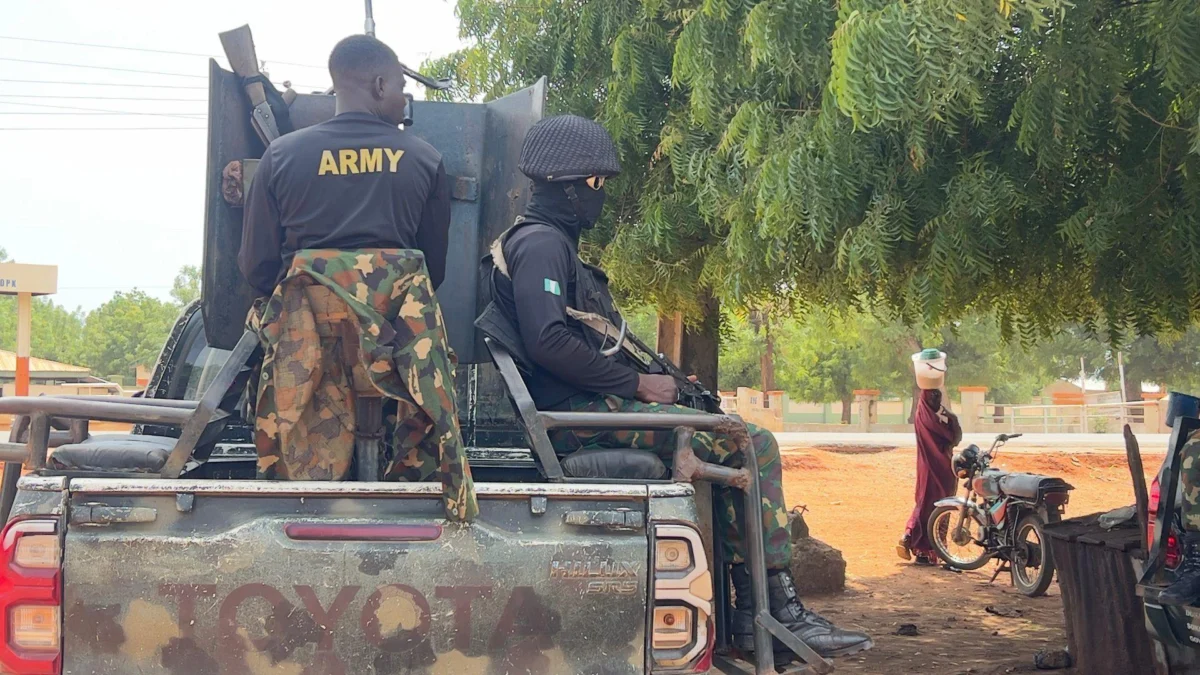
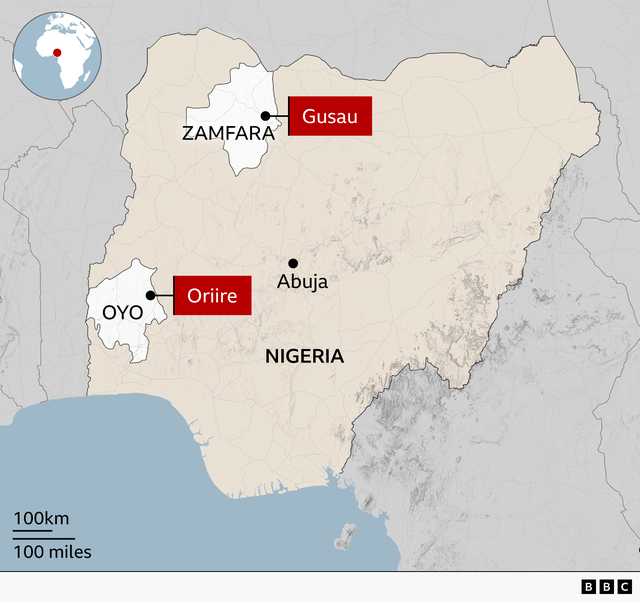
"If you ran into a room, they set the room on fire," recounts Fatima, her voice trembling as she describes the harrowing attack on her village in Zamfara, north-western Nigeria. "If you came out and started running, they shot you." This chilling testimony from the 55-year-old survivor paints a grim picture of the escalating violence plaguing Nigeria, a nation increasingly ensnared by the brutal activities of armed gangs, commonly referred to as bandits, and persistent insurgent groups. The coordinated assault on her village, Bia Buki, which commenced around 02:00, saw the attackers strategically divide into groups, effectively trapping residents. One contingent positioned at the village entrance, another in the center, and a third at the rear, unleashing indiscriminate gunfire with a terrifying lack of remorse.
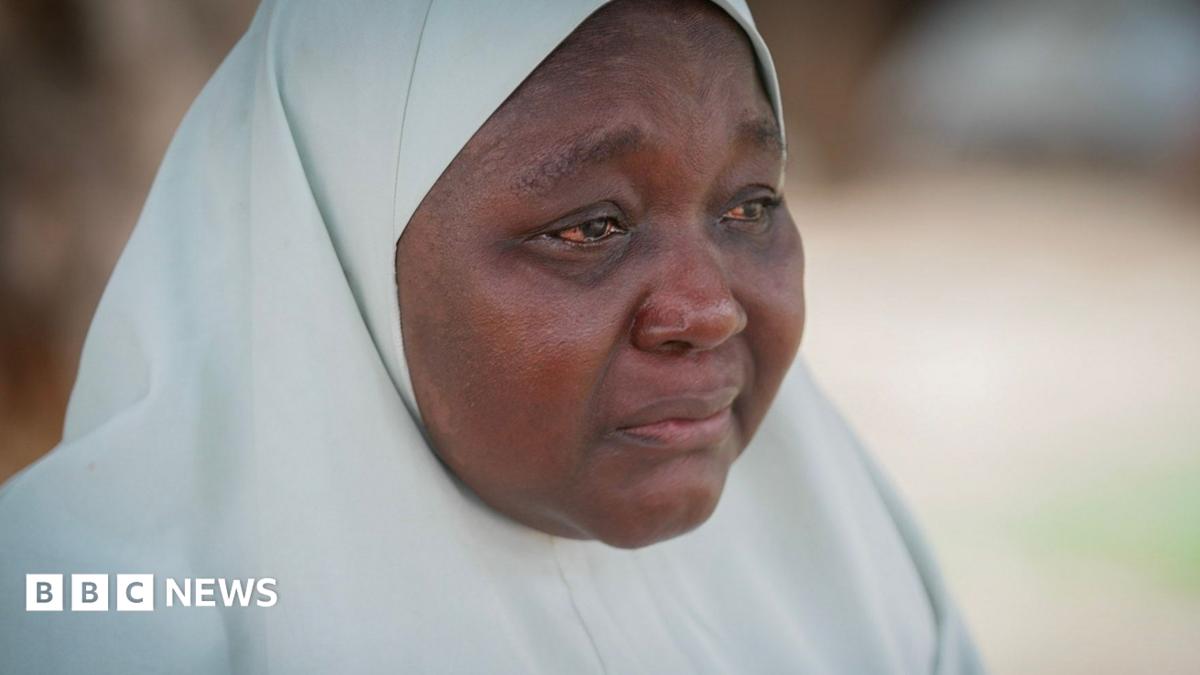
Fatima, speaking to the BBC World Service from a makeshift camp in Gusau, the state capital, is one of an estimated 800,000 Nigerians displaced by violence in the north-west alone, according to United Nations figures. Her personal tragedy is immense; her husband and six of his seven siblings were among the approximately 70 villagers, including children, who perished in the June attack. The assailants, often arriving on a hundred motorcycles with three individuals per bike, targeted fleeing villagers and even injured children as they stumbled into ditches. This grim reality underscores the pervasive fear that grips the predominantly Muslim communities, where the specter of kidnapping for ransom has become a daily threat.
The modus operandi of these gangs is characterized by swift, brutal raids followed by rapid escapes on motorcycles, often before security forces can respond. While militant Islamist groups contribute to the insecurity, the majority of atrocities in this region are attributed to these so-called bandits. Their violence is not confined to targeted attacks; it has devolved into a deteriorating pattern of abductions and killings that is alarmingly spreading southward. In response, thousands have joined government-backed vigilante groups, with one such member assuring the BBC that his armed contingent has neutralized numerous bandits. However, the persistent attacks suggest a security apparatus struggling to contain the widespread chaos.
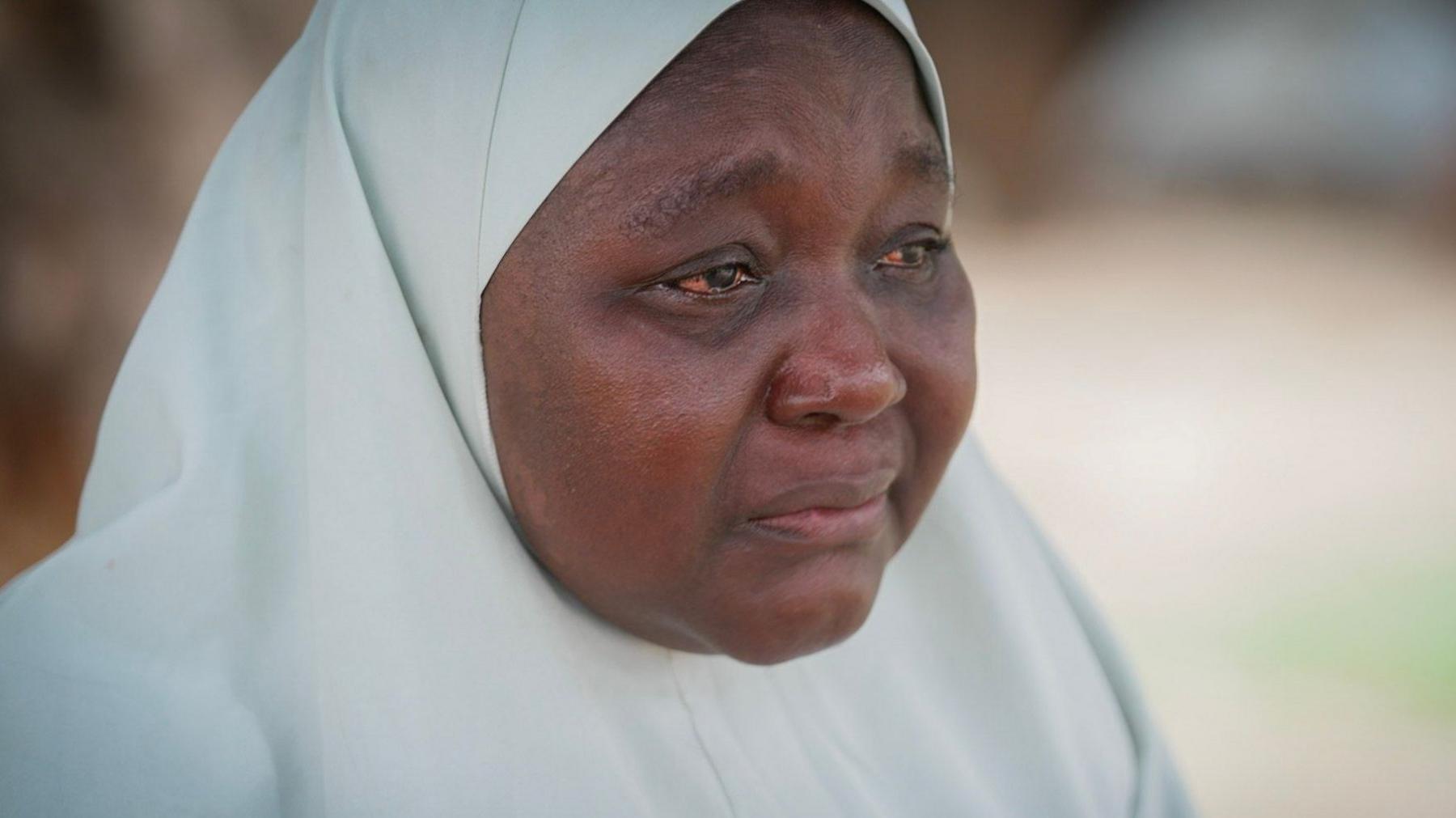
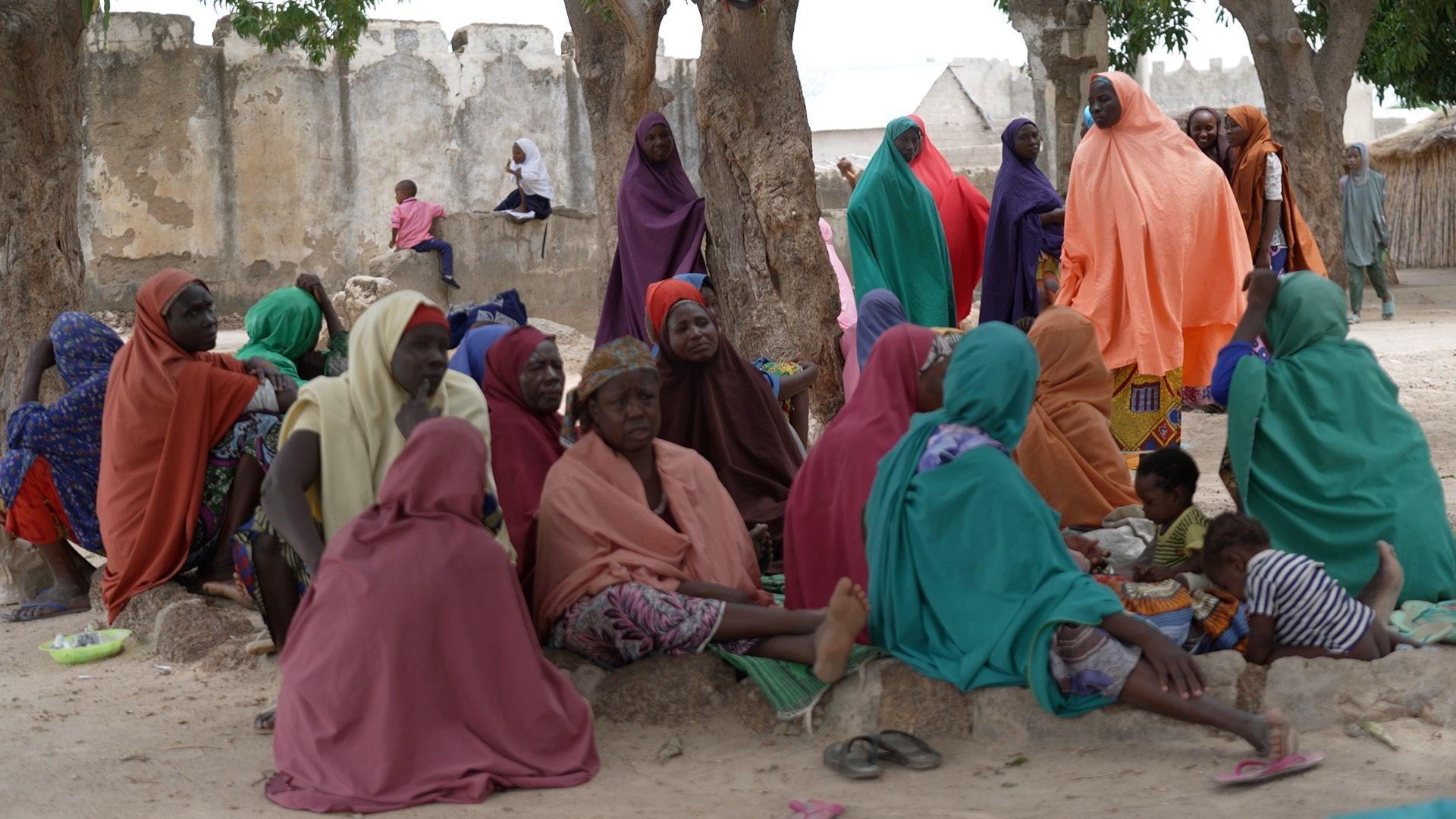
Fatima’s harrowing escape into the nearby forest with other villagers, children in tow, highlights the desperation for survival. "The forest became our sanctuary," she says, recalling the difficult moments of searching for lost children and taking in neighbors’ kids. After spending nights in the wilderness, they eventually sought refuge in Gusau, where they found "a little bit of peace." Now, she shares a makeshift compound in Gusau with her seven children, aged between nine and 30. The camp, a dusty expanse dotted with dozens of women in brightly colored hijabs, houses over a thousand displaced individuals. Conditions are dire, with inadequate shelter, scarce food, and irregular assistance. "Good Samaritans" occasionally provide rice or potatoes, but children are often sent to gather firewood to sell, a desperate measure to secure food. Tragically, 22 children have been kidnapped by bandits from this very camp. Fatima laments the stark contrast between their past lives of self-sufficiency and their current existence as beggars, her eyes welling up with tears as she describes the hunger that plagues the camp, with many women having had no breakfast.
Despite being 16 miles (25km) from her former home, the threat has not entirely receded. While initial nights in the camp were punctuated by the terrifying sound of gunshots, patrols by the army and government-backed vigilantes have brought a degree of quiet, though the atmosphere remains tense.
The bandits are predominantly from the Fulani ethnic group, traditionally pastoralists. However, a significant number have reportedly transitioned from cattle trading to kidnapping and extortion, perceiving it as a more lucrative and less demanding enterprise. Their attacks target towns, villages, and travelers, with the primary objective being ransom. They loot valuables and, in cases of resistance, resort to killing. Furthermore, they impose protection rackets on communities, demanding substantial payments from farmers before allowing them access to their fields.
The frequency of these attacks has surged dramatically. In the strongholds of banditry in north-west Nigeria, the international conflict monitoring group Acled recorded a 78% increase in incidents during the first half of the current year compared to the same period last year. Data from Nigeria’s National Human Rights Commission reveals a doubling of kidnappings nationwide over the same timeframe. Malik Samuel of Good Governance Africa, a research and advocacy non-profit, states that "there is no region in northern Nigeria currently that does not experience one form of mass abduction or the other."
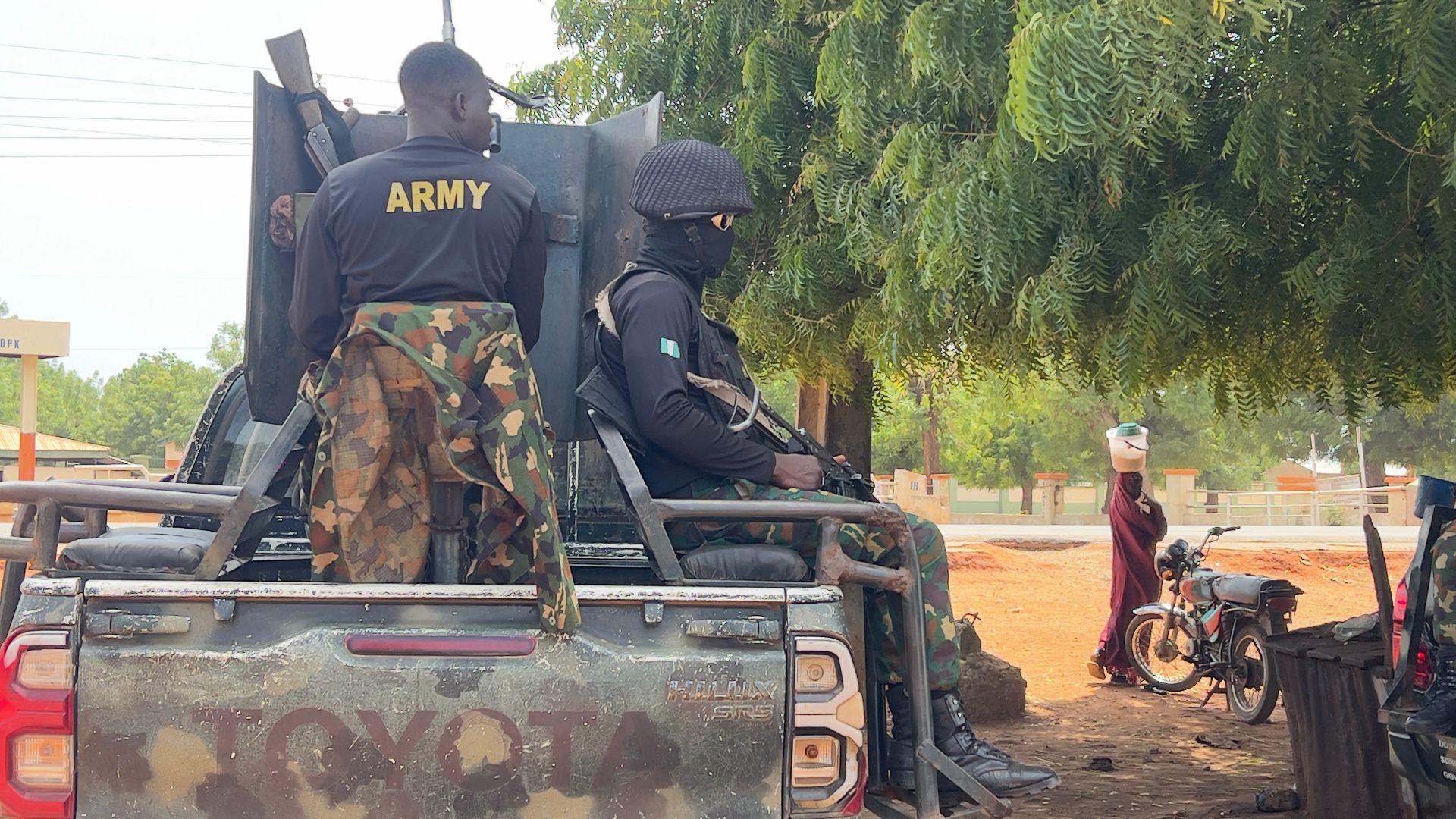
Nigeria’s struggle with banditry is but one facet of a multifaceted security crisis. Beyond the bandit gangs in the north-west, the nation grapples with an Islamist insurgency in the north-east, separatist agitations in the south-east, and inter-communal clashes in central regions. These conflicts often stem from disputes over land and water resources for grazing and farming, further exacerbated by ethnic and religious tensions. Analysts concur that armed groups are perpetrating campaigns of violence that indiscriminately affect all communities, irrespective of their background or beliefs.
Schools, unfortunately, have become frequent targets. The infamous 2014 abduction of over 200 schoolgirls by the Islamist militant group Boko Haram from Chibok in the north-east brought global attention to the plight of abducted students. At that time, the group subjected its captives to sexual slavery, domestic servitude, or used them as suicide bombers. Today, a diverse array of groups across Nigeria leverage kidnapping as a fundraising strategy, often targeting "soft targets" like schools, churches, mosques, and remote villages. Historically, such abductions were largely confined to the Boko Haram strongholds in the north-east or the bandit-infested zones of the north-west, areas predominantly Muslim.
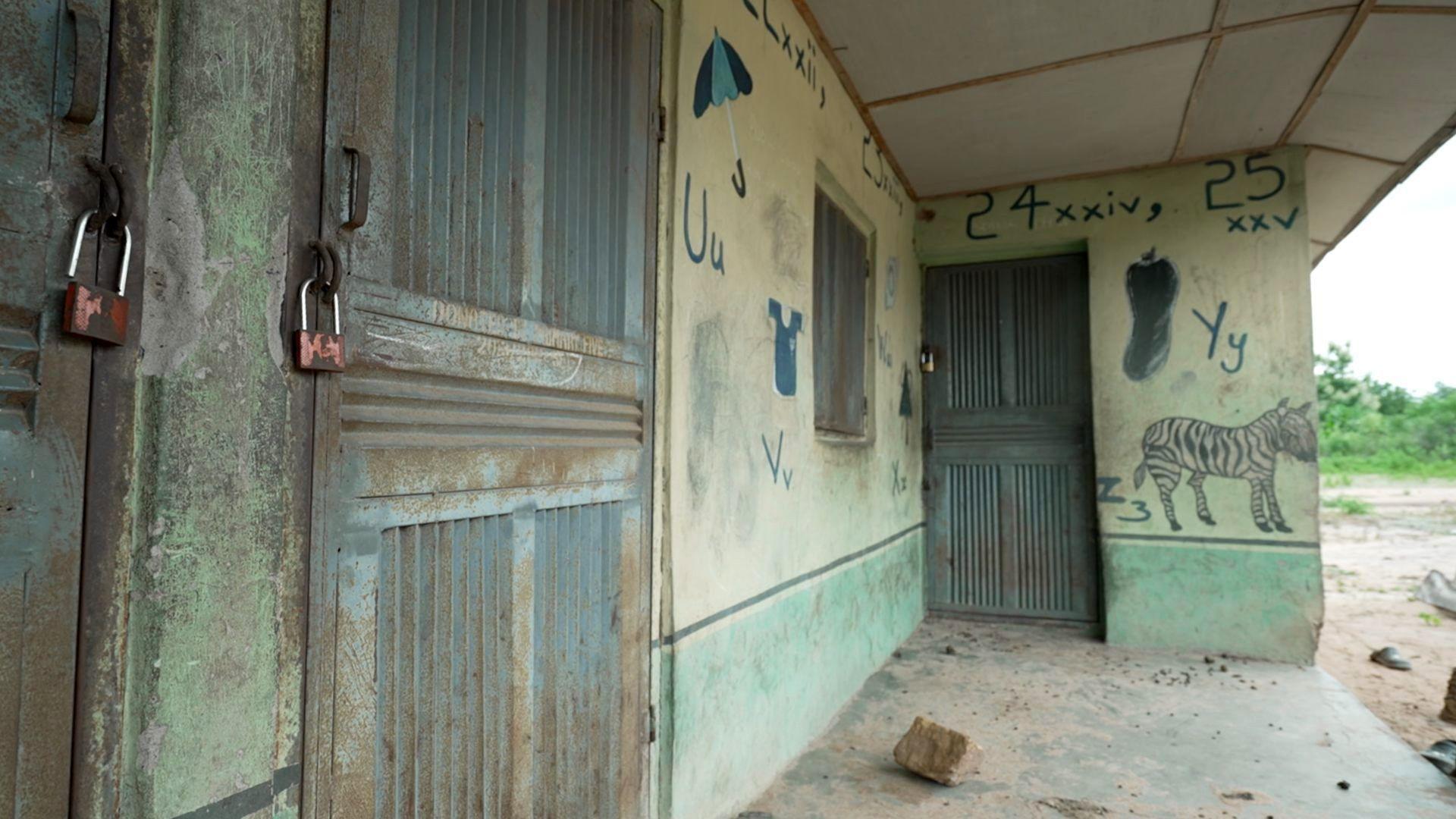
However, this security paradigm shifted dramatically in May of this year when gunmen on motorcycles launched coordinated attacks on three schools in Oyo state, located in the south-west of Nigeria – a region previously considered relatively secure. Thirty-nine children, the youngest being a mere two years old, were abducted along with seven teachers. During the raid, one teacher was killed, and the murder of another was callously filmed and disseminated online. After a harrowing 56 days, the remaining 44 hostages were released. The government asserted that it refused to pay a ransom, attributing the children’s release to a successful security operation. Subsequently, three men were sentenced to life imprisonment for their involvement in these attacks, confessing to affiliations with a Boko Haram splinter group.
The abduction sent ripples of fear through the south-western town of Oriire, prompting many parents to withdraw their children from school. "There is fear because many residents have run away and are yet to return," stated Oba Tajudeen Abioye, the traditional ruler of the area, whose niece was among the kidnapped children. "And for those of us who are left here, we are relying on the security officials, the soldiers" deployed to protect the community, he added. Nigeria already contends with one of the world’s highest numbers of out-of-school children, with UNESCO estimating the figure to be around 19 million. The confluence of multiple, overlapping security challenges has stretched Nigeria’s military and police forces to their limits, hindering their capacity to effectively combat the pervasive violence. A 2025 UN report highlighted the chronic underfunding of police stations, rendering many of them non-operational. Independent sources have also pointed to a deficit in the hostage negotiation and forensic investigation skills of police officers. In response, President Bola Tinubu’s administration has allocated the largest defence and security budget in the nation’s history, increasing it by 10% in December 2025 compared to the previous year, and has recently approved the recruitment of 28,000 new soldiers.
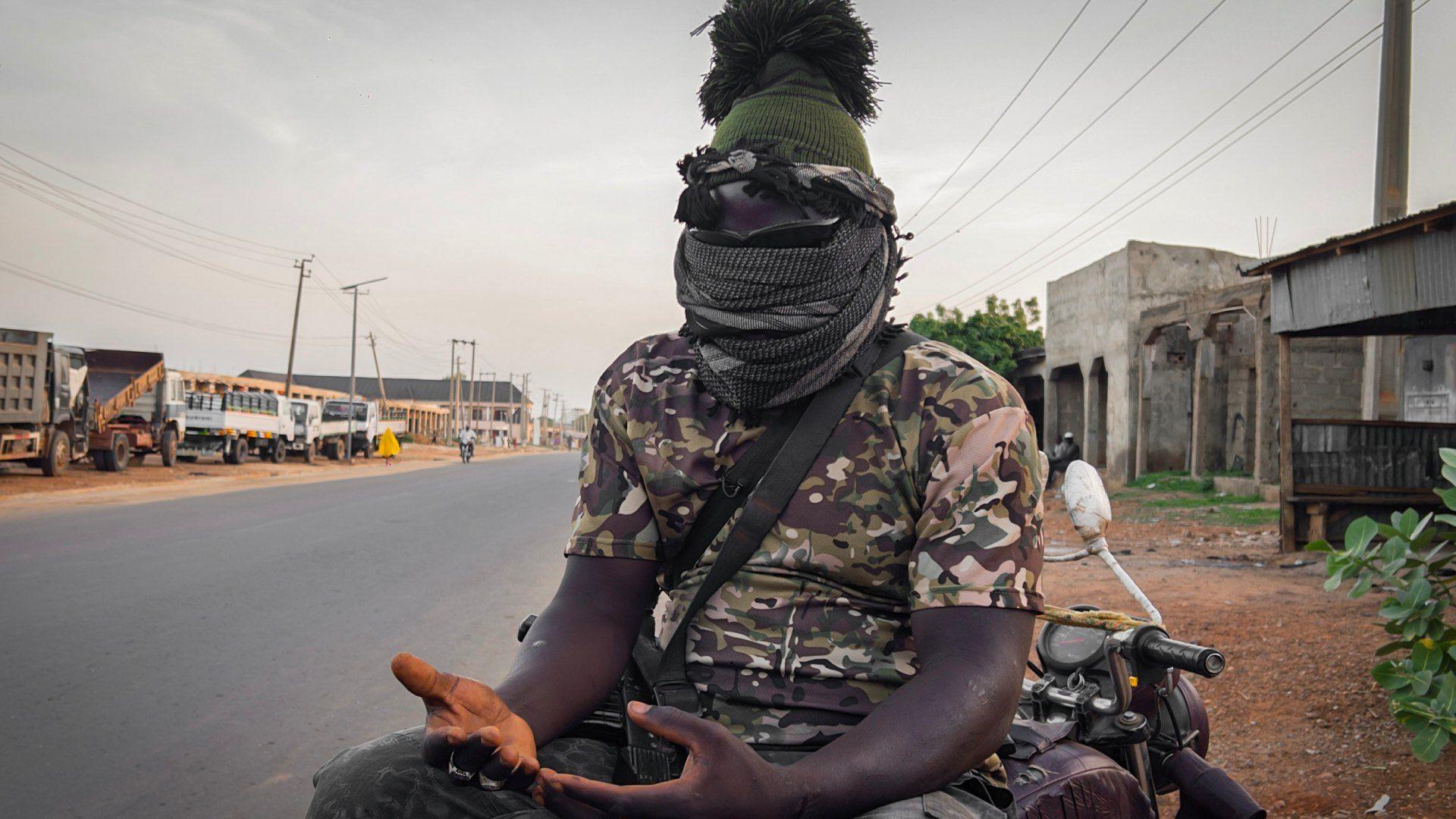
In the interim, communities continue to bear the brunt of the violence. In Zamfara, thousands of residents have joined government-backed vigilante groups to bridge the security vacuum. However, their involvement raises concerns. In 2020, Zamfara banned a prominent vigilante group due to fears that extrajudicial killings were fueling further violence, according to AFP. While authorities claim the new vigilantes are better trained, Samuel from Good Governance Africa warns they are a "time bomb waiting to happen." He questions the long-term implications: "If citizens arm themselves, how do you control them at the end of the crisis, how are you able to disarm them?"
During a visit in July, a vigilante member, speaking on condition of anonymity outside his group’s headquarters, offered a glimpse into their operations. Perched on his motorcycle, an AK-47 slung over his shoulder and a scarf obscuring his face, he explained that they are sometimes informed of bandit locations and then engage them with divine assistance. "Let the bandits understand that when they attack a place and kill, they can also be killed," he declared, estimating he has participated in at least 20 engagements. He noted the persistent calls for his group’s assistance, stating, "It’s hard to go a week without these reports. There are regions that became safer… but there are other regions where the same cannot be said." He urged the state governor to recruit and arm more individuals to combat the bandits, emphasizing, "These people won’t be afraid of you unless you have proper weapons to fight them."
Fatima, too, implores for more decisive action: "These kidnappers are in every nook and cranny." She acknowledges the government’s efforts but stresses the need for intensified action. "I am not saying the government has failed but even if it is trying, it needs to do more. There are problems and we think with more effort and more security agents, villages will be peaceful." Her deepest desire is to return home, but this seems increasingly unlikely, as she has heard her village has been transformed into a base for the gunmen who attacked it. The local bandit leader has reportedly assumed de facto authority, with villagers now seeking his arbitration for domestic disputes. The fate of other nearby villages is equally grim, with Fatima describing one as "completely empty, not even a chicken lives there… empty villages like that are countless." She paints a bleak picture of returning to her region, where "it’s just difficulty you will face. There’s nothing there, no food… you farm and when you go to harvest, they stop you or kidnap you."
