
 By Titik Puspa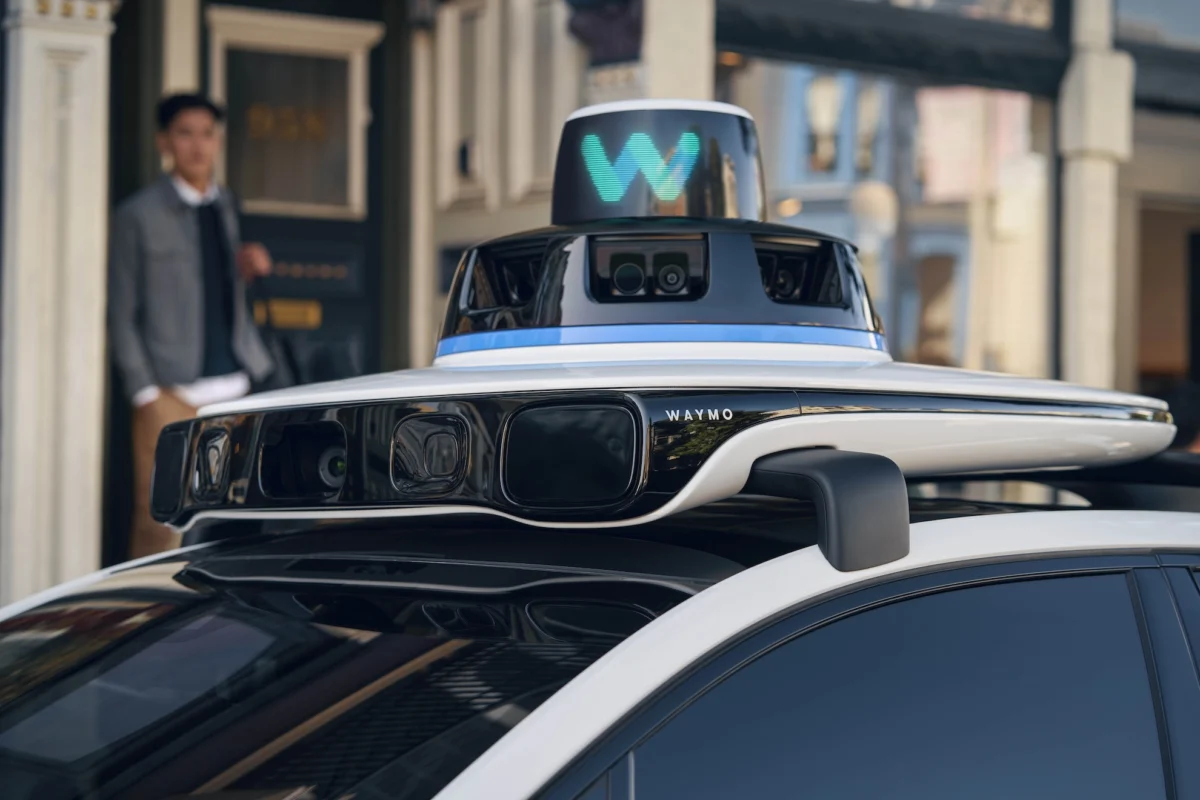
In a significant stride towards broader adoption and scaling of its autonomous driving technology, Alphabet-owned Waymo has officially removed the waitlist for its fully driverless robotaxi service in Dallas, Texas. This move signifies a pivotal moment for the company, opening its on-demand autonomous transportation to all residents and visitors within the sprawling Dallas metropolitan area. The expansion in Dallas is a crucial element of Waymo’s ambitious strategy to establish and grow its self-driving services across key markets in the United States, the United Kingdom, and eventually, Europe.
As of Tuesday, any individual in Dallas can now download the Waymo One app and immediately hail one of the company’s autonomous vehicles for a ride. This transition from a waitlist-restricted service to open access mirrors Waymo’s established playbook for market entry and expansion, a strategy successfully implemented in other major cities like Phoenix, Los Angeles, and San Francisco. This open access policy is designed to accelerate user acquisition, gather more real-world operational data, and normalize the experience of riding in a driverless car for a wider demographic.
While the service is now broadly available, a notable exception currently exists: passengers cannot yet hail rides to Dallas Love Field Airport. Waymo has confirmed that its self-driving vehicles are actively undergoing testing at the airport, and the company anticipates integrating this route into its service offerings "soon." This phased approach to airport accessibility is common for autonomous vehicle operators, as airports present complex operational challenges, including dynamic traffic patterns, specific drop-off and pick-up zones, and varying weather conditions that require rigorous validation of the system’s capabilities.
Waymo first established its presence in Dallas last year, initially focusing on extensive testing of its autonomous technology on public streets. The company had previously announced its intention to launch a public robotaxi service in Dallas in 2026. A key component of this launch strategy involved a partnership with Avis Budget Group. Under this agreement, Avis is responsible for the crucial fleet management operations, including the charging and maintenance of Waymo’s all-electric fleet of autonomous Jaguar I-Pace vehicles. This collaboration allows Waymo to concentrate on its core competency – the development and refinement of its autonomous driving software and hardware – while leveraging Avis’s established infrastructure and expertise in vehicle operations.
The phased opening of the Dallas service began in February of this year, but access was initially managed through a waitlist. During this period, Waymo reported a substantial engagement, with approximately 150,000 riders utilizing the Waymo app. The decision to drop the waitlist now reflects a growing confidence in the service’s stability and readiness for wider public use. This strategy of gradual expansion, starting with limited access and progressing to open availability, allows Waymo to meticulously gather feedback, identify and address potential issues, and build a robust operational framework before fully committing to large-scale deployment.
Despite the overall positive trajectory, Waymo’s entry into the Dallas market was not without its early challenges. In May, the company temporarily paused its robotaxi operations in Dallas, along with Houston and San Antonio in Texas, and Atlanta, Georgia. This suspension was a direct response to observed difficulties in how its autonomous vehicles navigated through heavy rainfall and flooded roadways. Such incidents highlight the inherent complexities of operating autonomous vehicles in diverse and often unpredictable weather conditions. The ability of self-driving systems to accurately perceive and react to dynamic environmental factors, such as standing water, reduced visibility, and altered road surfaces, remains a critical area of development and validation for the entire autonomous vehicle industry.
While the services have since resumed in all affected cities, Waymo has indicated that it reserves the right to adjust or temporarily pause operations in the future. These adjustments will be based on a proactive assessment of severe weather events, flood warnings, and real-time environmental conditions. This commitment to safety-first operations underscores the industry’s understanding that autonomous systems must be capable of operating safely and reliably across a wide spectrum of environmental challenges. Waymo’s spokesperson emphasized that riders can stay informed about the current operational status of the service by checking the Waymo app, which will provide timely updates on any service disruptions or advisories.
The expansion of Waymo’s open access robotaxi service in Dallas is more than just a local operational milestone; it represents a tangible step in the company’s long-term vision for autonomous mobility. Waymo’s parent company, Alphabet, has consistently invested heavily in the development of its self-driving technology, viewing it as a transformative force for transportation and logistics. The data gathered from these expanding operations in diverse urban environments is invaluable for refining the artificial intelligence algorithms, sensor suites, and decision-making processes that underpin Waymo’s autonomous driving system. Each mile driven by a Waymo vehicle contributes to a growing dataset that helps the system learn, adapt, and improve its safety and efficiency.
The implications of this open access in Dallas extend beyond the immediate convenience for riders. It serves as a crucial catalyst for public acceptance and understanding of autonomous vehicle technology. As more people experience Waymo’s service firsthand, the novelty and potential apprehension associated with driverless cars are likely to diminish, replaced by familiarity and, for many, appreciation for the convenience and potential safety benefits. This broader public engagement is vital for the eventual widespread adoption of autonomous vehicles, which could fundamentally reshape urban planning, traffic management, and personal mobility.
Furthermore, Waymo’s strategy of partnering with established automotive and fleet management companies, such as Avis, demonstrates a pragmatic approach to scaling. By outsourcing certain operational aspects, Waymo can focus its resources on technological innovation and market expansion, while leveraging the existing infrastructure and expertise of its partners. This collaborative model is likely to be replicated as other autonomous vehicle companies seek to deploy their services at scale, suggesting a future where technology developers work in concert with traditional industry players to bring new mobility solutions to market.
The previous pause in service due to adverse weather conditions also highlights the ongoing debate and scrutiny surrounding the safety and reliability of autonomous vehicles, particularly in challenging environments. While Waymo’s swift response and transparent communication about the temporary suspension were commendable, such incidents serve as important learning opportunities for the entire industry. Regulatory bodies, policymakers, and the public will continue to monitor the performance of these systems closely, demanding robust safety assurances and clear protocols for handling unexpected or hazardous situations. Waymo’s commitment to continuous improvement and adaptive operations in response to weather events is a critical component of building trust and ensuring the long-term viability of its services.
The geographical diversity of Waymo’s operational footprint is another key aspect of its scaling strategy. Operating in varied climates and traffic conditions – from the sunny predictability of Phoenix to the complex urban grid of San Francisco and the diverse weather patterns of Texas – allows the company to expose its technology to a wide array of real-world scenarios. This broad exposure is essential for developing a truly robust and adaptable autonomous driving system that can perform safely and efficiently in virtually any environment. The data collected from each of these distinct operational domains contributes to a more comprehensive understanding of the challenges and nuances of autonomous navigation.
The removal of the waitlist in Dallas also signals a maturing of Waymo’s operational capabilities. The ability to confidently open its service to the general public suggests that the company has successfully navigated the initial phases of deployment, including driver training (for remote operators in the event of a need for intervention), vehicle maintenance, customer support, and the technical integration of the Waymo One app with its fleet management systems. This operational readiness is a prerequisite for sustained growth and profitability.
As Waymo continues to expand its reach, the economic and social impacts of its robotaxi service will become increasingly apparent. Beyond the direct benefits of on-demand mobility, the widespread adoption of autonomous vehicles has the potential to create new jobs in areas such as fleet maintenance, remote operations, and customer service, while also potentially displacing jobs in traditional transportation sectors. The efficient and accessible nature of robotaxi services could also reduce the need for personal car ownership for many individuals, leading to changes in urban infrastructure and a potential decrease in traffic congestion and parking demand.
The ongoing development and deployment of autonomous vehicle technology, exemplified by Waymo’s move in Dallas, represent a significant technological frontier. The journey from initial concept and rigorous testing to widespread public access is a complex and iterative process, marked by both triumphs and challenges. Waymo’s decision to drop the waitlist in Dallas is a clear indicator of progress, signaling a growing confidence in its technology and a determined push towards making autonomous mobility a ubiquitous reality. The coming months and years will undoubtedly reveal further advancements and broader integration of these transformative vehicles into the fabric of our daily lives.
