
 By Titik Puspa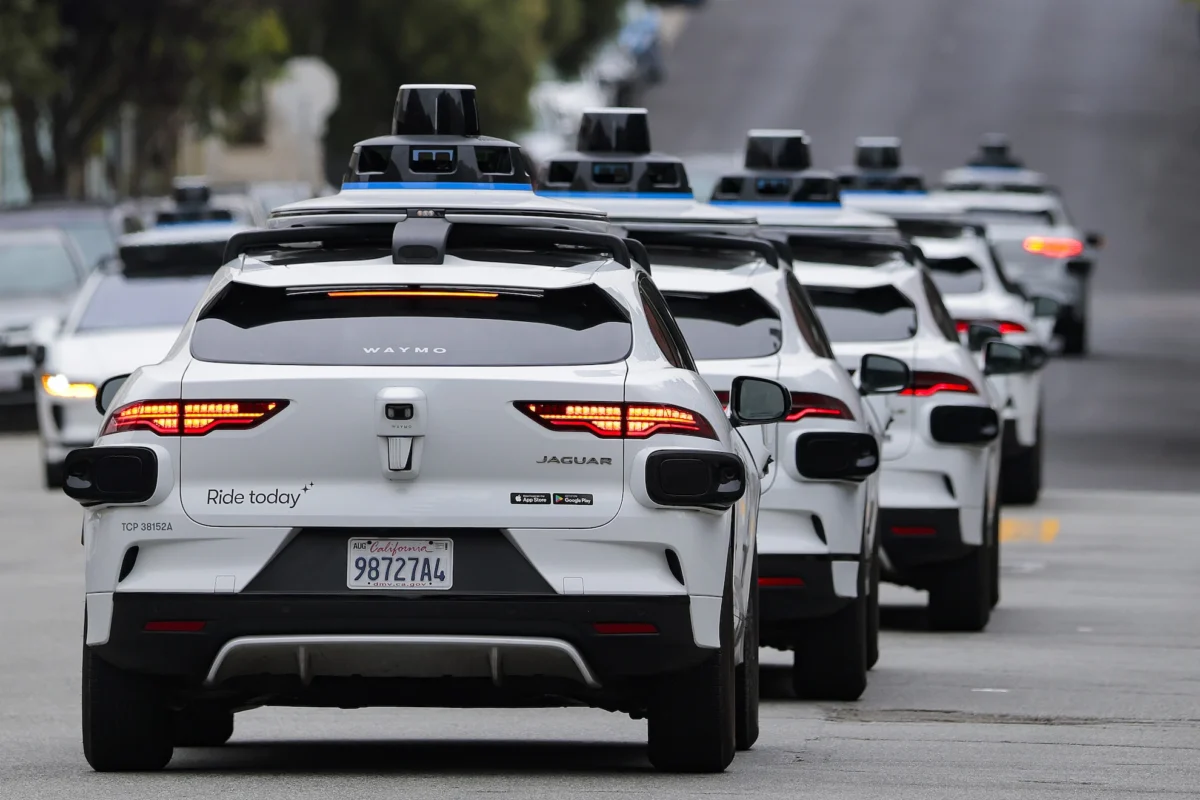
Waymo, the autonomous vehicle division of Alphabet Inc., has officially resumed its robotaxi operations in San Francisco after implementing temporary adjustments to its service in response to a significant power outage that affected a substantial portion of the city. The disruption, which reportedly impacted approximately 7,000 Pacific Gas and Electric (PG&E) customers, prompted Waymo to briefly pause its driverless rides as a precautionary measure to assess the situation and coordinate with local authorities.
The temporary halt in service was first communicated to riders via social media, with a screenshot indicating that Waymo informed customers of a "temporary pause" and that "freeway routes are unavailable." This communication underscored the company’s commitment to ensuring passenger safety and operational integrity during unforeseen events. In a statement to TechCrunch, a Waymo spokesperson confirmed the adjustments, stating, "We are making temporary adjustments to our service while we monitor local conditions. We know riders depend on us, and we will return to normal operations as soon as possible."
Further elaborating on the duration and reasoning behind the pause, a Waymo spokesperson later clarified that the company "decided to pause service for approx. one hour to assess the scale of the power outage affecting a large portion of San Francisco and coordinate with local officials." This hour-long hiatus allowed Waymo to comprehensively evaluate the impact of the outage on its fleet and its operational environment, ensuring a safe and controlled return to normal service.
This recent incident is not the first time that power outages have presented challenges for Waymo’s operations in San Francisco. The city has witnessed similar disruptions in the past. Notably, in December 2025, a blackout caused a number of Waymo vehicles to stall on city streets, leading to a suspension of service. Another significant disruption occurred on the Fourth of July, when a similar incident, coinciding with a Golden Gate Bridge fireworks display, caused widespread traffic congestion and further impacted Waymo’s operations. These recurring issues have highlighted the vulnerability of autonomous vehicle services to external infrastructure failures.
The persistent challenges posed by autonomous vehicle operations during major incidents, whether planned or unplanned, have spurred increased scrutiny from city officials. San Francisco Mayor Daniel Lurie has been a vocal proponent of stricter regulations. Following a previous Waymo traffic disruption, Mayor Lurie publicly called for "tougher state regulations" to "adequately address how autonomous vehicles operate during major incidents, planned or not." This sentiment reflects a growing concern among city leaders regarding the need for robust protocols and oversight to manage the integration of autonomous technology into the urban landscape, particularly during emergencies.
The current power outage, which affected a significant number of PG&E customers, underscores the interconnectedness of urban infrastructure and the potential ripple effects of utility failures on other critical services, including autonomous transportation. The swift, albeit temporary, response from Waymo indicates a learning curve and an evolving strategy for managing such events. The company’s ability to quickly assess the situation and resume operations demonstrates a degree of resilience and adaptability in its operational framework.
The image accompanying this report, credited to Heather Diehl of Getty Images, depicts a Waymo autonomous vehicle navigating the streets of San Francisco. While the specific vehicle in the image may not be directly related to the outage incident, it serves as a visual representation of the company’s presence and operations within the city. The image’s resolution and formatting are optimized for web display, reflecting standard journalistic practices for online news publications.
The broader context of autonomous vehicle deployment in San Francisco is marked by both innovation and ongoing debate. Waymo, along with other autonomous vehicle companies like Cruise (though Cruise has faced its own significant regulatory hurdles and operational pauses), has been a pioneer in bringing driverless technology to public roads. San Francisco, with its complex urban environment and dense population, serves as a critical testing ground and a bellwether for the future of autonomous transportation.
However, the deployment of these technologies has not been without its critics and challenges. Concerns have been raised about the safety of autonomous vehicles, their impact on traffic flow, job displacement for professional drivers, and the adequacy of regulatory frameworks. The incidents involving Waymo, particularly those related to power outages or other disruptions, have amplified these concerns and fueled calls for more stringent oversight.

The decision by Waymo to temporarily pause service is a testament to the company’s risk management strategy. In the face of an unpredictable event like a widespread power outage, prioritizing safety and operational stability is paramount. This approach aligns with the broader industry’s focus on building public trust and demonstrating a commitment to responsible deployment.
The resumption of service, following the assessment and coordination with local officials, signifies that Waymo has deemed the conditions safe for its autonomous vehicles to operate. The company’s spokesperson’s statement about returning to "normal operations as soon as possible" suggests a phased approach to full service restoration, potentially with continued monitoring of local conditions.
The article’s structure, as indicated by the provided HTML, includes an "In Brief" section, publication details, an image with a caption, and a main body of text. The use of social media posts as a source for initial information is a common practice in modern journalism, especially for breaking news. The inclusion of a follow-up statement from Waymo demonstrates journalistic diligence in seeking comprehensive and updated information.
The mention of previous incidents, such as the December 2025 blackout and the Fourth of July event, provides valuable historical context. These past occurrences illustrate a pattern of vulnerability that Waymo and other AV companies must continuously address. They also inform the ongoing public and governmental discourse surrounding the regulation and deployment of autonomous vehicles.
Mayor Lurie’s calls for tougher state regulations highlight the regulatory landscape surrounding autonomous vehicles. The development of appropriate legal and regulatory frameworks is crucial for ensuring public safety, accountability, and the responsible integration of AVs into society. This often involves a complex interplay between state and local authorities, as well as federal guidance.
The reference to the "latest in Transportation" suggests that this article is part of a broader news section or ongoing coverage of the transportation industry. This categorization places Waymo’s operational updates within the larger narrative of technological advancements and challenges in the sector.
The original news article, as presented in the HTML, is concise and factual. The enrichment process aims to expand upon these facts by providing background, context, potential implications, and a more detailed narrative. This includes exploring the reasons behind the power outage (though specific details were not provided in the source), the typical operational scope of Waymo in San Francisco, the regulatory environment, and the broader societal implications of autonomous vehicle technology.
The San Francisco power outage serves as a microcosm of the challenges and opportunities that autonomous vehicles present. While the technology promises increased safety, efficiency, and accessibility, its integration into complex urban environments requires careful planning, robust infrastructure, and adaptable operational strategies. Waymo’s response to this particular incident, including its temporary pause and subsequent resumption of service, will likely be analyzed as it continues to refine its approach to navigating unforeseen circumstances in its pursuit of widespread autonomous mobility.
The commitment to providing timely updates, as evidenced by the post-publication addition of Waymo’s comment, is a hallmark of responsive journalism. This iterative process of reporting, seeking clarification, and updating the narrative ensures that the audience receives the most accurate and complete information available. The future of autonomous vehicle deployment in San Francisco and beyond will undoubtedly be shaped by how companies like Waymo navigate such operational challenges and how regulatory bodies adapt to the evolving technological landscape. The ongoing dialogue between technology providers, city officials, and the public will be critical in determining the ultimate success and societal acceptance of driverless transportation. The incident underscores the need for a resilient and adaptable infrastructure, both in terms of power supply and the operational capabilities of autonomous systems, to ensure the seamless integration of this transformative technology.
