
 By Titik Puspa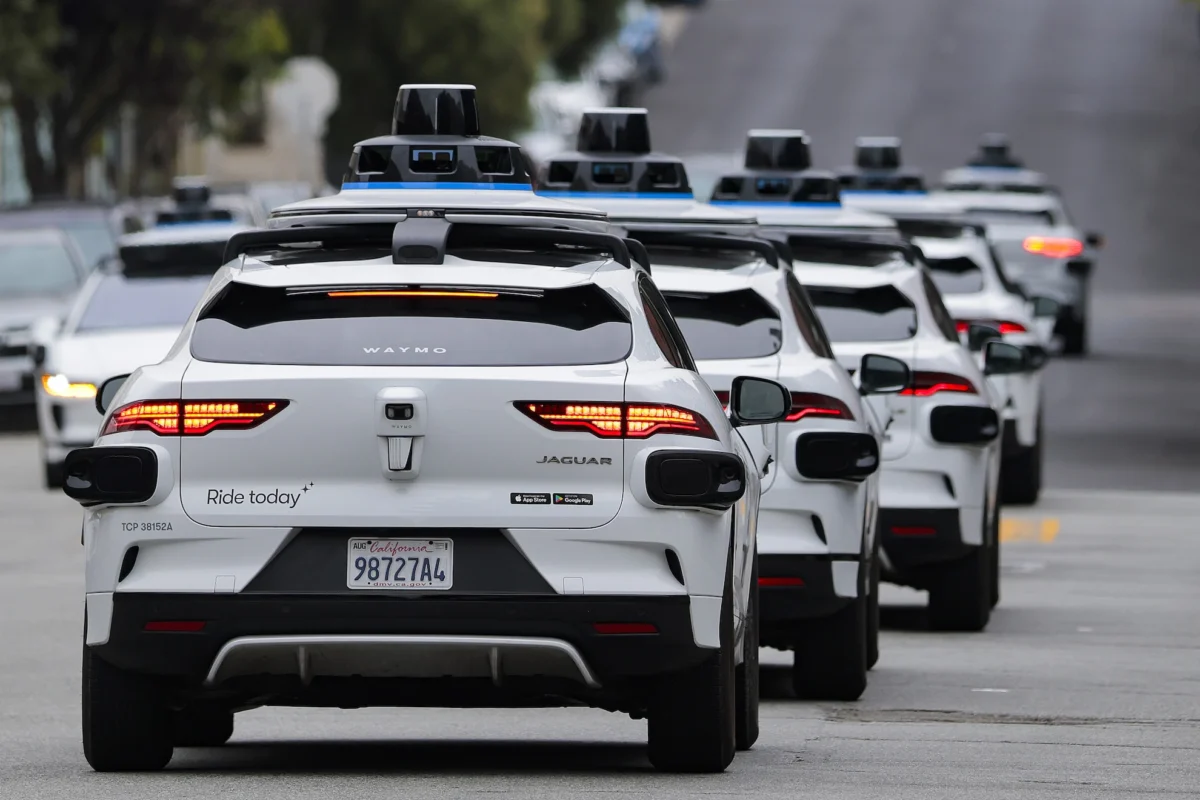
San Francisco, CA – July 18, 2026 – Waymo, the autonomous vehicle subsidiary of Alphabet Inc., has announced the resumption of its robotaxi services in San Francisco following a temporary pause. The service disruption, which lasted approximately one hour, was attributed to significant power outages affecting large swathes of the city. The outages, reportedly impacting around 7,000 Pacific Gas and Electric (PG&E) customers, prompted Waymo to implement "temporary adjustments" to its operations as a precautionary measure.
The temporary suspension of Waymo’s ride-hailing service was first communicated to customers via social media, with a screenshot indicating that the company had "temporarily paused" operations and that "freeway routes are unavailable." This proactive stance highlights the critical dependence of autonomous vehicle technology on stable infrastructure, particularly power supply, and the company’s commitment to passenger safety and operational integrity.
In a statement to TechCrunch, a Waymo spokesperson confirmed the service adjustments. "We are making temporary adjustments to our service while we monitor local conditions," the spokesperson said. "We know riders depend on us, and we will return to normal operations as soon as possible." This indicates a fluid and responsive approach to unforeseen circumstances, a hallmark of operating complex technology in dynamic urban environments.
Further clarification from Waymo revealed the rationale behind the brief but comprehensive pause. The company stated that it "decided to pause service for approx. one hour to assess the scale of the power outage affecting a large portion of San Francisco and coordinate with local officials." This coordination with local authorities underscores the collaborative nature of integrating autonomous vehicle technology into the existing urban fabric and emergency response protocols. The decision to pause for a full hour suggests a thorough evaluation of the situation, ensuring that any recommencement of service would be done with a clear understanding of the risks and potential impacts.
This incident is not the first time Waymo’s operations in San Francisco have been affected by power disruptions. In December 2025, a similar blackout led to a number of Waymo vehicles stalling on city streets, causing significant inconvenience and raising questions about the system’s resilience. Another notable incident occurred on the Fourth of July, when a blackout coinciding with a Golden Gate Bridge fireworks display similarly paralyzed traffic, with Waymo vehicles caught in the ensuing chaos. These recurring events underscore a persistent vulnerability of autonomous systems to widespread infrastructure failures.
The cumulative effect of such incidents has amplified concerns among city officials regarding the regulation and oversight of autonomous vehicles. San Francisco Mayor Daniel Lurie, who has been a vocal proponent of stricter regulations, has previously called for "tougher state regulations" to "adequately address how autonomous vehicles operate during major incidents, planned or not." The recent power outage and subsequent Waymo service pause likely reinforce these calls for more robust regulatory frameworks that can ensure public safety and maintain urban mobility, especially during emergencies.
The evolution of autonomous vehicle technology, while promising significant advancements in transportation, also necessitates a parallel evolution in infrastructure resilience and regulatory preparedness. The San Francisco experience serves as a microcosm of the broader challenges and opportunities associated with deploying self-driving technology in complex urban settings. Waymo’s ability to quickly adjust and resume service, while acknowledging the underlying infrastructure dependencies, demonstrates a learning curve and a commitment to operational continuity. However, the recurring nature of these disruptions highlights the need for ongoing collaboration between technology providers, utility companies, and government agencies to build a more robust ecosystem for autonomous mobility.

The image accompanying this report, credited to Heather Diehl of Getty Images, likely depicts a Waymo vehicle navigating the streets of San Francisco, a common sight that is now underscored by the delicate balance between technological advancement and the realities of urban infrastructure. The visual representation serves as a reminder of the tangible presence of this emerging technology and the continuous efforts required to integrate it seamlessly and reliably into daily life.
Waymo’s operations in San Francisco are part of a broader expansion strategy for the company. The city, with its dense population, complex street network, and diverse traffic conditions, serves as a critical testing ground and commercial market for autonomous vehicle services. Success in San Francisco is often seen as a bellwether for Waymo’s potential in other major metropolitan areas. Therefore, the ability to navigate and recover from such operational challenges is crucial for the company’s long-term viability and public acceptance.
The "temporary adjustments" made by Waymo likely involved a range of measures, from rerouting vehicles to proactively halting operations in areas experiencing significant power loss. The specific technical protocols employed during such events are proprietary, but they would typically involve sophisticated monitoring systems that track power grids, traffic conditions, and vehicle performance in real-time. The decision to involve local officials suggests a coordinated effort to manage the impact on public transportation and emergency services, ensuring that Waymo’s operations do not impede critical responses.
The history of autonomous vehicle deployment is replete with instances where external factors, beyond the control of the technology itself, have influenced operational capabilities. Extreme weather, construction zones, and unforeseen infrastructure failures are all part of the complex tapestry of urban driving. Waymo, like other players in the autonomous vehicle space, must continually refine its systems to account for these variables. The San Francisco power outage serves as a stark reminder that the "last mile" of autonomous mobility depends not only on advanced algorithms and sensors but also on the reliable functioning of the city’s underlying power and communication networks.
Mayor Lurie’s calls for stricter regulations are likely to gain further traction following this incident. The debate surrounding autonomous vehicle regulation often centers on the balance between fostering innovation and ensuring public safety. While autonomous vehicles hold the promise of reduced accidents, increased efficiency, and greater accessibility, their deployment raises new questions about liability, oversight, and the impact on existing transportation systems and employment. The recurring nature of service disruptions due to external factors, as seen with Waymo, prompts a closer examination of the responsibilities of both technology providers and regulatory bodies in managing these risks.
The post-publication update from Waymo, confirming the resumption of service, signifies a successful resolution of the immediate operational challenge. However, the underlying issue of infrastructure vulnerability remains. For San Francisco and other cities embracing autonomous technology, a multi-faceted approach is required. This includes investing in grid modernization, developing robust emergency response plans that account for autonomous vehicles, and establishing clear regulatory frameworks that promote safe and reliable operation.
The broader implications of this event extend to the public perception of autonomous vehicles. While many are optimistic about the potential benefits, incidents like these can fuel skepticism and concern. Waymo’s transparent communication and proactive response are important steps in building trust. However, sustained reliability and resilience in the face of diverse urban challenges will be key to widespread public adoption and acceptance. The company’s commitment to returning to "normal operations as soon as possible" demonstrates an understanding of the importance of consistent service delivery for its riders.
The current context of transportation innovation in San Francisco is one of rapid evolution. The city has been at the forefront of testing and deploying various forms of new mobility, from electric scooters to ride-sharing services and, now, autonomous taxis. This dynamic environment requires a forward-thinking approach to policy and infrastructure planning. The recurring challenges faced by Waymo highlight the need for a comprehensive strategy that integrates new technologies into the existing urban ecosystem in a way that is both innovative and resilient. The ongoing dialogue between technology companies, city officials, and the public will be crucial in shaping the future of urban transportation.
