
 By Titik Puspa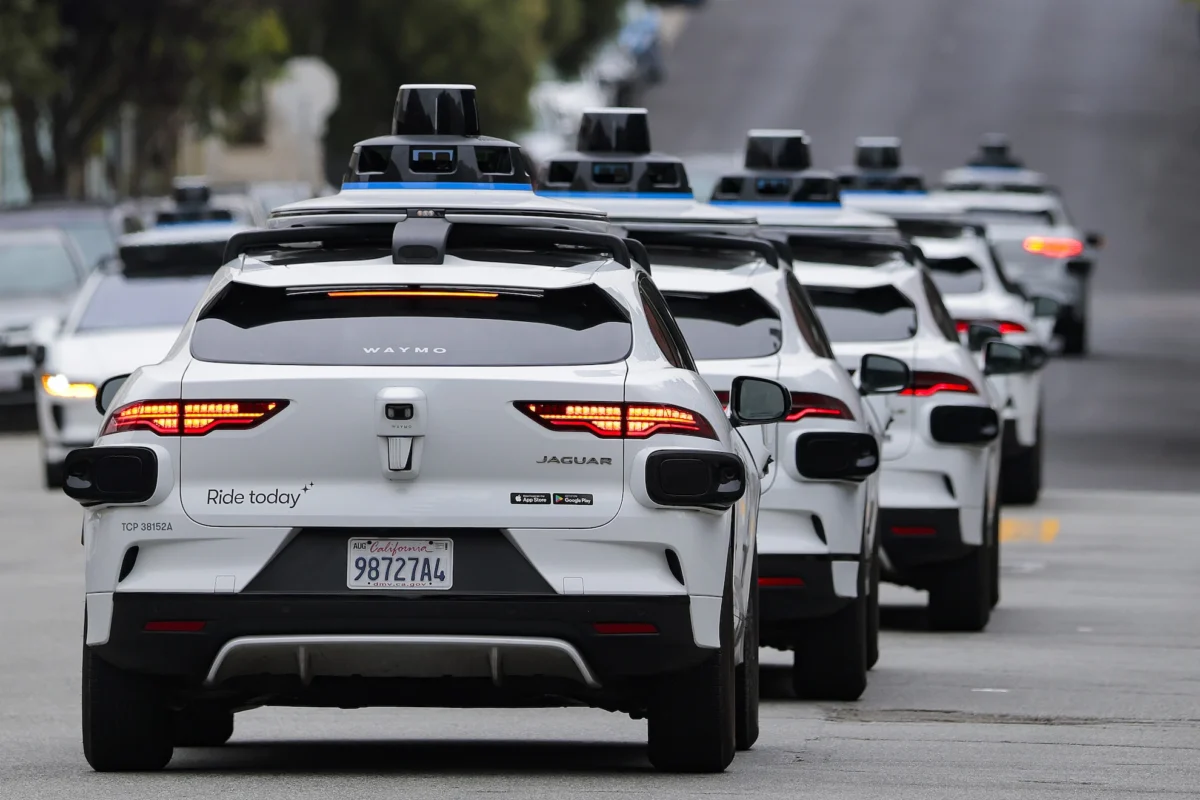
San Francisco, CA – July 18, 2026 – Waymo, the autonomous vehicle division of Alphabet Inc., announced today that its robotaxi service in San Francisco has resumed normal operations after a temporary suspension. The pause, which lasted approximately one hour, was implemented as a precautionary measure in response to a significant power outage that affected a large portion of the city. The outage, which reportedly impacted around 7,000 Pacific Gas and Electric (PG&E) customers, prompted Waymo to make "temporary adjustments" to its service to ensure passenger safety and operational integrity.
The disruption began on Saturday afternoon, July 18, 2026, when Waymo began notifying its San Francisco customers of a service interruption. A screenshot of a notification posted on social media indicated that the robotaxi service was "temporarily paused" and that "freeway routes are unavailable." This communication underscored the immediate impact of the power grid failure on the company’s autonomous operations, which rely heavily on consistent power for vehicle navigation and communication systems.
Upon inquiry from TechCrunch, a Waymo spokesperson confirmed the service adjustments and stated, "We are making temporary adjustments to our service while we monitor local conditions. We know riders depend on us, and we will return to normal operations as soon as possible." This statement reflected a commitment to transparency and a desire to reassure the public about the company’s responsiveness to unforeseen circumstances.
Following the initial publication of this report, Waymo provided further clarification on the duration and reasoning behind the service pause. A spokesperson elaborated that the company "decided to pause service for approx. one hour to assess the scale of the power outage affecting a large portion of San Francisco and coordinate with local officials." This additional detail highlights the methodical approach Waymo takes in managing service disruptions, prioritizing a thorough understanding of the situation before resuming operations. The coordination with local officials suggests an effort to ensure that the resumption of autonomous services would not impede emergency response efforts or exacerbate any traffic congestion caused by the outage.
This is not the first time that power outages have significantly impacted Waymo’s operations in San Francisco. The city, with its complex urban environment and frequent public events, has presented unique challenges for autonomous vehicle deployment. In December 2025, a widespread blackout caused a number of Waymo vehicles to stall on city streets, leading to a temporary suspension of service. Similarly, during a Fourth of July fireworks display, a similar incident disrupted traffic and highlighted the vulnerability of autonomous systems to large-scale infrastructure failures. These past events have undoubtedly informed Waymo’s current protocols for handling such emergencies.
The recurring challenges faced by autonomous vehicle companies like Waymo in urban settings have intensified scrutiny from local authorities. San Francisco Mayor Daniel Lurie, in particular, has been a vocal advocate for stricter regulations governing autonomous vehicle operations. Following previous disruptions, including a notable "traffic fiasco" involving Waymo vehicles, Mayor Lurie has pushed for tougher state regulations. His proposed measures aim to "adequately address how autonomous vehicles operate during major incidents, planned or not." This sentiment reflects a broader concern among city officials and the public about the reliability and safety of self-driving technology, especially when faced with unexpected events that could have cascading effects on city infrastructure and public safety.
The implications of this latest incident extend beyond the immediate inconvenience to Waymo riders. It underscores the critical need for robust contingency planning and resilient technological infrastructure for autonomous vehicle networks. As Waymo and other companies continue to expand their services, they must demonstrate their ability to operate safely and reliably not only under ideal conditions but also during unforeseen emergencies. This includes developing sophisticated fail-safe mechanisms, enhancing communication protocols with city emergency services, and potentially integrating with backup power solutions for critical operational components.
The power outage itself was attributed to a localized issue within PG&E’s network, though the exact cause was still under investigation at the time of reporting. Such widespread outages, even if temporary, can have a significant ripple effect on various city services and private enterprises. For a technology as dependent on constant connectivity and power as autonomous driving, the impact can be particularly pronounced.

Waymo’s swift response and subsequent resumption of service demonstrate a growing maturity in its operational capabilities. However, the recurring nature of these disruptions serves as a reminder of the inherent complexities in integrating cutting-edge technology into the fabric of a bustling metropolitan environment. The company’s commitment to "return to normal operations as soon as possible" in the face of such challenges is a testament to its dedication to its users and its long-term vision for autonomous mobility.
The ongoing dialogue between technology developers and city regulators is crucial for the responsible advancement of autonomous vehicles. Mayor Lurie’s calls for enhanced state regulations are likely to gain further traction as incidents like this highlight potential gaps in current oversight. Future regulations may need to address specific protocols for autonomous vehicle behavior during power outages, extreme weather events, and other public emergencies. This could include requirements for vehicles to safely pull over, communicate their status to authorities, or even have limited autonomous capabilities powered by independent backup systems.
The broader transportation landscape is in a state of rapid evolution, with autonomous vehicles positioned as a key component of future mobility solutions. Companies like Waymo are at the forefront of this transformation, investing heavily in research, development, and deployment. While the promise of safer, more efficient, and more accessible transportation is immense, the path forward is paved with challenges that require careful navigation.
The "In Brief" section of the original report, along with the timestamp and image credits, provides essential context for the news. The image, credited to Heather Diehl of Getty Images, likely depicts Waymo vehicles operating in San Francisco, a common sight as the company expands its public-facing services. The date and time stamp, July 18, 2026, at 12:30 PM PDT, pinpoint the moment of the report’s publication, placing it squarely within the unfolding event.
The inclusion of links to external sources, such as the SFGate article detailing the PG&E outage and the social media post showing Waymo’s notification, serves to corroborate the information and provide readers with opportunities for further investigation. These links are vital for journalistic integrity, allowing for verification of claims and providing a deeper understanding of the context surrounding the event.
Waymo’s strategy of making "temporary adjustments" rather than a complete shutdown of its entire fleet, where possible, reflects a nuanced approach to risk management. The ability to continue operating in unaffected areas or with limited functionality, such as disabling freeway routes, allows the company to maintain some level of service while mitigating risks associated with the outage. This adaptive capability is a hallmark of sophisticated operational systems.
The mention of previous incidents, such as the December 2025 blackout and the Fourth of July traffic disruption, is not merely historical rehashing but serves as crucial context for understanding the ongoing regulatory and public perception challenges. These past events have likely informed Waymo’s current preparedness and communication strategies, as well as shaped the perspectives of city officials and the public.
The article’s concluding statement, "This post has been updated with additional comment from Waymo reflecting that service has resumed," signifies a dynamic news reporting process. It highlights the importance of providing the most current information to the audience, especially in fast-moving situations. The inclusion of an "In Latest in Transportation" section and related articles suggests a broader editorial strategy aimed at keeping readers informed about the latest developments in the transportation sector, with a particular focus on autonomous technology.
In conclusion, Waymo’s successful resumption of robotaxi services in San Francisco following a significant power outage demonstrates the company’s resilience and adaptability. However, the incident also underscores the ongoing challenges and critical need for robust infrastructure, comprehensive regulatory frameworks, and public trust as autonomous vehicles become an increasingly integral part of urban transportation. The future of autonomous mobility hinges on the ability of companies like Waymo to navigate these complexities with transparency, safety, and a commitment to continuous improvement.
