
 By Titik Puspa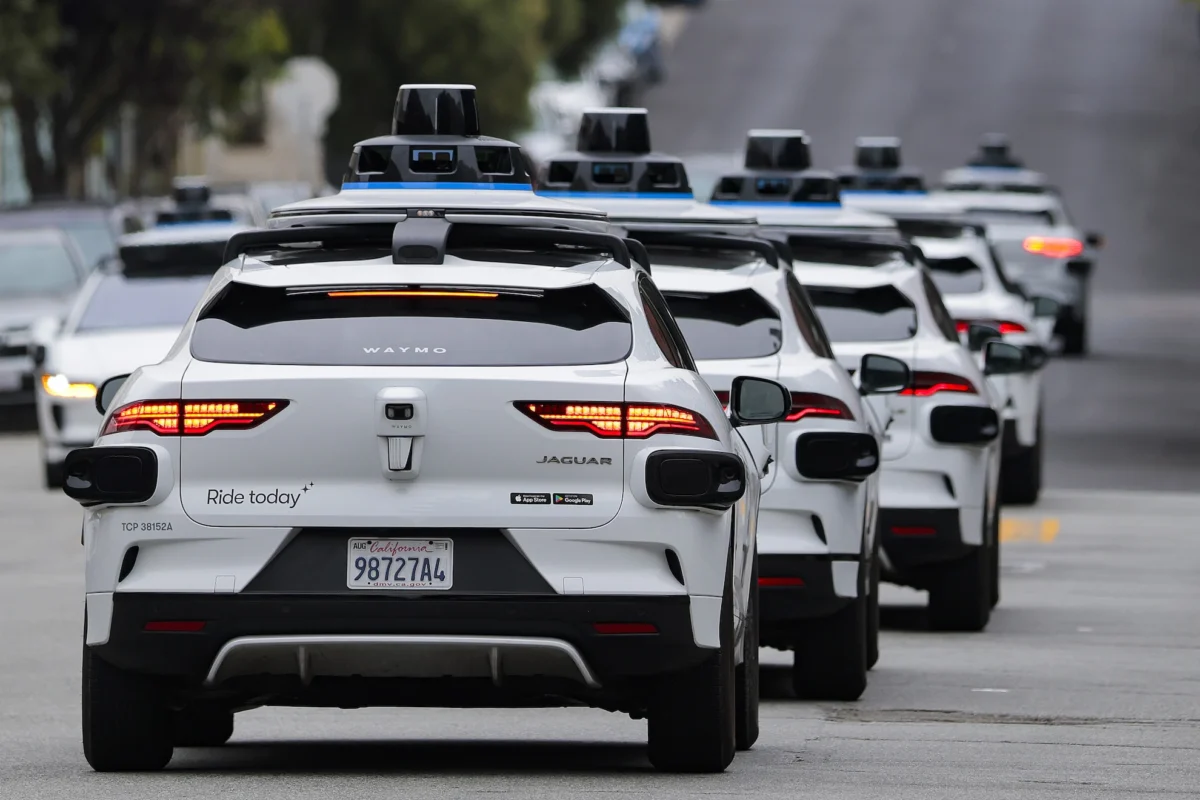
San Francisco, CA – July 18, 2026 – Waymo, the autonomous vehicle subsidiary of Alphabet, has resumed its robotaxi operations in San Francisco after a temporary service interruption. The brief pause, lasting approximately one hour, was implemented as a precautionary measure due to a significant power outage that affected roughly 7,000 Pacific Gas and Electric (PG&E) customers across the city. The incident highlights the ongoing challenges and complexities associated with integrating autonomous vehicle technology into urban environments, particularly during unforeseen disruptions.
The disruption to Waymo’s service was first brought to public attention through a social media post that shared a screenshot of a notification sent to SF customers. The message indicated that service was "temporarily paused" and that "freeway routes are unavailable." This proactive communication strategy, while brief, aimed to inform users of the service limitations and manage expectations during the evolving situation.
In response to inquiries from TechCrunch, a Waymo spokesperson confirmed the temporary adjustments. "We are making temporary adjustments to our service while we monitor local conditions," the spokesperson stated. "We know riders depend on us, and we will return to normal operations as soon as possible." This statement underscores Waymo’s commitment to rider safety and service reliability, while acknowledging the external factors influencing their operations.
Further clarification from Waymo revealed the rationale behind the hour-long pause. The company stated, "We decided to pause service for approximately one hour to assess the scale of the power outage affecting a large portion of San Francisco and coordinate with local officials." This deliberate decision reflects a measured approach to navigating an unpredictable event, prioritizing a thorough understanding of the situation before fully reactivating their fleet. The coordination with local officials is a crucial aspect of autonomous vehicle deployment, ensuring that their operations align with broader emergency response efforts.
This is not the first time that power outages have impacted Waymo’s operations in San Francisco. Previous incidents have demonstrated the vulnerability of autonomous systems to grid instability. In December 2025, a significant blackout caused a number of Waymo vehicles to stall on city streets, leading to a suspension of service. Another notable incident occurred on the Fourth of July, when a similar blackout paralyzed traffic during a fireworks display, disrupting Waymo’s services and drawing public attention to the potential for cascading failures. These past events have served as critical learning opportunities for Waymo, informing their protocols for responding to such emergencies.
The recurring challenges posed by autonomous vehicle operations during major incidents, whether planned or unplanned, have also spurred regulatory discussions. San Francisco Mayor Daniel Lurie has been a vocal proponent of enhanced oversight for autonomous vehicles. Following past disruptions, Mayor Lurie has called for tougher state regulations to "adequately address how autonomous vehicles operate during major incidents, planned or not." This advocacy reflects a growing sentiment among city officials to ensure that the integration of AVs is accompanied by robust safety frameworks and clear accountability mechanisms. The current incident, though resolved swiftly, likely adds further impetus to these calls for stronger regulatory guidance.
The power outage itself, affecting around 7,000 PG&E customers, was attributed to an unspecified issue that led to a localized disruption. While the outage was relatively short-lived for most affected customers, its impact on critical infrastructure, including transportation networks, underscores the interconnectedness of urban systems. The ability of autonomous vehicles to navigate such disruptions safely and efficiently remains a key area of focus for both developers and regulators.
Waymo’s ability to quickly resume operations following the brief pause indicates advancements in their system’s resilience and their response protocols. The company’s sophisticated sensing and navigation systems are designed to handle a wide range of urban driving scenarios, but external factors like widespread power failures present unique challenges. The decision to pause rather than attempt to navigate a potentially compromised environment demonstrates a commitment to a conservative and safety-first approach.

The broader context of autonomous vehicle deployment in San Francisco is one of ongoing evolution and public scrutiny. Waymo, along with other AV companies like Cruise (though its operations have faced significant setbacks and regulatory hurdles), have been testing and deploying their services in the city for years. San Francisco, with its complex urban landscape, dense traffic, and unique weather patterns, serves as a critical proving ground for this technology. Successes and challenges encountered in San Francisco often have far-reaching implications for AV deployment in other cities worldwide.
The current incident, while seemingly minor in its duration, serves as a valuable case study. It highlights the need for:
-
Enhanced Communication Protocols: Clear and timely communication with riders and the public during service disruptions is paramount. Waymo’s use of social media and direct notifications to customers demonstrates an understanding of this necessity.
-
Robust Emergency Response Integration: Autonomous vehicle operators must have well-defined protocols for coordinating with local emergency services and authorities during city-wide incidents. This includes understanding how AVs might impact or be impacted by emergency response efforts.
-
Adaptive Operational Strategies: AV systems need to be designed with the flexibility to adapt to unforeseen circumstances, including infrastructure failures. This might involve more sophisticated power management, redundant communication systems, or enhanced fallback mechanisms.
-
Proactive Regulatory Frameworks: As Mayor Lurie advocates, regulators need to stay ahead of the curve, developing frameworks that anticipate and address the unique challenges posed by autonomous vehicles in dynamic urban environments, especially during crises. This includes clear guidelines for operational limitations during emergencies.
-
Public Trust and Transparency: Incidents like this, even when resolved quickly, can influence public perception. Transparency about the cause of the disruption, the steps taken to address it, and the measures to prevent future occurrences are vital for building and maintaining public trust.
The resumption of Waymo’s service marks a return to normalcy for its users, but the underlying issues raised by this incident will undoubtedly continue to be a focus for the company, city officials, and the broader public. As autonomous vehicle technology matures, its integration into the fabric of our cities will require continuous innovation, vigilant oversight, and a collaborative approach to ensure safety, efficiency, and resilience. The San Francisco experience continues to be a crucial laboratory for understanding the real-world implications of this transformative technology. The company’s ability to quickly recalibrate and restart operations after a significant external disruption suggests a level of operational maturity, yet the recurring nature of such vulnerabilities in urban settings necessitates ongoing vigilance and adaptation. The data gathered from this event will likely feed into future software updates and operational refinements, aiming to further bolster the system’s robustness against a wider array of potential disruptions. The path forward for autonomous vehicles in dense urban environments is clearly one of continuous learning and iterative improvement, with each incident providing invaluable insights into the complex interplay between technology, infrastructure, and the urban ecosystem.
