
 By Lina Irawan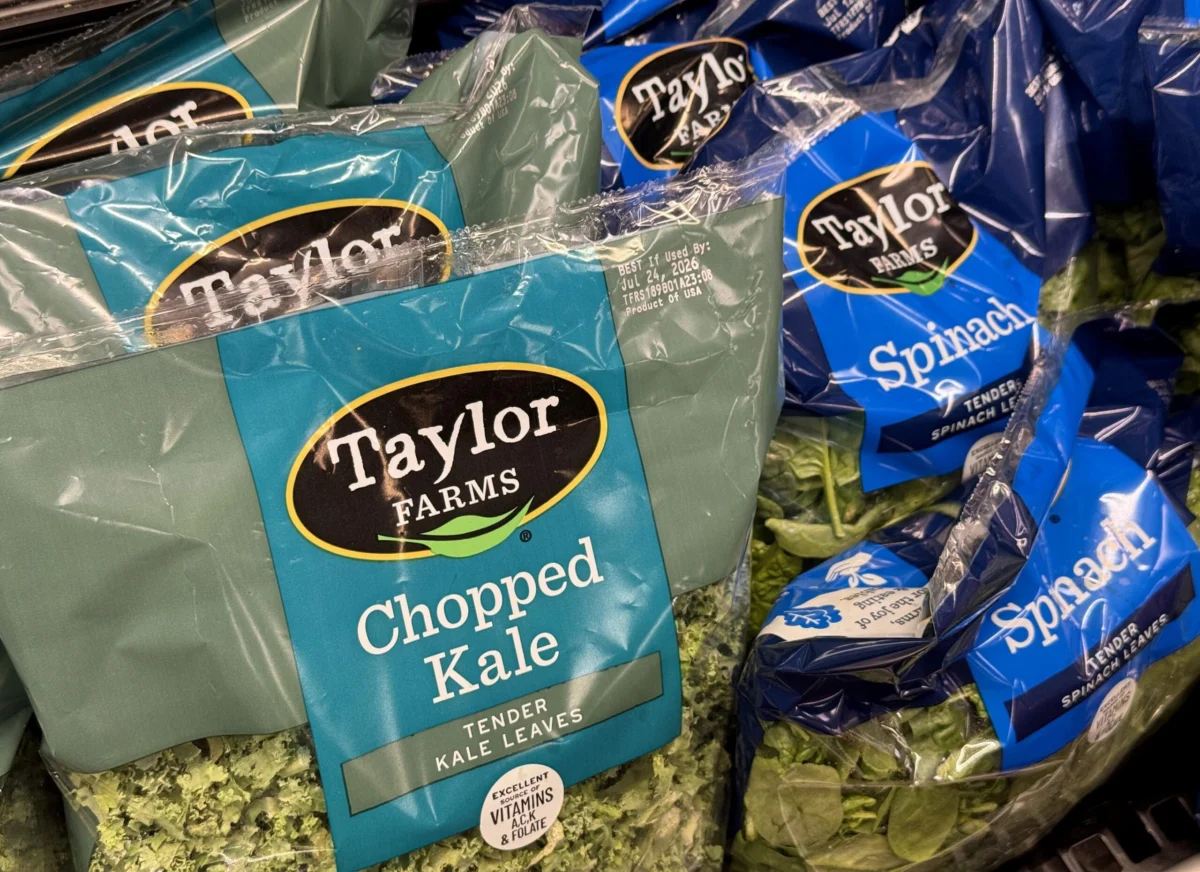
Walmart Inc. has announced the precautionary removal of four bagged iceberg lettuce salad products, sold under its popular Marketside store brand, manufactured by Taylor Farms. This decisive action, taken Saturday, comes as recalls linked to a burgeoning cyclosporiasis outbreak continue to expand across the United States, casting a shadow over the summer produce season. While the retail giant has confirmed no illnesses associated with its specific items sold at select locations, the move underscores the heightened vigilance within the food industry in the face of a complex and geographically widespread public health crisis.
The decision by Walmart, one of the world’s largest retailers, to pull these products highlights the immense pressure on food suppliers and distributors to ensure consumer safety, even in the absence of direct evidence linking their specific offerings to illness. A Walmart spokeswoman stated there was "no indication" that products sold in its stores were affected by the current cyclospora investigations, but the removal of the four items was a "precaution" following a notice from a supplier. This proactive stance reflects a broader industry shift towards extreme caution, recognizing that swift action can mitigate potential risks and preserve consumer trust, which can be fragile in the wake of foodborne illness outbreaks. The Marketside brand, a significant component of Walmart’s private-label portfolio, carries the retailer’s direct reputation, making any potential contamination particularly sensitive.
The backdrop to Walmart’s announcement is a rapidly broadening series of recalls impacting numerous U.S. retail stores. In recent weeks, many shoppers have understandably become wary of purchasing fresh produce, particularly berries and leafy greens, which have historically been implicated in Cyclospora outbreaks. This consumer apprehension is particularly problematic for the produce industry during the summer months, a peak season for sales as people embrace outdoor activities, barbecues, and holiday celebrations, all of which heavily feature fresh fruits and vegetables. Product removals and the associated negative publicity can typically dampen consumer demand for weeks to months, inflicting significant economic damage across the entire supply chain, from farmers to processors to retailers.
This latest development follows an earlier announcement by Taylor Farms, a leading producer of fresh-cut produce, which had already pulled products originating from a Mexico farm that were distributed to 27 states. The company initially stated on Friday that no other products were affected and that its branded salad kits sold in supermarkets did not contain iceberg lettuce. However, in a subsequent statement on Saturday, Taylor Farms broadened its recall, stating it was recalling "all iceberg lettuce" due to its "potential to be contaminated with Cyclospora." This expansion underscores the evolving nature of such investigations and the need for comprehensive action once a potential vector is identified. Taylor Farms confirmed it was "actively removing the implicated products," had ceased receiving product from the implicated lot, suspended distribution of iceberg lettuce from Central Mexico, notified its customers, and was continuing to collaborate with the U.S. Food and Drug Administration (FDA), the Centers for Disease Control and Prevention (CDC), and state authorities. The shredded iceberg product in question was distributed between June 29 and July 16, a critical window for potential exposure.
The international dimension of this outbreak adds layers of complexity. Mexico’s government has pledged to investigate the origins of the parasite outbreak, while simultaneously playing down the idea that contamination definitively occurred within its territory. In a statement released Saturday, Mexico’s Health Ministry confirmed it is working closely with the FDA in an "ongoing" investigation to determine "the source" of the outbreak in the U.S. Research institutions from both the Health and Agriculture ministries in Mexico are assisting the FDA with a "continuous exchange of technical information" aimed at mitigating health risks and protecting populations in both countries. Emphasizing the nuances of traceback investigations, the Mexican government added, "Identifying the product’s country of origin provides a traceability data point, but it does not in itself confirm that the contamination occurred within Mexican territory." This crucial distinction highlights that contamination can occur at various points along a complex supply chain, including during harvesting, processing, packaging, or even distribution in the destination country, even if the raw agricultural commodity originated elsewhere. Given the vast volume of fresh produce traded between the U.S. and Mexico, maintaining confidence in the safety of these imports is vital for both economies.
Cyclosporiasis, the gastrointestinal disease at the heart of this crisis, is caused by ingesting Cyclospora cayetanensis, a microscopic parasite. Unlike bacteria or viruses, Cyclospora is a protozoan parasite that requires time outside a host to become infectious. It is typically transmitted through the fecal-oral route, often via contaminated food or water. The disease has now infected people across 34 states in the U.S., according to the CDC. Michigan, identified as the state with the highest case count, has recorded more than 5,000 illnesses as of July 17. It is important to note that state counts typically lag behind national numbers and often represent only a fraction of the true number of infections, as many mild cases may go undiagnosed or unreported.
The symptoms of cyclosporiasis can be severe, including watery diarrhea, loss of appetite, weight loss, abdominal cramps, bloating, increased gas, nausea, and fatigue. These symptoms can persist for a few days or, in more severe cases, for up to a couple of months. The disease can be particularly debilitating for young children, the elderly, and individuals with compromised immune systems. A significant challenge in tracing the source of Cyclospora outbreaks lies in the parasite’s incubation period, which can range from one to two weeks after ingestion. This delay makes it exceptionally difficult for federal and state health authorities to pinpoint the exact food item and its origin, as consumers often struggle to recall specific meals consumed so far in the past. This epidemiological challenge necessitates extensive interviews, sophisticated traceback efforts, and often, a degree of educated inference to narrow down potential sources.
Earlier this week, health officials had stated that a lettuce supplier to Taco Bell locations in the Midwest was the source of most infections in that particular cluster, distinguishing it from other potential sources contributing to the broader outbreak. This indicates that the current cyclosporiasis outbreak may not stem from a single, monolithic source, but rather from multiple, potentially concurrent, contamination events involving different suppliers or distribution channels. Such a scenario underscores the pervasive nature of the parasite and the vulnerabilities within the fresh produce supply chain.
The FDA has cautioned that more states could be added to the recall notice as their investigation progresses, emphasizing the dynamic and evolving nature of the situation. This ongoing vigilance and potential for further expansion mean that consumers must remain attentive to public health alerts and exercise caution when preparing fresh produce. Food safety experts often reiterate the importance of thoroughly washing all produce, even pre-washed items, to minimize risk, although it is acknowledged that Cyclospora can be particularly resistant to typical washing methods.
From a broader perspective, this outbreak highlights systemic challenges in ensuring the safety of fresh produce. Leafy greens, due to their large surface area, often raw consumption, and complex cultivation and harvesting processes, are frequently implicated in foodborne illness outbreaks. The economic impact on the produce industry is substantial, not only through direct recall costs but also through the erosion of consumer confidence. Past outbreaks have shown that regaining trust can be a lengthy process, often requiring enhanced industry standards, clearer labeling, and robust communication strategies. Innovations in food safety, such as blockchain technology for enhanced traceability and more rapid pathogen detection methods, are becoming increasingly vital in mitigating future risks.
Ultimately, safeguarding the food supply against pathogens like Cyclospora requires a concerted, collaborative effort involving growers, processors, distributors, retailers, and government regulatory agencies, both domestically and internationally. This ongoing investigation into the current cyclosporiasis outbreak serves as a stark reminder of the continuous need for vigilance, robust food safety protocols, and transparent communication across the entire global food supply chain to protect public health and maintain consumer confidence in the foods they consume daily.
