
 By admin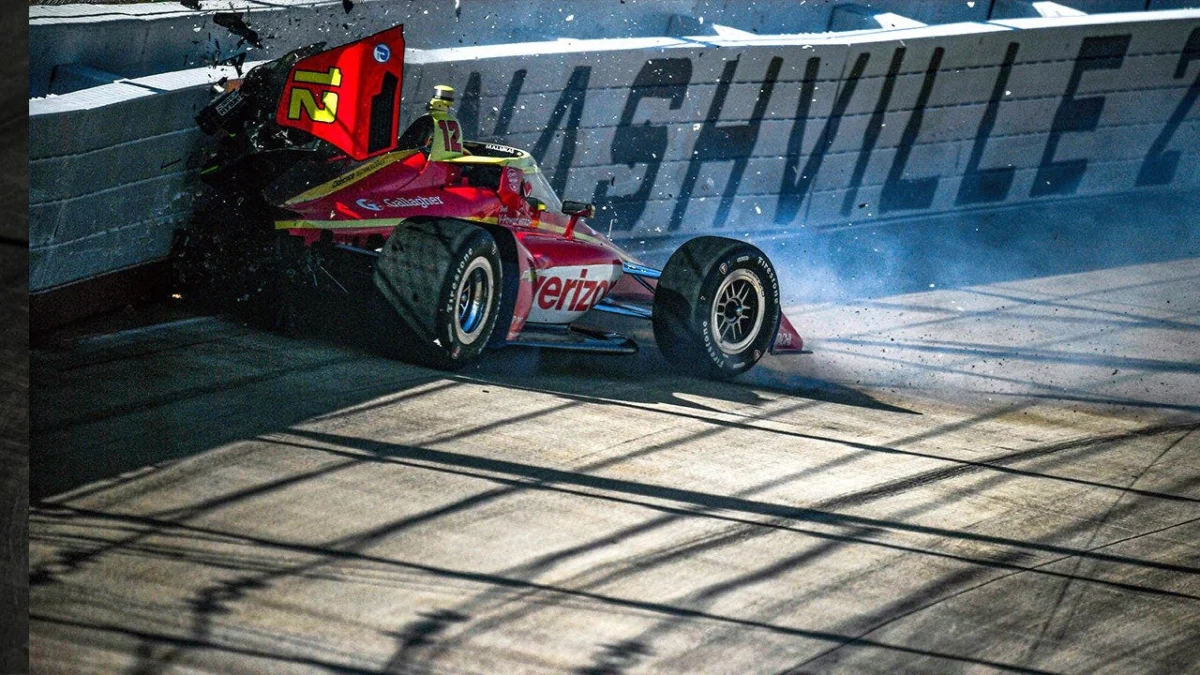
The highly anticipated IndyCar weekend at Nashville Superspeedway, poised to enjoy a significant viewership boost from the FIFA World Cup final, kicked off with a concerning incident involving Team Penske’s David Malukas. The young American driver experienced a dramatic crash during Saturday morning practice, resulting in substantial damage to his No. 12 Chevrolet and forcing him to withdraw from the day’s qualifying session. The incident has cast a shadow over his participation in Sunday’s Borchetta Bourbon Music City Grand Prix and raised questions about his immediate future in the series.
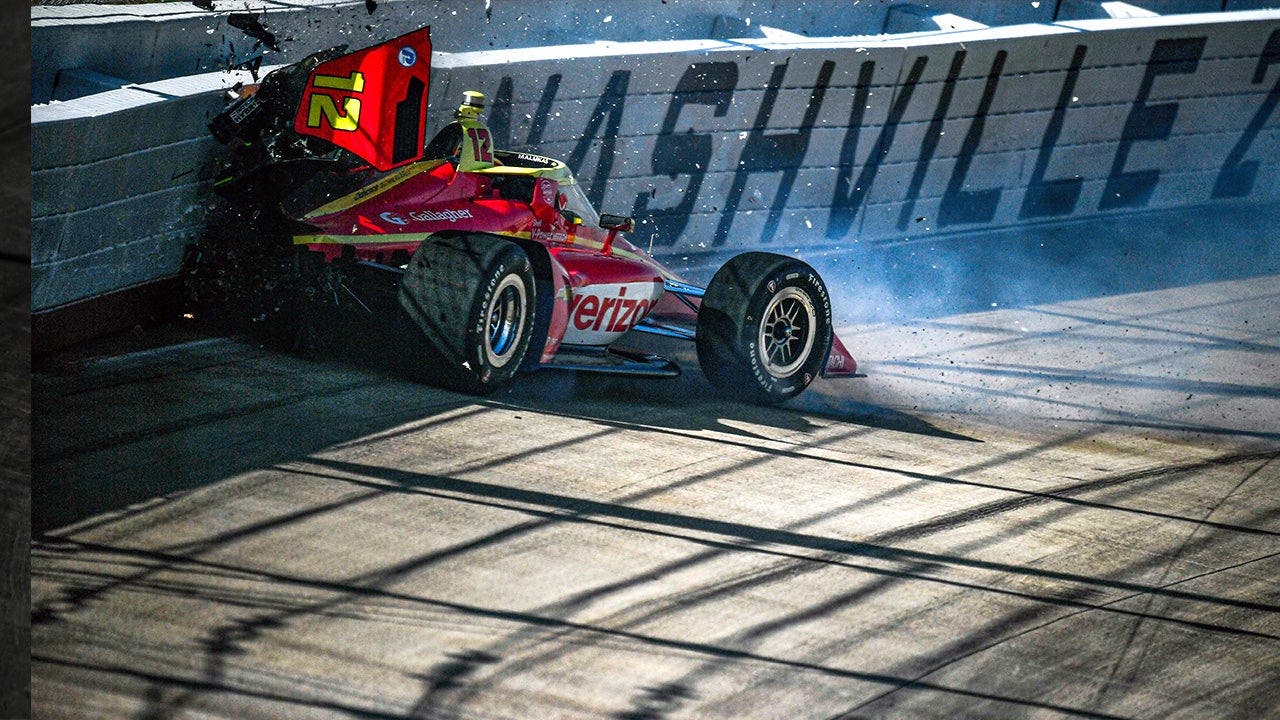
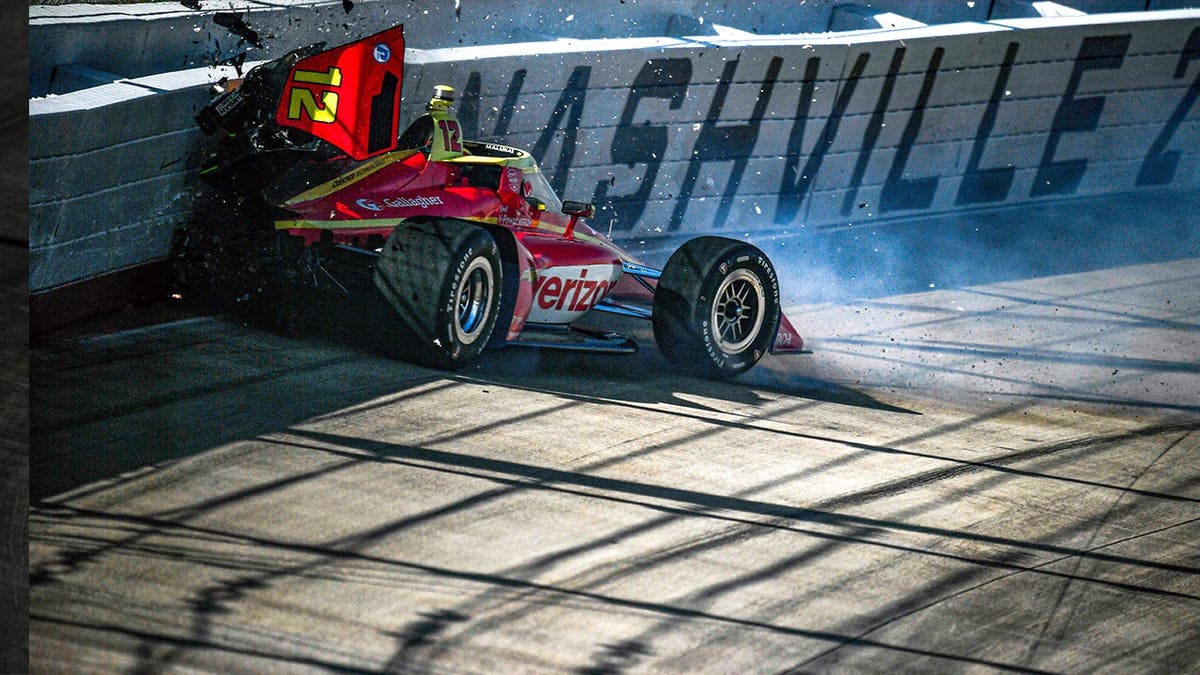
Malukas, in his debut season with the prestigious Team Penske outfit, was navigating a corner when the rear of his car inexplicably broke loose. The machine slid sideways, impacting the SAFER barrier with its left rear before coming to a halt. The force of the collision was significant, leaving the rear end of the Chevrolet in a severely compromised state. Initial reports indicated that Malukas was conscious, alert, and in good spirits following the incident, a testament to the safety advancements in modern motorsport. However, concerns were amplified when it was announced he had been transported to a local hospital for further medical evaluation and testing.
In Malukas’s absence, IndyCar veteran Conor Daly has been called upon to pilot the No. 12 Chevrolet for the qualifying session. While Daly is set to take the wheel, his involvement beyond qualifying remains uncertain. His status for Saturday evening’s practice session and, crucially, for the main event on Sunday, the Borchetta Bourbon Music City Grand Prix, is still to be determined. This situation is further complicated by an existing nine-place grid penalty that Malukas was already slated to incur due to an unapproved engine change. This penalty, while significant, now pales in comparison to the uncertainty surrounding his ability to even compete.
The team’s immediate priority has shifted to repairing the heavily damaged No. 12 Chevrolet. If the car can be made race-ready in time for qualifying, Daly’s role will be to perform a crucial shakedown run. This shakedown is not just about getting laps on the track; it’s a critical assessment to ensure the car’s structural integrity and mechanical soundness for the remainder of the race weekend, irrespective of who is behind the wheel. The team’s efforts were ongoing even as qualifying commenced, highlighting the significant challenge they face. Furthermore, there’s a stipulation within IndyCar regulations: if Daly participates in qualifying, he must also complete the remainder of the race weekend, even if Malukas is medically cleared to return. This rule adds another layer of strategic complexity for Team Penske as they navigate this unforeseen challenge.
David Malukas, a 24-year-old driver from Chicago, has been a revelation in his rookie season with Team Penske. He currently sits in a respectable fourth place in the championship standings, trailing the formidable Alex Palou by 66 points. His performances have demonstrated considerable skill and maturity, with one pole position, five top-five finishes, and nine top-ten results to his name. Notably, he achieved a strong second-place finish in this year’s prestigious Indianapolis 500, a performance that showcased his potential on the sport’s grandest stage. His consistent results have established him as a genuine contender and a promising talent for the future of American open-wheel racing.
This incident also comes on the heels of a significant public appearance for Malukas. Earlier in the week, he, along with fellow prominent drivers Alex Palou and Indianapolis 500 winner Felix Rosenqvist, had the distinct honor of visiting the White House. This visit was in anticipation of the upcoming Freedom 250 Grand Prix of Washington, D.C., a race that promises to be a landmark event for the sport. The opportunity to represent IndyCar at such a high-profile venue underscores Malukas’s growing stature within the racing community and his importance as an ambassador for the series. The contrast between this prestigious engagement and the current uncertainty surrounding his racing future serves as a stark reminder of the inherent risks involved in professional motorsport.
The Nashville Superspeedway, a 1.33-mile D-shaped oval, has become a popular fixture on the IndyCar calendar since its debut in 2021. Known for its demanding layout and often thrilling racing, it provides a unique challenge for drivers and teams alike. The track’s relatively short length and high speeds can lead to close competition and potential for incidents, as demonstrated by Malukas’s crash. The series’ decision to schedule the Music City Grand Prix on a weekend that also features the FIFA World Cup final highlights a strategic effort to capitalize on broader sports viewership, aiming to attract a wider audience to IndyCar. However, such scheduling also means that any significant on-track drama, positive or negative, will be amplified by the surrounding sports conversation.
The importance of team dynamics and driver development within IndyCar cannot be overstated, and David Malukas’s situation brings this into sharp focus. Team Penske, one of the most successful and storied organizations in motorsport history, has a reputation for meticulous preparation and unwavering support for its drivers. Their ability to react swiftly and effectively to unexpected challenges, such as the one presented by Malukas’s crash, will be crucial. The seamless integration of a substitute driver like Conor Daly, who brings his own experience and skillset to the table, is a testament to the professionalism within the team. Daly, a well-respected figure in the IndyCar paddock, has proven his capability in various racing disciplines and is known for his ability to step into a challenging situation and perform.
The physical demands of IndyCar racing are immense, and drivers often push their machines and their bodies to the absolute limit. The SAFER barrier, a safety innovation designed to absorb and dissipate impact energy, has undoubtedly played a role in preventing more severe injuries in crashes like Malukas’s. However, even with these advanced safety measures, the forces involved in high-speed impacts can still lead to significant physical repercussions. The decision to transport Malukas to the hospital for further evaluation reflects a commitment to prioritizing driver well-being above all else. The thoroughness of medical assessments in professional racing is paramount, ensuring that drivers are not only cleared to return to competition but are also fully recovered from any potential injuries.
The narrative surrounding David Malukas’s rookie season has been one of steady progress and impressive results. His performances have often been characterized by aggressive driving combined with a strategic approach, allowing him to consistently challenge for top positions. His ability to adapt to the powerful machinery of IndyCar and the intricacies of oval racing has been particularly noteworthy. The Indy 500, where he secured a runner-up finish, was a career-defining moment, signaling his arrival as a top-tier talent. His contributions to Team Penske’s championship aspirations this season have been significant, making his potential absence from the Nashville race a considerable blow to their campaign.
The context of the Borchetta Bourbon Music City Grand Prix itself adds another layer of interest to the weekend’s proceedings. Nashville has embraced IndyCar with enthusiasm, and the race has quickly become a highlight of the season, known for its vibrant atmosphere and the unique challenge of its street circuit. The blend of high-octane racing with the city’s rich musical heritage creates an appealing spectacle for fans. However, the success of such events is intrinsically linked to the presence of the sport’s top drivers and compelling storylines. Malukas’s crash, while unfortunate, inevitably becomes a part of the weekend’s narrative, shaping the anticipation and the unfolding drama.
Looking ahead, the focus will undoubtedly remain on David Malukas’s recovery and the team’s efforts to repair and prepare the No. 12 Chevrolet. The decision regarding who will drive the car in Sunday’s race, should Malukas be unable to compete, will be a critical one for Team Penske. The implications of this incident extend beyond a single race weekend, potentially impacting Malukas’s momentum and his championship standing. However, the resilience and adaptability of both the driver and the team will be put to the test, as is often the case in the unpredictable world of professional racing. The sport eagerly awaits updates on Malukas’s condition and the team’s progress, hoping for a swift return to action for the promising young talent. The underlying message from this scary incident is a stark reminder of the inherent dangers of motorsport and the paramount importance of safety protocols and driver welfare.
