
 By admin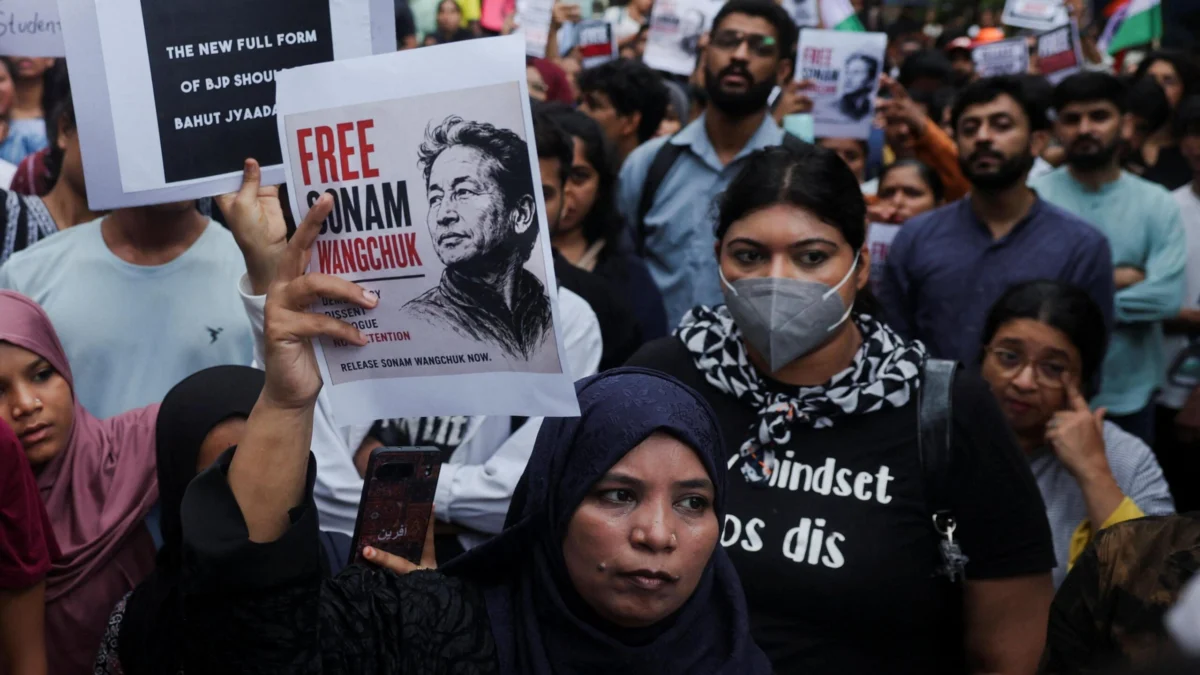
Tens of thousands of Generation Z protesters have ignited the streets of India’s capital, New Delhi, demanding the resignation of the nation’s Education Minister. What began as a satirical online movement just a couple of months ago has rapidly evolved into the Cockroach Janta Party (CJP), now recognized as one of India’s most visible and vocal youth movements. This surge of public discontent, fueled by a blend of genuine grievances and a unique, tongue-in-cheek approach, highlights deep-seated frustrations within India’s youth demographic regarding the state of its education system and broader socio-political issues.
The genesis of the CJP lies in a surprising place: a joke. Abhijeet Dipke, a 30-year-old political communications strategist and alumnus of Boston University, conceived the idea as a platform for disaffected young people. "I thought we should all come together, maybe just start a platform," Dipke recounted to the BBC, reflecting on the movement’s humble beginnings. However, the response far exceeded his expectations. Upon offering a simple Google form for individuals to sign up and express their interest, Dipke was inundated with tens of thousands of responses. This overwhelming engagement quickly transformed a lighthearted concept into a formidable protest force.
The CJP’s transition from online satire to offline activism culminated in a planned march to Parliament on July 20th, following an announcement on July 9th. The turnout in Delhi was substantial, with thousands of young individuals converging to voice their demands. Beyond the capital, solidarity protests and candle-lit vigils, though smaller in scale, also took place in major cities like Mumbai, Bengaluru, and Goa, demonstrating a nationwide resonance with the movement’s message.
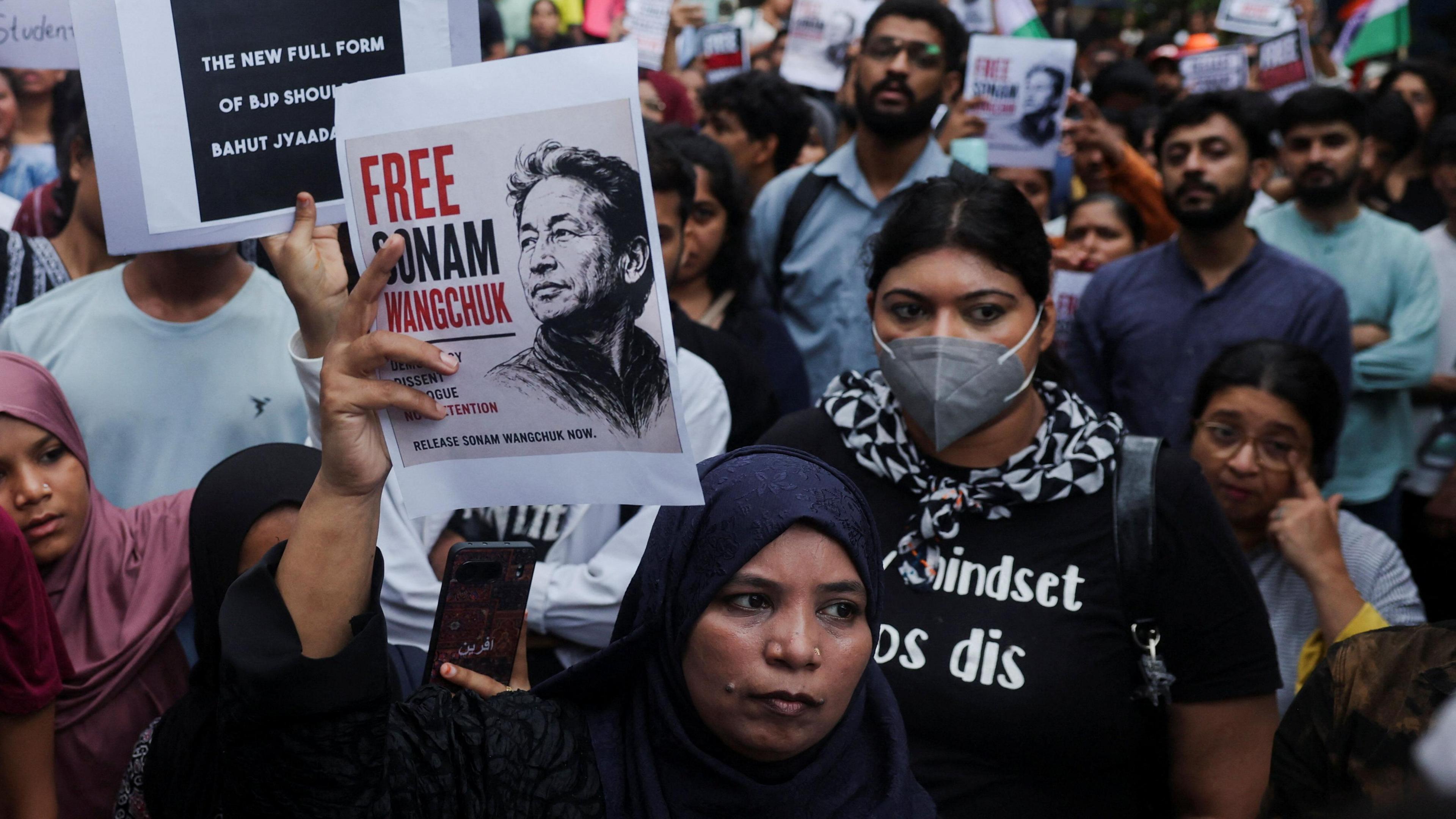
The protest gained significant traction and emotional weight due to the treatment of Sonam Wangchuk, a renowned engineer and prominent activist. Wangchuk had initiated a hunger strike on June 28th at Jantar Mantar, a historic 300-year-old observatory in central Delhi that has long served as a focal point for public demonstrations. His protest was in solidarity with the CJP and its demands. The situation escalated dramatically on Saturday, July 19th, when the 59-year-old activist was forcibly taken to a hospital by authorities. This action sparked widespread outrage among CJP supporters and amplified media attention on the movement. Despite being hospitalized, Wangchuk continued his hunger strike, underscoring the severity of his commitment and the growing urgency of the protesters’ concerns.
The provocative moniker, "Cockroach Janta Party," is a direct response to a controversial remark made by India’s Chief Justice, Surya Kant, during a court hearing in May. Allegedly, the Chief Justice compared unemployed young people who were drifting towards journalism and activism to "cockroaches and parasites." While the Chief Justice later clarified that his comments were intended to refer specifically to individuals holding "fake and bogus degrees" and not the broader youth population, the damage was done. The CJP adopted the term as a badge of defiance and a symbol of reclaiming their narrative, turning a perceived insult into a powerful rallying cry. The name also serves as a deliberate parody of Prime Minister Narendra Modi’s Bharatiya Janata Party (BJP), the ruling party since 2014, playing on the similarities in nomenclature while highlighting a stark contrast in perceived values and treatment of citizens. Embracing their new identity, young volunteers have been seen at clean-up drives and protests, humorously adorned in cockroach costumes, embodying the spirit of resilience and unconventional protest that defines the movement.
The core of the CJP’s agitation is centered on deep-seated issues within India’s education system, particularly concerning the integrity and fairness of national entrance examinations. The National Eligibility cum Entrance Test (NEET), the gateway for admission to medical colleges nationwide, has become a focal point of discontent. In the recent exam held on May 3rd, nearly 2.28 million candidates, who had dedicated months, if not years, to rigorous preparation for the notoriously difficult paper, faced immense disappointment. Just days after the exam, allegations of question paper leaks led to its cancellation. This abrupt decision dealt a significant blow to the aspirations of countless students, forcing them to retake the exam under heightened security measures weeks later. The emotional toll of this ordeal was profound, with reports suggesting that approximately 20 students died by suicide due to the distress caused by the cancellation and the uncertainty surrounding their futures. The NEET exam had also been embroiled in controversies in 2024, adding to the growing public skepticism about its reliability and the efficacy of the examination bodies.
Consequently, the CJP is demanding a sweeping overhaul of the education system. Their demands include greater accountability for alleged exam paper leaks and the immediate resignation of Education Minister Dharmendra Pradhan. The forceful detainment of Sonam Wangchuk further fueled the movement’s anger, with CJP leader Abhijeet Dipke extending the call for accountability to Prime Minister Modi himself, demanding his resignation.
The CJP’s protests, while primarily focused on educational reforms, have inadvertently become a significant political event, drawing the attention of opposition parties and highlighting a growing dissent against the current government. The scale of the protest on Monday, July 21st, marked one of the largest demonstrations against Modi’s administration in recent memory, signaling a potential shift in the political landscape.
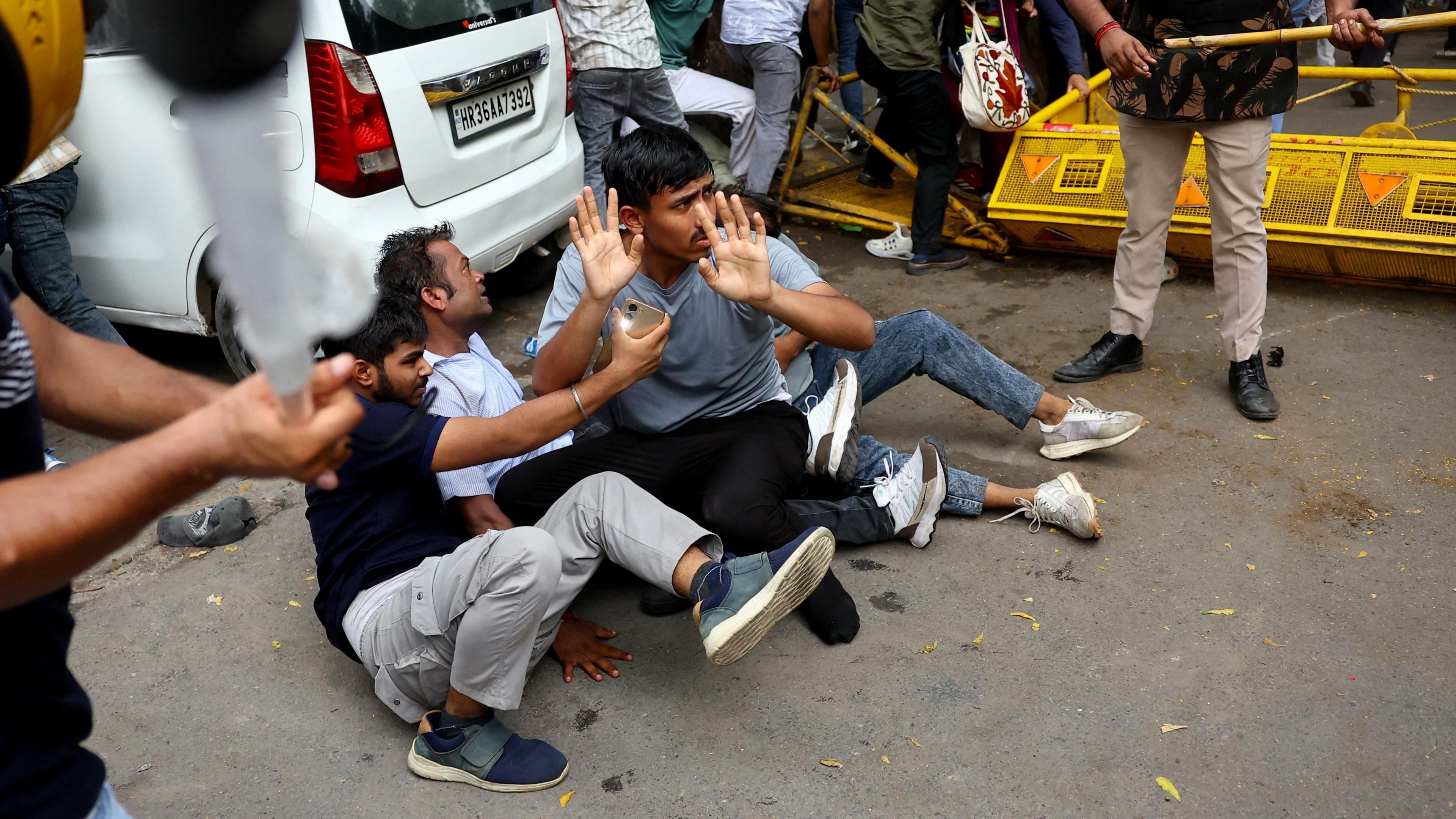
Opposition leaders have been quick to voice their support and solidarity with the protesting students. Mallikarjun Kharge, the president of the Indian National Congress, condemned the police’s use of batons against the protesters, labeling it an "attack on democracy." Mahua Moitra, a Member of Parliament from the All India Trinamool Congress, participated in the protests on Monday morning before attending parliamentary proceedings. Akhilesh Yadav, the chief of the Samajwadi Party, also expressed his support for the students, emphasizing that they should be treated with respect. On Tuesday, July 22nd, opposition leader Rahul Gandhi publicly questioned Prime Minister Modi’s silence on the crackdown and urged him to apologize to the students.
While the ultimate success of the CJP in achieving its stated goals – the removal of the Education Minister and a complete overhaul of the education system – remains to be seen, its impact on the Indian socio-political discourse is undeniable. The movement has effectively galvanized a generation of young Indians, providing them with a platform to articulate their frustrations and demand systemic change. The "cockroach" metaphor, initially intended as an insult, has been brilliantly repurposed as a symbol of tenacity and an unwavering spirit in the face of adversity, reflecting the indomitable will of a youth population determined to shape its own future. The widespread support from opposition parties further underscores the growing political significance of the CJP’s movement, potentially setting the stage for more significant challenges to the ruling government in the future. The scale and passion of these protests suggest that the issues raised by the CJP are not merely fleeting concerns but represent a deeper, more pervasive dissatisfaction that demands serious attention and meaningful action from the Indian authorities. The movement’s ability to transcend online satire and translate into tangible street protests, coupled with its strategic use of provocative symbolism, positions it as a potent force in contemporary Indian activism.
