
 By admin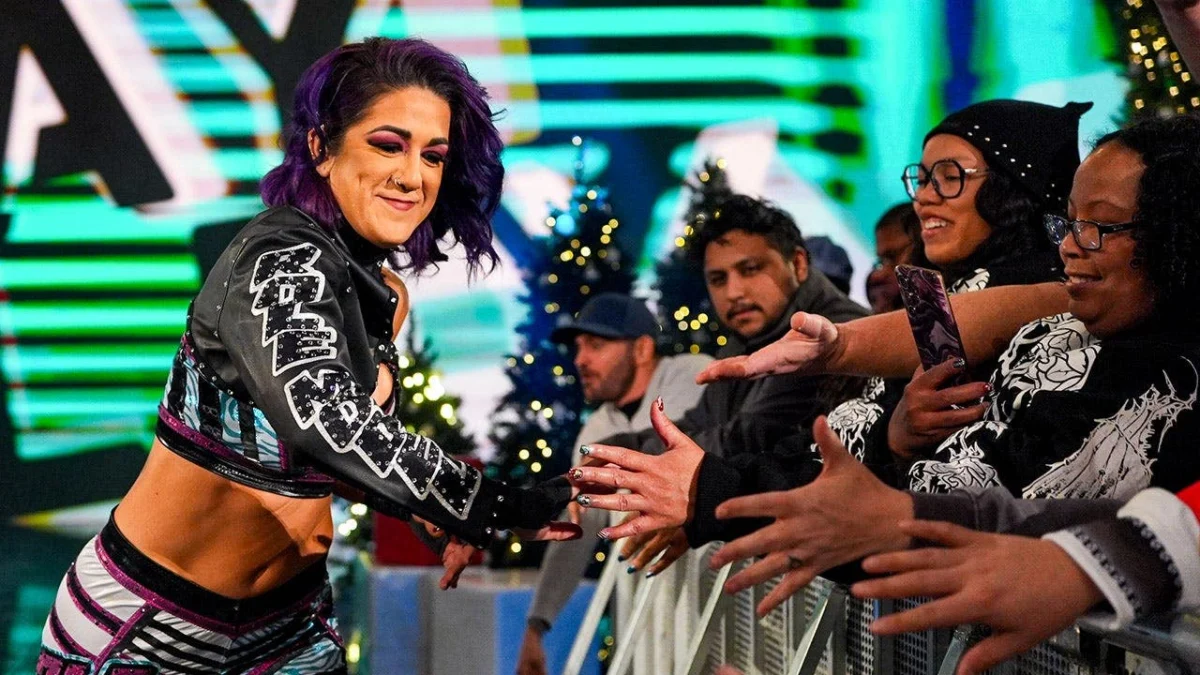
WrestleMania stands as an unparalleled spectacle within the realm of sports, transcending mere athletic competition to become a cultural phenomenon. It is unequivocally the flagship event of World Wrestling Entertainment (WWE), a grand fusion of the electrifying fanfare akin to the Super Bowl with the raw, unadulterated intensity of combat sports. This annual extravaganza marks the dramatic culmination of the company’s most compelling rivalries, while simultaneously igniting fervent hope among legions of fans for the potential return of legendary figures or surprise appearances from beloved wrestling icons.
For the dedicated athletes who step into the squared circle, WrestleMania represents something profoundly more significant. It is the ultimate zenith of their relentless dedication, a testament to years of arduous training, sacrifice, and unwavering commitment. It offers an unparalleled platform to showcase their extraordinary skills and captivating personas to an audience that swells into the tens of thousands within the stadium, and an even more staggering number of millions tuning in from around the globe. The pressure is immense, the stakes are immeasurably high, and the legacy forged on this grand stage can define a career.
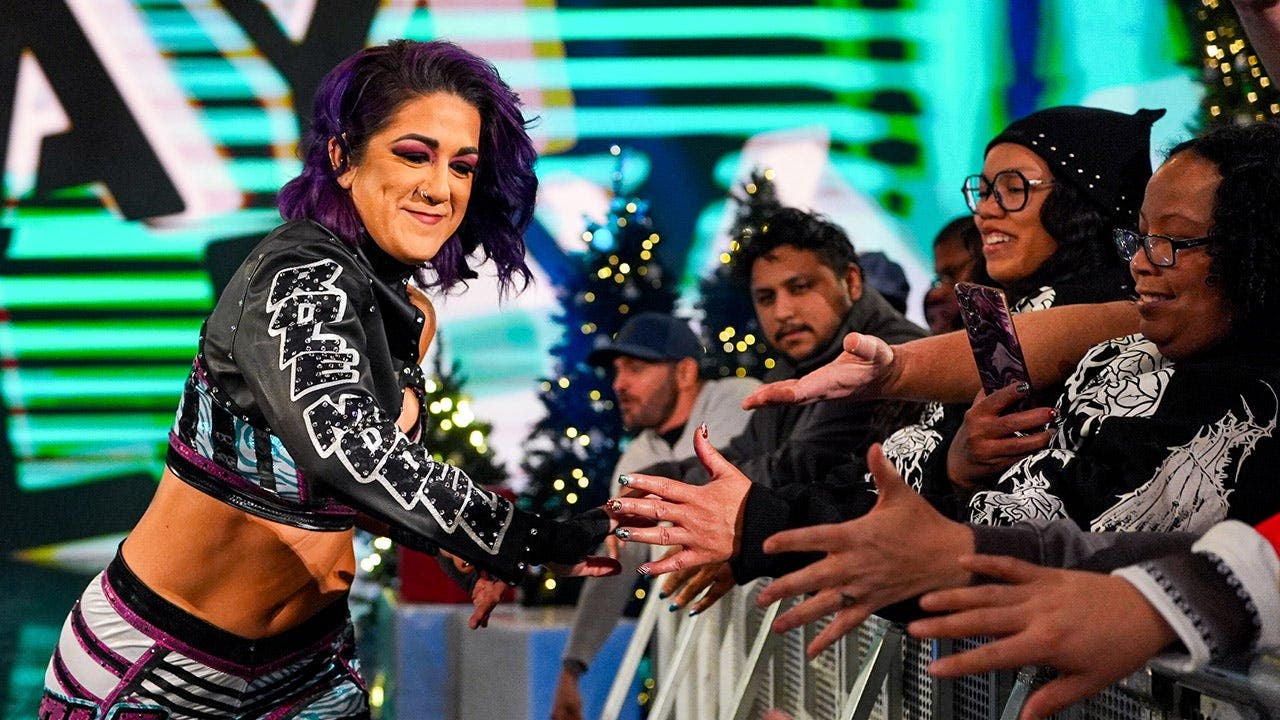
"To me, WrestleMania when I was a kid always felt like it was on another planet because of the theatrics, because of the stage, the fireworks, the people dressed up – like, not just the wrestlers and performers but the people in the crowd," shared WWE Superstar Bayley, reflecting on the event’s magical allure. "They treat it like they’re going to prom or they’re going to a 50th wedding anniversary. They plan all year long and they dress up for it and they’re prepared. And it just seemed like it’s on another planet, like it was so far out of reach because when you’re in the stadium, everybody who’s there, nothing else matters in the world, you know? Like nothing on the outside of that stadium matters except what’s there and only you and now, 80,000, 90,000 people are experiencing it together."
This sentiment of collective experience is a recurring theme among the WWE roster. Bayley further elaborated on the profound emotional connection fostered by WrestleMania, extending beyond the ring. "And to me, that’s a very special feeling that’s hard to explain unless you’re there. Even when you are watching on TV, it’s like you want to be there. To me, it’s very special because my family and friends, you know, they don’t get to come to everything. They don’t get to come to all the matches as much as they would love to, or WrestleMania is an excuse for them to leave the state, leave their house and to come all together and there for me but it’s just one of the rare times that everybody gets together. So, I believe that goes the same for fans as well. There might be a group of friends that they only see once a year and it’s at WrestleMania or you might only see your crazy uncle at WrestleMania. It just brings family and friends together and it’s a very special night… two nights!"
The "Super Bowl of Wrestling," as it’s often dubbed, draws in a broader audience than typical WWE programming. Alex Shelley, a seasoned performer, highlighted this unique aspect: "A lot of people who don’t watch pro wrestling will watch WrestleMania. I feel like this is the Mecca to the point where it is equivalent to the Super Bowl. People who are kind of on the fringe, only hear about pro wrestling, are going to watch this event. Our performers and our athletes in this company, people we’re co-workers with, go out there and really do give it everything they’ve got in order to capture those people."
This broader appeal underscores the immense pressure and responsibility felt by the wrestlers. Jade Cargill, a dominant force in the women’s division, echoed the "Super Bowl" analogy and emphasized the narrative significance of WrestleMania: "It’s our Super Bowl. All our storylines are coming to a close but also new storylines are forming as well because we have Raw on the Monday, which is the biggest Raw of the year after WrestleMania because storylines are coming out of ‘Mania. It’s the payoff to it all. Rhea and I’s storyline started around February at Elimination Chamber, and it came out of nowhere. It’s the payoff to everything. It’s the biggest matches of the year, the biggest entrances of the year, the best gear of the year. … It’s the biggest entertainment nights of the year. But you see a lot of hard hitting and a lot of emotion. A lot of emotion and it gets people so invested and that’s why we continue to have so many fans that continue to show up and show out for us every single year."
The concept of WrestleMania as a career-defining moment is a consistent thread. Ricky Saints articulated this deeply personal aspiration: "WrestleMania is the culmination of all the hard work from the whole entire year up until this moment where you go out there and you show every single person who you are an what you’re made of and I think it’s a great testament to the wrestlers themselves to get to a ‘Mania because it’s like I finally was able to do what I’ve had a lifelong dream of wanting to do. Everyone wants to wrestle at WrestleMania. To be able to accomplish a dream that you had since childhood, if you haven’t experienced that, I don’t know, that’s an unworldly type of feeling to have."
This dream-like quality extends to the fan experience, transforming the event into a pilgrimage for many. Sol Ruca shared insights gained from fan interactions: "Hearing some of the fans talk about what WrestleMania means to them because, again, I didn’t grow up watching wrestling, I was never really a fan, but hearing some of the fans during meet and greets be like, ‘I saved up all year for this moment,’ like, ‘I saved up so I can buy this merch and so we can go to the show and to meet you,’ and it’s just, it’s really, really cool to see how passionate people are. Especially, people that aren’t in the business. This is a full-time job. We don’t have an offseason. So, in a way, it is like our end of the year celebration but it also doesn’t stop after that. It’s kind of a reset but it is a way for us to kind of wrap up everything and just go balls to the wall and to put it all out there for a night."
The economic impact and the week-long celebration surrounding WrestleMania are also significant. Scarlett Bordeaux, a former WWE talent now carving her path in independent wrestling, highlighted this broader ecosystem: "It feels like the first time every year that all of wrestling comes together for one event. So, even if you can’t afford tickets to go to WrestleMania, there’s all these incredible independent shows that are going on that week that you can see, and everyone is just enjoying wrestling together. The Super Bowl of wrestling is honestly the best way you can put it. The way I fell in love with wrestling, honestly, it was with the smaller shows, truthfully. It really, really was. I wasn’t allowed to watch wrestling when I was a kid, so it was going to these more intimate shows that allowed me to connect with the performers. And it wasn’t until later that I understood the joy of WWE, but it was the independent shows that got me hooked, honestly."
The "Mecca" of professional wrestling, as Shelley described it, attracts talent from all corners of the industry, fostering a unique atmosphere of shared passion and competition. Chris Sabin, speaking to the collective effort, stated: "I think if everyone is on the same wavelength, this is the apex of everything they’ve worked for all year long. This is the biggest show in pro wrestling. Everyone putting forth that effort makes the show that much greater. It’s a spectacle man. It’s the greatest thing in sports entertainment."
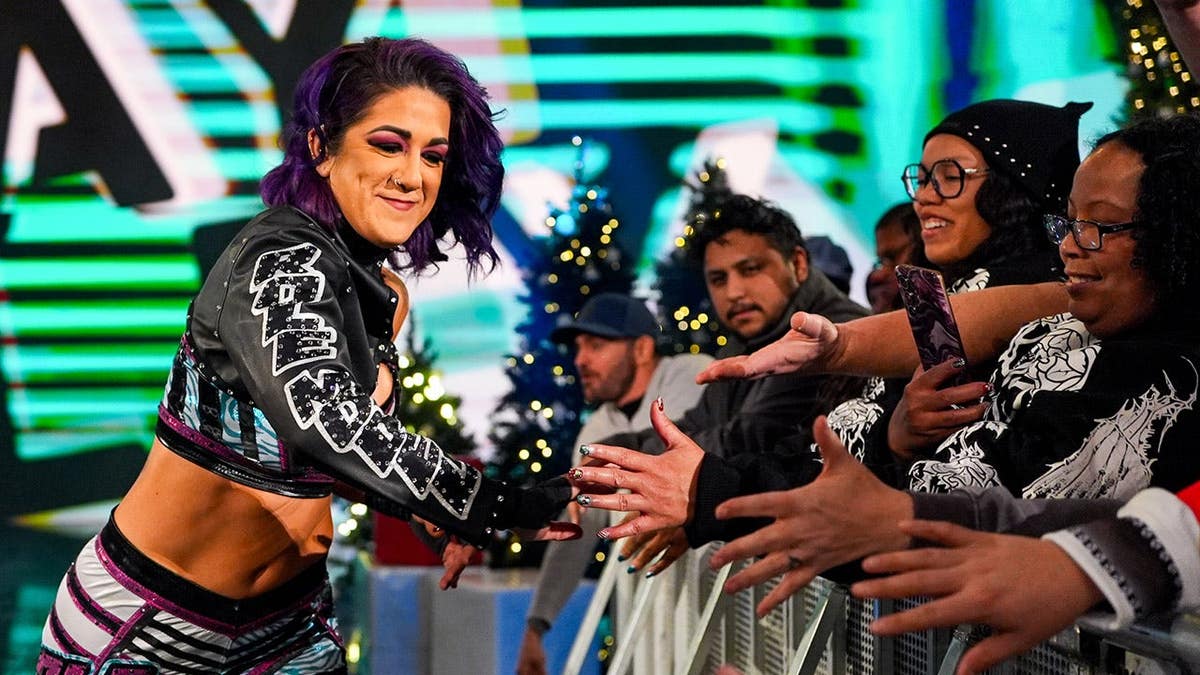
The anticipation and commitment surrounding WrestleMania are palpable, not just for the wrestlers but for the devoted fanbase. Alba Fyre captured this sentiment perfectly: "You can just look around this room and see it bring so many people together. There’s so many events going on. So many people can actually come and meet their favorite wrestler. And for me, that’s what it’s all about. It doesn’t matter what’s going on in your life, wrestling can just take it all away and get to be a bit more personal with that. It’s great for me."
For many, the dream of performing at WrestleMania is a lifelong ambition. Danhausen, known for his unique character and charisma, simply stated: "Everyone grew up watching WrestleMania. As a wrestler, that’s the dream. It’s the No. 1 thing in the wrestling world." Jacy Jayne added to this, emphasizing the exclusivity and prestige of the event: "I mean, it’s like our Super Bowl. You wait all year long for it. This is where legends are made and it’s the biggest show of the year. There’s so much that goes into it and only the best make the card."
The unpredictability and the potential for history to be made are integral to WrestleMania’s enduring appeal. Tony D’Angelo observed: "It’s the Super Bowl of pro wrestling. It’s a culmination of everything that you did throughout the year. All the hard work. All the training. All of the ups and downs of what transpired throughout the year. I mean, WrestleMania is special. Every WrestleMania, something unexpected happens or somebody wins who you didn’t think was gonna win. It is always a good time."
Ultimately, WrestleMania represents more than just a wrestling event; it’s a celebration of athleticism, storytelling, and community. It’s a moment where the dedication of the performers converges with the passion of the fans, creating an unforgettable experience that resonates long after the final bell rings. Trick Williams encapsulated the sheer magnitude of the event: "Man, it’s the biggest stage of them all. It’s our Super Bowl. For 52 weeks, this is the week that it’s all about. The biggest stage, the brightest lights." The echoes of these sentiments from the WWE Superstars themselves paint a vivid picture of why WrestleMania remains the undisputed pinnacle of sports entertainment, a dream destination for those who compete and an unforgettable spectacle for those who watch.
