
 By admin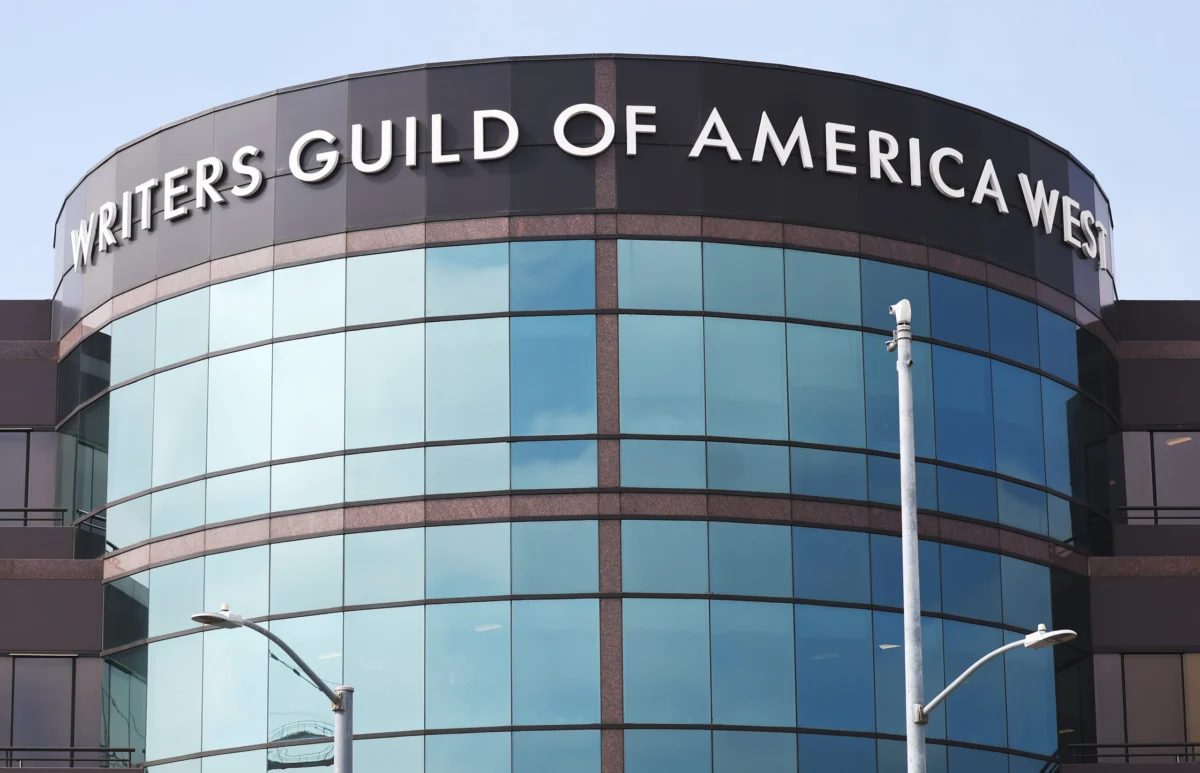
In a significant development that reshapes the landscape of media consolidation and writer protections, the Writers Guild of America East and the Writers Guild of America West have officially settled their lawsuit aimed at blocking the proposed merger between Paramount Global and Skydance Media. The resolution, announced in a statement released by the organizations on Monday, marks a pivotal moment in the ongoing saga of industry titans seeking to combine forces, a trend that has raised considerable concerns among creative professionals.
This settlement arrives on the heels of another crucial development: Paramount Global’s successful negotiation with twelve state attorneys general. This agreement effectively removes a major governmental hurdle that had been impeding the finalization of Paramount’s acquisition of Warner Bros. Discovery, a separate but related entity in the broader media consolidation narrative. The parallel progress of these two key events underscores the complex web of regulatory approvals and legal challenges that accompany large-scale media mergers.
The Writers Guilds, while ultimately unsuccessful in their primary objective of halting the Paramount-Skydance union, have managed to secure tangible benefits for their members and the broader writing community. According to the Guilds’ statement, the agreement with Paramount includes a critical provision prohibiting writer layoffs at CBS News Broadcast for a period of five years. This represents a significant win for broadcast news writers, offering a crucial five-year runway of job security in a notoriously volatile sector. Furthermore, Paramount has agreed to a financial contribution of $17.5 million to the Guilds’ health fund, alongside covering the attorneys’ fees incurred during the litigation.
The Guilds’ statement articulated a clear rationale behind their decision to settle, acknowledging the formidable challenges of pursuing such a complex antitrust lawsuit independently. “We continue to believe the merger will cause damage to writers and the industry at large,” the statement read. “Now that the Attorneys General have settled with Paramount, however, as a nonprofit, the WGA must contend with the reality of forging ahead alone, with no backing from government enforcers, with a complex antitrust lawsuit that would cost millions of dollars to pursue through trial.” This candid admission highlights the immense financial and strategic burden involved in challenging powerful corporate entities in the antitrust arena, particularly without the leverage of government backing.
Despite the inability to prevent the merger, the Writers Guilds emphasized the broader impact of their advocacy. “Though we were not successful in blocking the merger, our advocacy brought more attention to the harms that this merger—and others like it—will cause,” the statement continued. This suggests that the Guilds view their legal action not solely as a means to an end in this specific instance, but as a strategic effort to raise public and industry awareness about the potential negative consequences of unchecked media consolidation.
The Guilds’ long-term vision for addressing industry consolidation remains unwavering. They reiterated their call for structural separation between streamers and studios, drawing a parallel to the historical Financial Interest and Syndication Rules (Fin-Syn Rules) that once governed broadcast television. “As the number of outlets to sell our work to and the corresponding diversity of programming shrinks, we need industry-wide structural separation between streamers and studios in order to promote competition in programming, like the Financial Interest and Syndication Rules once required in broadcast television,” the statement declared. This positions the Writers Guilds as persistent advocates for policies that foster a more competitive and diverse media ecosystem, believing that such structural reforms are essential for the health and sustainability of the writing profession and the creative industries as a whole.
The settlement with the Writers Guilds brings a degree of closure to one facet of the protracted Paramount-Skydance saga, but the implications for the media industry are far-reaching. The merger, once finalized, will create a significantly larger and more powerful entity, raising questions about its impact on content creation, talent negotiation, and the overall competitive landscape.
The original lawsuit filed by the WGA East and WGA West was predicated on the argument that the proposed merger would exacerbate existing harms to writers, including increased consolidation of power in the hands of fewer buyers for their work, potential downward pressure on compensation, and a reduction in the diversity of opportunities. Antitrust concerns often center on whether a merger will substantially lessen competition or tend to create a monopoly. In the media industry, where intellectual property and distribution channels are key assets, mergers can lead to a concentration of control over content production and exhibition.
The attorneys general of various states had also raised concerns, typically related to consumer impact and potential monopolistic practices. Their agreement with Paramount suggests that Paramount has made concessions or provided assurances that address these governmental bodies’ specific concerns, which may have included divestitures of certain assets or commitments to maintain certain levels of service or competition. The precise terms of the agreement with the state attorneys general have not been fully disclosed, but their resolution was a critical step in clearing the path for the merger.
The $17.5 million contribution to the WGA’s health fund is a substantial financial injection that will benefit thousands of writers who rely on the fund for medical coverage. The health fund plays a vital role in supporting writers and their families, particularly in an industry where freelance work and fluctuating income can make obtaining consistent health insurance challenging. The recovery of attorneys’ fees further underscores the significant resources the Guilds expended in pursuing this legal challenge.
The Writers Guilds’ statement reflects a pragmatic approach to advocacy. While their ideal outcome – blocking the merger – was not achieved, they successfully leveraged their legal position to negotiate concrete protections and financial benefits. This strategy is common in complex negotiations where achieving a complete victory may be improbable, but securing incremental gains can still represent a meaningful accomplishment.
The call for structural separation echoes a broader debate within Hollywood regarding the future of media ownership and the relationship between content creators and distribution platforms. The rise of streaming services has fundamentally altered the economics of content creation, leading to new business models and new power dynamics. The Guilds, along with other industry advocates, argue that the current structure, where large media conglomerates own both production studios and distribution platforms (like streaming services), can create conflicts of interest and stifle competition. They believe that reinstating rules akin to the old Fin-Syn Rules, which mandated that broadcast networks divest their ownership in the programs they aired and limited their ability to produce their own shows, could foster a more open and competitive market for content.
The comparison to the Fin-Syn Rules is particularly relevant. These rules, implemented in the 1970s, were designed to prevent the major broadcast networks from dominating both the production and exhibition of television programming, thereby encouraging a more diverse range of independent producers and content. The argument is that similar principles are needed in the current digital media landscape to prevent a few dominant players from controlling too much of the content pipeline.
The ongoing trend of media consolidation is not unique to Paramount and Skydance. In recent years, the industry has witnessed a series of high-profile mergers and acquisitions, including Disney’s acquisition of 21st Century Fox, AT&T’s acquisition of Time Warner (which later spun off WarnerMedia, now part of Warner Bros. Discovery), and Amazon’s acquisition of MGM. These deals have reshaped the competitive landscape, leading to the creation of fewer, larger media conglomerates with vast libraries of content and extensive distribution capabilities.
Each of these consolidations has been met with scrutiny from regulators and concerns from creators about the potential impact on their livelihoods and the diversity of creative output. The Writers Guilds have been at the forefront of these discussions, advocating for policies that protect writers and promote a healthy creative ecosystem.
The statement’s closing remark, "More to come…," suggests that the Writers Guilds are prepared to continue their fight for writer protections and industry reforms through various avenues, including lobbying, future negotiations, and potentially further legal challenges if new concerns arise. The resolution of this specific lawsuit does not signify an end to their broader mission.
In conclusion, the settlement between the Writers Guilds and Paramount Global regarding the Skydance merger represents a complex outcome with both victories and setbacks. While the merger itself will proceed, the Guilds have secured crucial job protections for broadcast news writers and a significant financial contribution to their health fund. More broadly, their advocacy has amplified concerns about media consolidation and underscored the ongoing need for structural reforms to ensure a competitive and diverse media landscape for writers and audiences alike. The "more to come" sentiment indicates that this chapter is far from over, and the Writers Guilds remain committed to shaping the future of the entertainment industry.
