
 By Titik Puspa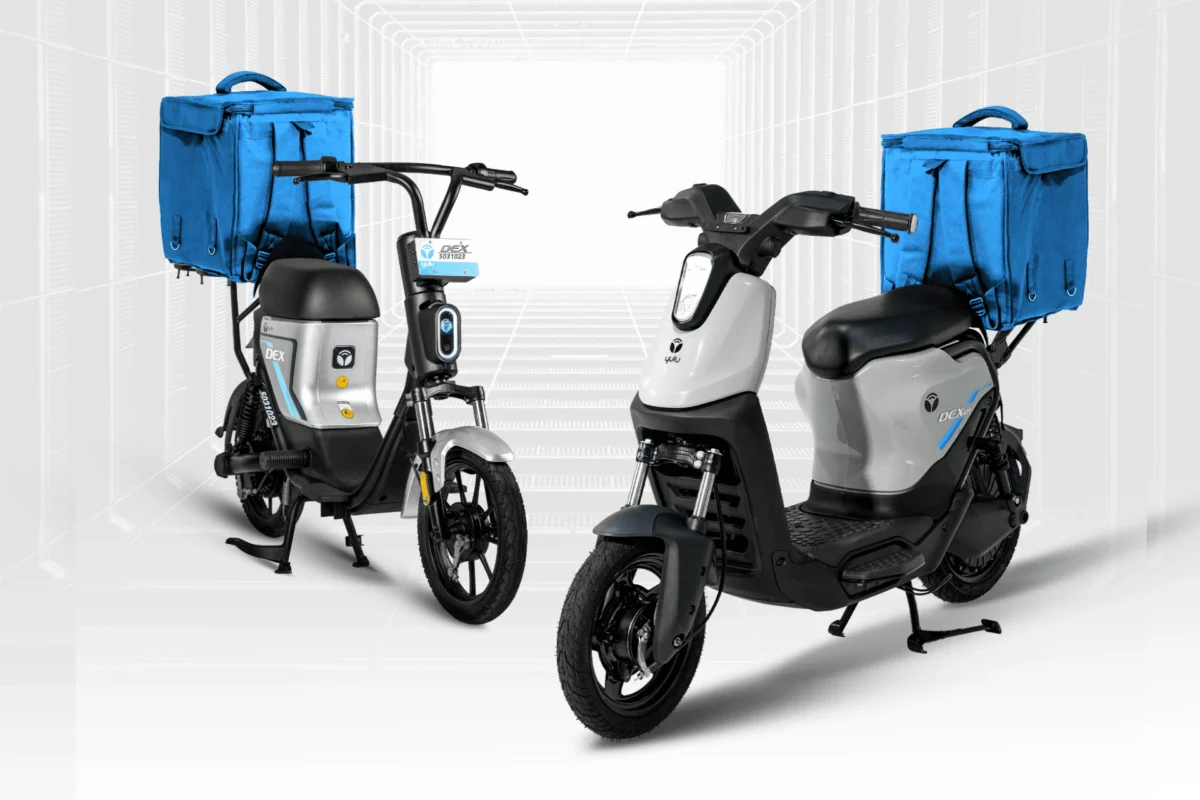
In a significant development signaling the robust growth of India’s burgeoning quick-commerce sector, electric mobility startup Yulu has successfully raised $93 million in a new funding round. This substantial infusion of capital is poised to fuel Yulu’s ambitious expansion plans, enabling it to significantly scale its fleet of electric two-wheelers and cater to the ever-increasing demand for rapid deliveries across the nation. The funding round, comprising $63 million in equity and $30 million in debt financing, underscores investor confidence in Yulu’s innovative business model and its strategic positioning within the rapidly evolving Indian logistics landscape.
The Bengaluru-based company has carved a niche for itself by offering electric two-wheelers on flexible weekly subscription plans. This model democratizes access to delivery vehicles for gig economy workers, effectively eliminating the substantial upfront cost and ongoing maintenance burden associated with purchasing personal vehicles. By providing a readily available and cost-effective mobility solution, Yulu empowers delivery personnel to seamlessly integrate into the gig economy and contribute to the swift delivery of everything from groceries and essential goods to smartphones and other consumer products. Yulu’s current fleet, boasting approximately 50,000 vehicles, is a testament to its operational prowess, collectively logging an impressive 1.6 million zero-emission miles each week and facilitating over 750,000 deliveries daily. This new funding injection is earmarked to more than quadruple its fleet to 200,000 bikes within the next two years, with a particular focus on introducing faster electric two-wheelers designed to address new and more demanding logistics use cases.
The Series C funding round was led by GEF Capital Partners, with the equity component totaling $63 million. A portion of this equity, specifically $5.5 million, was strategically utilized to acquire shares from seed investors whose investment funds were nearing the conclusion of their lifecycle, as confirmed by Yulu’s co-founder and CEO, Amit Gupta, in an interview. While Gupta remained tight-lipped about the precise post-money valuation, sources familiar with the matter indicated to TechCrunch that the deal pegged Yulu at approximately $170 million. This valuation reflects a significant upward trajectory for the company, highlighting its perceived market potential and operational success.
Notably, existing investors Bajaj Auto and Magna International did not participate in this funding round. They exercised their pre-emptive rights, thereby allowing GEF Capital Partners to secure its desired ownership stake in the company. This strategic move suggests a clear path forward for Yulu, with Gupta indicating that this equity fundraising is anticipated to be the company’s final such round before its eventual public listing. Future expansion of its fleet is expected to be primarily financed through debt and lease financing, a common and often more capital-efficient strategy for scaling asset-heavy businesses.
Yulu’s financial trajectory is also a compelling aspect of its growth story. The company is on track to achieve profitability before interest and taxes in the upcoming fiscal year, a significant milestone following its attainment of positive EBITDA in the previous financial year. Gupta further revealed an astounding seven-fold increase in revenue between fiscal year 2023 and fiscal year 2026, a testament to the accelerating demand for its services and the effectiveness of its business model, although specific revenue figures were not disclosed.
The genesis of Yulu’s current success can be traced back to a strategic pivot during the COVID-19 pandemic. Originally founded in 2017 as a bike-sharing startup aimed at urban commuters, Yulu found its most significant growth catalyst amidst the surge in demand for food and grocery deliveries that characterized the pandemic era. This shift in market dynamics allowed Yulu to reorient its business model and capitalize on the burgeoning gig economy, transforming itself into a crucial enabler of last-mile delivery services.
Today, the revenue streams for Yulu are predominantly driven by its electric bike rental service for gig workers, which accounts for approximately 95% of its income. The remaining revenue is generated from its station-based rental service in Bengaluru. This focus on serving the gig economy has led Yulu to discontinue its earlier plans to sell bikes directly to consumers, sharpening its strategic focus on its core B2B2C (Business-to-Business-to-Consumer) model.
To further solidify its position and address evolving market needs, Yulu is introducing a new, full-sized, higher-speed electric scooter named Yulu Express. This advanced model is specifically engineered for longer-haul e-commerce deliveries, bike taxi services, and express parcel logistics – segments that were previously beyond the operational capabilities of its slower, city-centric fleet. The Yulu Express is designed to enhance efficiency and expand the range of services Yulu can offer, catering to a broader spectrum of logistics requirements. Approximately one-third of the expanded 200,000-vehicle fleet will comprise these new Yulu Express models, indicating a significant strategic investment in this new product line.
While Yulu’s current low-speed fleet is manufactured by Bajaj Auto, the new high-speed Yulu Express scooter is being produced by a different, unnamed Indian manufacturer. This diversification in manufacturing partnerships suggests Yulu’s strategic approach to optimizing its supply chain and leveraging specialized expertise for different vehicle types. Currently, around 500 units of the Yulu Express are undergoing trials in Bengaluru and three other undisclosed cities, gathering crucial real-world data and feedback to refine the product before a wider rollout.
Yulu’s operational footprint currently spans 12 Indian cities. The company manages its own operations in key metropolitan areas including Bengaluru, Mumbai, Delhi-NCR, and Hyderabad, while strategically partnering with franchisees in eight other markets. This hybrid operational model allows for both direct control over core markets and rapid expansion into new territories through localized partnerships. Looking ahead, Yulu aims to expand its presence to approximately 20 cities within the next year, with Chennai and Pune identified as key targets for future growth. This aggressive expansion strategy reflects Yulu’s ambition to become a dominant player in the electric mobility landscape for delivery services across India.
Yulu’s business model positions it as a critical infrastructure provider for the digital economy. Gupta highlighted that Yulu partners with virtually every major quick-commerce, food-delivery, and e-commerce platform in India, including giants like Amazon and Walmart-owned Flipkart. While these platforms are not direct customers, Yulu’s end-users – the gig workers renting the bikes – are integral to their operations. Gupta aptly described Yulu’s role as "the AWS of mobility," drawing a parallel to Amazon Web Services, which provides foundational cloud computing infrastructure. Yulu similarly supplies the essential mobility infrastructure that enables delivery workers to operate efficiently, thereby bypassing the need for third-party logistics providers who might otherwise take a substantial cut of delivery revenues. This positioning allows Yulu to create a more equitable ecosystem for delivery partners and enhance the overall efficiency of the last-mile delivery chain.
The strategic significance of Yulu’s business model extends beyond just providing vehicles. By offering reliable, affordable, and eco-friendly electric two-wheelers, Yulu contributes to reducing the carbon footprint of urban logistics. As India continues its push towards sustainable transportation and electric mobility, Yulu is at the forefront of this transition, offering a scalable and commercially viable solution. The company’s ability to adapt its product offerings, from city-centric shared bikes to higher-speed delivery scooters, demonstrates its agility and deep understanding of the evolving needs of the logistics sector. The substantial funding secured will undoubtedly accelerate its mission to electrify last-mile deliveries across India, making it a pivotal player in the country’s economic and environmental future.
