
 By admin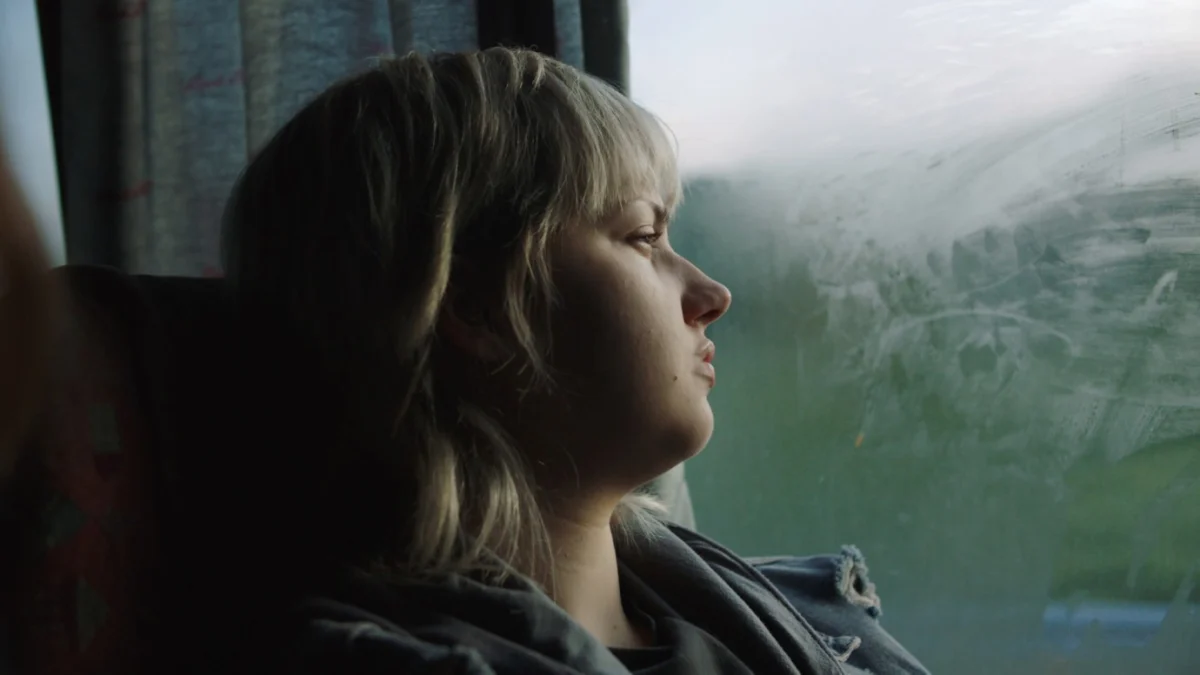
From its arresting opening frame, Kosara Mitić’s “17” plunges viewers headfirst into the raw, unvarnished reality of adolescent trauma, refusing to shy away from the deeply unsettling. The film doesn’t tiptoe around its subject matter; instead, it immediately thrusts us into the harrowing moment when a seemingly innocuous hookup between high-school student Sara (Eva Kostić) and two boys devolves into a violent assault. This gut-wrenching prologue sets the stage for a nervy, unflinching teen drama from North Macedonia that, months later, follows a withdrawn and profoundly changed Sara. The narrative unfolds over the initial two days of a class trip to Greece, a journey complicated by the presence of one of her assailants within the unruly group of young travelers.
Having garnered significant international acclaim, including the Best Actress prize at the Sarajevo Film Festival and a premiere in the Berlinale’s Perspectives section, “17” is characterized by its bleak, almost relentlessly honest gaze. While at times it teeters on the precipice of shock-value miserablism, Mitić’s intrepid and courageous approach ultimately proves to be undeniably bracing. Anchoring this powerful cinematic experience is Eva Kostić’s simmering, deeply internalized performance, which forms the emotional core of the film.
On a superficial level, “17” shares thematic and stylistic resonances with other notable festival breakouts from the year, such as the French film “La Gradiva.” Both narratives follow a boisterous senior class on an excursion to a foreign land, and in doing so, unearth dark truths lurking beneath the surface of the group. This revelation is often achieved through a restlessly fluid camerawork that, particularly in extended close-ups, mercilessly lays bare the protagonist’s profound anxieties and internal turmoil. Like “La Gradiva,” Mitić’s debut feature also incorporates nonprofessional young actors, adding an extra layer of authenticity and rawness to the proceedings. However, Mitić’s hair-raising debut distinguishes itself by rendering its French counterpart almost sun-drenched by comparison, highlighting the stark and pervasive darkness that permeates the Macedonian film.
This pervasive darkness is not merely an aesthetic choice or a reflection of a generalized Eastern European somberness; it is deeply rooted in the film’s narrative and setting. The first day of the trip, which constitutes the bulk of the film’s unfolding events, takes place in a stopover hotel in Bitola. Cinematographer Naum Doksevski masterfully employs dim, jaundiced lighting and long, oppressive shadows to create an atmosphere of unease and confinement, effectively mirroring Sara’s internal state. This deliberate visual language underscores the psychological weight of the events that have transpired and continue to loom over the characters.
Upon the group’s arrival by bus, Sara is an immediately conspicuous presence, a stark contrast to the boisterous energy of her peers. Clad in a baggy sweatshirt and dragging jeans, she projects an aura of surliness and detachment. Her classmates, in sharp contrast, are portrayed as brusque, yappy, and alarmingly entitled. Their constant backtalk and insolence towards their two teacher-chaperones, who appear utterly resigned to their students’ unruly behavior, paint a vivid picture of a generation seemingly lacking in respect and authority. This sense of disarray and lack of control is further amplified when Sara, denied the private room she specifically paid double for due to a mix-up orchestrated by the hotel management, is forced to share accommodations. Her roommates are her guileless, overly eager friend Lina (Martina Danilovska) and her former best friend, the seemingly cool-girl Nina (Eva Stojcevska). The social dynamics become even more fraught as Nina is now dating Filip (Dame Joveski), an apish and cruel boy who happens to be Sara’s ex-boyfriend and, unbeknownst to everyone else in the group, one of her assailants.
Through the intricate teasing out of the complex dynamics between Sara, her peers, and her educators, the script, a collaborative effort between Mitić and Ognjen Sviličić, masterfully highlights a pervasive culture of shame and unexamined masculine privilege. The film exposes a world governed by a "don’t-ask-don’t-tell" ethos, where girls, in particular, are subjected to immense peer pressure to conform, to party, and to ultimately surrender their bodies to the often brutal whims of boys. Compounding this societal pressure is the internalized fear of slut-shaming and the devastating bullying that would inevitably ensue should this cruel code of silence be broken. This societal conditioning creates a suffocating environment where victims are often silenced by the very community that should offer support.
This ingrained societal pressure and the fear of reprisal are precisely why Sara is so cagey and withdrawn. However, Kostić’s remarkable breakout performance imbues this frayed reticence with a palpable, coiled rage that surfaces with explosive intensity whenever her gaze falls upon Filip. This simmering anger erupts into action in a particularly startling and seedy scene that depicts a rape in full view of revelers at a hotel party. The subsequent beating inflicted upon a hotel worker by the sociopathic Filip and his juiced-up cronies pushes the boundaries of credulity, bordering on gratuitous sadism. Yet, a subsequent comment from one of the teachers – a directive that the students had better behave themselves in Greece, a country described as civilized with real rules – offers a crucial insight into Mitić’s directorial intent. This seemingly casual remark suggests that the filmmaker may be employing metaphors, using the exaggerated violence to represent a broader societal decay and the desperate need for order and accountability.
Regardless of the metaphorical interpretations, the impact on Sara is profound. She feels not just physically dirtied and spiritually disgraced, but also deeply wounded by the violation of her autonomy. The film masterfully layers her experience, and Kostić’s performance conveys a profound knowingness in her gaze. A subtle smirk directed at Nina, who attributes Sara’s sullen demeanor to jealousy over Filip, speaks volumes. It is the pity of a veteran soldier, hardened by unspeakable experiences, looking down upon a naive recruit still grappling with the realities of war.
However, because Sara is indeed only seventeen, her hard-won wisdom is constantly tempered by a quivering, raw vulnerability. The inescapable reality of her pregnancy presses upon her, both physically and emotionally, forcing her to confront the profound implications of her trauma. This internal struggle ultimately compels her to begin opening up to Lina, her guileless friend, thereby discovering the nascent possibility of solidarity and support. This burgeoning feminine camaraderie, along with a brief, tender moment of connection Sara shares with the class’s resident "dork," provides a crucial nugget of warmth and hope amidst the overwhelming sea of despair.
The film culminates at a border control checkpoint, a symbolic crossroads if ever there was one. In a bracing, breath-held final scene, Mitić presents Sara with a pivotal choice: to bury her truth at all costs, continuing to live in the shadows of her trauma, or to embrace it, to confront it head-on, and to stand tall regardless of the judgment or condemnation she might face from others. This powerful, ambiguous ending leaves the audience with the profound understanding that Sara’s journey is far from over, and her ultimate triumph will lie in her ability to reclaim her narrative and her agency in a world that has attempted to silence her. The film, in its entirety, serves as a potent testament to the resilience of the human spirit, the devastating consequences of societal silence, and the enduring power of finding one’s voice, even in the face of unimaginable adversity.
