
 By admin
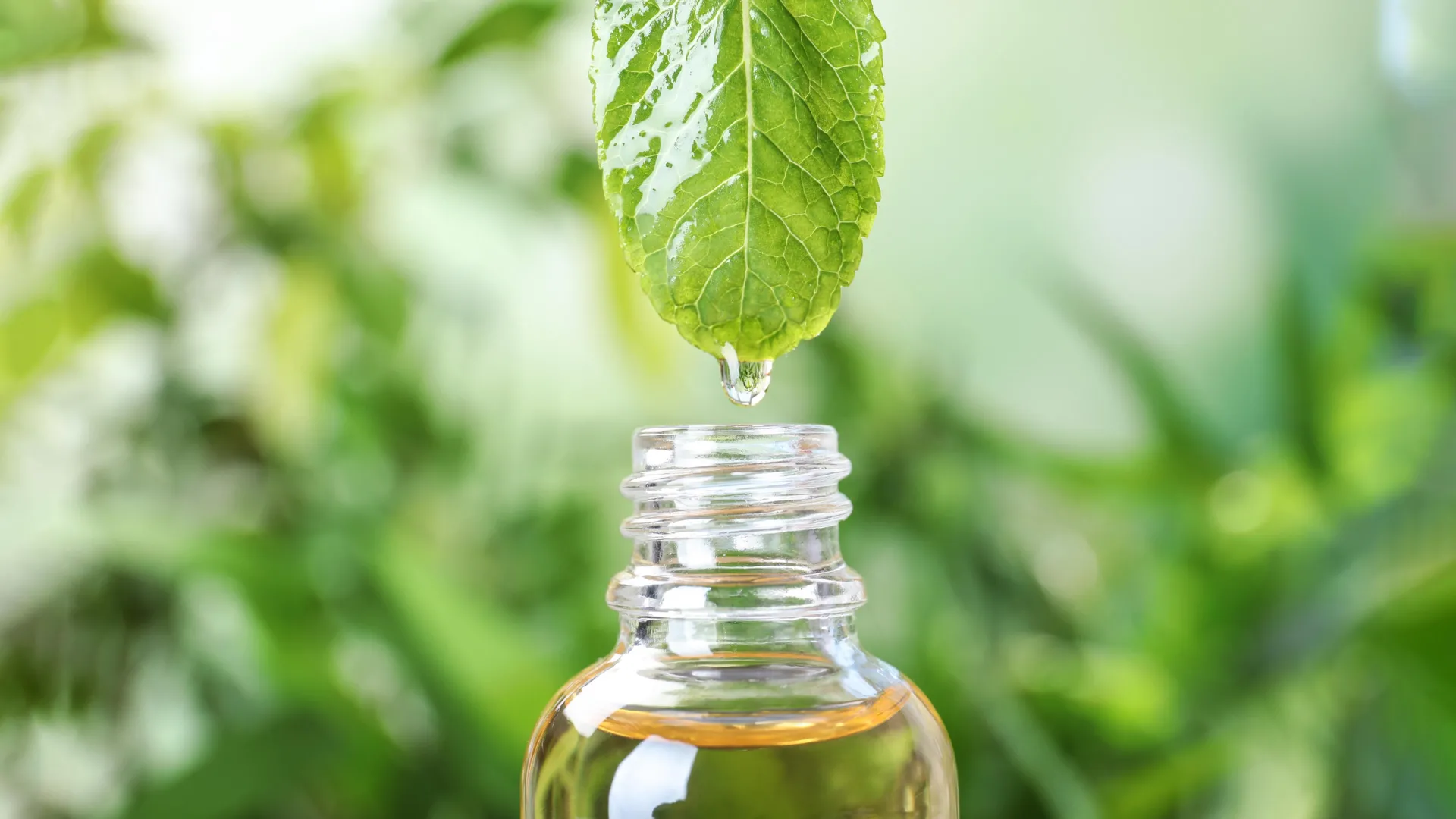
The study, published in the esteemed journal PLOS One, found that participants who consumed 100 microliters of food-grade peppermint oil daily for just 20 days experienced a notable reduction in their systolic blood pressure (the upper number in a blood pressure reading, indicating the pressure in arteries when the heart beats). Specifically, these individuals saw their systolic readings decrease by an average of 8.5 mmHg compared to those who received a placebo, after meticulously accounting for their baseline blood pressure levels. This reduction is clinically significant, as even modest decreases in blood pressure have been shown to substantially lower the risk of cardiovascular events such as heart attacks and strokes. For instance, studies have indicated that a consistent 2 mmHg reduction in systolic blood pressure can lower the risk of stroke mortality by 10% and ischemic heart disease mortality by 7%. An 8.5 mmHg drop, therefore, represents a potentially powerful intervention.
This research arrives at a critical juncture, as hypertension, or high blood pressure, remains one of the most prevalent and insidious public health crises worldwide. According to the World Health Organization (WHO), an estimated 1.28 billion adults aged 30-79 years globally live with hypertension. Alarmingly, a significant portion of these individuals – around 46% – are unaware they have the condition, and fewer than half of adults with hypertension (42%) are diagnosed and treated. Hypertension is not merely a number; it is a silent killer, acting as a primary risk factor for a cascade of severe health complications, including coronary artery disease, stroke, heart failure, kidney disease, vision loss, and even vascular dementia. The economic burden associated with managing hypertension and its related comorbidities is staggering, placing immense strain on healthcare systems and national economies globally through direct treatment costs, hospitalizations, and lost productivity.
Current medical management typically involves lifestyle modifications—such as dietary changes (e.g., DASH diet), regular physical activity, weight management, and stress reduction—often followed by pharmacological interventions. While antihypertensive medications are effective for many, they are not without their challenges. Patients may experience side effects ranging from dizziness and fatigue to more severe issues like kidney dysfunction or electrolyte imbalances, which can impact adherence. Furthermore, the long-term efficacy and overall patient experience with these medications are not always optimal, and some individuals struggle to achieve target blood pressure levels despite treatment. This landscape underscores the pressing need for complementary strategies and novel interventions, particularly for individuals with mildly elevated blood pressure or stage 1 hypertension, where lifestyle changes might be insufficient, and full-scale pharmaceutical intervention might not yet be the preferred or necessary first step.
Dr. Jonnie Sinclair, the lead author of the study and a Reader in Sport and Health Sciences at the University of Lancashire, articulated the gravity of the situation: "High blood pressure is one of the biggest causes of heart disease and death worldwide, and it costs a huge amount of money to treat. Although medicines are commonly used to treat it, it’s not always clear how well they work in the long-term, and they can cause unwanted side effects." His statement highlights the critical gap that natural, well-tolerated, and cost-effective solutions like peppermint oil could potentially fill, offering an alternative or adjunct approach that might improve patient compliance and overall health outcomes.
Unraveling the Mechanisms: How Peppermint Oil May Lower Blood Pressure
The potential for peppermint oil to influence cardiovascular health stems from its rich biochemical composition. Peppermint (Mentha piperita) naturally contains a complex array of biologically active compounds, with menthol being the most prominent. Menthol is responsible for the plant’s characteristic aroma and cooling sensation, but its physiological effects extend far beyond sensory experience. Research suggests that menthol may act as a natural calcium channel blocker, similar to a class of pharmaceutical drugs used to treat hypertension. By inhibiting the influx of calcium into vascular smooth muscle cells, menthol can induce relaxation and widening of blood vessels, thereby reducing peripheral vascular resistance and, consequently, blood pressure. Other studies have also pointed to menthol’s ability to modulate certain ion channels and receptors involved in vascular tone.
Beyond menthol, peppermint oil is a rich source of flavonoids, a diverse group of plant compounds celebrated for their potent antioxidant and anti-inflammatory properties. Flavonoids such as luteolin, hesperidin, and rosmarinic acid, commonly found in peppermint, can combat oxidative stress by neutralizing harmful free radicals. Oxidative stress is a key contributor to endothelial dysfunction, a condition where the inner lining of blood vessels (the endothelium) loses its ability to regulate vascular tone and blood flow effectively. By mitigating oxidative damage, flavonoids can help preserve endothelial integrity and function, thereby promoting healthy vasodilation and reducing blood pressure.
Furthermore, the anti-inflammatory properties of peppermint oil are crucial. Chronic low-grade inflammation is increasingly recognized as a driving force behind hypertension and other cardiovascular diseases. Compounds in peppermint can help suppress inflammatory pathways, potentially reducing systemic inflammation that contributes to arterial stiffness and dysfunction. The vasodilatory properties, meaning its ability to help blood vessels relax and widen, are a central hypothesis for its blood pressure-lowering effects. When blood vessels dilate, the overall resistance to blood flow decreases, allowing blood to flow more easily and reducing the pressure exerted against the artery walls. This effect is likely mediated through multiple pathways, including the aforementioned calcium channel blockade and potentially by enhancing the production or bioavailability of nitric oxide, a powerful endogenous vasodilator. While these mechanisms provide a strong theoretical basis, the precise molecular pathways and synergistic effects of peppermint’s numerous compounds require further dedicated investigation.
The Study’s Rigorous Design and Promising Outcomes
To systematically examine these potential benefits, the researchers designed a randomized, placebo-controlled trial, considered the gold standard in clinical research. They meticulously recruited 40 adult participants, aged between 18 and 65, all of whom presented with either elevated blood pressure or stage 1 hypertension. This specific demographic is critical because it represents individuals who are at an increased risk of progressing to full-blown hypertension and who could benefit most from early, non-pharmacological interventions.
Participants were then randomly assigned to one of two groups to ensure impartiality and minimize bias. The intervention group received a total of 100 microliters of food-grade peppermint oil each day. This precise dosage, equivalent to one-tenth of a milliliter, was carefully divided into two doses and diluted in water, ensuring consistent administration and safety. The control group, crucial for establishing causality, received a peppermint-flavored placebo. The flavoring was essential to maintain blinding, ensuring that participants were unaware whether they were receiving the active compound or an inert substance, thereby preventing psychological effects from influencing the results.
Significant Blood Pressure Improvements in Just 20 Days
The results observed after just 20 days were compelling. The average systolic blood pressure among participants in the peppermint oil group fell significantly, dropping from an approximate baseline of 130 mmHg to 122 mmHg. This 8 mmHg reduction is not only statistically significant but also clinically meaningful. In stark contrast, the blood pressure readings in the placebo group remained virtually unchanged over the same period, providing strong evidence that the observed improvements were directly attributable to the peppermint oil.
Systolic blood pressure, representing the maximum pressure during a heartbeat, is a critical indicator of cardiovascular health. Persistently elevated systolic readings place undue strain on the heart and blood vessels, leading to progressive damage over time. This damage can manifest as arterial stiffness, plaque buildup (atherosclerosis), and increased risk of life-threatening events such as myocardial infarction (heart attack), cerebrovascular accident (stroke), and congestive heart failure. The ability of peppermint oil to significantly reduce this key metric in such a short timeframe is therefore highly encouraging.
While the study primarily focused on systolic blood pressure as its main outcome measure, researchers also diligently collected data on several secondary parameters. These included body measurements, various blood test results (which could shed light on inflammatory markers or lipid profiles), diastolic blood pressure (the bottom number, representing pressure when the heart rests between beats), resting heart rate, mental well-being, and sleep quality. Although the detailed results for these secondary outcomes were not fully elaborated in the initial release, their inclusion underscores a comprehensive approach to understanding the holistic impact of peppermint oil on overall health.
A Promising, Low-Cost Approach to Global Health
Dr. Sinclair further emphasized the profound implications of these findings, stating: "Our findings were very positive and they have significant clinical implications, especially given arterial hypertension is the most common preventable risk factor for cardiometabolic disease and the greatest single risk factor for global mortality." This statement encapsulates the immense potential of peppermint oil as a tool in the global fight against cardiovascular disease. The fact that it is "low in calories and price" makes it an exceptionally attractive candidate for widespread application, particularly in resource-limited settings where access to conventional medications may be constrained. Compared to the often-high costs of prescription drugs and the long-term financial burden of managing hypertension, peppermint oil offers a remarkably simple and cost-effective solution that could potentially benefit millions around the world.
This research aligns with a growing interest in natural health products and functional foods that can contribute to disease prevention and management. The accessibility, affordability, and generally favorable safety profile of peppermint oil position it as a strong candidate for inclusion in public health strategies aimed at mitigating the burden of hypertension. It could serve as a valuable complement to existing lifestyle recommendations, potentially empowering individuals to take a more active role in managing their blood pressure before the need for more aggressive pharmaceutical interventions arises.
Important Considerations and Future Directions
Despite the encouraging results, it is imperative to acknowledge the limitations inherent in this initial study and outline the necessary steps for future research. The study involved a relatively small number of participants (40 individuals), which limits the generalizability of the findings to broader and more diverse populations. Furthermore, the short duration of the trial, lasting less than three weeks, means that the long-term efficacy and safety of daily peppermint oil consumption remain to be fully established. Larger-scale, multi-center clinical trials, extending over longer periods, are essential to confirm these preliminary findings, assess sustained benefits, and identify any potential long-term side effects or interactions.
Future research should also aim to elucidate the precise molecular mechanisms underlying peppermint oil’s antihypertensive effects, exploring the specific compounds responsible and their synergistic actions. Investigating optimal dosing strategies, the potential for individual variability in response, and its efficacy across different stages of hypertension (e.g., more severe cases) would also be crucial. Additionally, examining its potential interactions with commonly prescribed blood pressure medications is vital for its safe integration into clinical practice.
Crucially, the researchers stressed that the peppermint oil used in their study was specifically intended and formulated for human consumption, often referred to as food-grade or medicinal-grade peppermint oil. This distinction is paramount. The findings should under no circumstances be interpreted as a recommendation to replace prescribed blood pressure medications with peppermint oil. Nor should individuals attempt to ingest essential oils that are not explicitly formulated and labeled for oral use, as many essential oils are highly concentrated and can be toxic if ingested incorrectly. Any decision to incorporate peppermint oil or any other supplement into a health regimen, especially for managing a serious condition like high blood pressure, must be made in consultation with a qualified healthcare professional.
In conclusion, the University of Lancashire study presents a compelling case for peppermint oil as a promising, accessible, and low-cost adjunctive therapy for individuals with mildly elevated blood pressure. While more extensive and prolonged research is needed to fully understand its potential, this initial discovery opens an exciting avenue for natural interventions in the global effort to combat hypertension and its devastating consequences, offering a refreshing perspective on cardiovascular health.
