
 By admin
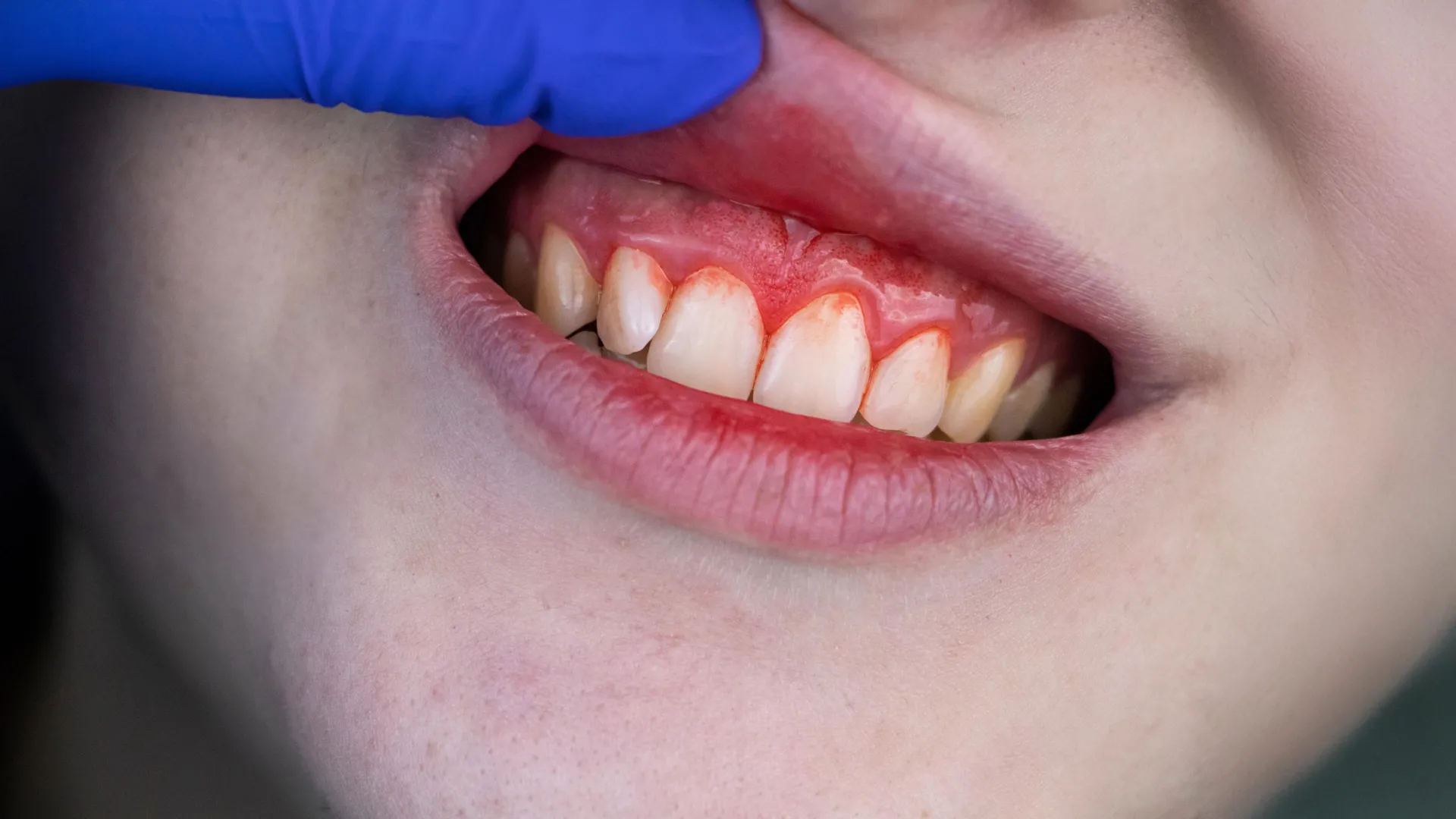
Periodontitis, a global health challenge, affects nearly half of adults over 30 in the United States alone, with prevalence increasing significantly with age. It is a complex inflammatory disease initiated by bacterial biofilms (plaque) that accumulate on tooth surfaces. While initially presenting as gingivitis—a milder form characterized by gum inflammation, redness, and bleeding—it can progress into periodontitis if the immune system’s response to the bacterial challenge becomes dysregulated. In periodontitis, the inflammation spreads below the gum line, leading to the destruction of the periodontal ligament and alveolar bone, the very structures that anchor teeth securely in the jaw. This bone loss is irreversible and ultimately results in tooth mobility, pain, and eventual exfoliation. Beyond oral health, periodontitis has been increasingly linked to a host of systemic conditions, including cardiovascular disease, diabetes, rheumatoid arthritis, and even neurodegenerative disorders, underscoring the critical need for effective and targeted treatments.
The human oral cavity is a remarkably diverse ecosystem, home to hundreds of species of microorganisms collectively known as the oral microbiome. This intricate community typically exists in a state of delicate balance, or eubiosis, where beneficial bacteria play vital roles in digestion, nutrient absorption, and pathogen deterrence. Problems arise when this balance is disrupted, leading to a state of dysbiosis, where certain harmful bacteria proliferate and exert undue influence. Among the most notorious of these pathogens is Porphyromonas gingivalis (P. gingivalis), which scientists classify as a "keystone pathogen." This designation implies that even when present in relatively low numbers, P. gingivalis possesses an exceptional capacity to manipulate the host’s immune response and profoundly alter the composition and function of the entire microbial community. It achieves this by producing an array of virulence factors, including potent proteases (gingipains), fimbriae for adhesion, and toxins, which collectively promote chronic inflammation, disrupt epithelial barriers, and directly contribute to the destruction of periodontal tissues and bone.
Conventional treatments for periodontitis primarily focus on mechanical debridement, such as scaling and root planing, to remove plaque and calculus from below the gum line. In more advanced cases, antibiotics (both systemic and local) and antimicrobial photodynamic therapy (aPDT) may be employed to reduce the bacterial load. While these methods can be effective in controlling the infection, they often come with significant drawbacks. A major limitation of broad-spectrum antibiotics and conventional aPDT is their inability to differentiate between harmful pathogens and the beneficial microbes essential for maintaining oral health.
"Current treatments for periodontitis, including antibiotics and antimicrobial photodynamic therapy (aPDT), eliminate both pathogenic and beneficial oral bacteria," explained Kazuhide Sato, a lecturer at Nagoya University and one of the corresponding authors of the study. He further elaborated on the unintended consequences: "These approaches often disrupt the entire oral microbial ecosystem and can also release lipopolysaccharide (LPS), an endotoxin that may exacerbate inflammation." LPS, a component of the outer membrane of Gram-negative bacteria like P. gingivalis, can trigger a potent inflammatory response when released into the host tissues, potentially worsening the very condition these treatments aim to alleviate. The disruption of the healthy oral microbiome can also lead to secondary infections, antibiotic resistance, and a slower return to a stable, healthy state. This underscores the urgent need for a more precise, selective therapeutic strategy that can eliminate specific pathogens without collateral damage to the host’s microbial ecosystem.
To overcome these inherent limitations of existing therapies, the visionary team at Nagoya University drew inspiration from an unlikely source: a technology originally conceived for cancer treatment. This innovative approach, known as near-infrared photoimmunotherapy (NIR-PIT), leverages antibodies linked to a light-sensitive dye to precisely identify and destroy cancerous cells. The concept involves an antibody fragment that specifically binds to a target protein on cancer cells. Once attached, exposure to near-infrared light activates the dye, causing it to generate reactive oxygen species or induce physical damage to the cell membrane, leading to targeted cell death.
The Japanese researchers brilliantly adapted this sophisticated strategy to confront P. gingivalis with unparalleled specificity, thus minimizing disturbance to the broader oral bacterial community. Their novel approach, termed near-infrared photo-antibacterial targeting therapy (NIR-PAT²), hinges on the use of IgY antibodies. These unique antibodies are collected from the egg yolks of hens that have been specifically immunized against P. gingivalis. The choice of IgY antibodies offers several compelling practical advantages. Unlike mammalian antibodies, IgY antibodies are readily available in large quantities and can be produced at a relatively low cost, making them an attractive and scalable option for developing widely accessible targeted treatments. Furthermore, IgY antibodies are less likely to trigger adverse immune reactions in humans compared to mammalian-derived antibodies, adding to their safety profile.
The development of NIR-PAT² was a collaborative effort by researchers at the Nagoya University Graduate School of Medicine, including first author Hiroshi Maruyama, Professor Hideharu Hibi, and corresponding authors Kazuhide Sato and Kiyoshi Sakai. Their collective expertise in immunology, microbiology, and photomedicine was instrumental in bringing this innovative concept to fruition.
To rigorously evaluate the efficacy and specificity of NIR-PAT², the research team conducted a series of comprehensive experiments, first in human cell cultures and then in a live animal model (mice). They meticulously compared the effects of their novel therapy against those of conventional antimicrobial treatments to highlight its distinct advantages.
Laboratory experiments yielded highly encouraging results, confirming the exquisite specificity of the antibody and dye combination. The IgY antibodies demonstrated precise attachment exclusively to P. gingivalis, leaving other commensal bacterial species—those vital for a healthy oral environment—completely unharmed. Crucially, healthy human gum cells also remained unaffected, a stark contrast to the potential cytotoxicity associated with some broad-spectrum antimicrobial agents.
When the targeted P. gingivalis bacteria were illuminated with near-infrared light, the activated dye efficiently generated reactive species, which then damaged the bacterial outer membranes, ultimately leading to their demise. Microscopic examination of the treated bacteria revealed a critical difference compared to conventional antimicrobial light therapy. Bacteria exposed to NIR-PAT² developed tiny, localized openings in their membranes but largely retained their overall structural integrity. In stark contrast, conventional antimicrobial photodynamic therapy caused the bacteria to rupture and disintegrate completely.
This distinction is profoundly important. The complete lysis of bacterial cells, as seen with conventional methods, can result in the massive release of intracellular components, including endotoxins like LPS, which can significantly exacerbate the inflammatory response and potentially worsen tissue damage. By preserving the overall structure of the targeted bacteria, even after they have been effectively neutralized, NIR-PAT² could significantly mitigate this undesirable inflammatory cascade, leading to a cleaner, less reactive therapeutic outcome. Further tests on healthy human gum cells unequivocally showed that the targeted therapy caused no detectable harm, whereas conventional antimicrobial photodynamic therapy resulted in cellular damage and impaired the natural healing processes.
Building on these promising in vitro results, the team moved to an in vivo model to assess the therapy’s impact on actual gum disease progression. In mice specifically engineered to develop periodontitis, the experimental NIR-PAT² therapy achieved a significant reduction in the loss of alveolar bone. This is a monumental finding, as the preservation of alveolar bone—the specialized bone that cradles and supports the teeth—is paramount in preventing tooth loosening and eventual tooth loss, the ultimate consequence of advanced periodontitis.
Analysis of the animals’ saliva provided further compelling evidence of the treatment’s targeted efficacy. NIR-PAT² successfully reduced the population of P. gingivalis while meticulously preserving beneficial Streptococcus bacteria, which are crucial components of a healthy oral microbiome. This selective action helped maintain a healthier and more balanced microbial community within the mouth. Conversely, the control groups treated with conventional antibiotics and traditional antimicrobial photodynamic therapy exhibited a non-discriminatory elimination of both harmful and beneficial bacteria, leading to a broad disruption of the oral microbial ecosystem.
"Results demonstrated that, unlike antibiotics or standard light therapy, this approach selectively removes the primary pathogenic species while preserving the remainder of the oral bacterial community," Sato reiterated, emphasizing the paradigm-shifting nature of their discovery. These collective findings robustly suggest that focusing on individual disease-causing bacteria offers a superior strategy for controlling gum disease, effectively sidestepping the unintended and often detrimental consequences associated with broader antimicrobial treatments.
While these early results are undeniably promising, the researchers are acutely aware that periodontitis is a multifactorial disease involving a complex interplay of numerous bacterial species. Therefore, eliminating P. gingivalis alone, while critical, may not be sufficient to comprehensively treat every case or prevent recurrence in all patients.
To address this inherent complexity, the Nagoya University team plans to harness the power of artificial intelligence (AI). They intend to utilize AI algorithms to analyze vast repositories of publicly available data on oral bacteria. By meticulously identifying other significant pathogenic microorganisms and unraveling the intricate ways in which different species interact within the biofilm, they hope to uncover additional, previously unrecognized targets for future precision therapies. This AI-driven approach could revolutionize the discovery process for new antimicrobial strategies, allowing for the development of multi-target therapies that address the full spectrum of periodontitis-associated pathogens. Furthermore, AI analysis may play a pivotal role in personalizing treatment plans, guiding clinicians in selecting the most appropriate combination of targeted therapies for each patient based on their unique microbial profile and disease progression.
The researchers also envision potential implications that extend far beyond oral health. The well-established links between periodontitis and several systemic medical conditions, including rheumatoid arthritis, diabetes, cardiovascular disease, and even Alzheimer’s disease, present an exciting avenue for exploration. Understanding the nuanced relationships between specific oral bacteria and the pathogenesis of these systemic conditions could eventually enable scientists to identify which patients are most likely to benefit from targeted oral treatments. For instance, successfully eradicating a keystone pathogen like P. gingivalis in the mouth might have a positive ripple effect, reducing systemic inflammation and improving outcomes for patients with related chronic diseases. AI analysis will undoubtedly be instrumental in deciphering these complex correlations, guiding both diagnostic decisions and the development of increasingly personalized and holistic approaches to healthcare.
For the immediate future, NIR-PAT² remains an experimental therapy. Its impressive effectiveness has been rigorously demonstrated in carefully controlled laboratory studies and preclinical animal models, but it has not yet progressed to human clinical trials. The journey from bench to bedside is often long and arduous, requiring extensive safety and efficacy testing in human subjects, followed by regulatory approvals. However, the foundational findings undeniably point toward a transformative future in periodontitis management. This future envisions a scenario where treating gum disease no longer necessitates the broad, often disruptive, elimination of an entire microbial community, but rather the elegant, selective removal of only the harmful bacteria, thereby fostering a healthier, more resilient oral environment. This precision approach holds the promise of not only preserving teeth but also contributing to overall systemic health, ushering in a new era of targeted, patient-friendly oral care.
