
 By Titik Puspa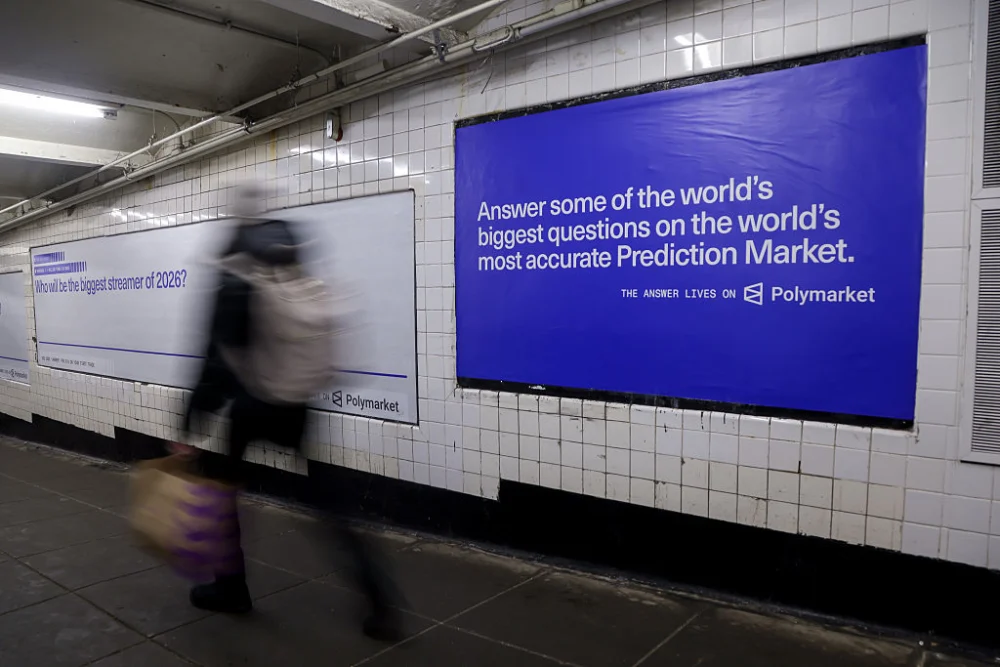
New York, NY – March 1, 2026 – The burgeoning world of prediction markets, platforms where individuals can bet on the outcomes of future events, is under intense scrutiny following a surge in trading volume surrounding a potential U.S. and Israeli military strike on Iran. Polymarket, a prominent decentralized prediction market, has witnessed an unprecedented $529 million traded on contracts specifically tied to the timing of such an attack, according to a report by Bloomberg. This massive financial activity has ignited concerns about the accessibility of high-stakes betting and, more critically, the potential for insider trading and the financial incentivization of conflict.
The data, analyzed by blockchain analytics firm Bubblemaps SA, reveals a particularly concerning pattern: six newly created accounts on Polymarket collectively profited $1 million by correctly predicting that the United States would initiate strikes against Iran by February 28, 2026. The emergence of these significant, early profits from anonymous wallets immediately following a specific, high-stakes geopolitical event has led analysts to suspect that these accounts may have possessed non-public information, a hallmark of insider trading.
Nicolas Vaiman, CEO of Bubblemaps, articulated the gravity of this situation. He noted that while the widespread trading activity could simply reflect broader speculation about U.S. foreign policy and intentions in the region, the confluence of sensitive information – particularly "involving war or conflict" – with the inherent anonymity of platforms like Polymarket, creates a potent environment for exploitation. "This can create incentives for informed participants to act early," Vaiman stated, emphasizing that the lack of transparency in decentralized platforms makes it challenging to trace the origins of such timely and profitable trades.
This is not the first instance where prediction markets have been linked to significant geopolitical events. In January 2026, analytics firm Polysights identified a notable increase in betting activity on Polymarket concerning the likelihood of Iran’s Supreme Leader, Ali Khamenei, no longer holding his position by the end of March. Khamenei’s passing, which occurred shortly after this period, would have made these bets highly profitable, further fueling the debate about the ethical implications of profiting from such sensitive outcomes.
The controversy surrounding these markets has drawn responses from key figures in the industry. Tarek Mansour, CEO of Kalshi, a regulated exchange that also facilitates prediction markets, addressed concerns that these platforms might inadvertently place a financial incentive on sensitive events, including death. "We don’t list markets directly tied to death," Mansour clarified in a statement. He further explained that when potential outcomes of listed markets might involve death, Kalshi designs the rules to "prevent people from profiting from death." In recognition of the sensitive nature of recent events and the concerns raised, Mansour also stated that Kalshi would reimburse all fees associated with the disputed bets, demonstrating a commitment to responsible market practices.
Prediction markets, often conceptualized as sophisticated forms of betting, allow users to speculate on a wide array of future events, from political elections and economic indicators to sporting outcomes and even scientific discoveries. Platforms like Polymarket and Kalshi have seen a meteoric rise in popularity, fueled by the accessibility offered by blockchain technology and the allure of potentially lucrative returns. Polymarket, in particular, operates as a decentralized autonomous organization (DAO), meaning its operations are governed by smart contracts on a blockchain, and its users often trade using cryptocurrency. This decentralized nature, while offering benefits like censorship resistance and user autonomy, also presents challenges in terms of regulatory oversight and the prevention of illicit activities.
The debate over the regulation and ethical implications of prediction markets is intensifying. Critics argue that these platforms blur the lines between legitimate financial speculation and gambling, potentially exposing individuals to excessive financial risk. The ability to bet on events as sensitive as military conflicts or the health of world leaders raises profound ethical questions about the commodification of human life and geopolitical stability. Furthermore, the inherent anonymity and decentralized nature of some platforms make them fertile ground for market manipulation and insider trading, undermining the integrity of the markets and potentially influencing real-world events through financial incentives.

Proponents, however, argue that prediction markets serve a valuable purpose by aggregating dispersed information and providing accurate forecasts on future events. They contend that these markets can act as early warning systems and offer insights that traditional polling or analysis might miss. The argument is that by allowing individuals to bet on outcomes, the collective wisdom of the market can emerge, leading to more informed decision-making. However, the recent events surrounding the Iran conflict predictions highlight the critical need for robust oversight and ethical frameworks to mitigate the risks associated with such powerful financial instruments.
The Bloomberg report indicated that the $529 million traded on Polymarket encompassed various contracts related to the Iran conflict, including those tied to the timing of an attack, the specific targets, and the potential scale of the operation. The sheer volume suggests a significant global interest and a high degree of confidence among some participants regarding the unfolding geopolitical situation. This level of activity on a single event, especially one with such grave real-world consequences, underscores the growing influence and speculative power of prediction markets.
The involvement of newly created wallets, as identified by Bubblemaps, is a significant red flag. The strategic creation of accounts specifically to capitalize on predictable outcomes, especially when those outcomes are tied to sensitive geopolitical events, points towards a premeditated strategy. In traditional financial markets, such behavior would be subject to stringent investigation by regulatory bodies like the Securities and Exchange Commission (SEC). The challenge for regulators in the decentralized finance (DeFi) space lies in the borderless and pseudonymous nature of many transactions, making enforcement and accountability considerably more complex.
The mention of Polymarket advertisements in New York City subway stations, as depicted in the accompanying image from February 5, 2026, alongside those of Kalshi, signifies the increasing efforts by these platforms to reach a broader audience. While this expansion is aimed at increasing user engagement and market liquidity, it also brings these platforms into closer proximity with a wider demographic, including individuals who may be less financially sophisticated and more susceptible to the risks associated with high-stakes betting. The strategy of using "the promise of free groceries to win over New Yorkers," as described in the original content, further illustrates a push for user acquisition that could potentially overlook the inherent risks involved in predicting volatile geopolitical events.
The response from Kalshi’s CEO, Tarek Mansour, highlights a potential divergence in operational philosophy between regulated exchanges and decentralized platforms. While Kalshi aims to incorporate ethical considerations and prevent direct profit from death, the decentralized nature of Polymarket, governed by smart contracts, may present fewer direct controls over user behavior and market outcomes. This distinction is crucial as policymakers grapple with how to regulate a rapidly evolving financial landscape that includes both traditional and decentralized entities.
The incident also brings to light the broader conversation about the commodification of information, particularly sensitive geopolitical intelligence. When such information can be monetized through prediction markets, the incentive to leak or exploit it for financial gain becomes significant. This creates a dangerous feedback loop where financial speculation can influence, or at least appear to influence, real-world events, further eroding trust and stability.
In conclusion, the massive trading volume on Polymarket related to the Iran conflict, coupled with the suspicious profits made by newly created accounts, serves as a stark warning. It underscores the urgent need for greater transparency, robust regulatory frameworks, and a strong ethical compass within the prediction market industry. As these platforms continue to grow in influence and accessibility, ensuring that they do not become conduits for insider trading, market manipulation, or the financial incentivization of conflict is paramount for maintaining the integrity of financial markets and safeguarding global stability. The events of early 2026 will likely serve as a catalyst for a more comprehensive and critical examination of how we regulate and interact with these powerful new financial tools.
