
 By Lina Irawan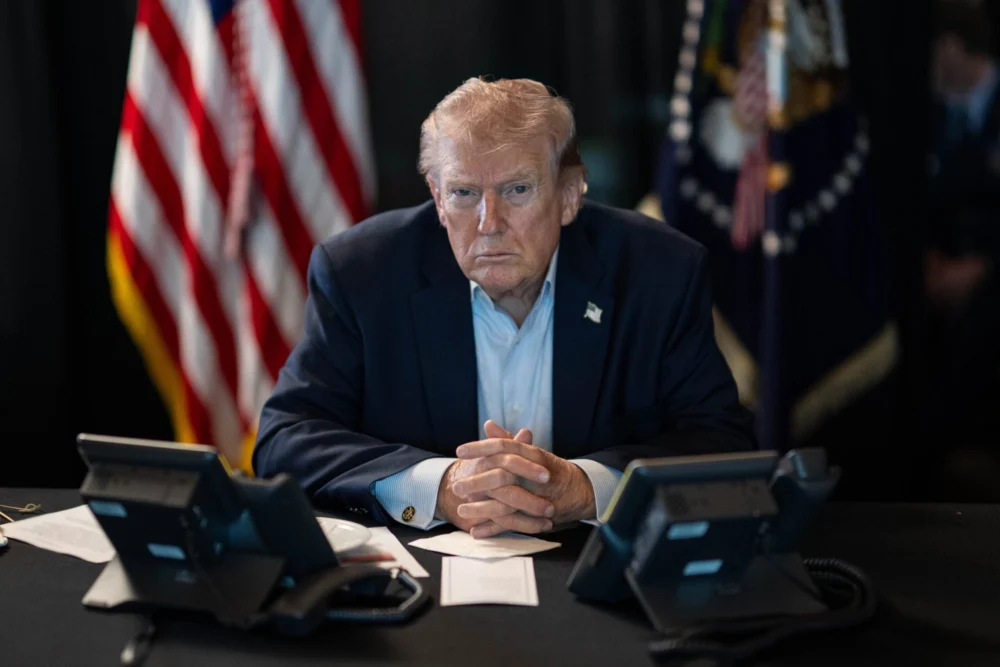
In the entirely likely event that Kevin Warsh’s nomination for Fed chairman makes it through Senate hearings, he’ll be keen to leave his first Federal Open Market Committee meeting (FOMC) this summer with a base rate cut in-hand. This ambition, however, faces a formidable gauntlet of geopolitical instability and persistent domestic economic strength, challenging the very premise of his anticipated appointment. Warsh, a former Federal Reserve Governor known for his conservative economic views and experience navigating the 2008 financial crisis, is widely seen as the favored candidate to succeed Jerome Powell. His nomination is a direct response to a clear directive from the Oval Office: the next Fed chief must be more dovish than Powell, a stance that aligns with the President’s long-standing desire for lower interest rates to stimulate economic growth.
Warsh’s economic philosophy, while aligning with the "dovish" label in its preference for lower benchmark rates, is notably nuanced. He expresses bullishness on the U.S. economy, citing the transformative promise of artificial intelligence (AI) as a significant driver of productivity and growth. This optimism underpins his advocacy for reducing the federal funds rate. However, Warsh simultaneously champions a strategy of "relative economic tightening on the Fed’s balance sheet to offset lower rates." This approach, often referred to as quantitative tightening (QT), involves the Fed reducing its holdings of Treasury securities and mortgage-backed securities, thereby withdrawing liquidity from the financial system. The aim is to contain inflationary pressures that could arise from lower interest rates by simultaneously shrinking the money supply, a delicate balancing act designed to achieve both stimulative borrowing costs and price stability.
The political backdrop to Warsh’s potential nomination is crucial. The President’s campaign against Jerome Powell’s central bank has been unyielding and public, marked by unprecedented direct criticism of the Fed’s policy decisions. This intense pressure campaign, which literally saw the President bringing his grievances to the doorstep of the Federal Reserve headquarters, underscores the high stakes involved. Any incoming Fed chairman, especially one selected under such explicit conditions, would feel immense pressure to establish a tone of responsiveness early on, and delivering the much-requested rate cut the President has been lobbying for would be a powerful symbolic gesture of alignment. This political mandate, however, now collides head-on with unfolding global and domestic economic realities that make such a move exceptionally difficult.
But to deliver that cut would be no mean feat. The geopolitical landscape, particularly the escalating military engagements involving Trump’s administration with Israel in Iran, is rapidly pushing an already skittish FOMC into a more hawkish stance, according to leading economic analysts. The primary concern among economists and policymakers isn’t solely the immediate human cost of conflict, but the profound economic fallout, particularly its impact on global energy supplies originating from the Gulf region. The Middle East remains the world’s most critical source of oil and gas, and any disruption there sends immediate ripples through global markets.
Iran’s strategic geographical position is key to this concern. It borders the Strait of Hormuz, a narrow yet immensely vital waterway in the Persian Gulf. This strait is a choke point through which a substantial portion of the world’s seaborne oil — estimated at 20-30% of global consumption — passes daily. Exports from major oil producers like the UAE, Qatar, Kuwait, and Iraq all flow through this critical maritime passage. As military tensions escalate, shipmasters and insurance companies are becoming increasingly nervous about navigating these waters, leading to higher shipping costs, delays, and a potential reduction in supply. While the White House has publicly suggested its military will offer escorts to commercial vessels along the strait to keep the route open and ensure the uninterrupted flow of energy, the practical implementation and the effectiveness of such measures remain highly uncertain. Moreover, the risk of miscalculation or escalation in such a volatile region could easily negate any protective efforts, leading to more severe disruptions.
The immediate knock-on effect for oil and gas prices is the most pressing concern for economists. Higher energy costs directly translate into higher consumer prices for gasoline, heating, and electricity, and increased operational costs for businesses across virtually every sector. The Federal Reserve is explicitly tasked with maintaining price stability, aiming to keep inflation at a target of 2%. Currently, consumer prices are already reported to be above this target, driven by a combination of lingering supply chain issues, robust demand, and previous fiscal stimuli. In this environment, lowering the base interest rate would be akin to adding fuel to an already simmering inflationary fire. Rate cuts typically stimulate economic activity by making borrowing cheaper for businesses and consumers, thereby encouraging investment, consumption, and growth. While desirable in a slowing economy, in an inflationary environment, such stimulus risks overheating demand and pushing prices even higher, directly undermining the Fed’s primary mandate.
Compounding the geopolitical issue is the latest domestic jobs data, which consistently shows a surprisingly resilient and strengthening labor market. Payroll provider ADP recently reported that private employers added a robust 66,000 roles in February, significantly exceeding market expectations of 50,000. This strong job creation indicates a healthy, albeit potentially tight, labor market. A tightening labor market typically leads to upward pressure on wages as employers compete for talent, which can, in turn, contribute to inflation. This scenario does not support the argument for a rate cut, which is generally reserved for periods of economic slowdown or weakness. The second part of the Fed’s dual mandate—steady employment—is already taking care of itself with little intervention. If the economy is creating jobs at a strong pace, there is less urgency for the Fed to use its monetary tools to stimulate employment, allowing it to prioritize inflation control.
Internally, the Federal Open Market Committee (FOMC) is composed of 12 members, including the Chair, other governors, and a rotating selection of regional Federal Reserve Bank presidents. Each vote holds equal weight, meaning the consensus among these diverse voices is critical. Regional Fed Presidents, who often bring a ground-level perspective from their respective districts, are already indicating that their wait-and-see stance on monetary policy is further warranted by the conflict in the Middle East. Beth Hammack, President of the Cleveland Fed, articulated this sentiment, stating that rates could be held for "quite some time," explicitly citing Iran as presenting a new and significant inflationary risk. Her comments reflect a growing caution within the Fed that geopolitical shocks could easily derail any progress made on bringing inflation back to target. Likewise, Minneapolis Fed President Neel Kashkari, who has sometimes leaned dovish, expressed growing skepticism about his previous estimation of a 25 basis point rate cut this year. "With the geopolitical events, we need to get a lot more data in," Kashkari explained, underscoring a collective desire for greater clarity before committing to any policy easing. This collective shift among influential FOMC members significantly reduces the likelihood of an immediate rate cut, irrespective of who chairs the committee.
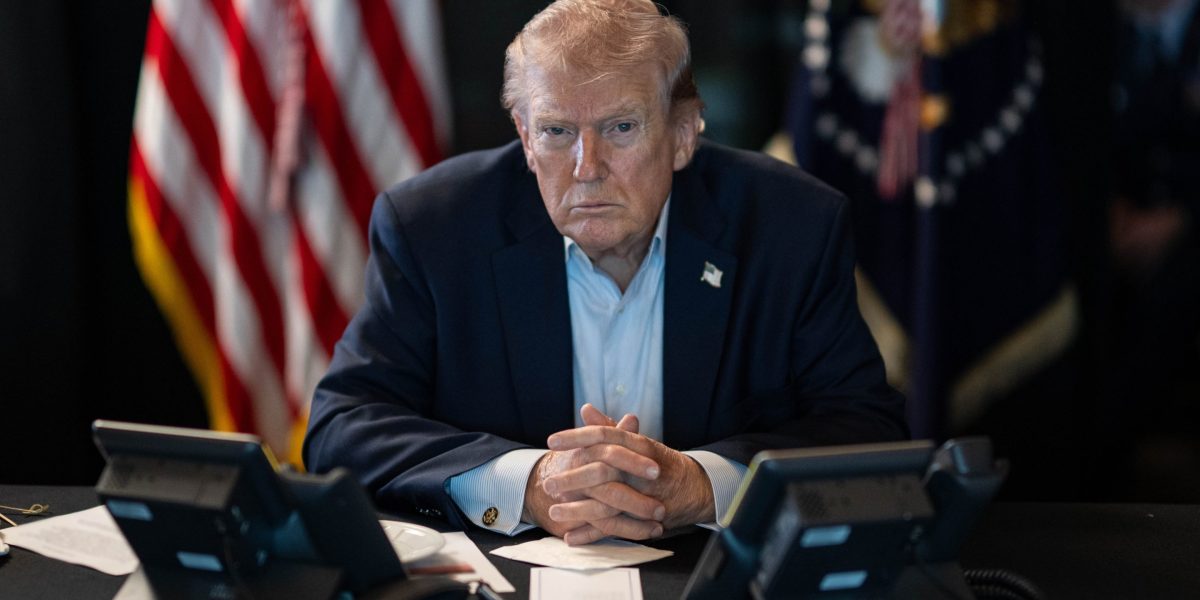
Global Bank Hawks Respond to Geopolitical Realities
The cautious stance is not unique to the U.S. Federal Reserve. Central bankers globally are approaching the Iran conflict with a distinctly "hawkish" posture, as noted by Thierry Wizman, a global rates and currencies strategist at Macquarie, in a recent client note. Wizman highlighted that representatives from major central banks worldwide—including the Bank of Japan, the Bank of England, the Bank of Canada, and the European Central Bank—have all signaled that they are closely monitoring the situation for any potential inflationary hints. This synchronized global vigilance reflects the interconnectedness of the world economy, particularly concerning energy markets. A disruption in the Strait of Hormuz would not only impact oil prices for U.S. consumers but would also ripple through Europe, Asia, and other energy-dependent regions, threatening to reignite global inflation that many central banks have painstakingly worked to tame.
"The prospect that the Fed may be ‘on hold’ instead of cutting rates this year may be why the USD has gotten an extra fillip of appreciation (beyond the haven-seeking impulse) during the war," Wizman added. The U.S. dollar traditionally acts as a safe-haven currency during times of global uncertainty, attracting investors seeking stability. However, Wizman’s analysis suggests an additional factor at play: the reassessment of the Fed’s monetary policy outlook. With the Overnight Index Swaps (OIS) market, a key indicator of market expectations for future interest rates, previously projecting more than two rate cuts from the Fed in 2026 (as of just last week), the shift to a "no cut" or "on hold" scenario significantly changes the relative attractiveness of U.S. assets. If other central banks also pause or remain hawkish, but the Fed’s pivot is more pronounced from its previously anticipated dovish path, the dollar benefits from higher expected yields compared to other currencies, further boosting its value. "It is the U.S.’s rate outlook that is seen to have the greatest ‘potential’ to be overturned by another burst of global inflation in 2026, if energy supplies become constrained," Wizman concluded, emphasizing the market’s sensitivity to the Fed’s policy path in the face of new inflationary risks.
The collective impact of strong economic data and escalating geopolitical tensions has led investors to rapidly price out the likelihood of a rate cut in the first half of this year. Deutsche Bank’s Jim Reid observed this shift in his morning note to clients, stating: "The probability of a cut by the June meeting (which would be the first with a new Chair) fell to just 39% by the close, the lowest so far this year." This represents a dramatic recalibration of market expectations, which just weeks prior had been much more optimistic about immediate easing. "So clearly there’s growing skepticism that a new Chair can start cutting straight away, particularly with the data as strong as it is right now," Reid concluded. The financial markets are signaling that, despite any political directives or the incoming chairman’s personal preferences, the fundamental economic conditions and external shocks will dictate the Federal Reserve’s path.
For Kevin Warsh, should his nomination be confirmed, the path to implementing a rate cut will be fraught with challenges. The delicate balance he proposes – lower rates offset by balance sheet tightening – may prove exceedingly difficult to achieve amidst rising energy prices, persistent inflation, and a robust labor market. The political pressure from the Oval Office for a dovish shift now confronts the unwavering economic realities and the collective cautiousness of the FOMC and global central banks. The prospect of a swift rate cut in his inaugural meeting this summer appears increasingly distant, forcing the new Fed Chair to navigate a complex economic and geopolitical landscape that demands prudence over political expediency.
Join us at the Fortune Workplace Innovation Summit May 19–20, 2026, in Atlanta. The next era of workplace innovation is here—and the old playbook is being rewritten. At this exclusive, high-energy event, the world’s most innovative leaders will convene to explore how AI, humanity, and strategy converge to redefine, again, the future of work. Register now.
About the Author
Eleanor Pringle is an award-winning senior reporter at Fortune covering news, the economy, and personal finance. Eleanor previously worked as a business correspondent and news editor in regional news in the U.K. She completed her journalism training with the Press Association after earning a degree from the University of East Anglia.
See full bio
