
 By admin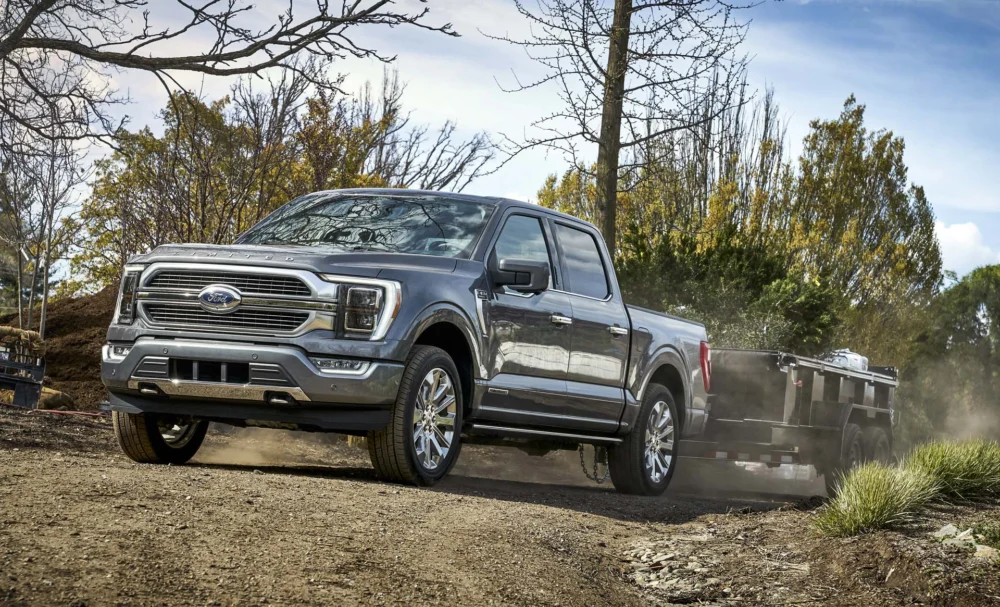
The issue at the heart of this latest safety campaign revolves around the electronic trailer brake controller. In the affected vehicles, which comprise a segment of Ford’s highly popular and crucial truck and SUV lineup, the software responsible for managing trailer braking may not properly engage the brakes of an attached trailer, specifically those equipped with electric or electric-over-hydraulic braking systems. This malfunction directly translates to a critical safety hazard: significantly reduced braking performance. When a driver attempts to slow or stop while towing a trailer, the compromised system can lead to substantially lengthened stopping distances, dramatically increasing the risk of a collision, particularly in emergency braking situations or on busy roadways. The National Highway Traffic Safety Administration (NHTSA), the federal agency tasked with vehicle safety, has underscored the severity of this defect, emphasizing its potential to compromise occupant and public safety.
The particularly troubling aspect of this announcement is its "remedy-of-a-remedy" nature. Ford had previously initiated a recall to address this very same trailer brake software issue. Dealers, as per the initial recall instructions, were mandated to install updated software designed to rectify the problem. However, an investigation revealed a critical failure in this process. It appears that the diagnostic and programming tools utilized by dealership technicians may not have successfully uploaded the correct, updated software to all affected vehicles. This technical oversight means that despite an initial attempt at remediation, a substantial number of trucks and SUVs continued to operate with the underlying, dangerous defect. This breakdown in the recall execution chain highlights potential systemic vulnerabilities in how complex software updates are managed and verified within the automotive service network. While Ford has informed the NHTSA that it is currently unaware of any crashes or injuries directly attributable to vehicles still circulating with this uncorrected issue, the inherent risk remains, and the company is taking proactive steps to ensure the safety of its customers.
Owners of the affected vehicles will once again be required to bring their trucks and SUVs back to authorized Ford dealerships. During this visit, technicians will perform the necessary software installation to ensure the correct, fully functional trailer brake controller software is properly loaded. Ford has assured customers that this corrective service will be performed entirely free of charge. Furthermore, recognizing the inconvenience and potential financial burden on owners who may have already invested time and resources in the initial, failed recall remedy, Ford has committed to reimbursing any related out-of-pocket expenses. This commitment aims to mitigate the frustration and financial impact on customers who are now facing a second trip to the service center for the same underlying defect.
To facilitate this process, Ford plans to dispatch owner notification letters via mail starting on April 14. These letters will provide detailed instructions on how to proceed and what to expect. For immediate concerns or additional information, owners are encouraged to contact Ford’s dedicated customer service department at 1-866-436-7332. Alternatively, comprehensive information, including a VIN lookup tool to check specific vehicle eligibility, is available on Ford’s official recall website. The reference number for this particular recall, which owners can cite for expedited assistance, is 25S18.
This recurrent recall for a software-related issue is not an isolated incident for Ford. The company has faced a series of challenges related to software and electronic systems in recent months, pointing to a potentially broader pattern of quality control concerns. Just last month, Ford initiated two separate new recalls targeting its popular Maverick pickup truck, both aimed at rectifying issues that were supposedly addressed in previous recall campaigns. One of these Maverick recalls involved a separate software update, while the other pertained to a different component where the initial fix proved inadequate. Prior to that, in January, Ford was compelled to recall approximately 272,000 Maverick and Bronco Sport crossovers. This significant recall was prompted by a persistent 12-volt battery issue, which, like the current trailer brake problem, had been the subject of an earlier recall attempt whose remedy ultimately failed to resolve the defect.

The recurring nature of these "fix-of-a-fix" recalls raises significant questions about Ford’s internal software development, testing protocols, and the efficacy of its recall implementation strategies. In an increasingly software-defined vehicle landscape, where electronic control units manage everything from engine performance to advanced driver-assistance systems, the integrity of a vehicle’s software is paramount to its safety and reliability. Automotive industry analysts suggest that these repeated failures could stem from several factors. Intense pressure to bring new technologies to market quickly might lead to expedited development cycles with insufficient testing time. Furthermore, the sheer complexity of integrating myriad software modules from various suppliers into a cohesive and robust vehicle architecture presents immense challenges. Debugging and verifying software updates on a large scale, across diverse vehicle configurations and production batches, is a monumental task that requires meticulous attention to detail and rigorous validation processes.
From a consumer confidence perspective, a pattern of repeat recalls can erode trust in a brand. Owners who have already taken time out of their schedules for a repair only to find it was ineffective may become frustrated and apprehensive about the long-term reliability of their vehicles. This erosion of trust can have significant implications for brand loyalty and future sales, particularly in a highly competitive market where manufacturers are vying for consumer confidence through promises of technological advancement and reliability. Beyond the immediate inconvenience to customers, repeat recalls carry substantial financial implications for the manufacturer. Each recall involves significant logistical costs, including the development and distribution of new parts or software, the training of dealership technicians, and the administrative burden of tracking affected vehicles and communicating with owners. The cumulative cost of these repeated efforts can run into millions, or even billions, of dollars, diverting resources that could otherwise be invested in innovation or product development.
Safety advocates and regulatory bodies like the NHTSA closely monitor these trends. While manufacturers are legally obligated to issue recalls for safety defects, a history of failed remedies can prompt closer scrutiny and potentially more stringent oversight. The NHTSA’s role is not just to ensure recalls are issued but also that they are effective in permanently resolving the safety concern. When initial remedies fail, it signals a deeper problem that may warrant further investigation into the manufacturer’s quality control systems.
The challenges faced by Ford are illustrative of a broader industry trend. As vehicles become more sophisticated, with advanced infotainment systems, connectivity features, and autonomous driving capabilities, the role of software is expanding exponentially. This digital transformation, while offering immense benefits, also introduces new vectors for defects and vulnerabilities. Software bugs, unlike mechanical failures, can be subtle, difficult to diagnose, and capable of affecting vast numbers of vehicles simultaneously through shared codebases. The industry is grappling with how to ensure software quality at scale, from initial coding and testing to over-the-air updates and post-deployment monitoring.
Looking ahead, Ford, and indeed the entire automotive industry, must continue to invest heavily in robust software engineering practices, comprehensive testing methodologies, and foolproof recall implementation processes. This includes not only developing accurate software but also ensuring that the tools and procedures used by dealerships to apply these updates are themselves flawless. The emphasis must shift towards preventing these recurring issues by strengthening quality assurance at every stage of the product lifecycle. For Ford, this latest recall serves as another critical reminder of the imperative to address these systemic challenges to safeguard customer safety, restore confidence, and maintain its reputation as a leading global automaker. Owners of the affected vehicles are strongly advised to respond promptly to the recall notice and ensure their vehicles receive the correct software update, finally resolving this critical safety issue.
