
 By admin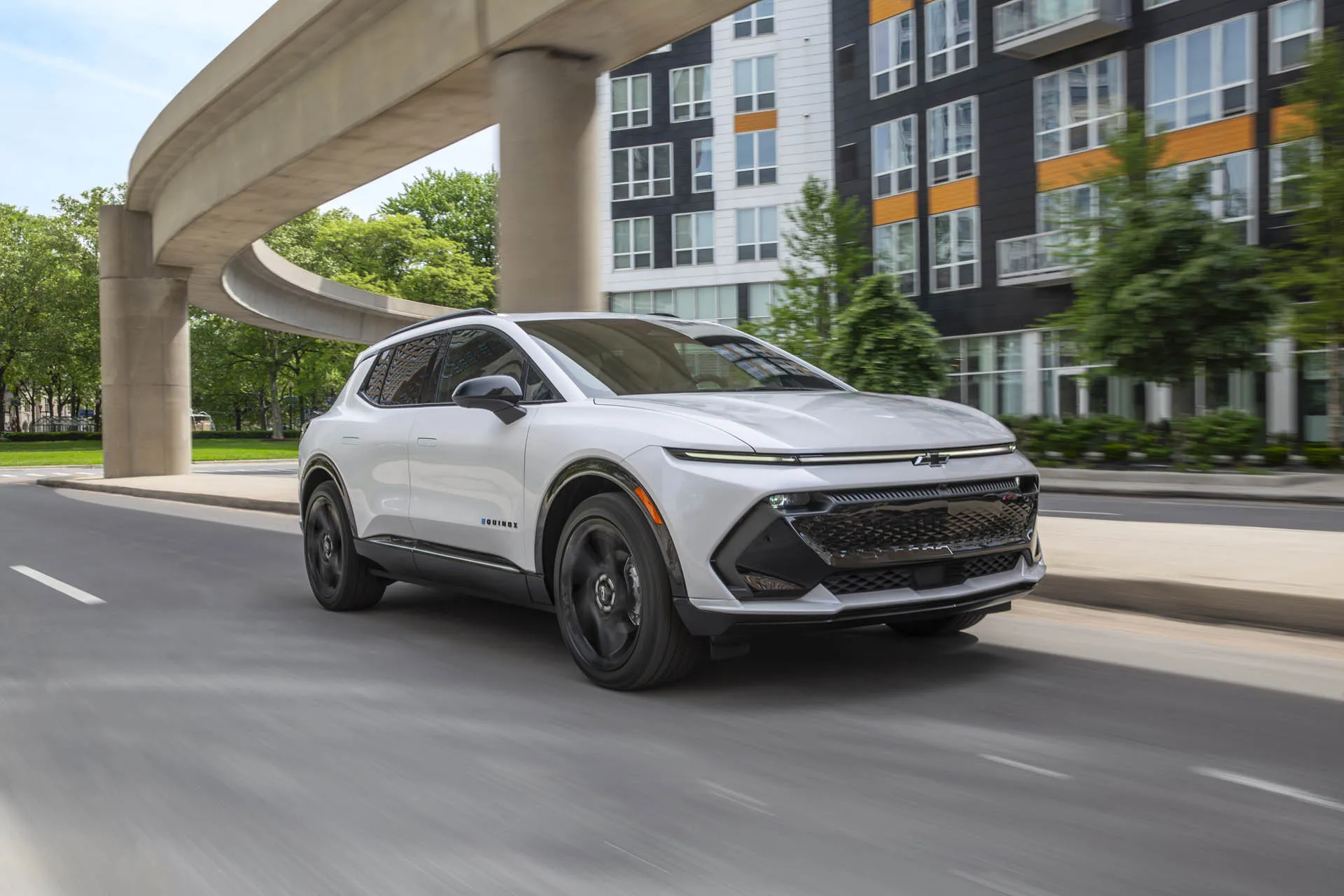
The potential elimination of the $7,500 federal electric vehicle (EV) tax credit, a cornerstone of the Biden administration’s clean energy agenda renewed under the Inflation Reduction Act (IRA), looms as a significant policy threat should Donald Trump return to the White House. Signals from the presumptive Republican nominee’s campaign indicate a strong possibility of targeting this incentive, a move that could send substantial ripple effects throughout the American economy, impacting not only the effective purchase price of EVs for consumers but also threatening a nascent domestic manufacturing boom and thousands of projected jobs.
A recent comprehensive study from the REPEAT Project at Princeton University has shed critical light on these potential consequences. The REPEAT Project, known for its rigorous analysis of environmental policy and energy systems, has concluded that revoking the credit would precipitate a sharp decline in EV sales and severely jeopardize the health and growth of U.S. manufacturing. While not every EV currently available in the U.S. market fully qualifies for the credit due to its evolving and stringent requirements concerning battery component sourcing and vehicle assembly, its broad availability for many models acts as a crucial market stimulant.
"The report is also the only analysis I’m aware of to date that draws the connection to U.S. manufacturing as well," stated Jesse D. Jenkins, an assistant professor at Princeton and the project leader of the study, in an emailed statement to Electrek. This emphasis on manufacturing differentiates the REPEAT Project’s findings, highlighting a broader economic vulnerability beyond just consumer affordability. The study meticulously details a cascading series of negative outcomes, from direct sales reductions to the complete shuttering of planned factory expansions and the redundancy of existing battery production capacity.
The economic forecast presented by the Princeton researchers is stark. Without the federal tax credit, EV sales are projected to decline by a substantial 30% by 2027, with the downturn deepening to nearly 40% by 2030. These figures translate directly into a significant erosion of the anticipated EV market share. The study predicts a drop from an 18% market share to just 13% in 2027, and a more dramatic fall from 40% to 24% by the end of the decade. Such a precipitous decline would fundamentally alter the trajectory of EV adoption in the United States, pushing back climate goals and slowing the transition away from fossil-fuel-dependent transportation.
The ramifications extend far beyond just the number of cars sold. The study paints a grim picture for the burgeoning U.S. EV manufacturing sector. Analysts predict that 100% of currently planned expansions for EV assembly plants could be canceled or indefinitely postponed. These expansions represent billions of dollars in investment and the creation of tens of thousands of high-paying manufacturing jobs, particularly in states that have aggressively courted EV and battery production facilities. Furthermore, the report warns that between 29% and 72% of current battery-manufacturing capacity could become redundant as early as this year, signifying a massive oversupply in the face of dwindling demand. This would not only lead to job losses but also undermine the strategic goal of establishing a robust, independent domestic battery supply chain, reducing reliance on foreign, particularly Chinese, suppliers.
The $7,500 federal tax credit, while often discussed as a simple discount, is a complex policy instrument embedded within the Inflation Reduction Act. Enacted in August 2022, the IRA was designed to be the most significant climate legislation in U.S. history, aiming to accelerate the transition to clean energy through a mix of tax credits, rebates, and investments. For EVs, the credit’s intent was multifaceted: to make EVs more accessible and affordable for a broader range of consumers, to stimulate domestic manufacturing of vehicles and their critical components, and to reduce reliance on foreign supply chains, particularly those tied to geopolitical rivals.

The current iteration of the EV tax credit is far from a blanket subsidy. It includes several key restrictions designed to achieve its strategic objectives. These include stringent price caps on qualifying vehicles (e.g., $80,000 for SUVs, vans, and pickups; $55,000 for sedans), income caps for eligible purchasers (e.g., adjusted gross income of no more than $300,000 for joint filers, $225,000 for heads of household, and $150,000 for all other filers), and, most critically, strict stipulations on where vehicles are assembled and where their battery components and critical minerals are sourced. For instance, a certain percentage of battery components must be manufactured or assembled in North America, and a certain percentage of critical minerals must be extracted or processed in the U.S. or a country with a free trade agreement with the U.S., or recycled in North America. These rules have continually evolved, making it challenging for automakers to qualify their entire lineups, yet for the vehicles that do meet the criteria, the credit significantly reduces the financial barrier to entry for consumers. The 2024 Nissan Leaf, for example, becomes one of the most affordable EVs on the market with the credit, costing as little as $25,505. Similarly, the 2024 Chevrolet Equinox EV, a vehicle central to GM’s electrification strategy, would see its effective price significantly increase without the incentive.
Politically, the elimination of the EV tax credit is not a simple executive order. While a Trump administration could certainly signal its intent and exert pressure, the current tax credit is codified into law through the IRA. Therefore, its complete repeal would necessitate a coordinated legislative effort by Congress. This would typically require Republican control of both the House of Representatives and the Senate, alongside presidential assent. Such a scenario would likely involve a legislative package aimed at dismantling various aspects of the IRA, potentially under the guise of fiscal conservatism, reducing government intervention in the market, or arguing against "picking winners and losers" in the automotive industry.
However, any attempt to repeal would face considerable opposition. Advocates for the credit would point to its role in job creation, energy independence, and climate mitigation. Automakers, many of whom have invested tens of billions of dollars in retooling factories and developing new EV platforms based on existing policy frameworks, would likely lobby heavily against a repeal, citing the destabilizing effect on their business plans and competitiveness. The global automotive industry is in a fierce race to electrify, with China and Europe heavily subsidizing their domestic EV industries. Removing U.S. incentives could put American manufacturers at a distinct disadvantage.
Beyond the immediate sales and manufacturing impacts, the broader economic and strategic implications are profound. The current administration has framed the IRA’s incentives as a critical component of a larger strategy to "reshore" manufacturing, strengthen supply chains, and secure America’s leadership in future technologies. Undermining the EV tax credit could weaken this strategic objective, leaving the U.S. more reliant on foreign manufacturers and vulnerable to geopolitical shifts. It could also slow the development of critical charging infrastructure, as a robust EV market is essential to justify the significant investment required for a nationwide charging network.
Consumer adoption patterns would undoubtedly shift. For many prospective EV buyers, the $7,500 credit is not merely a bonus but a decisive factor in making the purchase affordable, bridging the price gap between comparable gasoline-powered vehicles and their electric counterparts. Without it, the upfront cost of EVs would rise, making them less competitive, especially during a period of economic uncertainty and higher interest rates. This could particularly impact lower and middle-income consumers who are most sensitive to price fluctuations and for whom the credit represents a substantial portion of the vehicle’s cost. It could also exacerbate existing challenges to EV adoption, such as range anxiety, charging availability, and the perceived lack of diverse, affordable EV options in certain segments.
The long-term strategic implications for the U.S. in the global EV race are also significant. Countries like China have built a commanding lead in EV production and battery technology, largely through extensive government subsidies and industrial policies. European nations are also aggressively pushing EV adoption through a mix of incentives, regulations, and infrastructure investments. If the U.S. withdraws its key incentive, it risks falling further behind, ceding technological leadership and economic competitiveness to other regions. This could impact not just the automotive sector but also related industries like advanced materials, software, and renewable energy integration.
In conclusion, the potential elimination of the federal EV tax credit by a future Trump administration is far more than a simple fiscal adjustment. Based on the REPEAT Project’s rigorous analysis, it represents a policy pivot with profound and far-reaching consequences for U.S. consumers, the domestic manufacturing sector, job creation, and the nation’s strategic position in the global clean energy transition. The debate over its future will undoubtedly be a central feature of the ongoing policy discourse, weighing immediate economic costs against long-term strategic imperatives and environmental goals.
