
 By Lina Irawan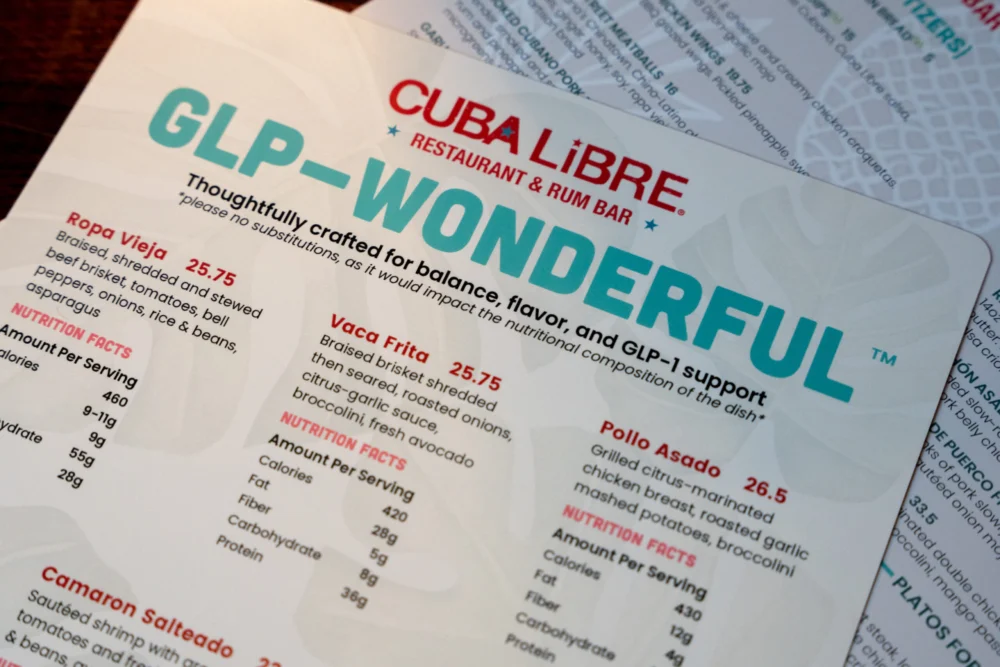
Several powerful forces are converging to drive this culinary evolution. Foremost among them is the increasing economic pressure on consumers, who are seeking ways to manage their budgets without sacrificing the pleasure of dining out. The specter of inflation and rising costs across all sectors has made diners more discerning about where and how they spend their money. Concurrently, a heightened awareness of personal health and wellness, including efforts to manage weight or adopt healthier eating patterns, is influencing menu choices. This health-conscious movement has been significantly amplified by the widespread adoption of GLP-1 weight-loss and diabetes medications, which drastically alter appetite and dietary requirements. Beyond these factors, generational shifts are also at play, with younger consumers often preferring smaller, more frequent meals or snacks throughout the day, valuing flexibility and variety over monolithic entrees.
Maeve Webster, president of the culinary consulting firm Menu Matters, encapsulates this multifaceted shift succinctly. "These are really driven by, I think, changes in the way people are thinking about their relationship with food, the way they spend money on food, what is a good value and what’s not," Webster observes. This sentiment underscores a departure from the "bigger is better" mentality that dominated restaurant culture for decades, particularly within casual dining chains. Consumers are now evaluating "value" not solely by portion size, but by a combination of price, quality, and suitability to their personal needs.
The Quest for Value in an Evolving Economy
In an era marked by economic uncertainty and rising household expenses, the allure of a more affordable meal option is undeniable. Dining out, often considered a discretionary luxury, is increasingly subject to budget constraints. For many, a smaller, less expensive portion allows them to continue enjoying restaurant experiences without breaking the bank. This economic imperative has spurred independent establishments to innovate quickly.
Beth Tipton, co-owner of Daniel Girls Farmhouse Restaurant in Connersville, Indiana, provides a compelling example of this grassroots response. Last fall, prompted by numerous customer requests, Tipton introduced an eight-item "Mini Meals" menu. This thoughtful addition, featuring daily specials such as a half piece of meatloaf served with green beans, mashed potatoes, and gravy for a modest $8, quickly resonated with her clientele. The "Mini Meals" menu now accounts for an impressive 20% of the restaurant’s total orders, highlighting the substantial demand for such options.
Tipton elaborates that approximately half of her restaurant’s customers are older adults, many of whom voiced concerns that the regular menu’s prices were a "stretch for their budgets." Beyond affordability, Tipton, having personally undergone weight-loss surgery, understood the frustration of adults being disallowed from ordering from children’s menus – a common restriction across many dining establishments. "We wanted it to be available to all without the word ‘kids meals’ attached," Tipton explains. "With the rising costs all around us we wanted to help in any way we can, and this is a great option." Her initiative demonstrates a keen understanding of her community’s needs, offering a dignified and accessible solution for those seeking smaller, more economical portions.
The GLP-1 Revolution: Reshaping Restaurant Demand
Perhaps the most significant and rapidly evolving driver of the smaller portion trend is the unprecedented rise of GLP-1 (Glucagon-Like Peptide-1) receptor agonist drugs, such as Ozempic, Wegovy, Zepbound, and Mounjaro. These medications, initially developed for type 2 diabetes, have gained widespread use for weight management due to their powerful effects on appetite suppression and satiety. For individuals taking GLP-1s, their relationship with food fundamentally changes; they eat significantly less and often require specific nutritional profiles to maintain health and avoid discomfort.
This demographic presents a unique challenge and opportunity for the restaurant industry. As Barry Gutin, co-owner of Cuba Libre Restaurant and Rum Bar, discovered last fall, friends on GLP-1s were struggling to find restaurant meals that accommodated their diminished appetites and specialized dietary needs. GLP-1 users typically require nutritionally dense foods that are low in fat but high in protein and fiber, to maximize nutrient intake from smaller quantities and aid digestion.
Recognizing this emerging market segment, Gutin collaborated with a weight-loss specialist physician and Cuba Libre’s culinary director, Angel Roque. Their swift response led to the development of the "GLP-Wonderful" menu, now available during dinner service at Cuba Libre locations in Philadelphia, Washington, Atlantic City, New Jersey, and Orlando, Florida. This menu thoughtfully features five classic Cuban options, re-engineered to meet the specific requirements of GLP-1 users. Roque highlights a prime example: the pollo asado, which typically boasts nearly 1,000 calories on the regular menu, is slimmed down to a mere 400 calories on the GLP-1 menu, while retaining high protein and fiber content. Critically, Roque emphasized the importance of maintaining flavor and visual appeal to stimulate appetites that might otherwise be suppressed. "Many times when people are on those kind of regimes, they feel that they can’t do the same as everybody else. So we wanted to show them, yes, at Cuba Libre, you can," Roque proudly states.
The strategic foresight has paid dividends. Gutin estimates that 10 to 20 groups at each Cuba Libre location every week include at least one person requesting the GLP-Wonderful menu, demonstrating a tangible increase in business and customer loyalty. "People say, ‘Thank you for serving us’," Gutin affirms, underscoring the deep appreciation from diners who often feel overlooked by the mainstream restaurant industry. The rapid growth in GLP-1 prescriptions, with millions now using these drugs, suggests that this demand will only intensify, making tailored menus not just a niche offering, but a potential cornerstone of future restaurant success.
Big Chains Go Small: Adapting to a New Normal
The shift towards smaller portions isn’t confined to independent eateries; major national chains are also recognizing and responding to these evolving consumer preferences. Their scale and market research capabilities indicate a broader, more systemic change in the dining landscape.
Olive Garden, a stalwart known for its generous portions and "unlimited" offerings, rolled out its seven-item "Lighter Portions" menu nationwide in January. While acknowledging GLP-1 users as a consideration, Rick Cardenas, president and CEO of Olive Garden’s parent company, Darden Restaurants, emphasized a broader appeal. The "Lighter Portions" also target patrons pursuing healthier diets or seeking more affordable meals. "There is a consumer group out there that believes in abundance, but abundance is different for everybody," Cardenas noted in a September conference call with investors, signaling a nuanced understanding of evolving consumer definitions of value. He also reassured investors that the chain isn’t abandoning its core appeal: "We’re not changing our entire menu to make it a smaller portion." Instead, it’s about offering choice and flexibility.
Other prominent chains are following suit. The Asian fusion chain P.F. Chang’s introduced medium-sized portions last fall, providing an intermediate option between full entrees and appetizers. The Cheesecake Factory, famed for its expansive menu and colossal portions, added smaller, lower-priced "Bites and Bowls" to its offerings last summer. Even TGI Fridays recently began testing an "Eat Like A Kid" menu, designed specifically to provide smaller, adult-friendly portions. These moves by industry giants signify that the demand for scaled-down meals is not a fleeting trend but a fundamental recalibration of consumer expectations across the dining spectrum.
A Long-Term Change: Beyond Fleeting Fads
While the concept of smaller plates isn’t entirely new—tapas restaurants, for instance, were a significant trend two decades ago—menu consultant Maeve Webster believes the current wave of scaled-down dishes represents a more enduring shift. This time, the trend is not tied to a specific cuisine or dining style but is a widespread response to fundamental consumer needs.
Webster points to increased consumer awareness of food waste as another critical factor. Globally, food waste is a major environmental and economic concern. Smaller portions can alleviate consumer guilt associated with uneaten food, aligning with growing desires for sustainability and conscious consumption. "I think it is a core need that consumers have, and a demand that has been lingering under the surface for a long time because restaurant meals, particularly at chains, have become so large," Webster asserts. She also articulates a common frustration: "Sure, it sounds great to take leftovers home, but they never taste as good." This candid observation resonates with many diners who prefer a perfectly portioned meal enjoyed in its entirety at the restaurant, rather than dealing with often-disappointing reheated remnants.
The impact of this shift is evident even in smaller, community-focused establishments. Jack Pless, a man in his 60s visiting Shelburne, Vermont, from North Carolina, was delighted by the "Teeny Tuesday" menu at Barkeaters Restaurant, which specializes in locally sourced food. Pless, a former restaurant owner himself, acknowledges he simply can’t eat as much as he used to. His experience echoes Webster’s point about leftovers: "So many times you go out to restaurants, especially me or my wife, and we’ll take home a box and it’ll sit in the refrigerator for two, three days and start to grow a beard," he quipped, highlighting the common problem of uneaten doggy bags.
Julie Finestone, co-owner of Barkeaters, initially introduced the "Teeny Tuesday" menu last month as a seasonal strategy to boost weekday business during the quieter winter months. Despite concerns about the profitability of offering lower-priced items, such as $12 reuben sliders, the initiative brought in significantly more business than anticipated. The success has been so pronounced that Finestone is now confident "Teeny Tuesday" will become a year-round fixture. "Some people, it’s dietary. Some have smaller appetites. Some people don’t like to overindulge in the middle of the week," Finestone observes, articulating the diverse motivations behind the menu’s popularity. "I think that it just spoke to people."
The proliferation of petite portions reflects a maturing restaurant industry that is becoming more attuned to the nuanced demands of its clientele. From economic realities and evolving health consciousness—supercharged by the GLP-1 phenomenon—to changing lifestyles and a greater appreciation for sustainability, the drivers behind this trend are deep-seated and likely to endure. As restaurants continue to innovate and adapt, the era of the overly generous, one-size-fits-all meal may well be giving way to a future where thoughtful, flexible, and perfectly portioned dining experiences become the new standard.
AP Video Journalists Mingson Lau in Philadelphia and Amanda Swinhart in Shelburne, Vermont, contributed.
