
 By Lina Irawan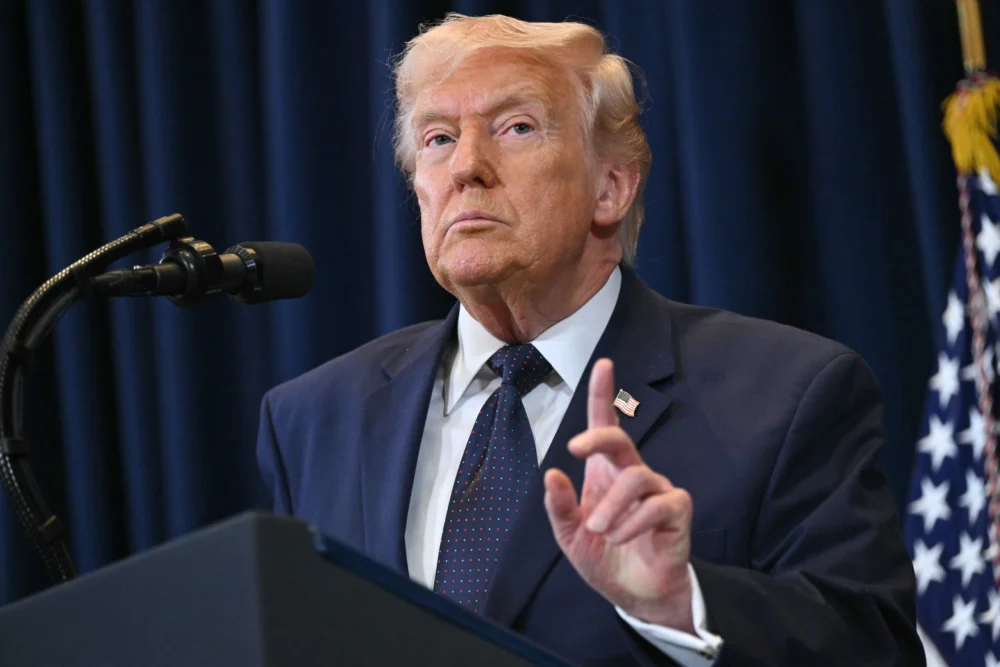
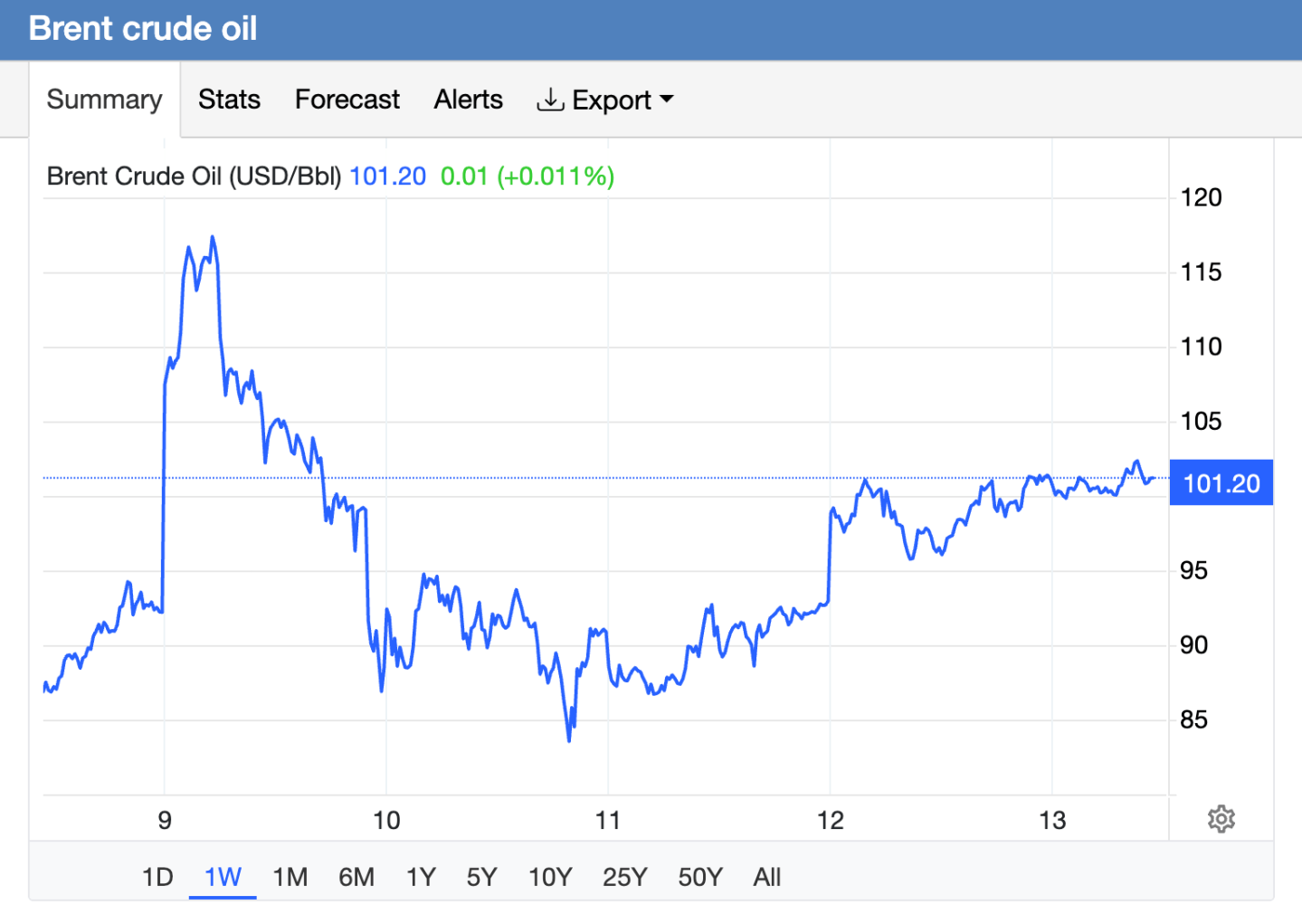
Markets in Asia, Europe, and the U.K. collectively absorbed another substantial beating. India’s Nifty 50, a key barometer for one of the world’s fastest-growing economies, was off more than 2%, reflecting concerns about imported inflation and its impact on domestic growth. The volatile South Korean KOSPI, sensitive to global trade and technology cycles, shed 1.72%. This widespread downturn isn’t shrouded in mystery; the root cause is unequivocally the escalating geopolitical tensions in the Middle East, specifically the closure of the Strait of Hormuz, which has sent oil prices skyrocketing.
Geopolitical Instability Fuels Market Turmoil
The dramatic rise in oil prices is directly attributable to the escalating conflict involving Iran and its strategic control over the Strait of Hormuz, a critical chokepoint for global oil shipments. Reports indicate that Iran has successfully laid sea mines within the Strait, effectively disrupting maritime traffic and posing an existential threat to oil tankers. So far, eighteen ships in the vital waterway have been struck, a stark illustration of the immediate danger. Despite efforts, the U.S. Navy has not yet managed to provide secure passage for tankers, leaving global energy supply vulnerable and driving up the risk premium on crude.
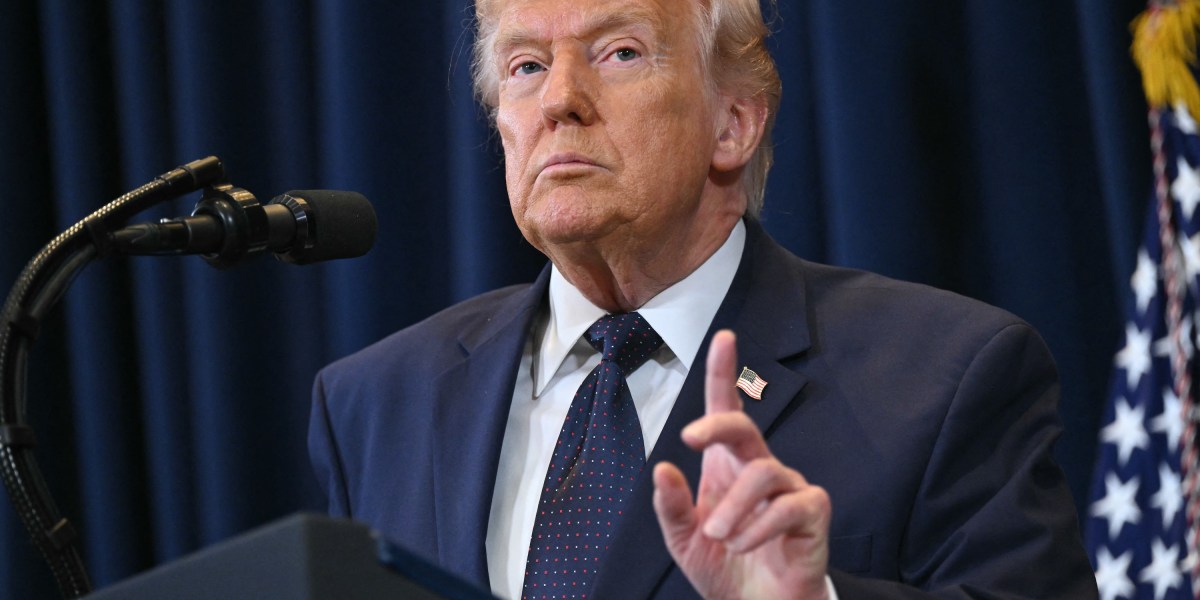
Adding to the uncertainty, conflicting signals from political leaders further unnerve markets. While President Trump has maintained a defiant stance, insisting Iran is "about to surrender" and declaring that the U.S. has "unparalleled firepower, unlimited ammunition, and plenty of time," Israeli intelligence paints a different picture, suggesting the regime in Tehran is not likely to fall soon. This divergence in outlook, particularly the president’s closing assertion of "plenty of time," is being interpreted by investors as a sign that the conflict could be protracted, leading to sustained energy price volatility and economic disruption.
"The stock market may be starting to discount the possibility that the war won’t be short and that the Strait of Hormuz may remain effectively closed for some time," commented Ed Yardeni of Yardeni Research last night, capturing the growing anxiety among investors. Chris Turner at ING echoed this sentiment, noting, "The dollar is pushing to new highs for the month as the market struggles to see a way out of the Middle East crisis." The U.S. dollar typically strengthens during periods of global uncertainty as investors seek safe-haven assets.
For most sectors, the outlook is bleak, with U.S. stocks generally down for the year. However, a notable exception stands out: oil producers. Shares in giants like Exxon, Chevron, and other U.S. oil and gas companies have hit all-time highs, directly benefiting from the war-driven surge in crude prices. While these companies reap record profits, the burden of inflated fuel costs will ultimately be passed on to consumers, exacerbating inflationary pressures and potentially dampening overall economic activity, as highlighted by Fortune‘s Jordan Blum.
Binance Under Scrutiny for Sanctions Evasion
Amidst the broader geopolitical and economic turmoil, a startling investigation by Fortune‘s Leo Schwartz and Ben Weiss has revealed significant lapses in compliance at the cryptocurrency exchange Binance. The exclusive report alleges that Binance permitted a VIP account, registered to a 79-year-old Chinese resident, to facilitate the transfer of $439 million in digital tokens. These funds were then reportedly funneled to wallets connected to sanctioned organizations linked to Iran’s Islamic Revolutionary Guard Corps (IRGC), a designated terrorist organization by the U.S.
This revelation casts a harsh light on Binance’s anti-money laundering (AML) and sanctions compliance protocols, particularly given its history of regulatory challenges and previous fines. The use of a VIP account and the significant sums involved suggest a systemic failure to monitor suspicious activities, potentially allowing a crucial financial lifeline to sanctioned entities. The incident underscores the persistent struggle of the nascent cryptocurrency industry to establish robust regulatory frameworks that prevent illicit finance, a challenge that could have profound implications for global security and the legitimacy of digital assets. For governments and regulators, this highlights the urgent need for stricter oversight of crypto exchanges to prevent their platforms from being exploited for sanctions evasion and funding of destabilizing actors.
Uncertainty at Iran’s Helm
Further complicating the crisis is the deeply uncertain status of Iran’s new supreme leader, Mojtaba Khamenei. Reports from The Guardian indicate that there is still no "proof of life" confirming his survival following an attack that tragically claimed the lives of his father, mother, one of his children, a sister, his wife, a brother-in-law, and a niece. While Khamenei was reportedly injured, official confirmation of his medical condition remains elusive, and he has not been seen in public since the assault.
Opposition groups within Iran are actively speculating that he may be dead or in a coma, despite Tehran issuing a robust statement in his name, vowing to continue the fight. This leadership vacuum, or at least profound uncertainty at the very top, is particularly concerning during a period of active conflict. The Guardian’s gloomy conclusion that "the wartime machinery can operate almost on automatic pilot without him" suggests that the conflict’s trajectory might be dictated by institutional momentum rather than deliberate, high-level strategic decisions, potentially making de-escalation more difficult and prolonging instability. The lack of a clear, visible leader could also embolden various factions within Iran, leading to unpredictable shifts in policy or military action.
The Evolving Landscape of Artificial Intelligence
Beyond the immediate geopolitical concerns, the technological revolution driven by artificial intelligence continues to reshape industries, presenting both opportunities and complex challenges.
AI: A Job Creator?
Contrary to widespread fears of mass job displacement, Morgan Stanley’s annual Technology, Media & Telecom Conference in San Francisco has identified three distinct areas where AI is actively creating new demand for workers. While the report does not detail the specific roles, industry trends suggest these likely include highly specialized positions such as AI researchers and developers, data scientists and engineers (to prepare and manage the vast datasets AI requires), and prompt engineers or AI trainers (to optimize AI performance and ensure ethical alignment). Furthermore, there is growing demand for professionals who can integrate AI solutions into existing business processes, manage AI infrastructure, and develop AI ethics and governance frameworks. This nuanced view suggests that while some jobs will undoubtedly be automated, AI’s transformative power is also generating entirely new categories of employment, requiring a significant re-skilling effort across the global workforce.
Meta’s AI Ambitions Stumble
Meanwhile, Meta’s ambitious foray into artificial intelligence appears to be hitting significant roadblocks. Nine months and a staggering $14.3 billion after assembling an "AI super team" led by the prominent Alexandr Wang, the company’s masterplan is reportedly looking increasingly shaky. Fortune‘s Alexei Oreskovic highlights a report in the New York Times detailing the delay of Meta’s latest AI model, "Avocado," which was initially slated for a March launch but is now pushed back until May. More critically, Avocado reportedly fell short of the performance benchmarks set by leading models from Google, OpenAI, and Anthropic.
The most stunning revelation, however, is that Meta’s leadership has reportedly discussed the unprecedented step of licensing Google’s Gemini model temporarily, until Avocado can be brought up to par. As Oreskovic aptly puts it, "The notion of Mark Zuckerberg asking Google’s Sundar Pichai for permission to use Gemini is almost impossible to imagine," underscoring the severity of Meta’s struggles in this critical technological race. Such a move would represent a significant strategic setback for Meta, undermining its independence in a key growth area and signaling a potential competitive disadvantage against rivals who are rapidly advancing their proprietary AI capabilities. The internal discussion itself, regardless of whether a deal materializes, speaks volumes about the perceived gap in Meta’s current AI prowess.
Pentagon Axes Anthropic Over "Pollution" Concerns
Adding another layer of complexity to the AI discourse, the Pentagon has made a decisive move by axing Anthropic, a leading AI developer, from its supply chain. Defense Department CTO Emil Michael explained the decision to CNBC, citing concerns over "pollution" within the AI models. Michael articulated, "We can’t have a company that has a different policy preference that is baked into the model through its constitution, its soul, its policy preferences, pollute the supply chain so our warfighters are getting ineffective weapons, ineffective body armor, ineffective protection."
This extraordinary statement highlights a profound and growing concern about the inherent biases and ethical frameworks embedded within commercial AI models, particularly when applied to sensitive military and national security contexts. The Pentagon’s decision underscores the critical need for AI systems used in defense to be entirely free of "policy preferences" or "constitutional" biases that could compromise their effectiveness or lead to unintended outcomes in wartime scenarios. It raises fundamental questions about AI alignment, control, and the potential for commercial AI developers’ ethical guidelines to conflict with military objectives, setting a precedent for rigorous scrutiny of AI vendors in critical sectors.
Economic Barometers and Consumer Resilience
What Americans are spending their tax refunds on
In a small but encouraging sign for consumer spending, Bank of America payments data indicates that early tax filers are directing their refunds towards discretionary categories, with a noticeable preference for electronics, restaurants, and travel. This suggests a degree of consumer confidence and a willingness to spend on experiences and goods beyond necessities. Furthermore, average refund sizes are up more than 10% year-over-year, according to BofA analysts Liz Everett Krisberg and David Michael Tinsley. This increase in refund amounts, coupled with a focus on discretionary spending, could provide a modest boost to sectors that have been recovering post-pandemic, offering a glimmer of resilience amidst broader economic headwinds. It also implies that households may have slightly more disposable income or that previous overpayments to the IRS have been larger.
NUMBER OF THE DAY: 0
A stark prediction from EY-Parthenon Chief Economist Gregory Daco has sent ripples through financial circles: the possibility of zero interest rate cuts by the Federal Reserve this year. Daco stated, "Given our higher headline and core PCE inflation forecast, we have revised our baseline to show only one 25bps rate cut in 2026, likely in December, but it is entirely plausible that the Fed won’t deliver any rate cuts this year." This revised outlook significantly contrasts with earlier market expectations for multiple rate cuts and underscores the persistent inflationary pressures in the economy, exacerbated by the recent surge in oil prices. The implication of no rate cuts or only a single, late-year cut is profound for businesses and consumers, signifying higher borrowing costs for longer, which could dampen investment, slow economic growth, and increase the risk of recession. It also means less relief for mortgage holders and other borrowers, extending the period of financial tightness.
The Front Pages Today: A Snapshot of Global Concerns
Today’s headlines reflect a diverse yet interconnected web of global challenges. The Financial Times reports on "JPMorgan, suspicious activities and Epstein," highlighting ongoing scrutiny of financial institutions’ roles in high-profile scandals. CNBC delves into "Who is really footing the AI energy bill? Inside the debate about data center electricity costs," raising critical questions about the environmental and economic impact of the burgeoning AI industry. Axios points fingers with "48% of Americans blame Trump for high gas prices – more than any other factor," illustrating the political ramifications of economic pain. The Wall Street Journal sounds an alarm on "An Exodus of Money Endangers Wall Street’s Private-Credit Craze," signaling potential fragility in a rapidly growing, less-regulated financial sector. Bloomberg offers a chilling perspective with "’God, It’s Terrifying’: How the Pentagon Got Hooked on AI War Machines," exploring the ethical and strategic dilemmas of military AI. Finally, Reuters captures the precarious state of traditional media with "Embattled BuzzFeed warns end could be near as it faces major cash crunch," reflecting the broader struggles of digital publishers in a competitive landscape.
ONE MORE THING: Hollywon’t – The Shrinking Movie Industry
Adding to the narrative of industries in flux, Fortune‘s Geoff Colvin paints a grim picture of Hollywood, declaring that the iconic movie industry is "disintegrating." The data is stark: production measured in Los Angeles shoot days has plummeted from 36,792 in 2022 to a mere 19,694 in 2025, a dramatic contraction. This decline has had a severe human cost, with some 41,000 workers, the backbone of the industry, departing between 2022 and 2024.
This exodus and production slump are indicative of a profound structural shift rather than a cyclical downturn. The traditional studio model is being challenged by the rise of streaming giants, with Ted Sarandos, co-CEO of Silicon Valley-headquartered Netflix, now arguably the industry’s most powerful figure, rather than a traditional studio boss. The shift to streaming has fundamentally altered content creation, distribution, and consumption, leading to a focus on episodic television over feature films, tighter budgets, and a decentralized production landscape that is less reliant on the physical "Hollywood cluster." The implications are far-reaching, threatening not only jobs and economic activity in Los Angeles but also the very cultural identity associated with the global entertainment capital. The industry is in a painful transition, grappling with new business models, evolving audience preferences, and the relentless pressure of technological disruption.
