
 By admin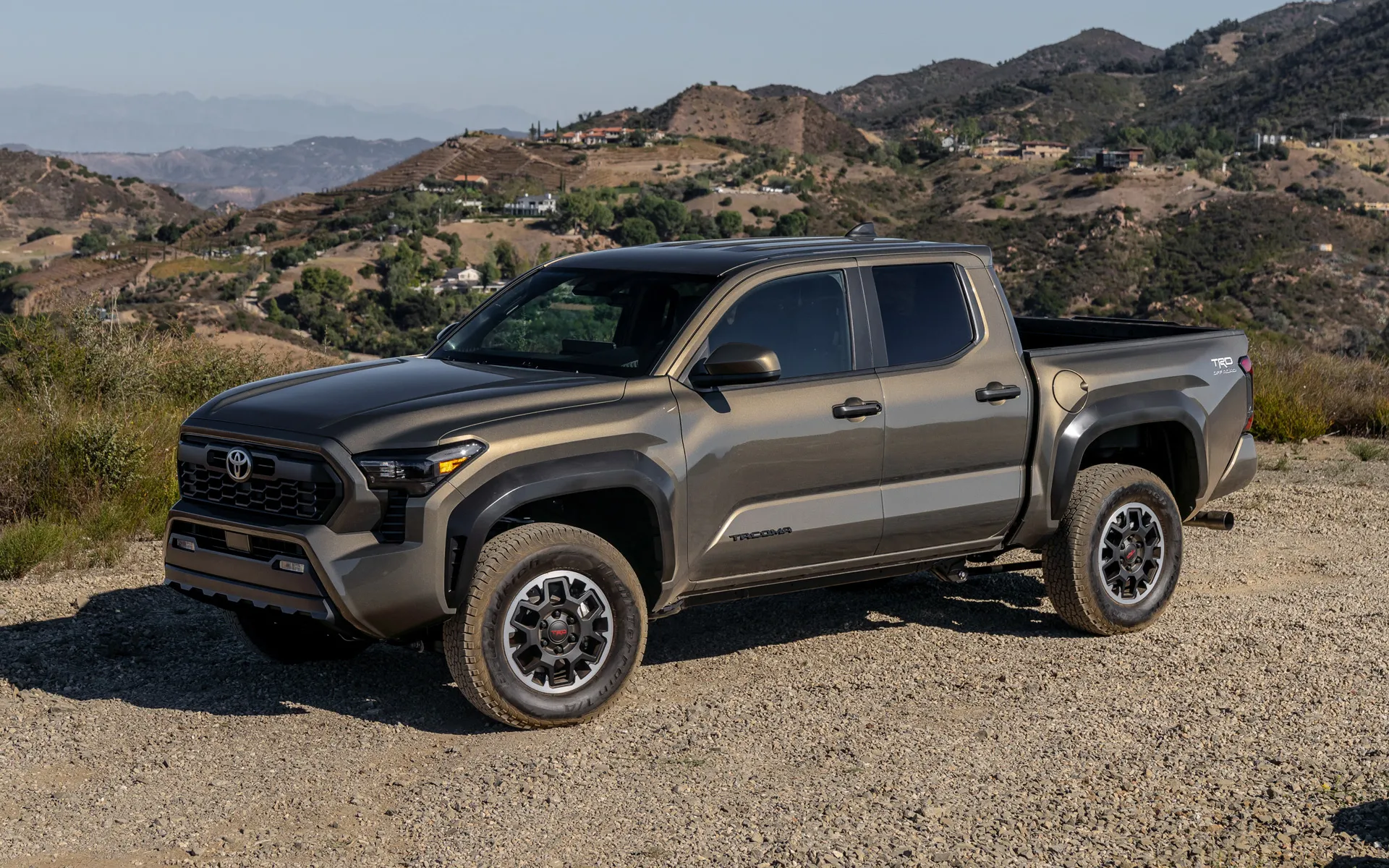
Midsize pickups occupy a crucial niche in the automotive market, offering a compelling blend of utility, maneuverability, and affordability that larger, more expensive full-size trucks often cannot match. They serve as versatile tools for both work and adventure, striking a balance that appeals to a wide array of buyers who don’t require the sheer hauling or towing might of a heavy-duty pickup but still demand capability beyond what a typical SUV can provide. In this hotly contested segment, two titans stand out for 2025: the refreshed Toyota Tacoma and the robust Nissan Frontier. Both trucks have legions of loyal fans and bring distinct philosophies to the table, but a closer look reveals significant differences in their approach to power, technology, and versatility. This comprehensive comparison aims to dissect their offerings, weigh their strengths and weaknesses, and ultimately determine which midsize truck offers the better choice for the discerning buyer.

The midsize truck segment has witnessed a resurgence in recent years, with manufacturers investing heavily in modernizing their lineups to meet evolving consumer demands. Once seen as a secondary option, these trucks are now front and center, catering to everyone from weekend warriors seeking off-road adventures to contractors needing a reliable workhorse. The competitive landscape includes strong contenders like the Chevrolet Colorado and Ford Ranger, but the rivalry between the Toyota Tacoma and Nissan Frontier often captures the most attention due to their long-standing presence and distinct brand identities. The Tacoma, a perennial bestseller, has long been synonymous with reliability and strong resale value, boasting a new generation that pushes boundaries with advanced powertrains and sophisticated off-road tech. The Frontier, while traditionally offering a more value-oriented, no-nonsense package, received a significant overhaul for its previous generation, bringing it up to modern standards and positioning it as a formidable challenger.
Frontier vs. Tacoma Prices and Features
Understanding the financial commitment and the breadth of features offered by each truck is paramount. While both start around a similar entry point, their trajectories in terms of available trims, technology, and luxury diverge significantly.
How much is a Nissan Frontier?
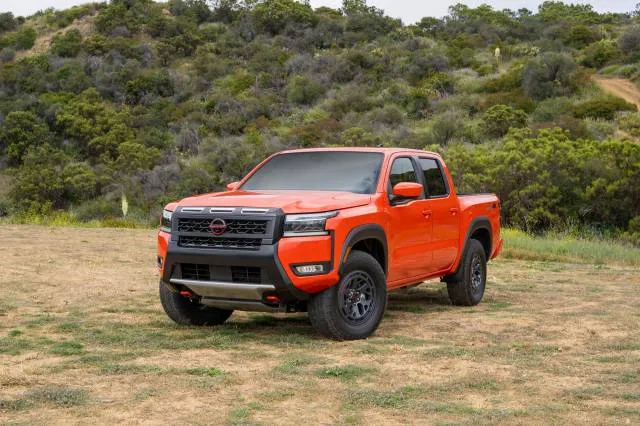
Nissan presents the 2025 Frontier in a more focused lineup, offering S, SV, SL, and the off-road-oriented Pro-X (2WD) and Pro-4X (4WD) trim levels. The base Frontier S King Cab (extended cab) kicks off with an attractive starting price of approximately $33,000. For this sum, buyers receive essential amenities including durable cloth upholstery, manually adjustable front seats, an 8.0-inch touchscreen infotainment system with wired Android Auto and Apple CarPlay integration, power features, a basic urethane steering wheel, a four-speaker audio system, a sliding rear window, a composite front skid plate, and practical 16-inch steel wheels. This configuration is ideal for those prioritizing raw utility and budget consciousness.
Opting for the more spacious Crew Cab body style adds approximately $1,300 to the price, while the enhanced traction of four-wheel drive (4×4) commands an additional $3,000. A compelling mid-range option is the 4×4 SV model with the crew cab, which, priced around $40,000, offers substantial upgrades. These include a larger 12.3-inch touchscreen, the convenience of wireless Apple CarPlay and Android Auto, power-adjustable exterior mirrors, an eight-way power driver’s seat with two-way lumbar adjustments for improved comfort, a six-speaker audio system, a satellite radio trial, a more robust steel front skid plate, and attractive 17-inch alloy wheels. This trim represents a strong value proposition, balancing practicality with enhanced comfort and technology.
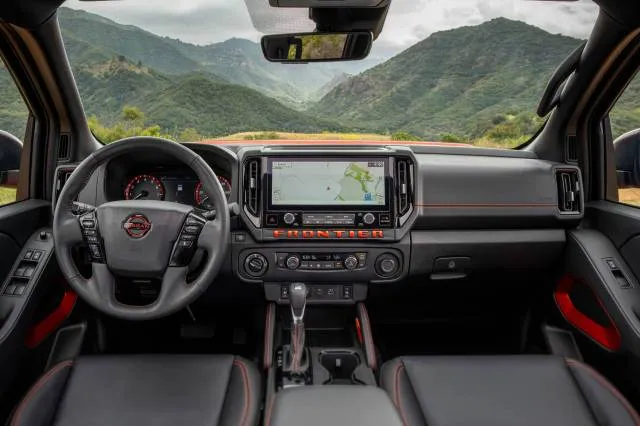
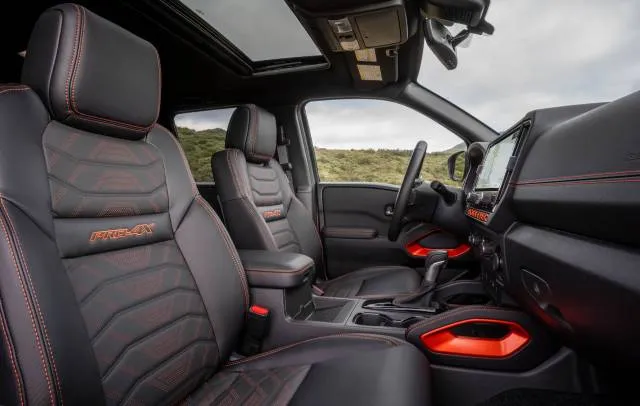
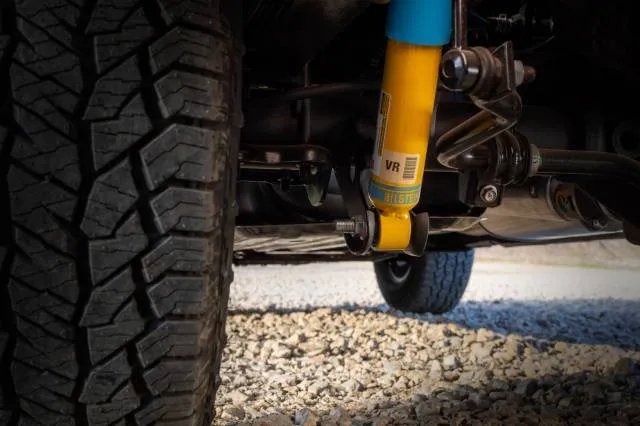
For enthusiasts looking to tackle more challenging terrain, the Crew Cab Pro-4X, starting just over $43,000, is a highly attractive choice. This dedicated off-roader is engineered with serious capability, featuring performance-tuned Bilstein shock absorbers, an aluminum front skid plate, additional skid plates protecting the transfer case and fuel tank, and aggressive all-terrain tires.
At the pinnacle of the Frontier lineup, the 4×4 Crew Cab SL model surpasses $46,000. This trim elevates the interior experience with luxurious leather upholstery, heated front seats, a heated steering wheel, integrated navigation, a wireless smartphone charger, a versatile 120-volt outlet, a premium 10-speaker Fender audio system, remote start, a Class IV tow hitch for maximum towing capability, under-rail LED cargo bed lights, Nissan’s innovative Utili-track bed tie-down system with two adjustable cleats, a sunroof, and a comprehensive surround-view camera system for improved visibility.
Nissan provides a standard 3-year/36,000-mile basic warranty for the Frontier.
How much is a Toyota Tacoma?
Toyota’s 2025 Tacoma boasts a significantly more expansive and diverse model range, catering to an incredibly broad spectrum of buyer preferences and needs. The lineup includes the SR, SR5, TRD PreRunner, TRD Sport, TRD Off-Road, Limited, Trailhunter, and the flagship TRD Pro.
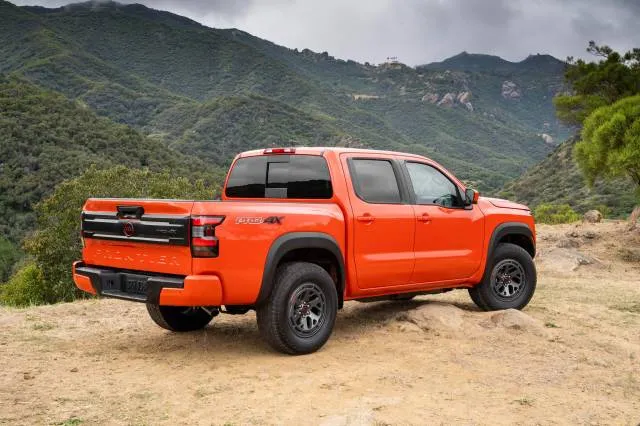
The entry-level Tacoma SR model, like the Frontier, starts at approximately $33,000. Standard features include cloth upholstery, manually adjustable seats, an 8.0-inch touchscreen with Apple CarPlay and Android Auto, power features, and 17-inch steel wheels. Four-wheel drive is available for an additional $3,200, and the Crew Cab body style (known as Double Cab by Toyota, typically paired with the short bed) adds around $2,200.
For a recommended balance of features and value, the 4×4 SR5 Double Cab with the long bed, priced around $42,000, offers notable enhancements. This configuration includes LED fog lights, alloy wheels, a practical deck rail system, and a crucial upgrade to a coil-spring rear suspension (on crew cab models) which significantly improves ride comfort compared to the base leaf-spring setup. It also adds blind-spot monitors with rear cross-traffic alerts for enhanced safety.
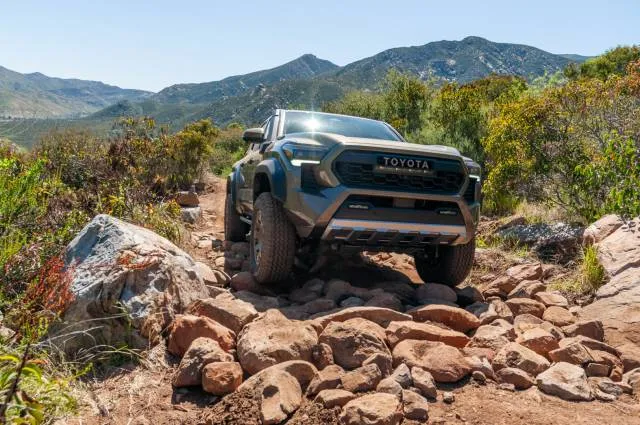
The appeal of advanced powertrains comes into play with the TRD Sport i-Force Max, which commands around $48,000. This model introduces the powerful hybrid drivetrain, a sophisticated 12.3-inch digital gauge cluster, LED bed lighting, and larger 18-inch wheels. It also provides access to optional premium features such as cooled synthetic leather seats, a sunroof, and a comprehensive towing package.
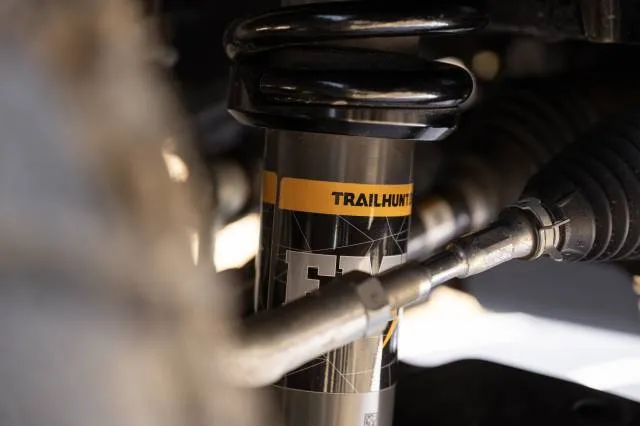
The Tacoma lineup stretches considerably higher than the Frontier’s, culminating in highly specialized and luxurious trims. The TRD Pro, designed for high-speed desert running, can reach approximately $65,000, adding a massive 14.0-inch touchscreen, heated and cooled front seats, premium audio, and a wealth of advanced off-road hardware. The Trailhunter, another top-tier off-roader, is geared more towards overlanding and slow rock crawling, featuring robust Old Man Emu (OME) suspension, ARB accessories, and integrated rock sliders, pushing its price into similar high-end territory.
Toyota matches Nissan’s 3-year/36,000-mile basic warranty but sweetens the deal with an additional 2 years/24,000 miles of complimentary scheduled maintenance, adding significant value over the ownership period.
Advantage: Toyota Tacoma for features, lineup, and options, but the Frontier for a more affordable top-end price and straightforward approach. The Tacoma’s extensive range and advanced options, particularly the hybrid and superior rear suspension on crew cabs, offer more choices and refinement, albeit at a higher potential cost. The Frontier remains a strong contender for those seeking a well-equipped truck without venturing into the highest price brackets.
Frontier vs. Tacoma Performance
The heart of any truck lies in its powertrain and chassis, dictating its capability, driving dynamics, and overall feel. Both the Frontier and Tacoma offer distinct performance profiles.
Toyota Tacoma Powertrains and Driving Dynamics
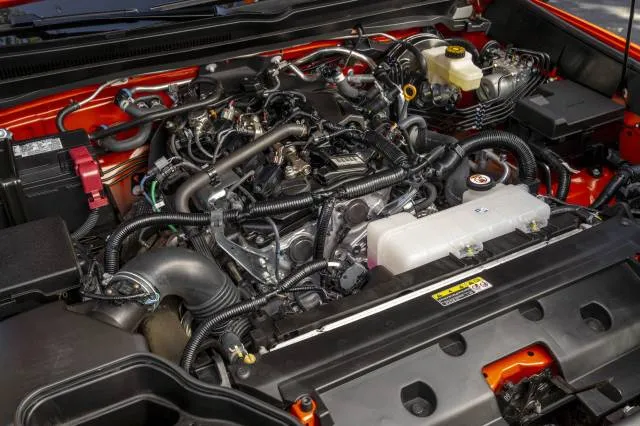
The 2025 Tacoma introduces a completely new engine lineup. The base engine is a 2.4-liter turbocharged inline-4, delivering a respectable 228 horsepower and 243 lb-ft of torque. This unit, paired with a smooth and responsive 8-speed automatic transmission or an available 6-speed manual, offers decent power for a midsize truck and handles daily driving duties with ease. For higher-line models, an uprated version of the 2.4-liter turbo-4 boosts output to 270 hp and 310 lb-ft of torque (with the automatic) or 278 hp and 317 lb-ft (with the manual). While some drivers might notice a slight "diesel-like clatter" at idle, this engine provides the robust power most buyers will desire, working seamlessly with the automatic transmission and offering a responsive throttle pedal.
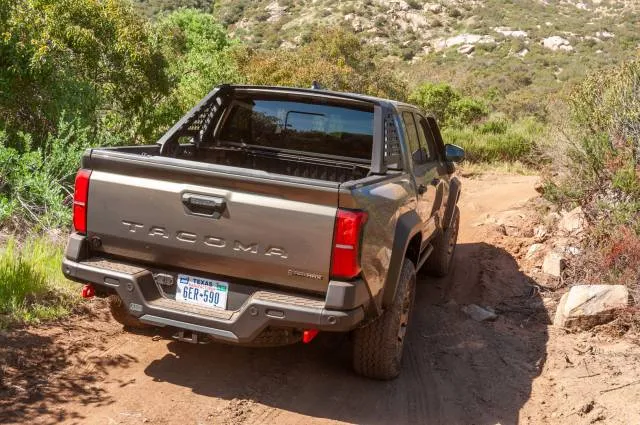
The most significant powertrain innovation for the Tacoma is the optional i-Force Max hybrid system. This combines the uprated turbo-4 with an electric motor, generating a formidable 326 hp and an impressive 465 lb-ft of torque. This hybrid setup not only dramatically improves acceleration and passing power but also instills greater confidence when towing heavy loads. Despite its power, its combined fuel economy is rated at 23 mpg, which is competitive for the segment but not a dramatic leap over the non-hybrid options given its complexity and output.
Nissan Frontier Powertrain and Driving Dynamics
In contrast, the 2025 Frontier maintains a simpler, singular powertrain strategy. It features a naturally aspirated 3.8-liter V-6 engine, which produces a robust 310 hp and 281 lb-ft of torque. This engine is exclusively paired with a smooth and intelligent 9-speed automatic transmission. The V-6 delivers strong, consistent power, making highway passing a no-fuss proposition. The transmission is well-tuned, offering seamless shifts and optimizing power delivery for various driving conditions. The Frontier’s V6 provides a more traditional, linear power delivery that many truck enthusiasts appreciate, without the turbo lag or complexity of forced induction.
Towing and Payload Capacity
When it comes to raw work capability, both trucks are competent, but they excel in different areas.
For 2025, the Nissan Frontier sees an increase in its maximum towing capacity, now reaching an impressive 7,150 pounds, a 500-pound improvement over previous models. Its maximum payload capacity stands at 1,620 pounds.
The Toyota Tacoma, on the other hand, can tow up to 6,500 pounds and haul a maximum payload of 1,710 pounds.
This means the Frontier takes the lead in towing capacity, making it a stronger choice for those regularly pulling trailers, boats, or campers. Conversely, the Tacoma is the winner for payload capacity, offering a slight edge for carrying heavy loads in its bed.
Ride and Suspension
Both trucks, in their base configurations, feature front double wishbones and rear leaf-spring suspensions, which can result in a somewhat choppy ride, particularly when the bed is unladen. However, Toyota has made a significant stride in ride comfort for its crew cab (Double Cab) models by equipping them with a multi-link rear suspension and coil springs. This advanced setup substantially smooths out the ride, providing a more car-like comfort experience, especially on paved roads and less demanding trails. While both offer various off-road suspension upgrades, Toyota’s range of specialized off-road choices is far more extensive and refined.
Advantage: Tacoma for advanced powertrain options, including the powerful hybrid, and a more refined ride experience due to its available multi-link coil-spring rear suspension on crew cab models. The Frontier offers a strong, proven V6 and superior towing.
Frontier vs. Tacoma Off-Road and 4×4 Systems
Midsize trucks are often chosen for their off-road prowess, and both the Frontier and Tacoma offer robust systems to tackle challenging terrains.
Nissan Frontier Off-Road Capability
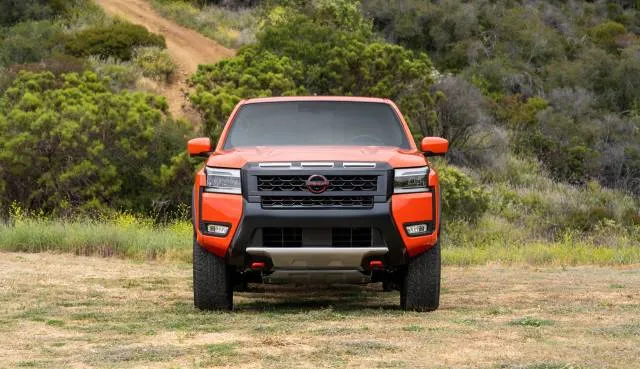
Rear-wheel drive is standard on both trucks, and both offer a capable part-time four-wheel-drive system with a 2-speed transfer case for low-range gearing. The Frontier’s four-wheel-drive system is easily controlled by a knob on the center console. For serious off-roading, the Pro-4X model is the clear choice. It comes equipped with a locking rear differential, aggressive all-terrain tires, and a commendable 9.5 inches of ground clearance, an improvement over the 8.9 inches of a rear-drive base model. The Pro-4X also benefits from the aforementioned Bilstein shocks and robust skid plates, making it a highly capable and durable machine for moderate to challenging trails.
Toyota Tacoma Off-Road Capability
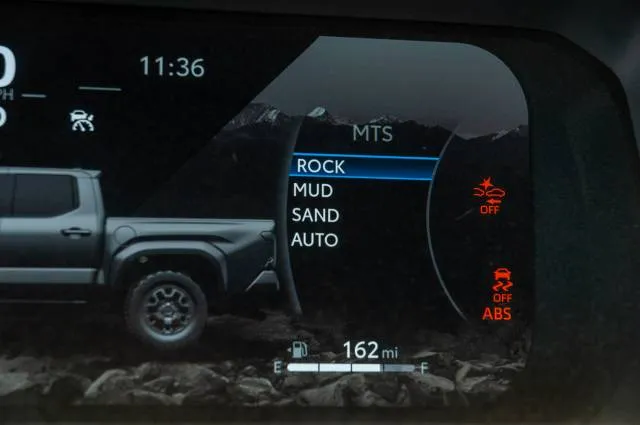
The Tacoma, however, provides a significantly broader and more technologically advanced array of off-road choices. Its hybrid Limited model even offers a full-time four-wheel-drive system, providing enhanced traction on various surfaces without manual engagement. Beyond that, the Tacoma offers a suite of advanced off-road technologies including a multi-terrain select system with various modes (e.g., Mud, Sand, Rock), an electronic locking rear differential, and Toyota’s renowned Crawl Control feature, which acts like a low-speed off-road cruise control.
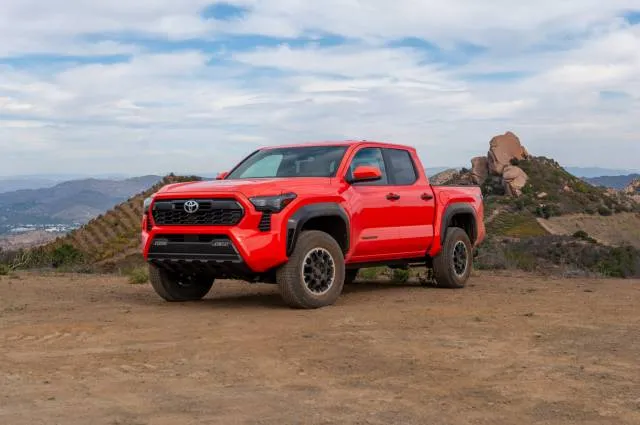
The dedicated off-road trims truly set the Tacoma apart. The TRD Off-Road model boasts 11.0 inches of ground clearance, rides on capable 32-inch all-terrain tires, and offers an optional disconnecting front sway bar for improved wheel articulation over obstacles. The TRD Pro, positioned as a high-speed desert runner, takes things further with stronger skid plates, Fox internal bypass shocks, and even greater ground clearance. For those interested in overlanding or extreme rock crawling, the new Trailhunter trim is outfitted with heavy-duty Old Man Emu (OME) suspension, ARB steel bumpers, rock sliders, and an integrated air compressor, essentially making it a factory-built adventure rig.
Advantage: Toyota Tacoma for superior off-road capability, a wider range of specialized options, and more advanced electronic aids.
Frontier vs. Tacoma Size, Space, and Seating Capacity, and Bed Space
The practical aspects of a truck, including its interior comfort, cargo capacity, and overall dimensions, are critical for daily usability.
How big is the Nissan Frontier?
Nissan offers the Frontier in two primary configurations: a four-passenger King Cab (extended cab) paired with a 6-foot bed, or a five-passenger Crew Cab body style available with either a 5-foot or a 6-foot bed. The Frontier’s wheelbase spans either 126.0 or 139.8 inches, and its overall length ranges from 210.2 to 224.1 inches. The bed floor lengths are 59.5 or 73.3 inches, respectively.
Inside the cabin, the Frontier presents a more utilitarian aesthetic, characterized by numerous hard-plastic surfaces, though they are durable and easy to clean. While the front seats offer good space and comfort, rear-seat accommodations are tighter in both cab styles. The Crew Cab provides 33.2 inches of rear legroom, which is adequate for a pair of adults on shorter journeys but can feel cramped on longer trips. The King Cab’s 26.8 inches of legroom means its rear "seats" are best reserved for children or, more practically, for additional cargo storage.
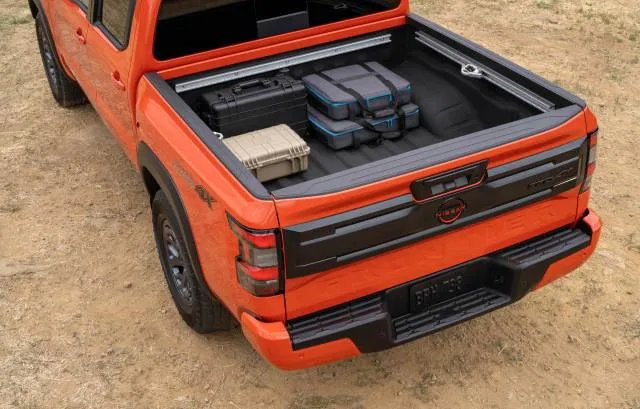
The Frontier’s bed comes standard with four sturdy tie-down hooks. Available features include a durable spray-in bedliner, a convenient 120-volt power outlet, under-rail LED lighting, and Nissan’s versatile Utili-track Channel System with two adjustable cleats, allowing for flexible cargo securing.
How big is the Toyota Tacoma?
The 2025 Tacoma mirrors the Frontier in offering a two-passenger extended-cab (Xtracab) with a 6-foot bed or a five-passenger crew cab (Double Cab) with either a 5-foot or 6-foot bed.
Front-seat space in the Tacoma is plentiful, and the bucket seats are generally comfortable and supportive. The interior design also incorporates clever small-items storage solutions, including Molle pockets on the doors and center console, enhancing practicality. The Xtracab configuration foregoes traditional rear seats in favor of small, lockable storage compartments, appealing to those who prioritize secure interior cargo over passenger capacity. The Double Cab offers 33.7 inches of rear legroom, a marginal improvement over the Frontier, though the rear seats still sit rather upright. The seat bottoms can fold up, creating additional flat storage space for bulkier items.
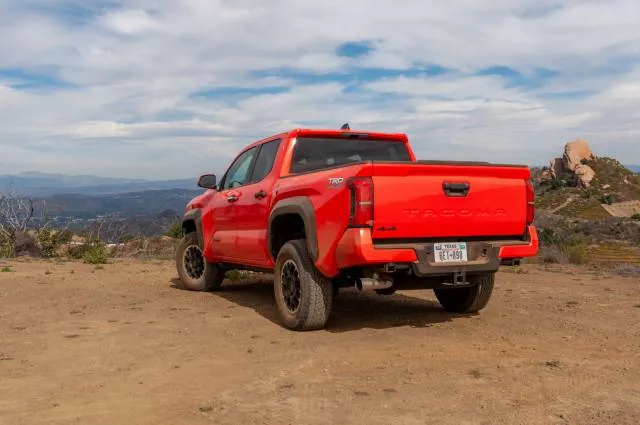
The Tacoma’s bed dimensions are slightly more generous than the Frontier’s. The long bed floor measures 73.5 inches, and the short bed is 60.3 inches long. The extended cab body style is 213.0 inches long with a 131.9-inch wheelbase. The Double Cab with the short bed shares these dimensions, but the Double Cab with the long bed stretches to 226.2 inches in length and rides on a 145.1-inch wheelbase. All these figures generally surpass the Frontier’s corresponding measurements.
Every Tacoma model except the base SR comes standard with a practical deck rail system featuring four adjustable tie-down cleats. Other available bed features include bright LED bed lighting and a convenient bed storage box. Toyota also offers a vast catalog of bed accessories, including various bedliners, a bed extender, and specialized tie-downs, further enhancing its utility.
Advantage: Tacoma for slightly more interior and bed space, along with superior small-item storage solutions and a more flexible bed accessory ecosystem.
Frontier vs. Tacoma Styling
Both the Frontier and Tacoma embrace a rugged, purposeful aesthetic, drawing inspiration from their full-size truck siblings. Yet, they express this theme with distinct design languages.
Nissan Frontier Styling
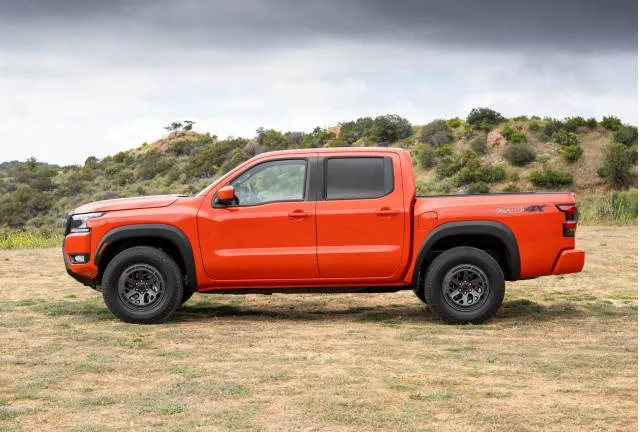
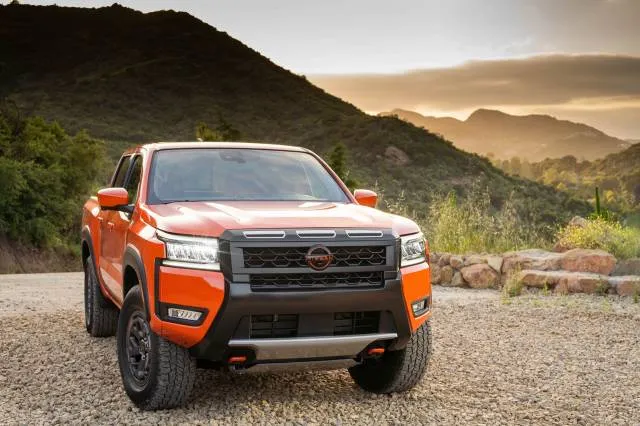
The 2025 Nissan Frontier projects a slightly blockier, more traditional truck silhouette. Its design is characterized by pronounced upper character lines that flow seamlessly from the fender flares, creating a sense of muscularity. A complementary lower character line on the doors, combined with the flares, subtly suggests a classic Coke-bottle shape. The front fascia features a high, upright grille that leads into rectangular headlights, which gain additional visual flair from available LED light signatures. Pro models further differentiate themselves with unique grille designs and a taller, more aggressive stance. Nissan also offers various exterior packages, including a popular "Hardbody" look inspired by its iconic 1980s pickup, tapping into a vein of nostalgia.
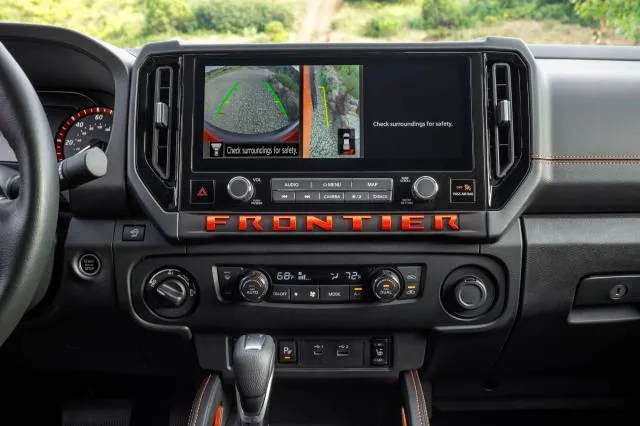
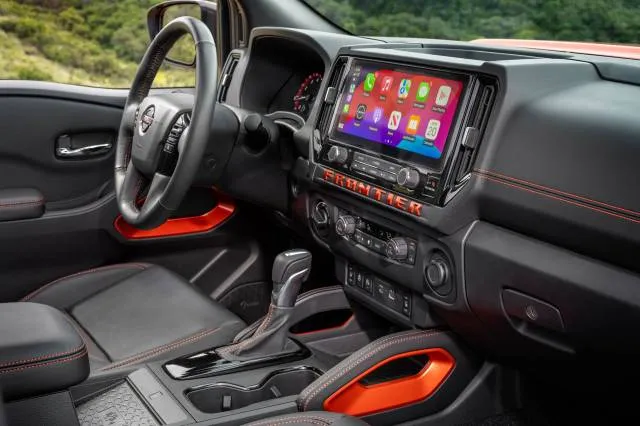
Inside, the Frontier’s cabin is best described as "all business." It prioritizes functionality with a clean layout, large, easy-to-reach physical controls, and a prominent, sizable center screen. The interior color palette is largely monochromatic, primarily charcoal or black, reinforcing its no-nonsense, durable character. While modern, it avoids overly ornate design elements.
Toyota Tacoma Styling
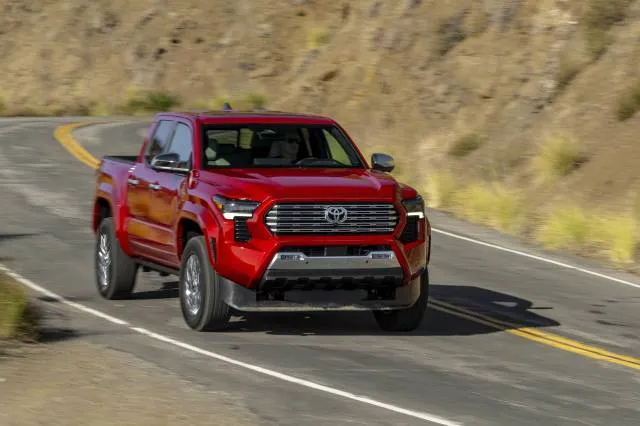
The 2025 Toyota Tacoma also sports a bold, contemporary look influenced by its Tundra big brother. Its grille is similarly assertive but doesn’t extend as high into the hood line as the Frontier’s. The Tacoma’s flanks feature more angular wheel flares and a dynamic lower character line that rises from each front wheel well before gently descending towards the rear. The overall stance is upright and purposeful, conveying an impression of capability and strength.
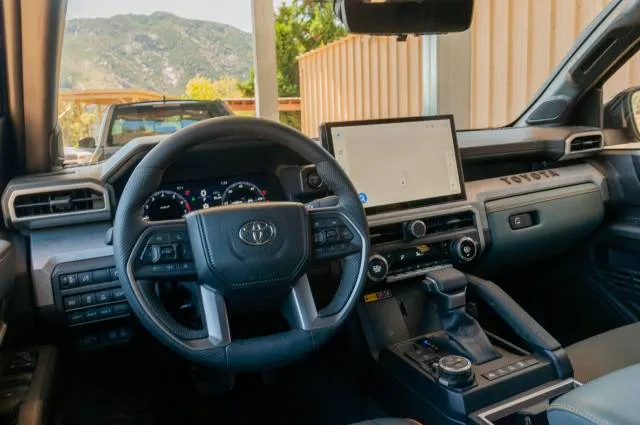
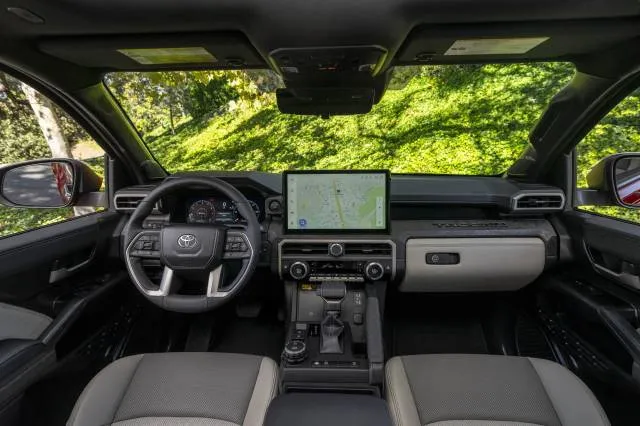
Stepping inside the Tacoma reveals a chunky, robust aesthetic, with oversized dials and blocky detailing. While primarily black, body-color trim accents are available on certain trims to add a touch of personalization. The Tacoma’s cabin is dominated by two digital screens: a digital gauge cluster and a central infotainment display that boldly "pops out" of the center stack rather than being fully integrated. Toyota offers larger screen options, including an impressive 14.0-inch display, compared to the Frontier’s maximum of 12.3 inches. Despite its modern technology, plastic surfaces are still prevalent, underscoring its utilitarian roots.
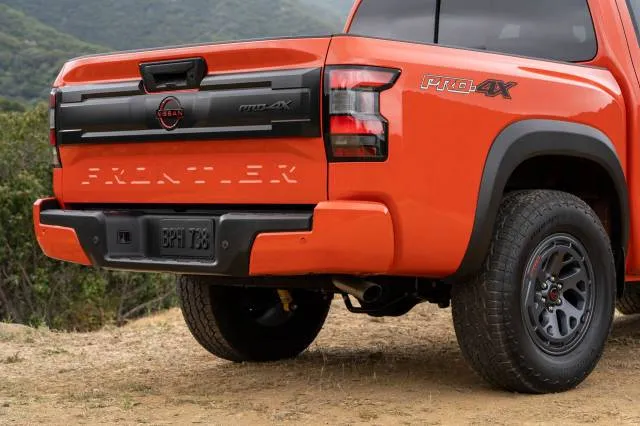
Advantage: Draw. Styling is inherently subjective. The Frontier offers a more classic, unpretentious ruggedness with a hint of nostalgia, while the Tacoma presents a more aggressively modern, high-tech ruggedness. Both are well-executed within their respective design philosophies.
Frontier vs. Tacoma Safety
Safety is a critical consideration for any vehicle, particularly for trucks that might be used for family or work.
How safe is the Nissan Frontier?
The 2025 Nissan Frontier has received mixed and incomplete crash-test scores. From the National Highway Traffic Safety Administration (NHTSA), it earned five out of five stars in the side crash test but only three stars in the rollover test, with frontal crash data incomplete. The Insurance Institute for Highway Safety (IIHS) awarded it a mix of "Good" and "Acceptable" ratings in various tests, which, while not poor, were insufficient to earn it a "Top Safety Pick" award from the organization.
However, Nissan impressively outfits the Frontier with a comprehensive suite of standard active safety features, known as Nissan Safety Shield 360. This includes automatic emergency braking front and rear with pedestrian detection, blind-spot monitors, lane-departure warnings, rear cross-traffic alerts, adaptive cruise control, automatic high beams, and rear parking sensors. A surround-view camera system is also offered on higher trims, greatly aiding maneuverability and safety in tight spaces.
How safe is the Toyota Tacoma?
The 2025 Toyota Tacoma, being a newer generation, has yet to undergo full crash testing by the IIHS. In limited NHTSA testing, it received three stars for frontal crashes and five stars for side crashes, similar to the Frontier in incompleteness.
Toyota equips all Tacoma models with its advanced Toyota Safety Sense 3.0 suite as standard. This includes automatic emergency braking with pedestrian detection, active lane control (lane departure alert with steering assist), adaptive cruise control, and automatic high beams. Higher-line models or optional packages make available additional safety features such as blind-spot monitors, rear cross-traffic alerts, front and rear parking sensors, and a surround-view camera system.
Advantage: Draw. Both trucks offer a strong array of standard active safety features, which is commendable. However, both currently have incomplete or mixed crash test results from independent organizations, making a definitive safety advantage difficult to determine at this time. Buyers should review the latest available data as it emerges.
Frontier vs. Tacoma Fuel Economy
Fuel efficiency is an increasingly important factor, even for trucks, given fluctuating gas prices and environmental consciousness.
Nissan Frontier Fuel Economy
The 2025 Nissan Frontier, with its sole 3.8-liter V-6 engine, offers fairly consistent fuel economy across its configurations. For 2WD models, EPA estimates typically hover around 18 mpg city, 24 mpg highway, and 20 mpg combined. Opting for 4WD slightly reduces these figures to approximately 17 mpg city, 22 mpg highway, and 19 mpg combined. While not segment-leading, these figures are respectable for a V-6 powered midsize truck.
Toyota Tacoma Fuel Economy
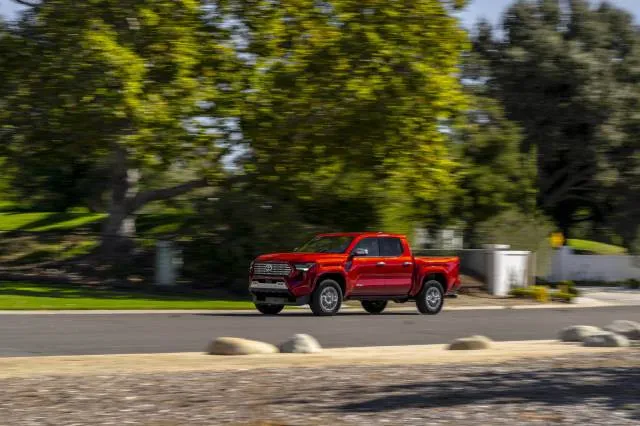
The 2025 Toyota Tacoma’s diverse powertrain lineup results in a wider range of fuel economy figures. The base 2.4-liter turbocharged 4-cylinder engine generally achieves around 20 mpg city, 26 mpg highway, and 22 mpg combined for 2WD models, with 4WD versions seeing roughly 19 mpg city, 24 mpg highway, and 21 mpg combined. The uprated 2.4-liter turbo-4 (non-hybrid) delivers similar figures, often around 19 mpg city, 24 mpg highway, and 21 mpg combined for 2WD, and 18 mpg city, 23 mpg highway, and
