
 By admin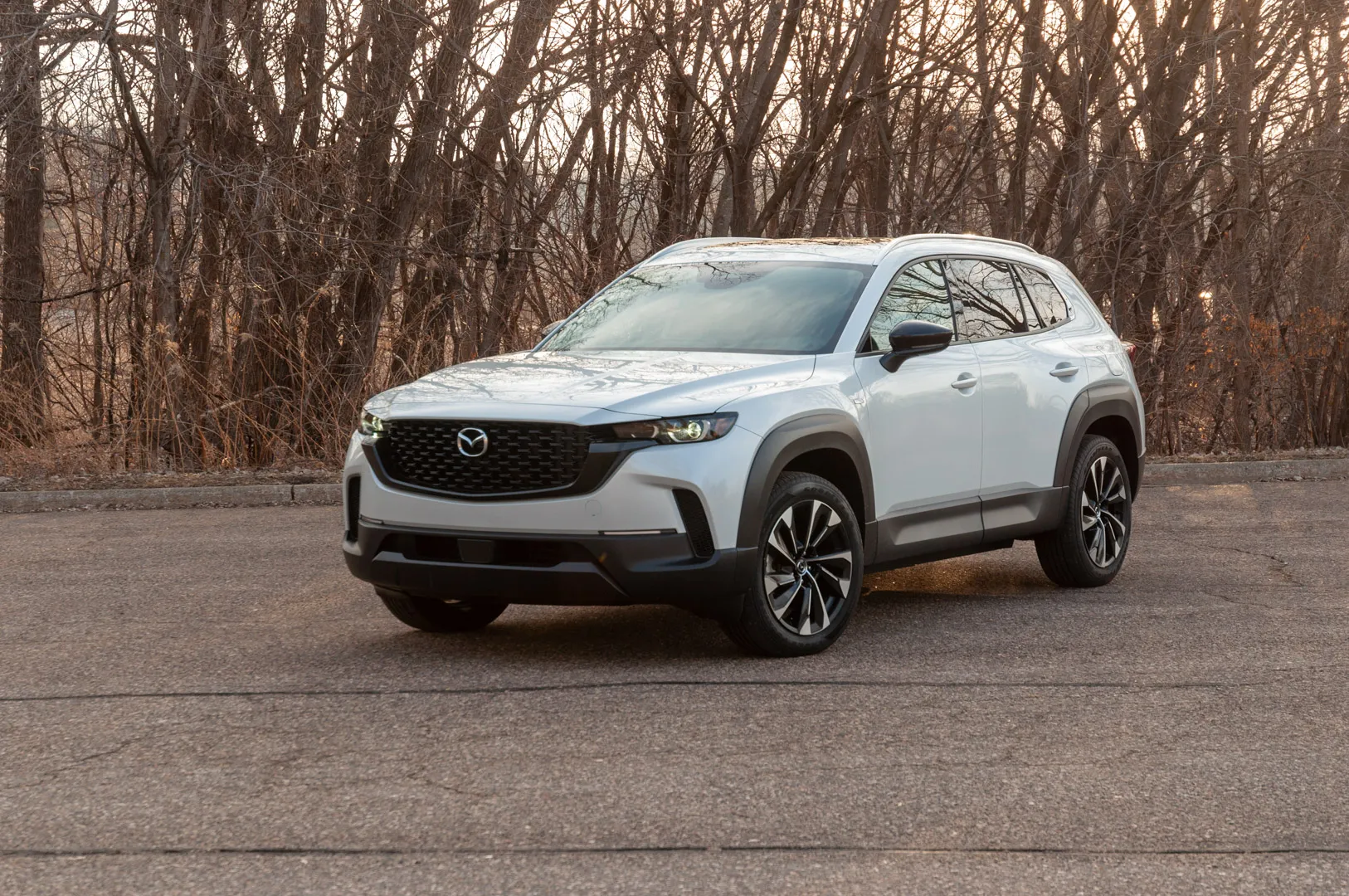
At first glance, the 2025 Mazda CX-50 Hybrid presents a paradox. It’s arguably the most practically sensible model in the current Mazda lineup, offering a significant leap in fuel efficiency over its gasoline-only counterparts. Yet, it falls short of igniting any enthusiast’s passion or even consistently delivering the refined experience expected from either Mazda or the Toyota hybrid system it borrows. Our week-long evaluation, which included suburban commutes and a family weekend road trip, revealed a vehicle that makes a compelling case for efficiency but struggles with unexpected refinement issues and compromises in its core packaging.
This hybrid iteration of the CX-50, a crossover designed with a rugged aesthetic to appeal to outdoorsy buyers, marks a pivotal moment for Mazda. The brand, known for its "Jinba Ittai" (horse and rider as one) philosophy emphasizing driving pleasure, is navigating the global shift towards sustainability. Its partnership with Toyota, particularly in powertrain sharing, is a pragmatic step to accelerate its hybrid offerings. However, the CX-50 Hybrid’s debut suggests that this integration isn’t without its challenges, particularly when transplanting a system optimized for one brand’s ethos into another’s distinct platform.
Pro: The Hybrid is the Most Efficient 2025 Mazda CX-50 Model
Without question, the primary allure of the 2025 Mazda CX-50 Hybrid lies in its superior fuel economy. This is, after all, the "point" of a hybrid. The powertrain, directly sourced from the highly successful Toyota RAV4 Hybrid, is a proven system designed for efficiency. It combines a 2.5-liter inline-4 gasoline engine with a sophisticated planetary torque-split hybrid system. This setup features two electric motors working in concert with the engine to deliver power, along with an additional 54-horsepower electric motor dedicated to the rear wheels, providing standard all-wheel drive. The system is energized by a 1.59-kWh nickel-metal-hydride battery pack, a robust and well-understood technology in Toyota’s hybrid arsenal.

The combined output of this system is a respectable 219 horsepower and 163 lb-ft of torque, offering sufficient grunt for daily driving tasks and highway merging. More importantly, its EPA fuel economy ratings are a significant draw: 39 mpg in the city, 37 mpg on the highway, and a combined 38 mpg. To put this into perspective, these figures are substantially better than the standard gasoline CX-50’s 25/31/28 mpg ratings and markedly superior to the more potent turbocharged model’s 23/29/25 mpg. For buyers prioritizing fewer trips to the pump and reduced running costs, the hybrid stands out as the clear winner in the CX-50 family.
However, real-world experience often deviates from EPA estimates. Our testing revealed that while impressive, the CX-50 Hybrid’s actual mileage fell slightly short of the official figures. Over approximately 190 miles of mixed suburban driving, the trip computer indicated an average of 34.0 mpg. A subsequent 120-mile highway stretch, predominantly at speeds exceeding 70 mph, yielded an average of 31.2 mpg. This discrepancy, while not uncommon, highlights that factors like driving style, traffic conditions, and ambient temperature can influence actual fuel consumption. Despite this, the CX-50 Hybrid still delivers a substantial improvement in efficiency compared to its non-hybrid siblings, making it a highly attractive option for the fuel-conscious consumer in a segment increasingly demanding greener alternatives.
Con: Mazda CX-50 Hybrid Powertrain is Less Refined than Toyota RAV4
Perhaps the most perplexing and disappointing aspect of the CX-50 Hybrid is the unexpected lack of powertrain refinement, especially given its Toyota lineage. The RAV4 Hybrid is renowned for its smooth, almost imperceptible transitions between electric and gasoline power, and its overall quiet operation. Unfortunately, the CX-50 Hybrid seems to have lost some of that polish in translation.
From the moment the vehicle is at idle, a peculiar "on-and-off-again quiver" can be felt emanating through the steering column, steering wheel, and even the front seat. This intermittent vibration, noticeable even when stationary, suggests an unrefined engine start/stop or power management system that isn’t as seamlessly integrated as one would expect.

The issues don’t subside once underway. During acceleration, particularly when the accelerator is depressed about three-quarters of the way to the floor, a distinct driveline lash manifests. This feels like a vibration or a momentary "catching" sensation, as if components are not meshing perfectly, and it propagates throughout the entire car. This "lockup issue" sensation is disconcerting and detracts significantly from the driving experience. These consistent refinement flaws were observed throughout the entire test week and are behaviors that are conspicuously absent in the Toyota RAV4 Hybrid, which utilizes the exact same core powertrain.
The disparity raises questions about Mazda’s calibration and integration process. While Mazda is celebrated for its chassis tuning and driver engagement, it appears the adaptation of Toyota’s hybrid system into the CX-50’s platform might have introduced unforeseen NVH (Noise, Vibration, and Harshness) challenges. Whether it’s due to different engine mounts, software tuning, or variations in the overall vehicle structure’s ability to isolate vibrations, these issues undermine the premium feel Mazda typically strives for and contradict the expected smoothness of a modern hybrid system. This lack of refinement is a significant drawback for a vehicle aiming to compete in an increasingly sophisticated market segment.
Pro: Mazda CX-50 Hybrid is a Sleeper
For those who appreciate subtlety and understated elegance, the CX-50 Hybrid offers a refreshing approach. Unlike many hybrids or electrified vehicles that often feature distinctive blue accents, unique grilles, or prominent badging to loudly proclaim their green credentials, the CX-50 Hybrid largely maintains the visual identity of its gasoline-powered siblings. This makes it a true "sleeper" in the hybrid segment.
Unless one is a dedicated Mazda enthusiast capable of discerning the minute differences in wheel designs specific to hybrid trims, or unless they spot the small, discreet "Hybrid" badge nestled on the front fender or rear tailgate, there is nothing about this vehicle that overtly screams "I bought the efficient one." This design philosophy aligns well with Mazda’s broader strategy of crafting elegant, timeless designs that prioritize form and proportion over ostentatious details.

This understated aesthetic can be a significant advantage. It appeals to buyers who desire the practical benefits of hybrid efficiency—lower running costs and reduced environmental impact—without wanting to draw attention to their choice of powertrain. It allows the CX-50 Hybrid to blend seamlessly into Mazda’s existing lineup, leveraging the CX-50’s rugged yet refined exterior styling. In a market where some consumers find the overt "eco-friendly" styling of certain hybrids off-putting, Mazda’s decision to keep the hybrid’s appearance largely identical to its conventional counterparts is a smart move, reinforcing the idea that efficiency doesn’t have to come at the expense of style or anonymity.
Con: CX-50 Hybrid Compromises Compromised Packaging
One of the existing criticisms of the standard CX-50 is its interior packaging, particularly in the rear seats, which are already less accommodating than those found in its more compact sibling, the CX-5. Unfortunately, the integration of the hybrid system in the CX-50 Hybrid exacerbates these existing flaws, making an already compromised cabin even more so.
The standard CX-50 features a "stadium seating" arrangement in the second row, where rear occupants sit slightly higher to provide a better view over those in the front. While this can improve outward visibility, it often comes at the cost of headroom. In the hybrid variant, the placement of the nickel-metal-hydride battery pack beneath the rear seat necessitates further adjustments. While it might lower the rear floor slightly in some dimensions, the net effect is a noticeable reduction in legroom compared to the non-hybrid model. This makes the second row even less comfortable for adults, particularly on longer journeys, compounding the CX-50’s existing ergonomic challenges. The rear seat of the CX-50, even in its non-hybrid form, is already considered less comfortable than the CX-5 due to its seat bottom position and overall dimensions. Adding further compromise in the name of fuel economy makes it a tougher sell for families or those frequently transporting adult passengers.
The front seating arrangement also presents its own set of peculiar issues that carry over from the non-hybrid model. The front seats are mounted on brackets that position them higher than what feels natural for the overall vehicle package. This creates a "booster-seat impression" that multiple editors have noted as feeling awkward and somewhat unnatural. While occupants might eventually adjust once seated, the entry and exit experience is particularly problematic. Both the reviewer’s father and a friend struggled to contort their torsos and backs to slide into the front passenger seat without bumping their heads on the roofline. This suggests a fundamental design flaw in ingress/egress for taller individuals, leading to "grunts and groans" that are hardly indicative of a premium or comfortable experience. These persistent packaging compromises detract significantly from the CX-50 Hybrid’s practicality and overall user-friendliness, especially when considering its role as a family-friendly SUV.

Pro: CX-50 Hybrid Delivers Premium Look and Feel
Despite the powertrain and packaging shortcomings, the 2025 Mazda CX-50 Hybrid largely upholds Mazda’s reputation for delivering an interior that punches well above its weight class in terms of perceived quality and design. This commitment to a premium aesthetic is a consistent hallmark across the Mazda lineup, and the CX-50 Hybrid is no exception.
Stepping inside, occupants are greeted by an environment that feels more upscale than many direct competitors. Soft-touch materials are generously distributed throughout the cabin, particularly on the dashboard and door panels, where cheaper, harder plastics might typically reside in this segment. The dashboard features tasteful stitching, adding a bespoke touch that elevates the visual appeal. The seats, depending on the trim, often include contrast piping, further enhancing the sense of craftsmanship and attention to detail.
Even the tactile experience of interacting with the controls is refined. The climate and audio functions are managed via knurled buttons and dials, providing a satisfying haptic feedback that feels robust and well-engineered. This meticulous approach to material selection and component design is a clear differentiator for Mazda. The interior of the CX-50 Hybrid genuinely feels a cut above. It easily outclasses the interiors found in a Toyota RAV4, which, while functional, often employs more utilitarian plastics. Similarly, it surpasses the Kia Sportage interior, which, despite its contemporary design, sometimes lacks the same depth of material quality. This premium look and feel is a significant strength, contributing to a more enjoyable and sophisticated cabin experience that aligns with Mazda’s ambitions to be seen as a near-luxury brand.
Con: The CX-50 Hybrid is Loud

Hybrids are often lauded for their quiet operation, particularly at lower speeds when they can rely solely on electric power. While the CX-50 Hybrid manages to maintain a decent level of quietness around town, provided the throttle isn’t aggressively mashed, its performance on the highway tells a different story. The cabin environment transforms significantly at higher speeds, revealing a surprising amount of noise that detracts from the overall refinement.
On the highway, particularly above 55 mph, the CX-50 Hybrid is described as "downright loud inside." The primary culprits appear to be an astonishing amount of wind noise emanating from both the side mirrors and the A-pillar area. This persistent whooshing and buffeting noise can become quite intrusive, making conversations difficult, requiring occupants to raise their voices, and forcing the audio system to be turned up significantly to compensate. This level of wind noise is unexpected in a modern vehicle, especially one with premium aspirations, and it compromises the comfort and serenity typically associated with hybrid driving.
While the gasoline engine is generally kept to a "minimum ruckus in the background" around town, under harder acceleration or during sustained highway driving, its presence becomes more pronounced, further contributing to the overall noise level. The combination of engine drone and excessive wind noise creates a driving environment that is far from serene. This lack of sound insulation and aerodynamic refinement is a notable flaw, especially when compared to competitors that often prioritize cabin quietness for a more comfortable long-distance experience. It undermines the premium feel of the interior and directly impacts driver and passenger fatigue on longer journeys, making the CX-50 Hybrid a less appealing option for those who value a quiet and composed ride.
The 2025 CX-50 Hybrid offers a competitive entry point into the hybrid SUV segment, with a reasonable starting price of $35,390, which includes a $1,420 destination charge. Our tested Premium Plus trim model, priced at $41,920, layered on desirable features such as a head-up display (HUD), stylish 19-inch alloy wheels, a premium Bose audio system, and ventilated front seats, enhancing the comfort and technological appeal.
In terms of market positioning, Mazda has strategically priced the CX-50 Hybrid. It notably undercuts a loaded Honda CR-V Hybrid Sport Touring model by $1,025, offering a compelling value proposition on paper. However, this competitive pricing comes with the caveat of the CX-50’s aforementioned compromised packaging and refinement issues, which persist even in this hybrid variant. The critical question for potential buyers becomes whether the significant fuel economy gains and the premium interior aesthetic are enough to outweigh the powertrain’s refinement shortcomings, the cramped rear seating, the challenging front seat ergonomics, and the surprisingly loud cabin at highway speeds.

The CX-50 Hybrid, therefore, represents a strategic but somewhat imperfect step for Mazda. It successfully introduces a much-needed hybrid option into its SUV lineup, providing consumers with a more fuel-efficient choice in a popular segment. However, its current iteration serves more as a placeholder, giving us pause and anticipation for what’s next. Mazda’s true hybrid potential may only be fully realized with the arrival of its upcoming in-house developed hybrid system, which is slated for the next-generation CX-5. This future development suggests that the CX-50 Hybrid, while a necessary market entry, might be a temporary solution, an interim measure before Mazda fully unleashes its own, more integrated, and potentially more refined hybrid technology. Until then, the 2025 Mazda CX-50 Hybrid remains a vehicle of mixed messages: a practical choice for efficiency, wrapped in a premium aesthetic, but hindered by unexpected flaws in its driving dynamics and passenger comfort.
2025 Mazda CX-50 Hybrid Premium Plus
Base price: $35,390 including $1,420 destination charge
Price as tested: $41,920
Powertrain: 219-hp hybrid system, all-wheel drive
EPA fuel economy: 39/37/38 mpg
The hits: Sleeper hybrid status, sharp design, premium materials, undercuts CR-V Hybrid pricing, best fuel economy of any CX-50, robust AWD system for varied conditions, advanced safety features (depending on trim), user-friendly infotainment interface.
The misses: Powertrain refinement issues (vibration, driveline lash), compromised rear-seat packaging and legroom, challenging front-seat entry/exit ergonomics, loud interior at highway speeds (wind noise), real-world fuel economy slightly below EPA estimates, lacks the engaging driving dynamics typically associated with Mazda.
