
 By admin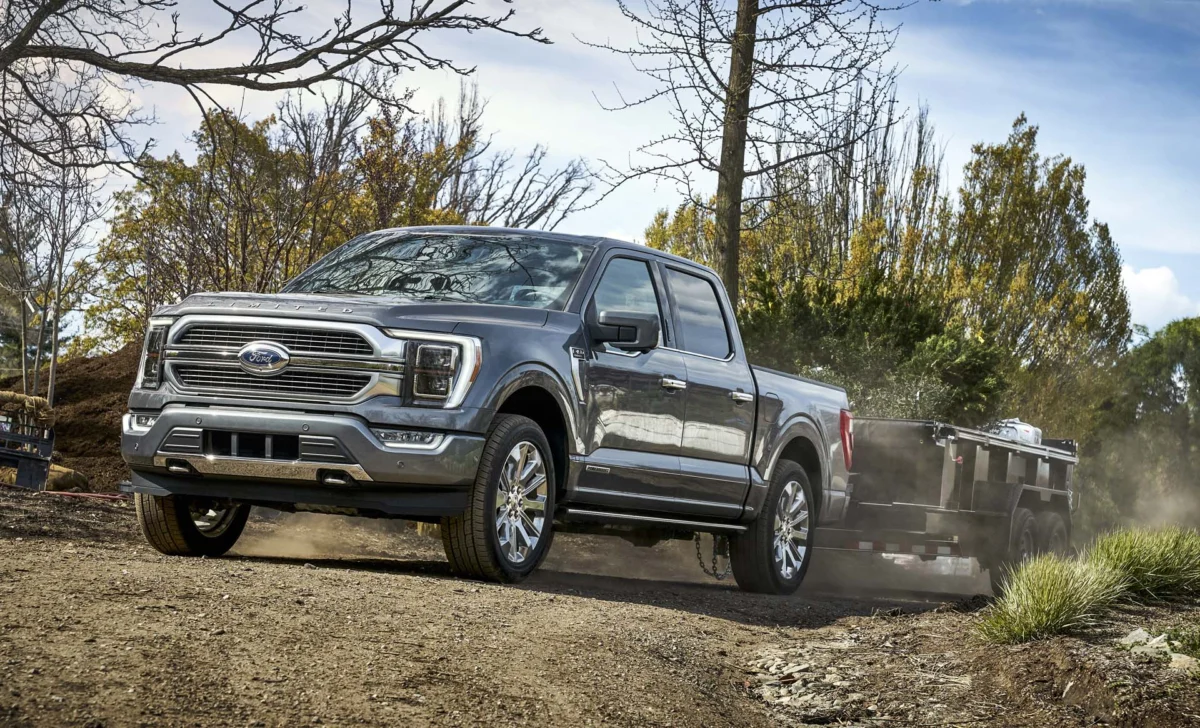
Ford Motor Company is once again grappling with a critical safety recall, announcing a second retrieval of 10,627 pickup trucks and SUVs due to an unresolved software flaw affecting the trailer brake controller. This re-recall stems from the concerning revelation that the remedy provided during a previous recall may not have been effectively implemented, leaving thousands of vehicles still susceptible to compromised braking performance while towing. The National Highway Traffic Safety Administration (NHTSA) has highlighted the potential for reduced braking efficiency, increased stopping distances, and an elevated risk of accidents as a direct consequence of this persistent issue.
The affected vehicles, which include specific models from the 2021-2022 Ford F-150 lineup, 2022 F-250, F-350, F-450, F-550 Super Duty trucks, as well as certain 2022 Maverick pickups and 2022 Expedition SUVs, are equipped with trailer brake controllers designed to synchronize the braking action between the towing vehicle and an attached trailer. This system is crucial for safe towing, especially when trailers are fitted with electric or electric-over-hydraulic brakes, which rely on the vehicle’s controller for activation. The software glitch prevents this controller from properly applying the trailer brakes, thereby diminishing the overall stopping power of the combined vehicle and trailer unit. For owners who frequently tow heavy loads, such as boats, campers, or work equipment, this defect poses a significant safety hazard, potentially leading to dangerous situations on the road, particularly during emergency braking maneuvers or descents.
This isn’t Ford’s first encounter with this specific trailer brake issue. The initial recall aimed to address the software anomaly by requiring dealerships to install an updated software package. However, the current re-recall underscores a critical breakdown in the execution of that initial remedy. According to Ford’s communication with the NHTSA, the software tool utilized by dealerships to upload the fix may not have successfully transferred the correct software to the affected vehicles. This suggests a potential flaw in the diagnostic and programming equipment, a lack of thorough validation post-update, or an oversight in the dealer-level implementation process. The failure of a recall remedy to properly fix the intended defect is a particularly concerning development, eroding consumer confidence and adding layers of frustration for vehicle owners. Despite the technical oversight, Ford has stated that it is currently unaware of any crashes or injuries directly attributable to vehicles remaining in circulation with this uncorrected underlying issue, a point often emphasized by manufacturers during recall announcements, though it does not diminish the inherent safety risk.
For the impacted owners, this means another trip to the dealership is inevitable. Ford is mandating that owners bring their vehicles back to authorized service centers to ensure the correct software is installed. As with all safety recalls, this service will be provided free of charge. Furthermore, Ford has committed to reimbursing owners for any reasonable out-of-pocket expenses incurred as a direct result of this recall, such as transportation costs or lost wages, acknowledging the inconvenience caused by the repeat visit. The automaker plans to commence mailing owner notification letters on April 14, detailing the steps owners need to take. For immediate inquiries or additional information, owners can contact Ford’s customer service department directly at 1-866-436-7332 or visit the company’s dedicated recall website. Ford’s internal reference number for this particular re-recall is 25S18.
This incident is not an isolated event for Ford and reflects a broader challenge faced by the automotive industry as vehicles become increasingly reliant on complex software systems. In recent months, Ford has initiated several re-recalls, highlighting a pattern of issues with software updates and the effectiveness of initial recall remedies. Just last month, the automaker launched two new recalls specifically targeting the Ford Maverick compact pickup for reasons mirroring the current situation – to address problems that previous recall attempts had failed to rectify. These instances involved different issues but shared the common thread of an inadequate or incomplete initial fix. Prior to that, in January, Ford recalled approximately 272,000 Maverick and Bronco Sport crossovers for a 12-volt battery issue, another instance where a previous recall remedy proved insufficient, requiring a second intervention. This string of re-recalls raises questions about Ford’s quality control processes for software development, deployment, and the validation of recall fixes across its expansive dealer network.

Automotive experts and industry analysts point to the increasing complexity of modern vehicle architecture as a primary driver of such challenges. Today’s vehicles are essentially computers on wheels, with hundreds of electronic control units (ECUs) managing everything from engine performance to advanced driver-assistance systems (ADAS) and, critically, braking systems. Software bugs, integration issues, and flaws in the update process can have far-reaching implications. "The reliability of software deployment is rapidly becoming as critical as the mechanical integrity of the vehicle itself," commented one hypothetical automotive safety expert. "When a remedy, especially a software-based one, fails to take, it signals a deeper issue in the validation chain, either at the development stage or within the service network."
The economic ramifications of such repeat recalls are substantial for manufacturers. Beyond the direct costs associated with parts, labor, and owner reimbursements, there’s the less tangible but equally damaging impact on brand reputation and consumer trust. Each recall, particularly one that requires multiple visits for the same issue, chips away at a customer’s perception of quality and reliability. This can translate into reduced sales, increased warranty claims, and a more cautious approach from potential buyers. For Ford, a company currently navigating a complex transition towards electric vehicles and software-defined mobility, maintaining an impeccable quality record is paramount.
The NHTSA plays a crucial role in overseeing these recalls, ensuring that manufacturers identify defects, notify owners, and provide effective remedies. When a recall remedy proves ineffective, the NHTSA can compel automakers to issue a second recall, as seen in this Ford case. This regulatory pressure is vital for consumer safety, holding manufacturers accountable for the quality and effectiveness of their solutions. The agency’s rigorous monitoring helps to prevent known safety defects from persisting on public roads.
Looking ahead, the automotive industry as a whole must continue to evolve its approach to software quality assurance and recall implementation. This includes investing in more robust software development and testing protocols, enhancing dealer training programs for complex diagnostics and updates, and exploring advanced technologies like over-the-air (OTA) updates for safer and more efficient deployment of software fixes. While OTA updates offer a promising avenue for reducing the need for dealership visits, they also introduce their own set of security and validation challenges that must be meticulously addressed.
In conclusion, Ford’s latest re-recall for the trailer brake software issue serves as a stark reminder of the intricate challenges inherent in modern vehicle manufacturing and maintenance. For the 10,627 owners affected, the immediate priority is to heed the upcoming notification and schedule the necessary service appointment. While Ford assures that no crashes or injuries have been reported in relation to the uncorrected vehicles, the potential safety risk remains undeniable. This incident, coupled with Ford’s recent history of repeat recalls, underscores the critical importance of effective software management, robust recall execution, and unwavering commitment to consumer safety as the automotive landscape continues its rapid digital transformation.
