
 By admin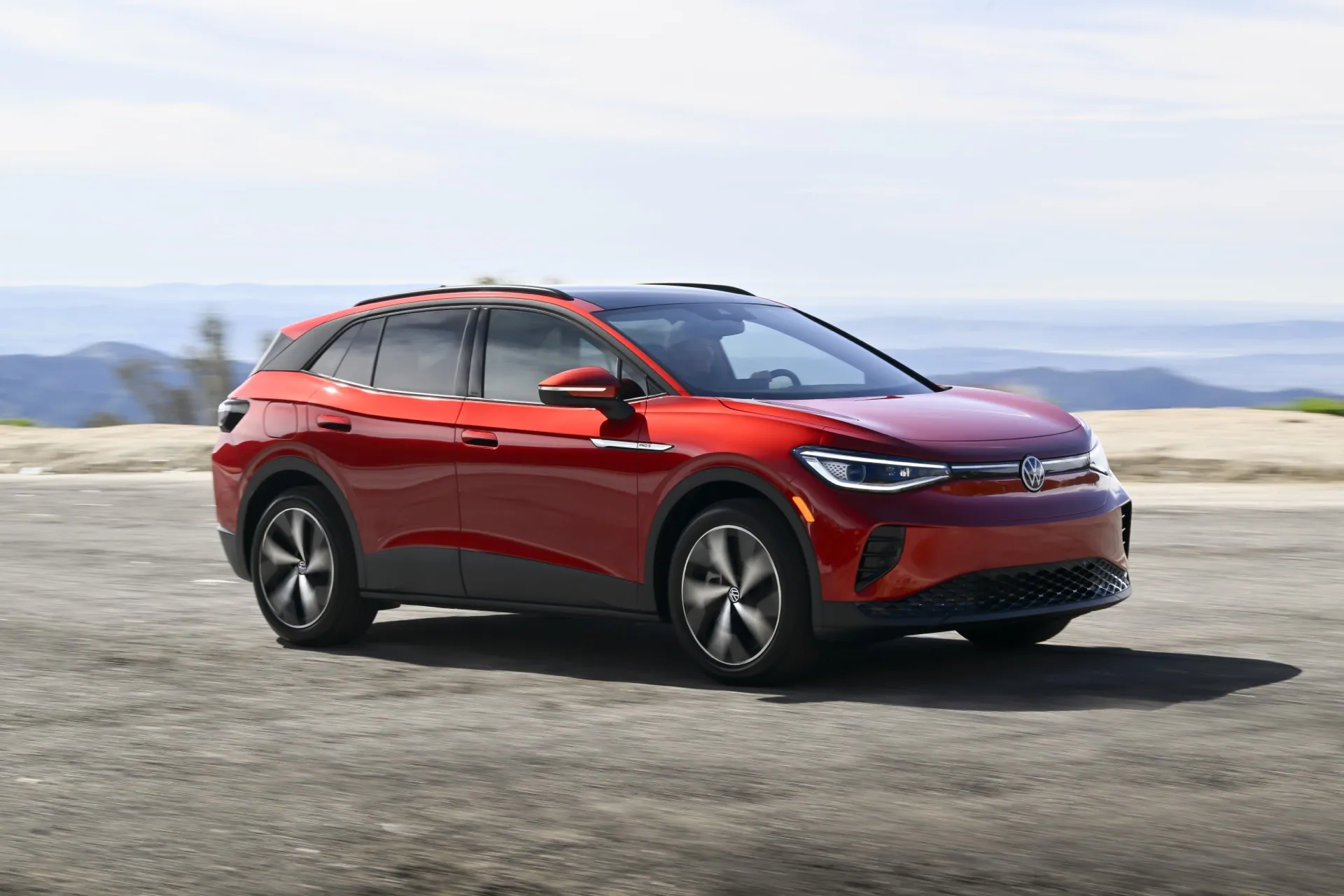
The core of the problem lies with the onboard charger designed to replenish the 12-volt battery. According to investigations by the National Highway Traffic Safety Administration (NHTSA), this crucial component may suffer from an insufficient protective coating applied to its printed circuit board (PCB). Such a deficiency renders the PCB vulnerable to environmental factors, particularly condensation. When moisture penetrates the circuit board, it can lead to corrosion, short circuits, and ultimately, a malfunction of the charger. The consequence is dire: even if the high-voltage battery pack is fully charged, the 12-volt battery will not receive the necessary power to maintain its charge, leading to a cascade of electrical failures.
Electric vehicles, despite their advanced propulsion systems, still rely heavily on a conventional 12-volt battery, much like their internal combustion engine (ICE) counterparts. This seemingly anachronistic component serves as the backbone for a myriad of essential low-voltage systems that are critical for both safety and convenience. These include powering the headlights, taillights, interior lights, infotainment system, power windows, central locking, and various control modules. More critically, in an EV, the 12-volt battery is often responsible for "booting up" the high-voltage system. It energizes the contactors and relays that connect the main traction battery to the rest of the drivetrain, essentially acting as the vehicle’s starter motor. Without a properly functioning 12-volt system, the vehicle can become a very expensive, immobile brick, regardless of the charge level of its main battery pack.
The NHTSA details the potential symptoms of this malfunction, which range from electronic glitches and reduced driving functions to the complete inability to restart the car once it’s been shut off. Drivers are expected to receive "several, major warnings" from the vehicle’s diagnostic systems should the issue arise, indicating a critical system failure. These warnings are designed to prompt immediate action, but the nature of the defect means that the vehicle’s ability to operate safely or even at all could be severely compromised. Imagine being stranded with a fully charged EV simply because a small, auxiliary battery can’t receive a charge – it underscores the intricate dependency within modern vehicle architectures.
From a manufacturing perspective, the issue of "insufficient protective coating" on a PCB points to potential lapses in quality control during the component’s production or assembly. Printed circuit boards are highly sensitive to moisture and contaminants, especially in the harsh automotive environment where temperatures fluctuate widely and humidity can be a constant challenge. Protective coatings, such as conformal coatings, are applied to insulate components, prevent corrosion, and protect against environmental ingress. A thin or uneven application can compromise these defenses, leading to premature failure. This highlights the immense challenges faced by automakers as they integrate increasingly complex electronic systems into their vehicles, demanding stringent quality checks at every stage of the supply chain. Ensuring the robustness of every single component, no matter how small, is paramount for vehicle reliability and safety.
The proposed remedy for this defect is straightforward: dealers will replace the faulty onboard charger free of charge. Volkswagen and Audi anticipate that customers will not incur any related costs, as all affected vehicles are still under the manufacturer’s warranty. This proactive approach aims to minimize disruption and cost to owners, aligning with standard recall procedures where manufacturers bear the full expense of rectifying safety-related defects.
Owners of the affected vehicles can expect to receive official notification letters via mail around April 29. In the interim, and for ongoing information, Volkswagen owners can contact the brand’s customer service department at 1-800-893-5298 or visit its dedicated recall website. The recall reference number for Volkswagen is 93CJ. Similarly, Audi owners have access to their own customer service department at 1-800-253-2834 and a specific recall site, with the reference number 93FR. These channels are crucial for owners to verify if their specific vehicle identification number (VIN) is included in the recall and to schedule necessary service appointments.
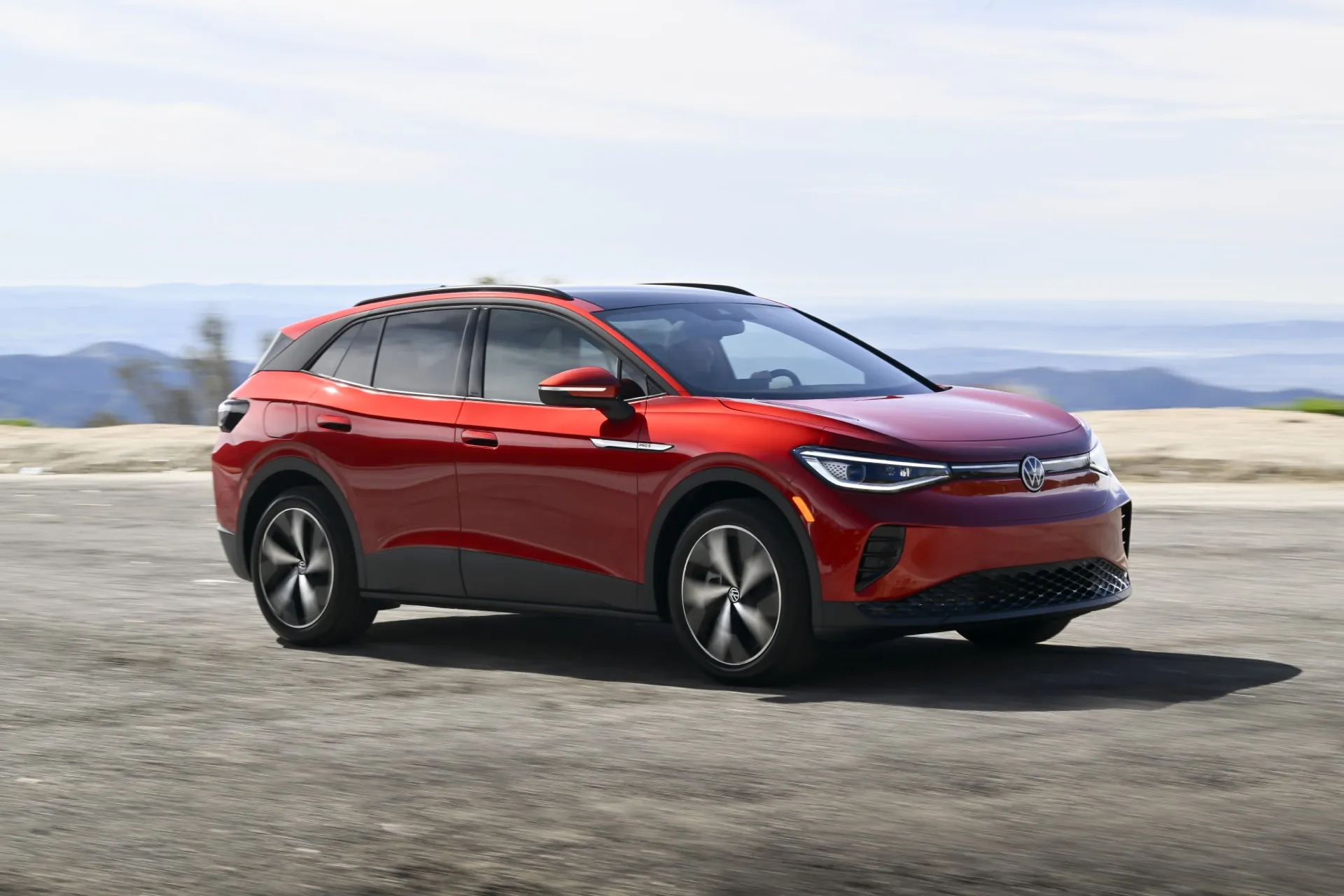
This latest recall is not an isolated incident for the Volkswagen ID.4 and Audi Q4 E-Tron, two closely related models that share the Volkswagen Group’s highly adaptable MEB electric vehicle platform. The MEB platform, a cornerstone of VW’s electrification strategy, is designed for scalability and cost-effectiveness, underpinning a wide range of EVs across the VW, Audi, Skoda, and Cupra brands. However, shared platforms mean shared vulnerabilities, and these models have faced a series of challenges. Earlier this month, both brands announced a separate recall affecting a much larger cohort of 60,490 vehicles for a software error. This particular software glitch could prevent mandatory gear indicators from displaying correctly, posing a compliance and potential safety risk. While not directly impacting drive power, incorrect gear indication could lead to driver confusion or unintended vehicle movement.
Furthermore, the Volkswagen ID.4 has faced its own distinct challenges. Sales of the ID.4 had only recently restarted after a previous recall for faulty door handles. This issue was significant enough to trigger a stop-sale and production halt, indicating a more severe manufacturing or design flaw that required immediate and extensive intervention. Such recurring issues, particularly those that halt sales or production, can significantly impact a brand’s reputation, disrupt delivery schedules, and erode consumer confidence in the reliability and quality of new electric vehicle offerings.
The cumulative effect of multiple recalls can be substantial. For consumers, it translates to inconvenience, time spent at dealerships, and a nagging doubt about the long-term reliability of their vehicle. For the manufacturer, it involves significant financial costs associated with repairs, logistical challenges in parts supply and service scheduling, and damage to brand perception. In a rapidly evolving and highly competitive EV market, where consumer trust is paramount, repeated quality issues can be a serious impediment to market penetration and sustained growth.
Automotive analysts often point to these early EV recalls as "teething problems" associated with the rapid transition from legacy ICE platforms to entirely new electric architectures. The complexity of integrating sophisticated battery management systems, advanced power electronics, and intricate software controls into a mass-produced vehicle presents unprecedented engineering and manufacturing challenges. As one might hypothesize an industry expert stating, "The rapid pace of EV development means that manufacturers are pushing the boundaries of technology and production. While innovation is key, ensuring robust quality control at every step, from component sourcing to final assembly, is absolutely critical. Even a seemingly minor component like a 12-volt battery charger can have profound implications for overall vehicle safety and functionality."
The industry is learning valuable lessons. Manufacturers are increasingly investing in sophisticated diagnostic tools, over-the-air (OTA) update capabilities to address software issues remotely, and more rigorous testing protocols. However, hardware defects, like the insufficient coating on a PCB, invariably require physical repair, underscoring the enduring importance of fundamental manufacturing quality.
For owners, it is crucial to remain vigilant. When a recall notice arrives, it should be treated with urgency. Ignoring a recall can not only compromise safety but also potentially void warranties or affect resale value. Owners are encouraged to proactively check their vehicle’s recall status using their VIN on the manufacturer’s website or the NHTSA’s online database.
In conclusion, the latest recall for the Volkswagen ID.4 and Audi Q4 E-Tron models highlights the critical, yet often overlooked, role of auxiliary electrical systems in modern electric vehicles. While the automotive industry continues its swift pivot towards electrification, ensuring the reliability of every component, no matter how small, remains a paramount challenge. Volkswagen Group’s prompt action to replace the faulty onboard chargers is a necessary step to safeguard drivers and maintain trust in their rapidly expanding EV lineup, even as they navigate the complexities inherent in pioneering new automotive technologies.
