
 By admin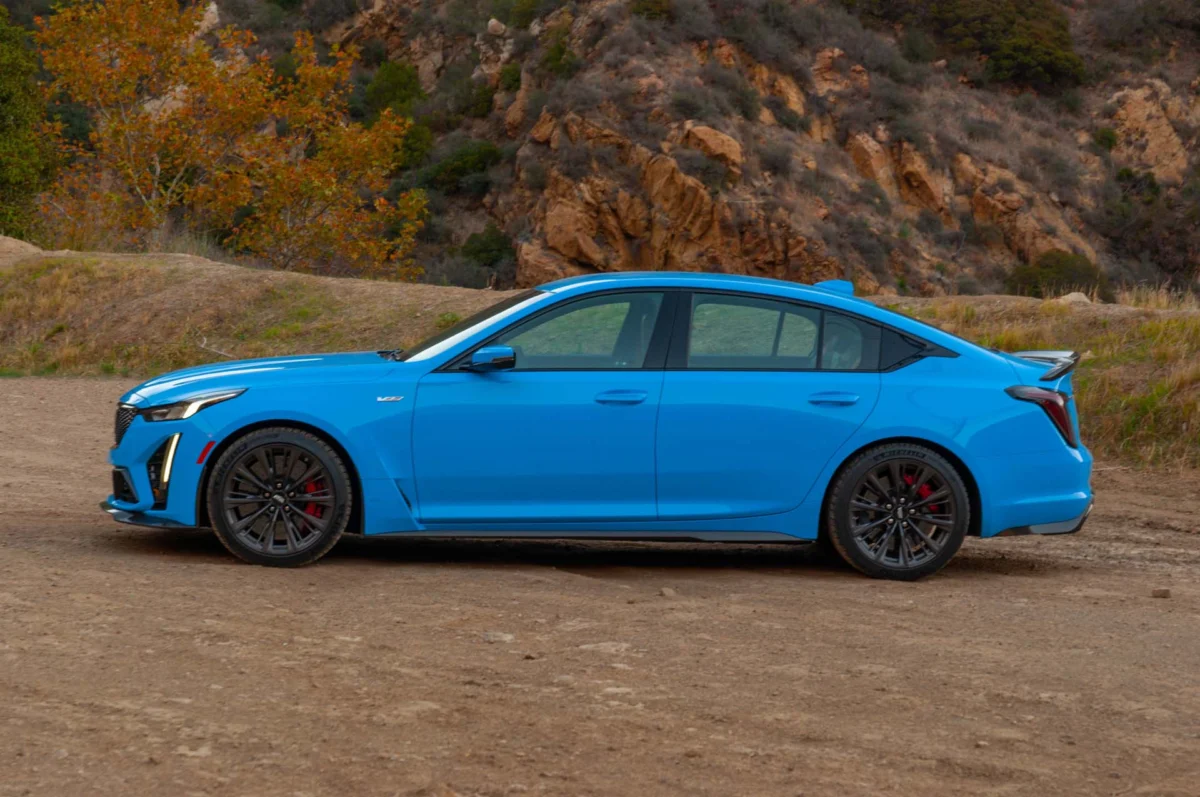
General Motors has initiated a significant safety recall impacting 90,081 Cadillac sedans and Chevrolet Camaro coupes equipped with its advanced 10-speed automatic transmission. The recall, disclosed by the National Highway Traffic Safety Administration (NHTSA) on Monday, March 17, 2025, addresses a critical defect: a faulty transmission control valve that, over time, could lead to unexpected and dangerous wheel lock-up. This issue poses a severe risk to driver safety, potentially causing a loss of vehicle control, especially at higher speeds.
The core of the problem lies within a specific transmission control valve, an integral component exclusive to the 10-speed automatic transmission system used in these vehicles. According to GM’s findings, these valves are prone to excessive wear. As the valve material degrades, it leads to a gradual loss of hydraulic pressure within the transmission system. This diminished pressure directly affects the precise operation of the transmission, initially manifesting as harsh or erratic shifting. However, in more severe and "rare cases," the consequences escalate dramatically to the momentary locking up of the vehicle’s wheels. Such an event, even if momentary, can be catastrophic, particularly during active driving conditions.
The recall specifically targets models equipped solely with the 10-speed automatic transmission. While the exact list of affected models was not explicitly provided in the original text, it broadly encompasses Cadillac CT4 and CT5 sedans, alongside the high-performance Chevrolet Camaro coupe. These vehicles are predominantly rear-wheel-drive based, known for their sporty driving dynamics. However, it is crucial to note that many Cadillac models can be optioned with all-wheel drive, meaning the potential for wheel lock-up is not confined to the rear axle but can affect either the front or rear wheels, depending on the drive configuration and specific failure mode.
The severity of this defect was underscored by a reported incident involving a Cadillac CT5 driver. In this alarming event, both front wheels of the vehicle abruptly locked up while the driver was in motion. Fortunately, the transmission system defaulted to neutral, preventing a complete loss of power but leaving the driver in a perilous situation. The aftermath of this incident was significant, requiring the replacement of both the engine and the front differential—a testament to the mechanical stress and damage caused by such a malfunction. This single incident highlights the extreme potential for mechanical failure and the inherent dangers to occupants.
GM has acknowledged 115 reports of wheel lock incidents related to this defect, alongside one reported crash. This data suggests a pattern of failure that necessitated a proactive recall. For owners who have already experienced this issue and have incurred out-of-pocket expenses for repairs, GM has committed to full reimbursement. This policy aims to alleviate the financial burden on affected consumers and restore confidence in the brand’s commitment to customer satisfaction and safety.
The proposed recall fix, while designed to prevent the catastrophic wheel lock-up, is a curious and primarily software-based solution. GM dealers will install a new transmission control module (TCM) software update. This sophisticated software is engineered to monitor the performance of the problematic valve continuously. Its primary function is to detect signs of excessive wear approximately 10,000 miles before a full wheel lock-up condition is projected to occur. This predictive capability is a modern approach to vehicle diagnostics, aiming to intervene before a critical failure materializes.

However, the mitigation strategy upon detection raises questions about long-term vehicle usability and potential secondary issues. Once the software identifies excessive wear, the transmission will be electronically capped at fifth gear. This "limp mode" is intended to prevent further strain on the failing valve and avert a complete lock-up. This restricted mode, however, would severely limit the vehicle’s performance and driving characteristics. Concurrently, the instrument cluster will display a service engine light and "reduced propulsion" messages, alerting the driver to the critical condition. The vehicle’s acceleration will become noticeably sluggish, matching these warnings with a significantly diminished driving experience. While this measure prevents immediate danger, driving a performance-oriented vehicle like a Camaro or a Cadillac CT-V in fifth gear only, with reduced propulsion, would undeniably lead to a compromised and potentially frustrating driving experience, and could theoretically spell longer-term engine trouble due to operating outside of optimal parameters for extended periods. Subsequent model years of these vehicles have been built with the enhanced software already integrated, indicating that GM identified and addressed the issue in ongoing production.
The decision to implement a software fix rather than a complete hardware replacement of the faulty valve component is multifaceted. From a logistical standpoint, replacing a specific internal transmission valve across nearly 100,000 vehicles would be an immense undertaking, requiring extensive labor, specialized parts, and significant downtime for owners. A software update, conversely, can be deployed more rapidly and efficiently. This approach relies on the software’s ability to effectively predict and mitigate the hardware failure. However, it also raises a critical debate within automotive engineering: can software truly "fix" a mechanical wear issue, or does it merely manage its symptoms and delay an inevitable hardware repair? The strategy of capping the transmission at fifth gear acts as a safety measure, essentially forcing the driver to seek service before a catastrophic event, rather than eliminating the root cause of the wear itself. This approach underscores the increasing reliance on advanced electronics and software in modern vehicles, where intricate algorithms are employed to manage and compensate for mechanical vulnerabilities.
Owners of affected vehicles can expect to receive notification by mail as early as April 21. It’s important to note that the recall fix will be implemented in a phased manner, meaning some vehicles may not have the remedy immediately available by the initial notification date. Upon receiving the notification, owners will be requested to schedule an appointment at a GM service center to have the new transmission control module software installed. This procedure is expected to be relatively quick, primarily involving a diagnostic tool to upload the updated programming.
The NHTSA plays a crucial role in overseeing vehicle safety recalls in the United States. Its mission is to save lives, prevent injuries, and reduce vehicle-related crashes. Recalls like this one are often initiated after manufacturers identify defects through their own internal investigations, warranty claims, or field reports, or after the NHTSA conducts its own investigations based on consumer complaints and incident data. The existence of 115 reports of wheel lock and one crash undoubtedly contributed to the urgency of this recall, aligning with NHTSA’s commitment to public safety.
The broader context of this recall also sheds light on the increasing complexity of modern automotive engineering. Today’s vehicles are packed with sophisticated technologies, including multi-speed transmissions designed to optimize both fuel efficiency and performance. The 10-speed automatic transmission, co-developed by GM and Ford, is a prime example of this trend, offering a wide gear ratio spread for improved acceleration and highway cruising. However, with increased complexity comes a greater potential for intricate failure modes, especially when mechanical components interact closely with advanced electronic controls. This recall serves as a reminder that even the most advanced systems can harbor latent defects that require vigilant monitoring and proactive intervention.
For owners, the primary concern is safety and reliability. While the software update is designed to prevent wheel lock-up, the resulting "limp mode" with reduced propulsion means that once the software detects excessive wear, the vehicle’s performance will be significantly hampered. This could be particularly inconvenient or even unsafe in situations requiring quick acceleration or maintaining speed on highways. It emphasizes the need for owners to promptly address the recall once notified. Drivers who experience any symptoms such as harsh shifting, unusual noises, or warning lights related to the transmission, even before receiving a recall notice, should contact their dealership immediately and avoid driving the vehicle if they suspect a serious issue.
To address any questions or seek further information, Cadillac customer service can be reached at 1-800-333-4223, and Chevrolet customer service at 1-800-222-1020. Additionally, owners can visit GM’s dedicated recall website at experience.gm.com/ownercenter/recalls, where they can input their Vehicle Identification Number (VIN) to check the specific recall status of their vehicle and find more detailed information regarding the remedy. This recall is a critical safety measure, and all affected owners are urged to comply with the instructions provided by GM to ensure their safety and the continued operational integrity of their vehicles.
