
 By Lina Irawan
Global financial markets opened with a cautious tone this morning, following a strong rebound in U.S. equities yesterday, as investors weighed ongoing geopolitical developments, particularly the evolving situation in Iran, against robust corporate performance and the relentless march of artificial intelligence innovation. S&P 500 futures ticked down a modest 0.14% before the opening bell, hinting at a potential day of profit-taking or minor adjustments after the index surged 1% in the previous session. This morning, a similar mixed picture emerged across international bourses, with indexes in Asia and Europe largely trending upwards, though significant regional variations underscored divergent economic and political landscapes.
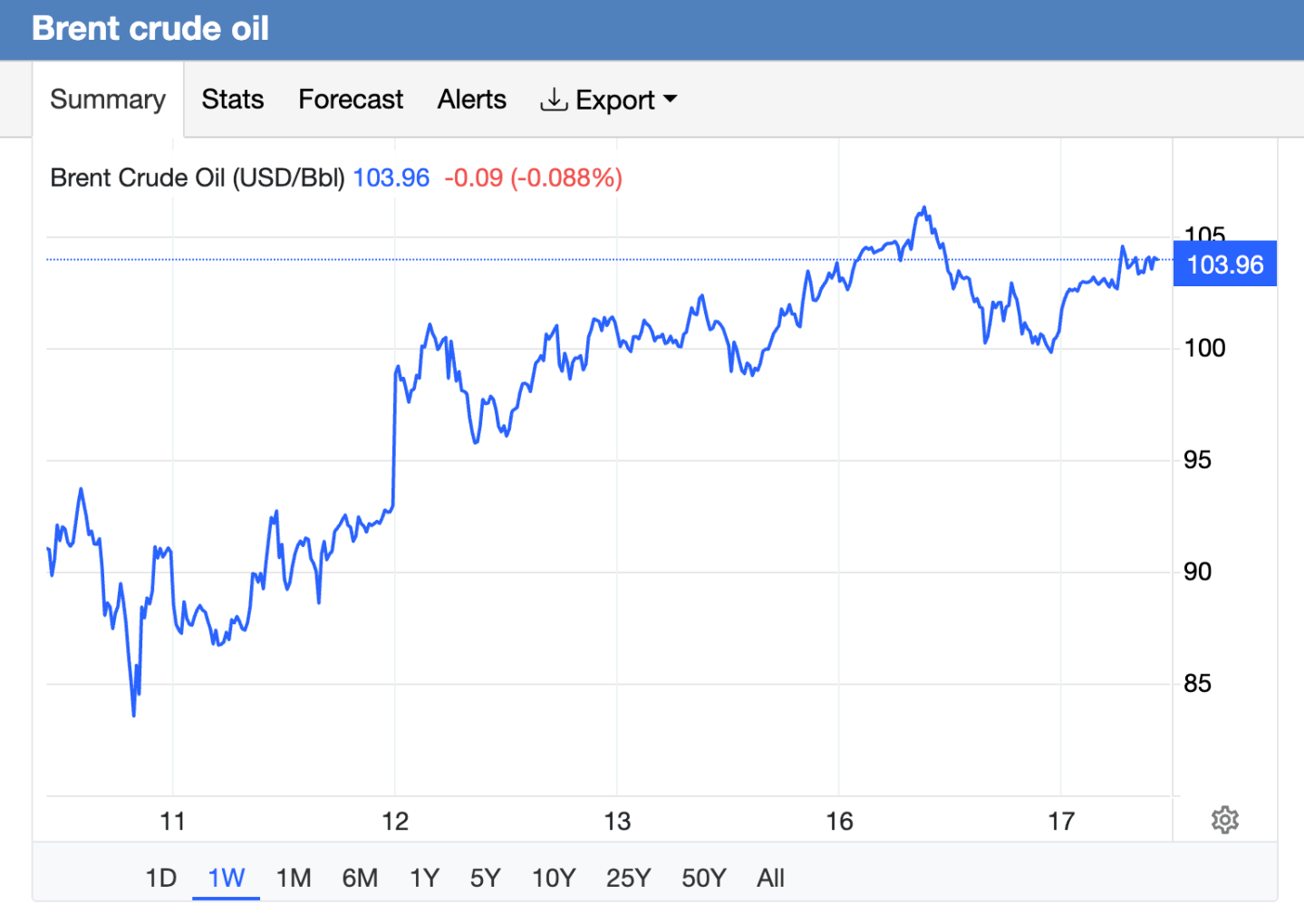
In Asia, the picture was less uniformly positive. Japan’s Nikkei 225 remained largely flat, reflecting a wait-and-see approach from investors possibly due to global uncertainties or specific domestic data. In contrast, China’s CSI 300 sank by 0.73%, a notable decline that could be attributed to ongoing concerns about China’s economic recovery, regulatory pressures, or the broader impact of global trade tensions. European markets, however, generally followed the positive lead from yesterday’s U.S. session, with key indices like the FTSE 100, DAX, and CAC 40 showing gains, buoyed by regional economic optimism or perhaps a perception of de-escalation in certain global flashpoints. The crucial commodity of oil, a direct barometer of geopolitical stability and supply chain anxieties, held steady at $104 per barrel, a price point that remains elevated, reflecting the persistent risk premium associated with the Middle East conflict. This price signals ongoing concerns about supply disruptions through vital shipping lanes like the Strait of Hormuz, maintaining inflationary pressures globally.
IRAN: The Diplomatic Dance Amidst Devastation
Beneath the surface of market fluctuations, high-stakes diplomatic efforts are reportedly underway between Washington and Tehran. Sources indicate that U.S. envoy Steve Witkoff and Iranian Foreign Minister Abbas Araghchi have “reactivated” contact with each other, according to a report by Axios. This development, while described as limited and fitful, marks a critical juncture in the protracted conflict. The crucial detail from Axios’s reporting is Iran’s insistence on a permanent peace deal, rather than a temporary ceasefire that could allow the U.S. and Israel to regroup. This demand underscores Iran’s deep-seated distrust and its strategic long-term objectives, moving beyond immediate tactical pauses.
For President Trump, these backchannel talks present a potential "off-ramp" from a conflict that has proven unexpectedly resilient. The U.S. President has found himself in an increasingly isolated position, as U.S. allies have roundly rebuffed his calls for military help in securing the Strait of Hormuz, as reported by the Wall Street Journal. This allied reticence highlights the international community’s reluctance to become further entangled in a regional conflict, or perhaps a lack of consensus on the efficacy of Trump’s aggressive foreign policy. Given the mounting domestic and international pressures, the temptation for Trump to pursue a diplomatic resolution could be significant, especially as an election cycle looms.
Despite the severe damage to Iran’s military and much of its infrastructure, Tehran’s resistance has confounded Trump. The President has publicly expressed his desire for Iran to reach a "deal" with him, a negotiation style he has successfully employed in various business and political contexts. However, as Fortune‘s Nick Lichtenberg points out, Iran is a fundamentally different kind of adversary. The Islamic Republic, with its ideological underpinnings and decentralized command structure, lacks a single "CEO to bully, no bondholder to threaten, and no shareholders to absorb the loss." The mullahs, Lichtenberg argues, are immune to Trump’s usual leverage tactics, making traditional economic or corporate pressure points ineffective. The strategic significance of the 21-mile-wide chokepoint at the mouth of the Persian Gulf, through which a substantial portion of global oil supplies passes, further complicates any military or diplomatic solution, as Iran’s ability to disrupt this waterway provides it with significant, albeit risky, bargaining power.
Adding to Trump’s complex calculus is growing pressure from the domestic bond market. Fortune‘s Jason Ma reports that the supply of corporate bond sales, largely spurred by massive capital expenditures from AI builders, has flooded the market of late. This influx has pushed down bond prices and consequently driven up interest rates. Higher interest rates make it significantly more expensive for the U.S. government to service its burgeoning national debt, a fiscal strain exacerbated by the costs of military engagement. Analysts at Deutsche Bank noted last week that the 10-year Treasury yield climbed 6 basis points to 4.16% at session highs, indicating investor demand for higher returns in a landscape of increased supply and perceived risk. This financial pressure could serve as a powerful incentive for the administration to seek a swift resolution to the conflict.
The war’s broader impact on U.S. foreign policy has also manifested in diplomatic delays. Fortune‘s Angelica Ang reports that Trump has pushed back his planned meeting with China’s Xi Jinping by "a month or so," prioritizing the immediate challenges posed by the Iran conflict over a critical bilateral discussion with China. This postponement suggests a re-prioritization of U.S. geopolitical concerns, with the Middle East now overshadowing the long-term strategic competition with Beijing, potentially delaying progress on critical trade and economic issues.
Meanwhile, military analysts are scrutinizing potential next steps. Macquarie analysts Thierry Wizman and Gareth Berry have noted that “U.S. amphibious forces (and, possibly, those of allies) were going to the Gulf, presumably to secure Kharg Island and Iran’s oil export terminals on it.” Kharg Island is Iran’s primary oil export terminal, handling approximately 90% of its crude oil shipments. The analysts posit two main scenarios: either U.S. forces destroy the terminals to cripple Iran’s economic lifeline, or they attempt to seize the island to preserve its capacity for a post-conflict deal. The latter option, while strategically more complex, could allow the U.S. to control a crucial asset for future negotiations. However, such a maneuver would undoubtedly extend the duration of the conflict. "Whereas we may have thought that major hostilities would end at the end of March (a four-week war), the deployment of US Marines means that it may take longer, perhaps by another one or two weeks,” the Macquarie pair concluded, hinting at a more prolonged and potentially costly engagement.
CUBA?! A New Front in Trump’s Global Ambitions
In a startling pivot from the immediate crisis in the Middle East, President Trump made headlines with an audacious statement regarding Cuba. Talking to reporters in the Oval Office, Trump declared it would be an “honour” if the U.S. ended up “taking Cuba, in some form.” He added, seemingly without hesitation, “Whether I free it, take it, I think I could do anything I want with it, if you want to know the truth. They are a very weakened nation right now.” This rhetoric, reminiscent of historical U.S. interventions in Latin America, sent shockwaves through diplomatic circles.
Cuba’s economy has indeed been severely weakened, particularly after the U.S. blockaded its vital Venezuelan oil supplies, a move that significantly tightened the long-standing economic embargo. This exacerbation of economic hardship, coupled with internal challenges, has led to shortages and increased pressure on the Cuban government. Trump’s comments, however, go far beyond traditional sanctions, suggesting a direct interventionist posture. Such a move would represent a dramatic reversal of the Obama administration’s efforts to normalize relations and would likely ignite widespread international condemnation, potentially leading to a diplomatic crisis in the Western Hemisphere and beyond. Critics argue that such unilateral action would violate international law and could destabilize the entire Caribbean region, overshadowing any perceived strategic gains.
AI: Nvidia’s Jensen Huang Crowns Himself ‘Token King’
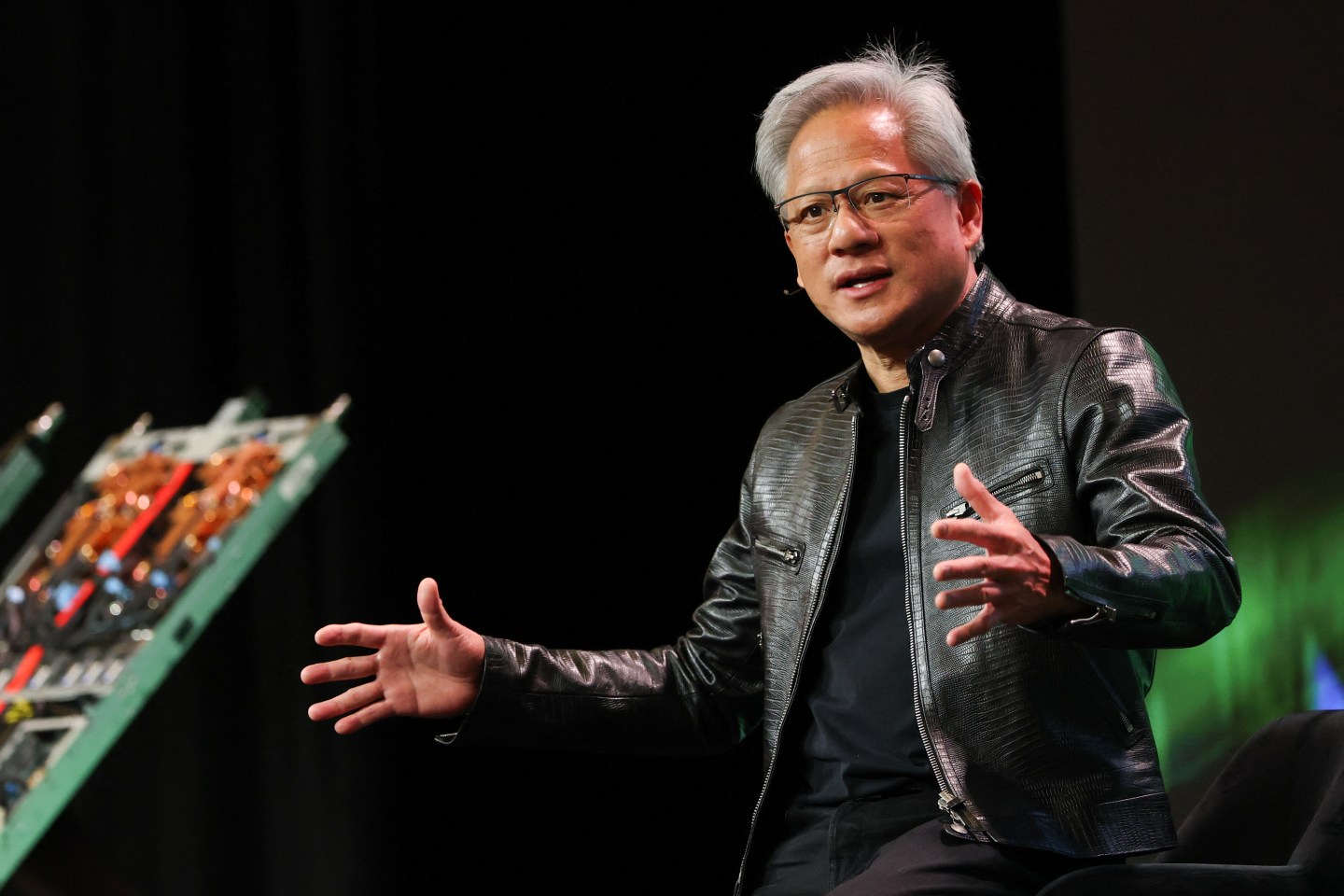
In the rapidly expanding universe of artificial intelligence, Nvidia CEO Jensen Huang continues to assert his company’s dominance. At Nvidia’s annual GTC developers conference, a highly anticipated event where the company unveils its latest innovations, the 63-year-old, silver-haired executive captivated an audience for a continuous two-and-a-half hours on Monday. Pacing the stage with unflagging energy, Huang presented a cascade of new products and strategic visions without once inviting another executive to share the spotlight. At a pivotal moment, Huang raised his hands above his head in a victorious "Rocky" pose and boldly proclaimed himself the "token king." As Fortune‘s Alexei Oreskovic noted, "I don’t think anyone would argue with the claim," a testament to Nvidia’s near-monopoly on the high-end GPUs essential for training and running large language models (LLMs) and other advanced AI applications. In AI, "tokens" are the fundamental units of text or data that models process, and Nvidia’s hardware is the engine powering the generation and manipulation of these tokens at scale.
Huang’s address also included revised financial projections that underscored the explosive growth in AI demand. He stated that he now expects $1 trillion in business by the end of 2027. This figure represents a significant increase from his projection last year at the same conference, where he had anticipated $500 billion through 2026. However, Fortune‘s analysis of the chart Huang presented revealed an important nuance: both the $500 billion and the $1 trillion projections shared the same starting point in 2025. This means Huang is effectively forecasting an additional $500 billion in new demand this year (from 2026 to 2027), rather than a doubling of the previous total forecast. While not a literal doubling of the previous cumulative figure, an additional $500 billion in new demand within a year is still an astronomical sum and far from "nothing to sneeze at." It reflects the accelerating adoption of AI across industries, from cloud computing to robotics, and positions Nvidia at the very heart of this technological revolution. The company’s stock performance and market valuation continue to reflect this unparalleled growth trajectory.
Chart of the Day: How Global Conflicts Roil Markets
While we cannot display the specific "Chart of the Day," its premise—How the war hurt the markets—points to a universal truth in financial economics: geopolitical instability is a primary driver of market volatility and uncertainty. The conflict in Iran, like any major geopolitical event, creates a ripple effect across global markets. Key impacts typically include:
- Energy Prices: Conflicts in major oil-producing regions or near critical shipping lanes (like the Strait of Hormuz) invariably lead to spikes in crude oil and natural gas prices. This directly impacts inflation, consumer spending, and the profitability of energy-intensive industries. The current oil price of $104 per barrel is a clear indicator of this risk premium.
- Supply Chain Disruptions: War zones and associated sanctions can disrupt established trade routes, leading to shortages of raw materials, components, and finished goods. This elevates production costs and can delay product availability, affecting various sectors from manufacturing to retail.
- Investor Confidence: Uncertainty breeds caution. Investors tend to move capital away from riskier assets (equities) towards safer havens (government bonds, gold, certain currencies like the U.S. dollar), increasing bond yields and strengthening safe-haven currencies. This shift can dampen economic growth and corporate investment.
- Sectoral Impacts: Defense and cybersecurity sectors often see a boost, while industries reliant on global stability, such as tourism and international trade, may suffer.
- Fiscal Strain: Governments involved in conflicts incur significant expenses, potentially leading to increased national debt, as seen with the U.S. bond market pressures.
Such a chart would likely illustrate these trends through indices of volatility (like the VIX), commodity price movements, and the performance of various equity sectors, painting a stark picture of how geopolitical events translate into economic costs and market turbulence.
STARZ IN THEIR CROSSHAIRS: Byron Allen’s Bold Bet on Streaming
The competitive landscape of video streaming continues to consolidate, and media mogul Byron Allen is making an aggressive move. On March 4, Byron Allen’s family office, Allen Family Capital, acquired a significant 10.7% stake in Starz Entertainment Corp. This makes Allen one of Starz’s largest individual shareholders, signaling a potential shift in the streamer’s future. The SEC disclosure, diligently spotted by Fortune‘s Amanda Gerut, explicitly states that Allen could pursue aggressive activist tactics. These tactics range from advocating for board changes to pushing for mergers, take-private deals, or other corporate transactions.
Byron Allen, known for building Allen Media Group into a formidable media conglomerate encompassing television stations, digital platforms, and film production, has a track record of strategic acquisitions. His interest in Starz comes at a crucial time for the streaming industry. Gerut aptly characterizes Starz as "one of the last premium streamers without a home out there," especially with the backdrop of major industry shifts like the impending Paramount-Skydance and Warner Bros. Discovery deals. Starz, with its premium content library and subscriber base, represents a valuable asset in a market hungry for scale and exclusive content. Allen’s move suggests he sees significant untapped value in Starz and is prepared to exert influence to unlock it, potentially by integrating it into his existing media empire or facilitating a sale to another major player. This activist stake could ignite a bidding war or significantly reshape Starz’s strategic direction in the coming months.
Number of the Day: The Quiet Strength of Female Investors
The world of finance often highlights disparities, but new research sheds light on an often-overlooked advantage. According to a research note by Joyce Chang and her team at J.P. Morgan, female investors beat their male counterparts by 40 basis points. This finding suggests a subtle yet significant edge in investment performance among women. While the reasons are multifaceted, studies often point to female investors exhibiting behaviors such as less frequent trading, a greater long-term focus, reduced susceptibility to overconfidence biases, and a propensity for more thorough research before making decisions.
Despite this demonstrated outperformance, Chang’s research highlights a persistent systemic inequality: “women currently retire with just 74% of men’s wealth, driven by the gender pay gap and caregiving-related career breaks.” The gender pay gap, where women consistently earn less than men for comparable work, directly impacts their ability to save and invest. Furthermore, caregiving responsibilities, which disproportionately fall on women, often lead to career breaks or reduced work hours, further diminishing their lifetime earnings and retirement contributions. This disparity underscores the need for continued efforts to address systemic issues like pay equity and support for caregivers, allowing women to fully capitalize on their investment acumen and achieve financial parity.
Today’s Front Pages: A Global Snapshot
The headlines from leading global publications provide a concise overview of the day’s pressing issues:
- How MBS’s bet on Iran backfired – Financial Times delves into the strategic miscalculations of Saudi Arabia’s Crown Prince Mohammed bin Salman regarding the Iran conflict, suggesting his aggressive stance may not have yielded the anticipated geopolitical advantages.
- Senators tell ByteDance to ‘immediately shut down’ Seedance AI video app – CNBC reports on rising U.S. congressional scrutiny of Chinese tech companies, with concerns over data security and potential foreign influence extending beyond TikTok to new AI-powered applications.
- Trump ramps up press pressure over Iran war coverage – Axios highlights the U.S. President’s ongoing efforts to shape the media narrative surrounding the Iran conflict, a characteristic move given his history of engaging with and criticizing news organizations.
- How Some Ships Are Sneaking Through the Strait of Hormuz – The Wall Street Journal uncovers the clandestine methods vessels are employing to navigate the contested Strait of Hormuz, underscoring the challenges of enforcing maritime security in the volatile region.
- Blank Street Abandons Tiny Coffee Shops to Take on Starbucks – Bloomberg details the strategic shift by Blank Street Coffee, moving away from its signature micro-locations to larger stores, signaling an ambitious expansion strategy aimed at competing with established giants like Starbucks.
- ‘It’s Just Crazy’: High Car Payments Make Ownership Feel Impossible – The New York Times explores the consumer struggle with escalating car prices and interest rates, highlighting how rising costs are making vehicle ownership increasingly unaffordable for many Americans.
One More Thing: The Art of Gaming Executive Bonuses
An exclusive analysis reveals a concerning trend in corporate governance: CEOs, with the complicity of their boards, have been adept at manipulating bonus structures to protect their compensation from external shocks. According to an in-depth study of pay data from 50 public companies by Compensation Advisory Partners, corporate boards employed a range of tactics to insulate executive pay. These included setting more-conservative targets that were easier to achieve, implementing widened performance curves that allowed for significant payouts even with modest results, and adopting flattened payout ranges that minimized the downside risk for underperformance.
This strategic recalibration of compensation structures was notably evident during the economic uncertainties of President Trump’s "Liberation Day tariffs" in 2025, which caused significant market turbulence and operational challenges for many businesses. The analysis found that even among companies that demonstrably underperformed, CEOs still managed to collect a remarkable 87% of their target bonuses. This suggests a systemic issue where executive compensation is increasingly decoupled from genuine corporate performance in challenging environments.
As Fortune‘s Amanda Gerut reports, this trend is likely to intensify. With the ongoing war in Iran introducing fresh layers of economic uncertainty and operational risk, CEOs are already anticipated to lobby their directors for similar protections. The moral hazard inherent in these practices is clear: if executives are shielded from the financial downsides of global instability and strategic missteps, it can disincentivize prudent risk management and potentially undermine shareholder value. This ongoing battle between executive self-preservation and shareholder accountability remains a critical issue for corporate governance in an increasingly volatile world.
