
 By admin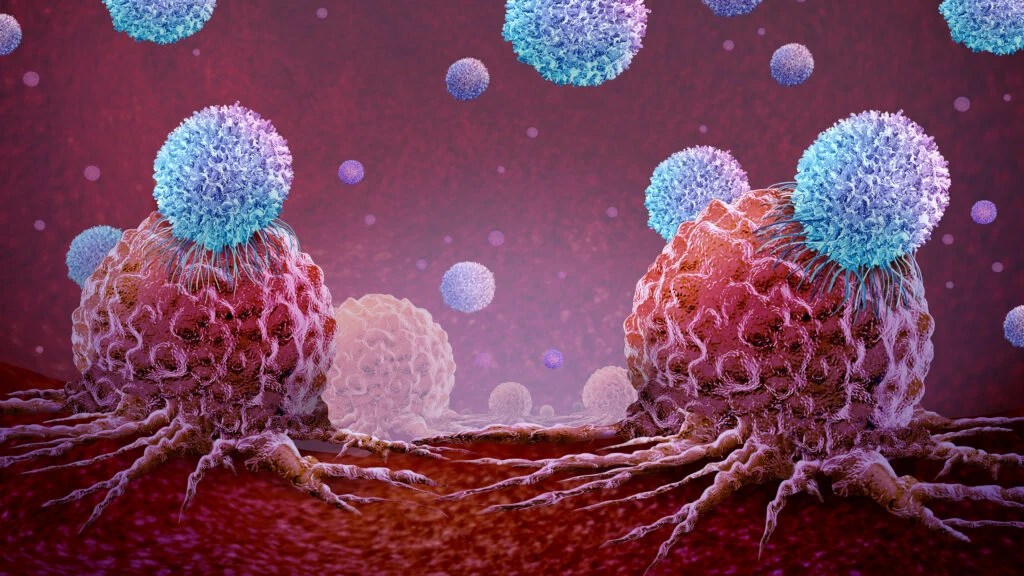
The landscape of modern oncology was fundamentally shifted with the advent of CAR-T cell therapy, a modality often referred to as a "living drug." By reprogramming a patient’s own T cells to recognize and attack malignant cells, scientists unlocked a powerful weapon against previously untreatable blood cancers. However, the current "ex vivo" process—whereby cells are harvested from a patient, flown to a centralized manufacturing facility, genetically modified over several weeks, and then shipped back for re-infusion—is a logistical and financial odyssey. This arduous journey not only costs hundreds of thousands of dollars per patient but also forces critically ill individuals to wait weeks for a treatment they might not have the time to receive. Now, a new frontier is emerging that seeks to bypass this bottleneck entirely: in vivo CAR-T therapy.
At the forefront of this movement is Azalea Therapeutics, a biotechnology startup emerging from the laboratory of Nobel laureate Jennifer Doudna. As detailed in a seminal paper published in Nature this Wednesday, researchers at Azalea and their academic collaborators have demonstrated a method to engineer these cancer-fighting cells directly within the living organism. By utilizing sophisticated gene-editing particles delivered via a simple infusion, the team successfully created functional CAR-T cells inside mice, which subsequently cleared both liquid blood tumors and more resilient solid tumors. This milestone represents a significant leap toward a future where "off-the-shelf" genomic medicine could replace the bespoke, industrial-scale manufacturing currently required for cell therapy.
To understand the magnitude of this shift, one must first look at the limitations of the status quo. Since the first CAR-T therapies, such as Novartis’s Kymriah and Gilead’s Yescarta, received FDA approval, the field has struggled with scalability. The "vein-to-vein" time—the period between cell extraction and re-infusion—remains a major hurdle. During this window, patients often require "bridging therapy" to keep their cancer at bay, and some succumb to their disease before their engineered cells are ready. Furthermore, the process requires lymphodepletion, a harsh round of chemotherapy intended to clear space in the patient’s immune system for the new cells, which carries its own suite of toxicities. In vivo CAR-T aims to eliminate these steps, transforming a month-long manufacturing process into a single clinical procedure.
The research published in Nature highlights the technical sophistication required to make this vision a reality. While several companies and academic labs are exploring in vivo delivery, the Azalea approach distinguishes itself through its precision. Justin Eyquem, a cancer researcher at the University of California San Francisco (UCSF) and a senior author on the paper, emphasizes that the primary challenge of in vivo engineering is ensuring that the genetic payload reaches the correct destination. In a crowded biological environment, a delivery vehicle must ignore liver cells, lung tissue, and non-target immune cells, homing in exclusively on the T cells that need reprogramming.
Eyquem notes that Azalea’s method focuses on the ability to reliably edit not just the right cells, but the specific, intended part of those cells’ genomes. In traditional CAR-T manufacturing, viral vectors (like lentiviruses) are often used to insert the CAR gene. While effective, these viruses integrate their genetic cargo somewhat randomly into the genome. This "random insertion" carries a theoretical risk of insertional mutagenesis, where the new gene might land inside a tumor-suppressor gene or near an oncogene, potentially causing the T cell itself to become cancerous—a safety concern that has drawn recent scrutiny from the FDA. Azalea’s approach leverages the surgical precision of CRISPR-based gene editing to place the CAR gene into a specific "safe harbor" or a functional locus, such as the T-cell receptor (TCR) alpha constant (TRAC) region. This not only improves safety by minimizing off-target effects but also ensures more uniform and potent expression of the cancer-fighting receptor.
The results in mouse models were particularly striking because of their efficacy against solid tumors. Historically, CAR-T cells have struggled against solid masses—such as lung or pancreatic cancer—due to the "immunosuppressive microenvironment" that tumors create to shield themselves from immune attacks. The Nature study showed that in vivo-generated CAR-T cells were capable of infiltrating these hostile environments and maintaining their activity long enough to eradicate the tumor. This suggests that the quality of the cells generated inside the body may be comparable, or perhaps even superior, to those grown in the artificial environment of a laboratory dish.
The pedigree of Azalea Therapeutics adds a layer of significant weight to these findings. Co-founded by Jennifer Doudna, whose work on CRISPR-Cas9 earned the 2020 Nobel Prize in Chemistry, the company is built on the premise that gene editing is no longer just a discovery tool but a therapeutic delivery platform. In late 2024, Azalea announced a successful $82 million Series A funding round, signaling strong investor confidence in the "in vivo" transition. The company’s strategy reflects a broader trend in biotechnology: the move from "cell therapy" (using cells as the drug) to "gene therapy for cell engineering" (using genetic tools to create the drug inside the patient).

However, Azalea is not alone in this race. The field of in vivo CAR-T is rapidly becoming one of the most competitive niches in biotech. Companies like Capstan Therapeutics, which uses lipid nanoparticles (LNPs) similar to those in mRNA COVID-19 vaccines, and Umoja Biopharma, which utilizes viral-based delivery systems, are also making significant strides. Interius Biotherapeutics is another player focusing on lentiviral vectors designed to target T cells directly in the bloodstream. The competition centers on three main pillars: targeting specificity, editing efficiency, and manufacturing simplicity. If Azalea can prove that its particles are more "surgical" than those of its competitors, it could set the standard for the next generation of immunotherapy.
Despite the optimism, the path to human clinical trials remains fraught with complexity. Translating success from mice to humans is the "valley of death" for most experimental therapies. The human immune system is far more complex and reactive than that of a laboratory mouse. There is the risk of "immunogenicity," where the patient’s body recognizes the delivery particle itself as a foreign invader and neutralizes it before it can edit the T cells. Furthermore, ensuring that the dose is high enough to create a therapeutic number of CAR-T cells, but low enough to avoid systemic toxicity or a "cytokine storm," will require meticulous calibration.
There is also the question of the "hit-and-run" nature of the treatment. One of the advantages of the Azalea approach is that the gene-editing machinery only needs to exist in the body for a short time to perform its task. Once the T cell’s DNA is rewritten, the delivery vehicle degrades and disappears, leaving behind a permanent population of cancer-fighting cells. This avoids the long-term presence of foreign genetic material, which could further reduce the risk of adverse reactions.
From a global health perspective, the success of in vivo CAR-T would be transformative. Currently, CAR-T therapy is largely restricted to high-income countries and elite academic medical centers with the infrastructure to handle complex cell processing. By turning the treatment into an infusion that can be administered in a standard hospital setting, Azalea and its peers could democratize access to one of the most effective cancer treatments ever devised. This could shift the paradigm from a luxury boutique medicine to a scalable public health tool.
As Azalea Therapeutics moves toward the clinic, the data presented in Nature serves as a foundational proof of concept. The ability to clear solid tumors in mice using in vivo-generated cells is a high bar to have cleared so early in development. For Angus Chen and other observers of the oncology space, the focus now shifts to the upcoming safety studies and the eventual transition to Phase 1 human trials. If the precision Eyquem and his colleagues have touted holds up under the rigors of human biology, the era of "lab-grown" immune cells may eventually be seen as a necessary but primitive stepping stone toward the true future of genomic medicine: the body as its own pharmacy.
The broader implications for the field of gene editing are equally profound. If we can successfully reprogram T cells inside the body, the same technology could theoretically be used to reprogram other cell types to treat autoimmune diseases, genetic disorders, or even chronic infections. The "gene editing particles" described in the Azalea study are essentially a programmable delivery system. Today, they are programmed to create CAR-T cells; tomorrow, they could be programmed to repair a liver enzyme or modify a heart cell.
In the near term, the oncology community will be watching closely for Azalea’s next moves. The $82 million in funding provides a significant runway to refine their delivery particles and prepare for regulatory filings. With the backing of Doudna’s scientific vision and the experimental validation provided by the Nature paper, Azalea Therapeutics has positioned itself as a leader in what might be the most important evolution in cancer treatment since the first checkpoint inhibitors were discovered. The goal is no longer just to fight cancer, but to rewrite the way the body itself stands guard against the disease.
