
 By Lina Irawan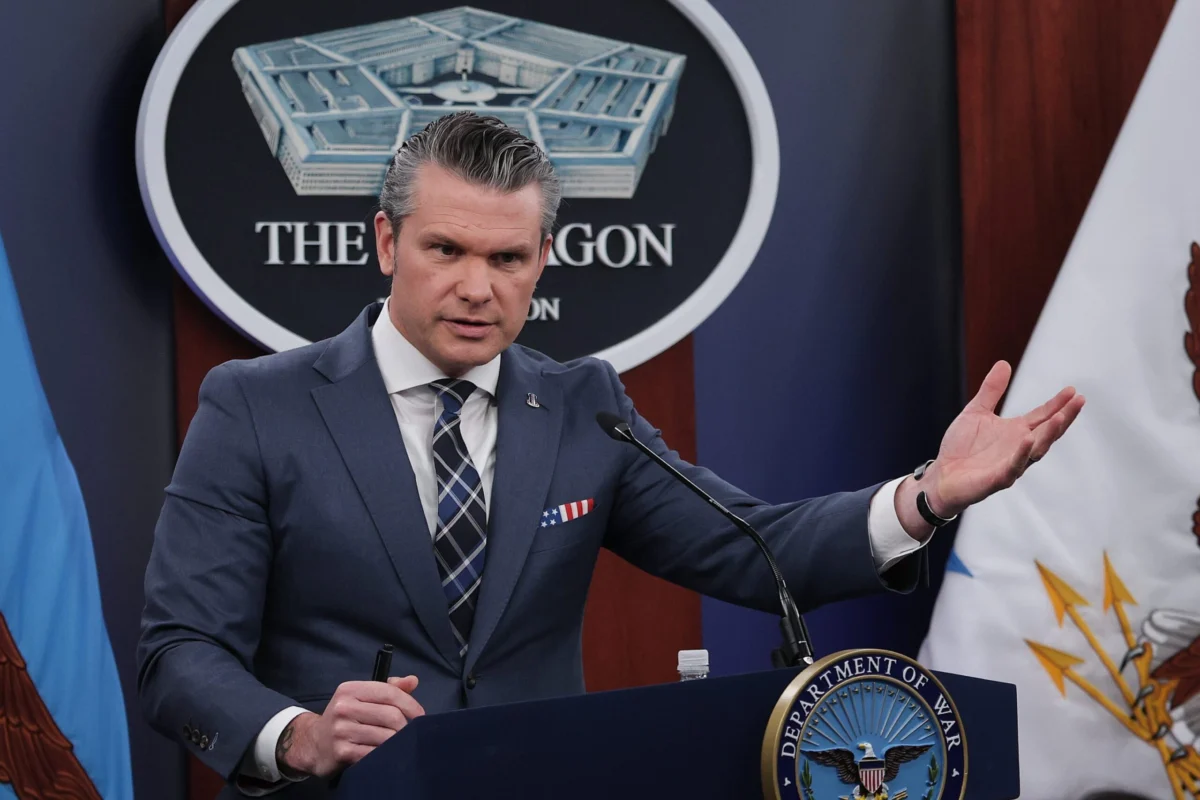
This fresh wave of economic adversity strikes businesses already reeling from a tumultuous preceding year marked by the unpredictable swings of former President Donald Trump’s tariff policies. Implemented during his previous administration, these sweeping tariffs on goods from key trading partners like China, Canada, Mexico, and the European Union, among others, had already driven up input costs and significantly squeezed profit margins. Small business owners, often lacking the robust purchasing power, diversified supply chains, or extensive legal resources available to large corporations, were particularly vulnerable to these earlier trade-induced pressures. The confluence of these existing challenges with the sudden, acute stresses of a major geopolitical conflict creates an unprecedented economic crucible.
The Geopolitical Quake and Its Economic Tremors
The conflict, ignited by initial U.S. strikes in late February, quickly spiraled, transforming regional tensions into a global economic threat. The immediate aftermath saw U.S. businesses grappling with a twofold challenge: the physical impediment to maritime trade and a dramatic surge in energy costs. The White House, in an attempt to mitigate some of the immediate fuel price spikes, moved to suspend the Jones Act for 60 days, a measure typically reserved for emergency situations to allow foreign-flagged vessels to transport goods between U.S. ports. While this offered a temporary reprieve for some energy logistics, it was a band-aid on a gaping wound.
The primary conduit for these disruptions has been the Strait of Hormuz, a narrow waterway bordering Iran, through which approximately 20% of the world’s total petroleum consumption, and a significant portion of global liquefied natural gas (LNG), passes daily. Iran’s repeated threats, and on several occasions, actual strikes, on ships navigating this critical chokepoint, have injected an unparalleled level of risk into global shipping. Brent crude, the international benchmark for oil prices, briefly surged to $119 a barrel on Thursday before a slight retreat on Friday, reflecting the market’s intense sensitivity to the stability of this crucial shipping lane. Such volatility in oil futures directly translates to higher prices for gasoline, jet fuel, and nearly all petroleum-derived products.
Major shipping conglomerates, including the Danish giant Maersk, have responded to the escalating dangers by halting all vessel crossings through the Strait. This decision alone has had a profound impact, forcing rerouting, delaying shipments, and driving up insurance premiums for vessels still willing to traverse the region. Early in March, reports indicated that approximately 147 container ships found themselves stuck in the Persian Gulf, unable to proceed due to the heightened threat, seeking refuge as the conflict intensified. This gridlock further compounded supply chain woes, creating bottlenecks and shortages for goods ranging from raw materials to finished products.
The Disparity in Resilience: Small Businesses on the Brink
The capacity to withstand such shocks varies dramatically across the economic landscape. Unlike larger corporations, which possess the financial muscle, extensive global networks, and strategic flexibility to absorb higher costs and navigate shipping upheaval, small businesses operate on far thinner margins. Brett Massimino, an associate professor at Virginia Commonwealth University’s business school and chair of the department of supply chain management and analytics, underscored this critical vulnerability.
"Small businesses, they don’t have the margins or the reserves to really absorb those kinds of cost increases," Massimino told Fortune. He elaborated on the difficult choices facing these entrepreneurs: "They’re faced with a dilemma of, do they try to expedite some of the shipments that might be delayed right now, or do they deal with the shortages." Expediting often means paying exorbitant air freight costs or securing limited, more expensive alternative shipping routes, further eroding already tight budgets. Dealing with shortages, conversely, can lead to lost sales, damaged customer relationships, and a decline in market share.
For larger corporations, the ability to leverage economies of scale, negotiate long-term contracts with suppliers and shippers, or even utilize in-house logistics departments provides a crucial buffer. They can absorb temporary spikes in fuel or shipping costs, confident that their diversified revenue streams and deeper financial reserves will allow them to weather the storm. Small businesses, however, often operate with lean inventories and rely on just-in-time delivery models, making them acutely sensitive to any disruption. Their access to credit might also be more limited, preventing them from taking on additional debt to cover unexpected operational increases.
The grim forecast suggests that if the Iran war stretches on, the effects on small businesses could become catastrophic within as little as two months. This timeframe aligns with typical inventory cycles and contract renewal periods. As existing stock depletes and new contracts are negotiated at significantly higher prices for everything from raw materials to transportation, many small businesses may find their reserves exhausted. Without relief, the specter of widespread bankruptcies and job losses looms large, threatening the vitality of local economies across the nation.
Political Crosscurrents and Economic Uncertainty
Adding another layer of complexity is the conflicting political rhetoric surrounding the conflict. Former President Trump has repeatedly insisted he could halt the war "right now," claiming Iran’s military has been crippled, as he told MS Now on Friday. Such statements, while projecting confidence, often clash with the operational realities and ongoing demands of military engagement. Indeed, earlier this week, Defense Secretary Pete Hegseth requested an additional $200 billion for the war effort, signaling a projected long-term commitment and significant financial outlay. This disparity between political assurances of a swift resolution and the military’s requests for substantial, ongoing funding creates an environment of profound uncertainty, making long-term planning nearly impossible for businesses. Markets thrive on predictability, and this political dissonance only exacerbates the instability.
‘Everything Has Gone Up’: A Fisherman’s Struggle
The abstract geopolitical events in the Middle East have already translated into tangible, painful price increases for countless American small businesses. Travis Maderia, a fourth-generation lobster fisherman and co-founder of the direct-to-consumer seafood company Lobster Boys, offers a poignant example of this immediate impact. His business, which sources lobster from the cold North Atlantic waters near Nova Scotia, Canada, relies heavily on predictable and affordable logistics.
Maderia recounted a conversation with one of his fishermen on Friday, who reported a staggering 60-cent increase per liter in gas prices, equivalent to more than $2 per gallon. For a commercial fishing vessel, fuel constitutes a significant portion of operating costs. This sudden surge directly impacts the fishermen’s profitability, forcing Maderia to pay more per pound of lobster—$17 compared to the usual $13 or $14 for the same season—to ensure his suppliers can remain viable. This increase in acquisition cost is just the first domino.
The ripple effect continues through the supply chain. Perishable goods like fresh lobster often rely on air freight to reach continental U.S. markets quickly, maintaining freshness and quality. The global energy crunch, exacerbated by the Iran war, has led to a significant increase in jet fuel prices. Simultaneously, the increased risks associated with maritime shipping have pushed more cargo, especially high-value or time-sensitive goods, towards air freight, driving up demand and, consequently, prices. Airlines, facing higher operational costs and increased demand, have predictably raised their shipping rates.
For Lobster Boys, these compounded increases have translated into substantially higher costs for shipping their premium seafood products. Maderia confirmed that these unavoidable increases have had to be passed on to his customers—restaurants and grocery stores. However, this is where the economic feedback loop turns particularly vicious. When restaurants and grocery stores absorb these higher costs and, in turn, pass them on to their own customers, they often face a slump in demand. Consumers, confronted with higher prices for discretionary items like lobster, reduce their purchases. This reduction in consumer demand ultimately circles back to Maderia’s company, resulting in fewer orders and reduced sales volume. "Everything has gone up, unfortunately, and customers are not liking it," Maderia lamented, encapsulating the dual challenge of rising costs and shrinking demand.
Broader Economic Implications and the Road Ahead
The plight of businesses like Lobster Boys is not isolated. Across sectors, small businesses are grappling with similar pressures. Manufacturing firms face escalating costs for raw materials and components due to shipping delays and tariff burdens. Retailers confront higher import costs, which they must either absorb or pass on, risking customer alienation. Service industries, while seemingly less exposed, are indirectly affected by reduced consumer spending and higher costs for utilities, transportation, and supplies.
The inflationary pressure from these rising input costs threatens to permeate the broader economy, potentially eroding consumer purchasing power further. Should the war persist, the cumulative effect could be a significant slowdown in economic activity, with small businesses, the primary drivers of job creation, being the hardest hit. Experts warn that government intervention, beyond temporary measures like the Jones Act suspension, may become necessary to provide a lifeline to these vulnerable enterprises. This could include targeted subsidies, tax relief, or expanded access to low-interest loans.
The Iran war, even in its early stages, serves as a stark reminder of the interconnectedness of the global economy and the disproportionate vulnerability of small businesses to geopolitical shocks. While larger corporations may navigate these turbulent waters through financial hedging and diversified strategies, countless smaller enterprises are left to face a perfect storm of rising costs, supply chain chaos, and shrinking demand, with the true extent of the damage still unfolding. The coming months will be critical in determining whether these vital engines of the economy can withstand the relentless pressure, or if the worst, as experts predict, is indeed yet to come.
