
 By Titik Puspa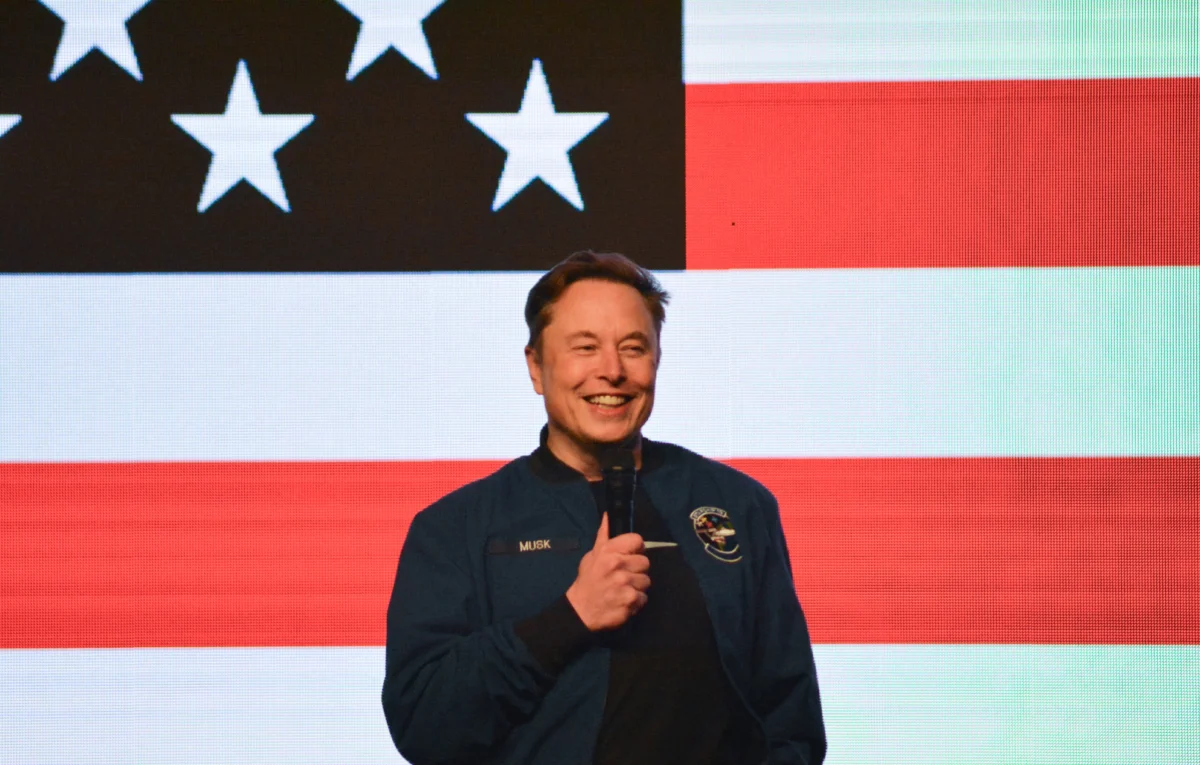
In a bold declaration that signals a significant expansion of his technological empire, Elon Musk, the enigmatic entrepreneur behind Tesla, SpaceX, and X (formerly Twitter), has revealed plans to establish a dedicated chip-manufacturing facility, dubbed the "Terafab." This ambitious undertaking, aimed at addressing the critical and escalating demand for advanced semiconductors within his core companies, was outlined on Saturday night at an event in downtown Austin, Texas. Sources indicate that the proposed "Terafab" facility will be strategically located in close proximity to Tesla’s existing Austin headquarters and its sprawling Gigafactory, a move designed to foster seamless integration and operational synergy.
The driving force behind this monumental project, as articulated by Musk himself, stems from a growing frustration with the pace and capacity of current semiconductor manufacturers. He stated emphatically that these external suppliers are simply not producing chips quickly enough to meet the voracious appetite of Tesla’s burgeoning artificial intelligence and robotics divisions, as well as SpaceX’s rapidly evolving needs. "We either build the Terafab or we don’t have the chips, and we need the chips, so we build the Terafab," Musk declared, underscoring the non-negotiable necessity of this internal manufacturing capability. This statement highlights a strategic pivot towards vertical integration, a hallmark of Musk’s approach to overcoming perceived bottlenecks and controlling critical supply chains.
The scale of Musk’s vision for the Terafab is nothing short of staggering. The facility is intended to churn out chips capable of supporting an immense 100 to 200 gigawatts of computing power annually for terrestrial applications. This terrestrial goal, however, is dwarfed by an even more audacious objective: the establishment of a terawatt of computing power in space. This dual-pronged approach suggests a profound integration of advanced computing into both Earth-bound operations and the future of space exploration and utilization. While Musk did not provide a specific timeline for the realization of these ambitious plans, the mere announcement has sent ripples of anticipation and speculation throughout the technology and aerospace sectors.
This venture into chip manufacturing represents a significant departure from Musk’s established domains. As Bloomberg aptly noted, Musk’s direct background in semiconductor fabrication is limited. However, this is not the first time the tech titan has embarked on ventures that push the boundaries of conventional industry wisdom. His career is punctuated by a history of setting exceptionally high, and often aspirational, targets that have sometimes been met with skepticism regarding their feasibility and timelines. This pattern of "overpromising" on goals and timelines, as observed in past projects such as the ambitious timelines for Tesla’s Full Self-Driving capabilities and the development of the Dojo AI supercomputer, casts a long shadow of scrutiny over the Terafab initiative. Yet, it is precisely this willingness to challenge the status quo and pursue audacious goals that has also led to groundbreaking innovations under his leadership.
The semiconductor industry is currently experiencing unprecedented demand, driven by the exponential growth of artificial intelligence, machine learning, high-performance computing, and the proliferation of connected devices. The global chip shortage that began in late 2020 exposed the fragility of the existing supply chain and highlighted the strategic importance of domestic and in-house chip production. Major economies and corporations are now actively investing billions in expanding manufacturing capacity and securing their chip supplies. Musk’s Terafab initiative can be viewed as a direct response to these global trends, a proactive measure to insulate his companies from future supply chain disruptions and to gain a competitive edge by having bespoke, cutting-edge chips designed and manufactured to his exact specifications.
Tesla’s reliance on specialized chips is already well-documented. The company designs its own AI chips for its Autopilot and Full Self-Driving systems, as well as for its advanced infotainment and powertrain management. The Dojo supercomputer, designed to accelerate the training of Tesla’s AI models, also requires immense processing power, necessitating custom silicon. SpaceX, on the other hand, utilizes advanced processors for its Starlink satellite constellation, its Starship spacecraft, and its ground control systems. The increasing complexity and computational demands of both companies’ future endeavors, particularly in areas like autonomous driving, advanced robotics, and large-scale space infrastructure, necessitate a more robust and scalable chip production strategy.
The concept of a "Terafab" itself is indicative of the sheer scale of processing power Musk aims to achieve. A terawatt (TW) is a unit of power equal to one trillion watts. In the context of computing, this translates to an astronomical amount of processing capability. To put this into perspective, a typical household might consume a few kilowatts of power. The computing power Musk is aiming for is orders of magnitude beyond anything currently deployed in commercial data centers or even most national supercomputing facilities. This aspiration suggests a future where AI and computational tasks are not constrained by available processing resources, enabling breakthroughs in fields currently limited by hardware capabilities.
The decision to build this facility in Austin, Texas, is also strategically significant. Texas has become a burgeoning hub for technology and advanced manufacturing, with companies like Samsung and Apple also making substantial investments in the state. Austin, in particular, has attracted a wealth of talent and has seen a rapid increase in its tech infrastructure. Locating the Terafab near Tesla’s Gigafactory not only offers logistical advantages but also leverages the existing ecosystem of skilled labor and supporting industries that are developing around Tesla’s operations. Furthermore, Texas has been actively pursuing policies to attract semiconductor manufacturing, potentially offering incentives and a favorable regulatory environment for such a large-scale undertaking.
However, the path to establishing a leading-edge semiconductor fabrication plant is fraught with immense challenges. Building a "fab" requires tens of billions of dollars in investment, cutting-edge technology, highly specialized expertise, and a complex ecosystem of suppliers for equipment and materials. The manufacturing processes involved, particularly for advanced nodes, are among the most intricate and capital-intensive in the world. The learning curve for a company with no prior experience in this field would be steep, and the potential for delays and cost overruns is significant.
The mention of a terawatt of computing power in space is particularly intriguing. This could signify plans for orbital data centers, massive space-based AI processing units, or even advanced computational infrastructure to support interstellar communication or exploration. The energy requirements for such a system would be colossal, suggesting a need for advanced power generation in space, potentially through solar arrays or even future fusion technologies, which Musk has also expressed interest in. The development of chips capable of withstanding the harsh environment of space, including radiation and extreme temperature fluctuations, would also present unique engineering hurdles.
Experts in the semiconductor industry have reacted with a mixture of intrigue and caution. Dr. Lisa Su, CEO of AMD, a leading chip designer, has previously emphasized the immense challenges and long lead times associated with building new fabrication plants. "The capital expenditure for a new fab is enormous, and the time to bring it online and achieve high yields is measured in years, not months," Dr. Su stated in a past interview. "It requires a deep understanding of materials science, process engineering, and an intricate supply chain."
Another industry analyst, who preferred to remain anonymous, commented, "Musk’s ambition is undeniable, but this is a fundamentally different ballgame than building electric cars or rockets. The semiconductor manufacturing landscape is dominated by a few key players with decades of experience and proprietary technology. For a new entrant, especially one with a relatively unproven track record in this specific domain, to establish a world-class facility will be an extraordinary feat."
The historical context of Musk’s ventures cannot be ignored. While he has a reputation for audacious goals, he also has a proven track record of disrupting industries and forcing established players to adapt. The electric vehicle market, once a niche segment, has been fundamentally reshaped by Tesla. SpaceX has revolutionized the space launch industry, drastically reducing costs and increasing launch frequency. His foray into chip manufacturing, if successful, could have a similar transformative impact.
The "Terafab" initiative also raises questions about the broader implications for the global semiconductor market. If Musk can successfully establish a significant internal chip manufacturing capability, it could reduce his companies’ reliance on external suppliers, potentially impacting demand for chips from established manufacturers. It could also spur further innovation and investment in the sector, as competitors strive to keep pace with his advancements.
The financial implications of such a project are also immense. Building a state-of-the-art semiconductor fabrication plant can cost upwards of $20 billion, and that is before accounting for the ongoing operational costs, research and development, and the acquisition of specialized talent. For Musk to commit such vast resources to an internal manufacturing effort indicates his unwavering belief in the strategic imperative of controlling his own chip destiny.
In conclusion, Elon Musk’s announcement of the "Terafab" initiative represents a bold and potentially game-changing move in the world of technology and manufacturing. Driven by the insatiable demand for advanced semiconductors within his rapidly growing companies, this ambitious project aims to achieve unprecedented levels of computing power both on Earth and in space. While the challenges are formidable, and past ambitious timelines have drawn skepticism, Musk’s history of disruptive innovation suggests that the "Terafab" could indeed reshape the future of chip manufacturing and further solidify the technological dominance of his enterprises. The coming years will undoubtedly reveal the true scope and success of this monumental undertaking.
