
 By admin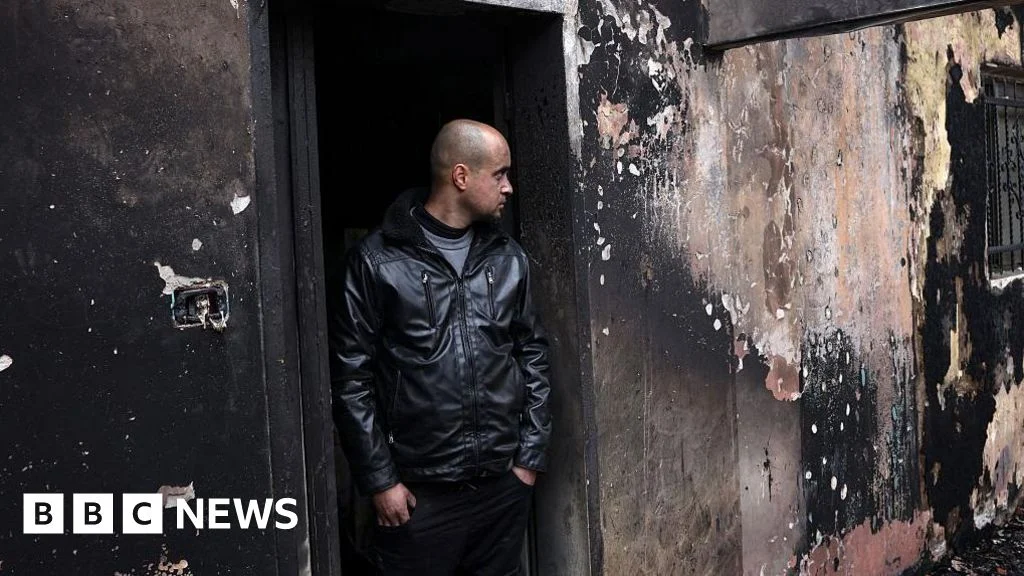
Extremist Jewish settlers unleashed a wave of retaliatory attacks across multiple Palestinian villages in the occupied West Bank, resulting in the burning of homes, vehicles, and agricultural fields. This escalation of violence, which occurred on the night of Saturday, March 22, 2026, was a direct response to the death of an 18-year-old settler, Yehuda Sherman, who was reportedly killed after being struck by a vehicle driven by a Palestinian while riding his quad bike. Israeli police have launched an investigation to determine whether the incident was a deliberate act or a tragic accident.
The immediate aftermath of Sherman’s death saw calls for retribution spread rapidly through settler communication channels. According to reports in the Haaretz newspaper, WhatsApp groups frequented by settlers circulated messages advocating for a "revenge campaign." This incitement appears to have galvanized a significant number of individuals, with Israeli media, citing a defense official, reporting that over 20 separate settler attacks were carried out overnight. This surge in settler-on-Palestinian violence is occurring against a backdrop of heightened regional tensions, particularly following recent military actions involving Iran, the United States, and Israel. The United Nations (UN) has documented a disturbing trend, reporting that six Palestinians have been killed by settlers since the beginning of March, underscoring the increasingly volatile security situation in the West Bank.
The Israel Defense Forces (IDF) confirmed the deployment of troops and border police units to several Palestinian villages on Saturday night. In a statement, the IDF acknowledged receiving reports of "Israeli civilians committing acts of arson against structures and property, as well as engaging in disturbances in the area." The affected villages, according to the IDF, included Jalud, Qaryut, al-Funduqmiya, and Silat al-Dhah.
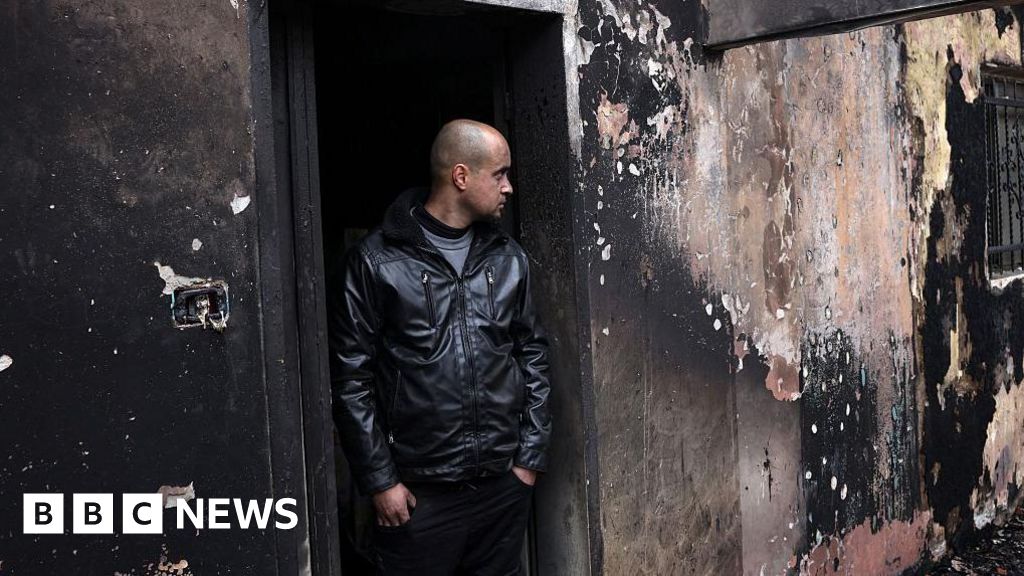
Visual evidence, shared widely online and corroborated by the BBC’s reporting, depicted scenes of widespread destruction. While the BBC could not independently verify all footage, some videos appeared to show more than 90 individuals, many of them masked and clad in black attire, infiltrating the village of Jalud. Other footage, purportedly from the same village, captured multiple vehicles engulfed in flames, buildings with shattered windows, and the urgent ringing of sirens as emergency services responded to the unfolding chaos. In a chilling testament to the attackers’ motives, one photograph revealed the spray-painted slogan "Avenge Yehuda" emblazoned on a building.
The human cost of these attacks was also significant. The Palestinian Red Crescent Society reported that at least three Palestinians sustained head injuries and required hospitalization after confronting the attackers. Some of the settlers involved were also reportedly injured during these confrontations. The rhetoric employed in settler communication channels further highlighted the vengeful nature of the attacks. Reports from Israeli media cited posts within settler WhatsApp groups, including one that declared, "Jews won’t remain silent over spilled Jewish blood," and another that demanded, "We demand vengeance and expulsion of the enemy."
The Palestinian Ministry of Foreign Affairs issued a strong condemnation of the assaults, denouncing them as acts of terror involving the "burning of homes and property, terrorising and killing of civilians, and the targeting of vital roads, junctions, and main streets during Eid al-Fitr." The timing of the attacks, coinciding with a significant Islamic holiday, added another layer of distress and violation to the already tense situation.
The funeral of Yehuda Sherman on Sunday afternoon drew a large crowd, with Israeli media estimating more than 500 attendees, including prominent figures such as Israel’s far-right Finance Minister Bezalel Smotrich. This demonstration of solidarity with the slain settler underscores the deep emotional and political resonance of such incidents within certain segments of Israeli society.
Following the funeral, the unrest continued into Sunday evening, with reports of Jewish settlers blocking roads in protest across the occupied West Bank. Further unconfirmed reports emerged of settler groups gathering once again outside Palestinian villages, with the local news agency WAFA reporting the torching of a car wash located northwest of Nablus.
This recent wave of settler violence is not an isolated incident but rather a continuation of a disturbing trend. Earlier in March, the European Union and the United Kingdom issued joint demands for Israel to halt the escalating settler violence against Palestinians, which has intensified since the commencement of hostilities involving Iran on February 28. Data compiled by the UN paints a grim picture of the escalating violence. Since the beginning of the year, seven Palestinians have been killed by Israeli settlers and an additional 18 by Israeli forces. Alarmingly, 15 of these killings have occurred in the period since the Iran conflict began, indicating a direct correlation between regional tensions and heightened violence on the ground.
The broader context of the Israeli-Palestinian conflict and the ongoing occupation of the West Bank is crucial to understanding the dynamics of settler violence. Since the 1967 Middle East war, Israel has established approximately 160 settlements in the occupied West Bank and East Jerusalem. These settlements are home to an estimated 700,000 Israeli Jews, who live alongside an estimated 3.3 million Palestinians. The Palestinian leadership views the West Bank and East Jerusalem as integral parts of their future state, a vision that is increasingly challenged by the expansion of Israeli settlements. International law unequivocally considers these settlements to be illegal, a stance consistently upheld by the United Nations and a majority of the global community. Despite this international consensus, settlement expansion has continued, fueling resentment and contributing to the persistent cycle of conflict and violence in the region. The recent events in Fandaqumiya and other villages are stark reminders of the volatile consequences of this unresolved territorial dispute and the persistent challenges to achieving a lasting peace. The impunity with which some extremist settler groups operate, coupled with the incitement seen in online forums, raises serious concerns about the rule of law and the protection of Palestinian civilians in the occupied territories.
