
 By Rifan Muazin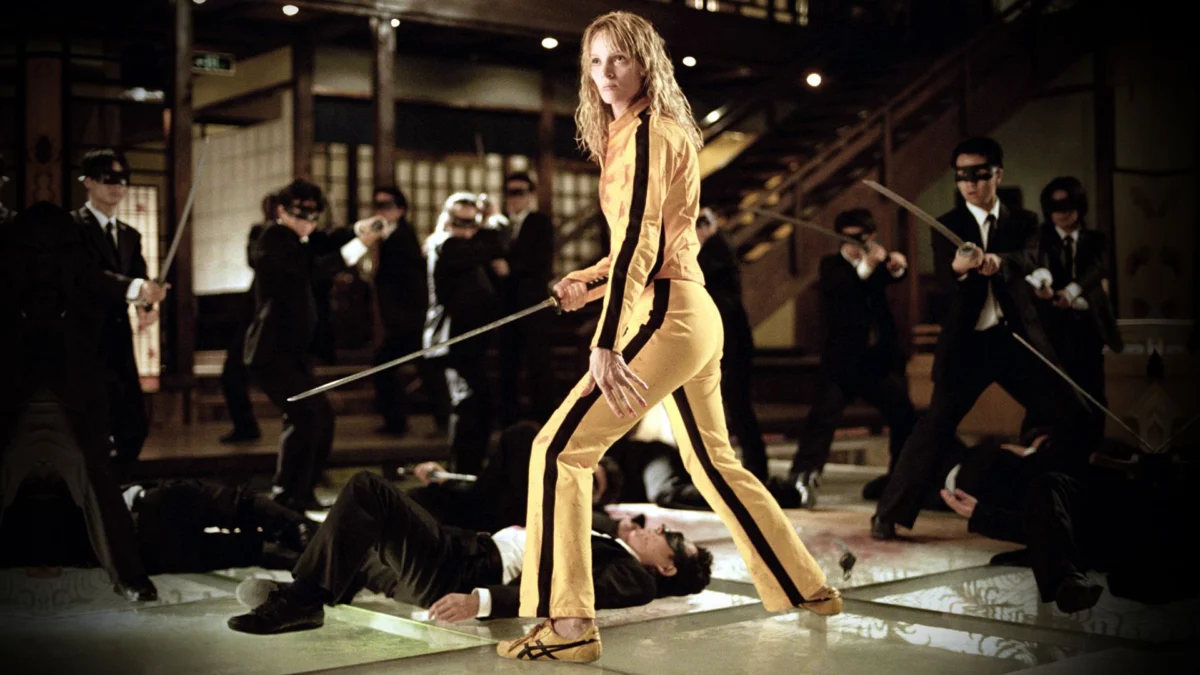
From the adrenaline-fueled chaos of modern blockbusters to the meticulously paced psychological warfare of classic dramas, the most iconic movie fight scenes are defined by more than just flying fists and shattered glass. They represent the pinnacle of cinematic craft, blending brutal physicality, world-class choreography, and high-stakes storytelling into a visceral experience that tests the limits of both the protagonist and the audience. A truly great fight scene is a narrative in miniature; it reveals character through desperation, tells a story through movement, and often utilizes the environment as a silent, lethal participant. Whether it is a one-on-one duel between bitter rivals or a lone warrior carving through a literal army, these sequences are the heartbeat of the action genre.
The evolution of fight choreography has moved from the theatrical, often stilted brawls of early Hollywood to the hyper-kinetic "gun-fu" and intricate martial arts displays influenced by Eastern cinema. Today, audiences demand a level of realism and technical sophistication that requires actors to undergo months of rigorous training, often performing their own stunts to maintain the illusion of continuity. Below, we analyze the ten greatest fight scenes in cinema history, exploring the technical mastery and emotional weight that earned them a place on this definitive list.
10. Tony Stark vs. Captain America and Bucky Barnes, Captain America: Civil War (2016)
While some critics argue that the superhero genre has become oversaturated, the emotional climax of Captain America: Civil War remains a masterclass in character-driven action. This is not a battle for the fate of the universe, but a deeply personal "handicap match" born from betrayal and grief. When Tony Stark (Robert Downey Jr.) discovers that Bucky Barnes (Sebastian Stan) killed his parents while brainwashed—and that Steve Rogers (Chris Evans) kept it from him—the resulting brawl is punishingly physical.
Directed by the Russo Brothers, the choreography avoids the "weightless" feel of many CGI-heavy Marvel battles. Instead, it feels like a desperate, three-way dance of exhaustion. The tag-team dynamics between Rogers and Barnes, passing the iconic vibranium shield back and forth to overwhelm Stark’s Iron Man suit, are executed with the precision of a professional wrestling match. The sequence is notable for how it deconstructs the MCU’s figureheads; seeing the "Golden Boy" Captain America and the "Futurist" Iron Man pummel each other into the dirt was a shocking turning point for the franchise, proving that the most effective fights are those where the audience doesn’t want either side to lose.
9. Harry Hart vs. an Entire Church, Kingsman: The Secret Service (2014)
Director Matthew Vaughn’s "Church Scene" became an instant legend for its sheer audacity and technical bravado. Set to the soaring guitar solo of Lynyrd Skynyrd’s "Free Bird," the scene depicts a refined British spy, Harry Hart (Colin Firth), losing all inhibition due to a mind-altering signal. What follows is a three-minute explosion of ultra-violence as Hart dispatches dozens of congregants in a frenzy of gunplay, stabbings, and improvised weaponry.
The brilliance of the scene lies in its editing and camera work. Though it was shot over several days, it is edited to look like a single, chaotic take, utilizing "stitch cuts" to maintain a relentless flow. Colin Firth, previously known for his roles in period dramas and romantic comedies, underwent six months of training to perform the majority of the stunts himself. The scene serves as a satirical take on action tropes—it is cartoonish, neon-drenched, and unapologetically violent, marking a high point for modern stylized choreography.
8. Arthur vs. Projections in the Rotating Hallway, Inception (2010)
Christopher Nolan is a director known for his devotion to practical effects, and the hallway fight in Inception is perhaps his greatest technical achievement. As a van tumbles down an embankment in one "dream level," the gravity in the level above—a hotel hallway—shifts and rotates. Joseph Gordon-Levitt’s character, Arthur, is forced to fight off two security "projections" while the entire set spins like a giant centrifuge.
To achieve this, the production team built a massive, 100-foot-long rotating hallway powered by electric motors. The actors and stuntmen had to learn to time their movements with the rotation of the set, effectively fighting on the walls and ceiling as gravity "moved." There are no wires or digital doubles here; the disorientation felt by the viewer is a direct result of the actors actually struggling with physics. This scene elevated the concept of a "set-piece" by making the environment itself the primary obstacle.
7. Colonel John Matrix vs. Captain Simon Bennett, Commando (1985)
In the 1980s, action cinema was defined by the "One-Man Army" archetype, and Arnold Schwarzenegger was its undisputed king. The final confrontation in Commando between Matrix and his former subordinate, Bennett (Vernon Wells), is the quintessential 80s brawl. It is sweaty, homoerotic, and gloriously over-the-top.
The fight takes place in a steam-filled boiler room, emphasizing the raw, industrial nature of the conflict. Unlike the polished martial arts of later decades, this is a "meat-and-potatoes" fight—heavy punches, knife slashes, and the use of iron pipes. It culminates in one of the most famous "punny" deaths in history: Matrix impales Bennett with a steam pipe and utters the immortal line, "Let off some steam, Bennett." It represents an era where the personality of the action star was just as important as the choreography.
6. Ethan Hunt and August Walker vs. Decoy John Lark, Mission: Impossible – Fallout (2018)
The Mission: Impossible franchise has become the gold standard for stunt-driven action, but the bathroom brawl in Fallout stands out for its claustrophobic intensity. Tom Cruise and Henry Cavill face off against a single opponent (stuntman Liang Yang) in a pristine, white-tiled bathroom that is systematically demolished during the fight.
The scene became a viral sensation primarily for the "arm reload" moment, where Henry Cavill appears to pump his biceps like shotguns before throwing a punch. Beyond the memes, the fight is masterfully paced. It highlights the vulnerability of the heroes; despite being two-on-one, they are nearly defeated by a superior martial artist. The sound design—the crack of porcelain and the dull thud of bodies hitting pipes—adds a layer of "ouch factor" that makes the sequence feel incredibly grounded.
5. John McClane vs. Karl, Die Hard (1988)
Die Hard revolutionized the action genre by introducing the "vulnerable hero." John McClane (Bruce Willis) is not an invincible cyborg; he is a tired, barefoot cop who is bleeding and terrified. His final fight with the henchman Karl (Alexander Godunov) is the culmination of a movie-long grudge. Karl is motivated by the death of his brother, making the violence feel personal and feral.
The fight is messy and desperate. There are no high-flown kicks; instead, there are headbutts, chokes, and a frantic struggle for survival. The use of the industrial chain as a weapon and the visceral sound of the impact heighten the stakes. When McClane finally gains the upper hand, it feels earned because we have watched him endure a gauntlet of pain for the preceding two hours.
4. Sugar Ray Robinson vs. Jake LaMotta, Raging Bull (1980)
Boxing movies are a subgenre unto themselves, but Martin Scorsese’s Raging Bull treats the sport as a religious and psychological purgatory. The final bout between Jake LaMotta (Robert De Niro) and Sugar Ray Robinson is less of a sports match and more of a cinematic nightmare.
Scorsese used varied camera speeds, distorted sound effects (including animal roars and jet engines), and expressionistic lighting to convey LaMotta’s internal collapse. De Niro’s transformation—having gained 60 pounds to play the older LaMotta—adds a tragic weight to the scene. As LaMotta stands against the ropes, refusing to go down while being pulverized, the film captures the "brutal beauty" of the sport. It is a fight scene that prioritizes theme and emotion over simple entertainment.
3. James Bond vs. Oddjob, Goldfinger (1964)
In the early days of the Bond franchise, Sean Connery’s 007 was the ultimate cinematic alpha male. However, in the depths of Fort Knox, he met his physical match in Oddjob (Harold Sakata). Sakata, a real-life Olympic weightlifter, brought a terrifying, stoic presence to the role.
The fight is iconic for its props—specifically Oddjob’s steel-rimmed bowler hat—and the ticking nuclear bomb in the background. It is a "David vs. Goliath" struggle where Bond is forced to use his wits because he cannot win through strength alone. The climax, involving a stray electrical cable and the gold bars of the vault, remains one of the most satisfying "villain deaths" in the series.
2. Rocky Balboa vs. Apollo Creed, Rocky (1976)
The final 15 rounds of Rocky are the blueprint for every sports drama that followed. What makes this fight special is that it isn’t about winning the championship; it’s about "going the distance." Sylvester Stallone and Carl Weathers choreographed the fight with the intent of showing two men pushing their bodies to the absolute breaking point.
The makeup work—the swollen eyes, the blood-slicked skin—was revolutionary for its time. The scene captures the ebb and flow of a real fight, with momentum swinging wildly between the underdog and the champion. When Rocky screams for Adrian at the end, he is unrecognizable, but he has achieved a spiritual victory that transcends the judges’ scorecards.
1. The Bride vs. The Crazy 88, Kill Bill Vol. 1 (2003)
Quentin Tarantino’s tribute to Shaw Brothers kung-fu cinema and Japanese chanbara films is the ultimate expression of stylized combat. The "Showdown at the House of Blue Leaves" sees The Bride (Uma Thurman) take on an entire army of sword-wielding Yakuza.
This sequence is a kaleidoscope of cinematic techniques: it moves from vibrant color to stark black-and-white, utilizes silhouettes against a blue screen, and features gravity-defying wirework. The choreography is a relentless stream of severed limbs and geysers of fake blood, yet it remains graceful and rhythmic. Thurman’s performance, clad in the iconic yellow jumpsuit, cemented The Bride as one of the greatest action protagonists of all time. It is a 10-minute masterclass in pacing, music, and visual flair, standing as the definitive movie fight scene in the history of the medium.
