
 By admin
In a remarkable and potentially game-changing development, key Anglophone separatist factions in Cameroon have announced a unilateral ceasefire and declared a period of "safe travel passage" specifically timed to coincide with the upcoming visit of Pope Leo XIV. This significant gesture, aimed at ensuring the safety and unimpeded movement of individuals participating in or observing the pontiff’s historic pilgrimage, underscores the profound spiritual and humanitarian significance attributed to the papal visit within the deeply embattled English-speaking regions of Cameroon. The ceasefire, which is set to commence on Wednesday and will last for three days, represents a tangible acknowledgment by the leaders of various armed secessionist groups of the profound importance of Pope Leo XIV’s pastoral mission and a clear commitment to safeguarding civilian lives amidst a protracted and devastating conflict.
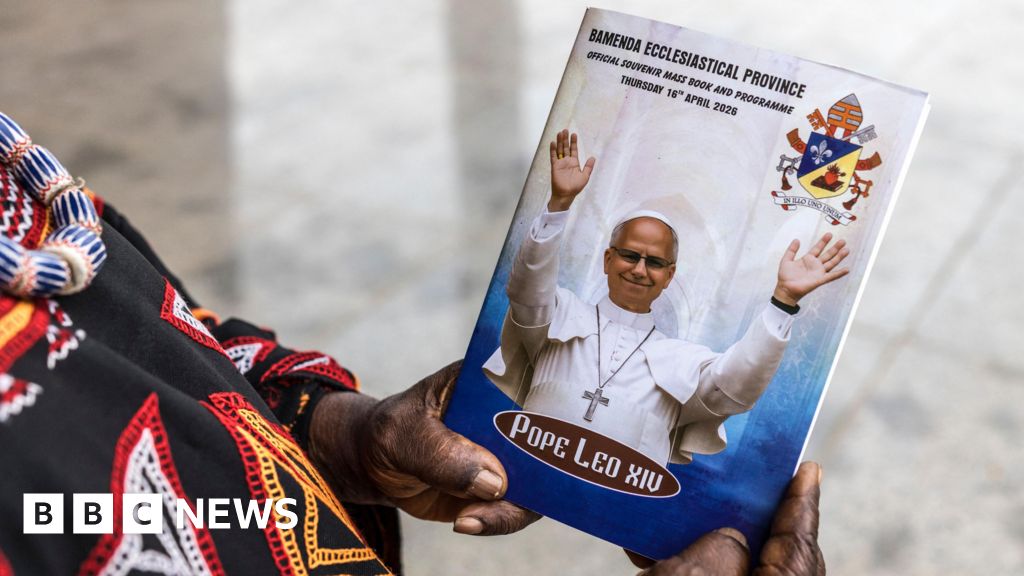
The announcement was made through a unified statement issued by the "Unity Alliance," an umbrella organization that consolidates several of the prominent armed groups operating in the North-West and South-West regions of Cameroon. In their declaration, the leaders of these factions explicitly stated their intention to facilitate the movement of all individuals wishing to celebrate or engage with the papal visit. This move is seen by many observers as a strategic attempt by the separatists to project an image of responsible leadership and to align themselves with the global call for peace that is central to Pope Leo XIV’s continental tour. As of the time of reporting, the Cameroonian government has yet to issue a formal response to this unprecedented declaration.
The protracted and often brutal conflict in Cameroon’s Anglophone regions, which erupted nearly a decade ago, has inflicted immense suffering upon the civilian population. Official estimates suggest that the violence has resulted in the deaths of at least 6,000 people, with countless others displaced from their homes, creating a severe humanitarian crisis. The ongoing instability has deeply impacted the socio-economic fabric of these regions, hindering development and perpetuating cycles of poverty and fear. The presence of armed groups, ranging from loosely organized militias to more structured fighting forces, has made governance and the delivery of essential services exceptionally challenging.
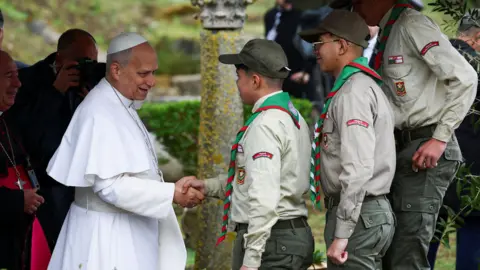
Pope Leo XIV is currently undertaking an extensive 11-day tour of the African continent, a journey that began in Algeria and will subsequently include stops in Cameroon, Angola, and Equatorial Guinea. Peace and reconciliation have emerged as the overarching themes of this significant papal itinerary, reflecting the Vatican’s growing focus on addressing protracted conflicts and fostering interfaith dialogue in Africa. The pontiff’s arrival in Algeria on Monday marked a historic moment, as it was the first papal visit to the predominantly Sunni Muslim nation. This visit also carries particular resonance given Algeria’s historical significance as the birthplace of St. Augustine, a towering figure in Christian theology whose teachings deeply influenced the Augustinian order, to which Pope Leo XIV belongs. During his time in Algeria, the Pope visited Annaba, the ancient city where St. Augustine once served as bishop, and participated in a solemn Mass at the Basilica of Saint Augustine, further emphasizing the spiritual connections and historical narratives woven into his continental pilgrimage.
The Pope’s itinerary in Cameroon is particularly significant, with a scheduled visit to Bamenda, the capital city of the North-West region. Bamenda is widely recognized as a focal point of the ongoing conflict between Anglophone separatists and state security forces. The deep-seated grievances that fuel this conflict stem from historical marginalization and perceived cultural and linguistic dominance by the French-speaking majority in Cameroon. Despite a national dialogue initiated by the government in 2019 with the aim of de-escalating the violence, the conflict has persisted, demonstrating the complex and deeply entrenched nature of the crisis. The Unity Alliance’s statement regarding the ceasefire explicitly articulated that their decision to pause hostilities "reflects a deliberate commitment to responsibility, restraint, and respect for human dignity, even in the context of ongoing conflict." This phrasing suggests a strategic move to leverage the Pope’s visit to highlight the human cost of the conflict and to appeal for international attention to their cause, while simultaneously demonstrating a capacity for constructive engagement.
Furthermore, the Unity Alliance emphasized its desire for the Pope’s visit to remain strictly "spiritual" and "pastoral" in nature, issuing a stern warning against any attempts to politicize the event. This cautionary note is likely directed at both the government and potentially other international actors, signaling the separatists’ intention to frame the visit within a humanitarian and religious context, rather than allowing it to be co-opted for political maneuvering. While the Cameroonian government, which is largely francophone-dominated, has maintained a silence on the separatists’ ceasefire announcement, official statements from authorities indicate that comprehensive security measures have been meticulously planned and implemented in all cities designated to host the pontiff. These preparations are designed to ensure the safety of the papal delegation and the public, and to create an environment conducive to the successful execution of the planned events.
The significance of Pope Leo XIV’s visit to Bamenda is widely interpreted as a potent symbolic effort by the Catholic Church to actively promote peace and reconciliation within a region torn apart by years of violence. The pontiff is expected to lead a special Mass for peace at the city’s Saint Joseph’s Cathedral, a location that has often been a site of both worship and tension. To facilitate public access and participation, officials have confirmed that all venues designated for the Pope’s engagements will be open to visitors free of charge. This initiative aims to ensure broad community engagement with the papal message of peace and hope.
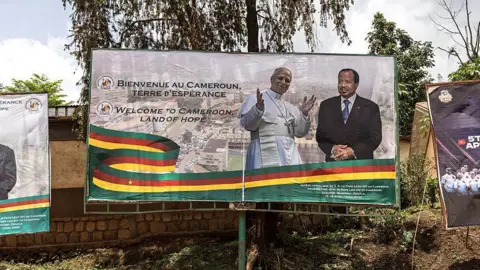
Pope Leo XIV’s extensive African tour, spanning 11 cities across four nations, underscores the growing influence and demographic importance of Catholicism on the continent. According to recent figures from 2024, Africa is home to over a fifth of the world’s Catholic population, representing approximately 288 million individuals. This makes Africa a vital and dynamic region for the global Catholic Church, and papal visits of this magnitude signal a strategic focus on nurturing and supporting these growing communities. The Pope’s journey is his second major foreign excursion since his election to the papacy last year, highlighting the Vatican’s commitment to engaging with diverse cultures and addressing pressing global issues through its pastoral outreach. The inclusion of Cameroon, a nation grappling with severe internal conflict, on this itinerary speaks volumes about the Church’s dedication to being a voice for the marginalized and a catalyst for peace in troubled regions. The broader implications of this papal visit extend beyond religious spheres, offering a glimmer of hope and a potential platform for dialogue in a conflict that has long defied conventional diplomatic solutions. The temporary cessation of hostilities by the Anglophone separatists, however brief, provides a crucial window of opportunity for reflection, dialogue, and perhaps, the laying of foundational steps towards a more enduring peace.
