
 By Rifan Muazin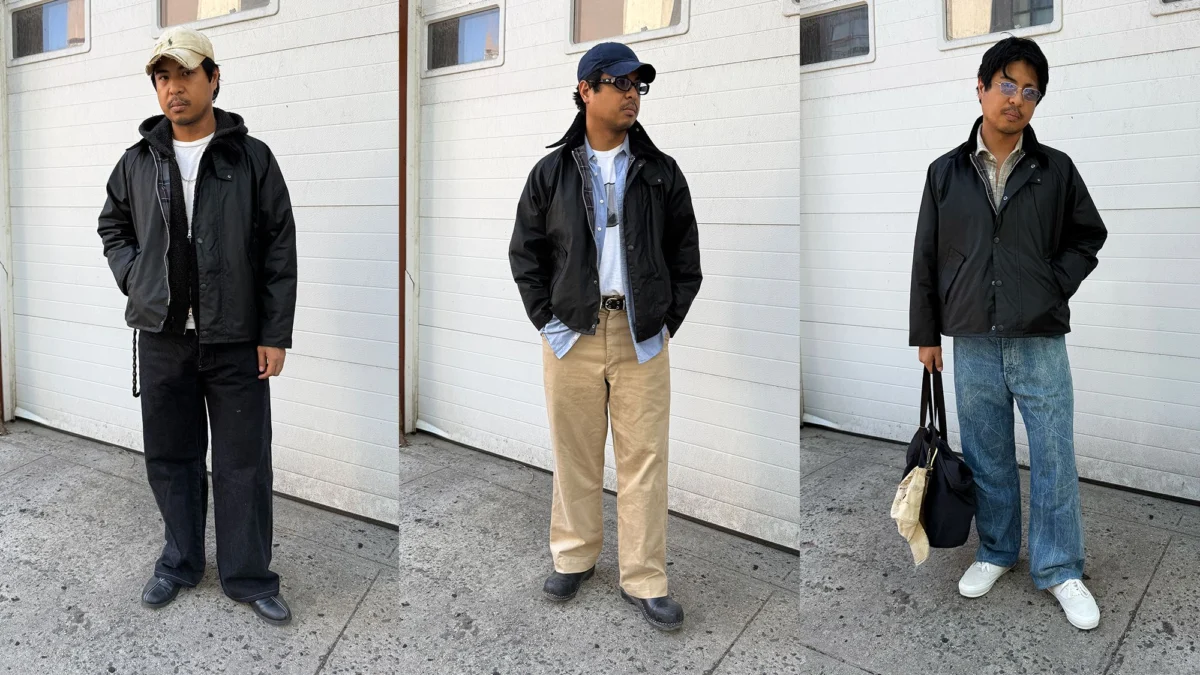
To understand why the Transport jacket is currently commanding the attention of menswear enthusiasts and fashion editors alike, one must first appreciate the weight of the Barbour legacy. Founded in 1894 by John Barbour in South Shields, England, the company initially provided oilskins to mariners, whalers, and shepherds. By the mid-20th century, Barbour had secured three Royal Warrants—from the Duke of Edinburgh, the Queen, and the Prince of Wales—cementing its status as "king shit" in the world of functional outerwear. The Bedale, originally designed for equestrian use in 1980, and the Beaufort, a shooting jacket released in 1983, became the twin pillars of the brand. These jackets were characterized by their mid-length cuts, functional bellows pockets, and the ability to age gracefully, developing a unique patina over years of re-waxing and hard use.
However, as menswear shifted toward more diverse silhouettes in the 21st century, the traditional Barbour fit—often long, boxy, and designed to be worn over heavy tweed blazers—started to feel slightly out of sync with modern proportions. While the brand successfully navigated the 2010s "heritage" boom through collaborations with the likes of Tokihito Yoshida and later, high-fashion labels like Supreme, Noah, and GANNI, the core collection remained dominated by the same heavy hitters. The search for a "third icon" was ongoing. Brands often struggle to innovate when their identity is so closely tied to specific archival pieces, but Barbour’s solution wasn’t to invent something entirely new; it was to look back at a short-lived experiment from 1999.

The Transport jacket was first introduced at the tail end of the 20th century as a response to a growing demand for a more streamlined, urban-friendly alternative to the sprawling Beaufort. It featured a shorter, A-line silhouette that sat just below the waist, eschewing the traditional length of a field coat for something that felt more like a refined windbreaker. Despite its practical design and forward-thinking fit, the Transport was discontinued not long after its debut. In the years that followed, it vanished from retail shelves but lived on in the fervent corners of menswear forums and secondhand marketplaces. To the "rabid" Barbour collector, an original 1999 Transport became a grail item, prized for its unique proportions that anticipated the current obsession with cropped, wide-fitting outerwear.
The reissued Transport jacket maintains the DNA that made the original a cult classic while benefiting from modern manufacturing refinements. It is constructed from Barbour’s signature 6-ounce waxed cotton—the same weight used for the Bedale. This specific weight is often considered the "Goldilocks" of the Barbour catalog: heavy enough to provide a substantial barrier against the elements and develop a beautiful aged character, but light enough to remain flexible and comfortable for daily wear. Interestingly, the wax on the new Transport feels slightly less "oily" than the traditional Thornproof finish found on older models, making it more approachable for the city dweller who doesn’t want to leave a residue on their car seats or subway benches.
Inside, the jacket features the iconic Barbour tartan lining, a detail that dates back to the brand’s origins and serves as a nod to the Barbour family’s Scottish roots. While the lining is listed as 100% cotton, it possesses a surprisingly silky, almost technical hand-feel, reminiscent of the high-density nylon used in premium windbreakers. This hybrid sensation of traditional materials and modern textures is part of what makes the Transport feel so contemporary. The functional details are equally well-considered. The jacket includes the classic corduroy collar, which can be flipped up and secured with a throat latch for maximum wind protection—a feature that remains as practical today for a Brooklyn bike commuter as it was for a 19th-century sailor.

One of the most notable departures from the traditional Barbour design language is the Transport’s sleeve and waist construction. The jacket features elasticated inner cuffs hidden within the sleeves, providing a snug seal against the wind without the bulk of external ribbing. Additionally, an adjustable drawstring at the waist allows the wearer to cinch the garment, transforming the A-line drape into a more gathered, blouson-style fit. This versatility is key to the jacket’s appeal; it can be worn loose and flowing for a more avant-garde look, or tightened for a sportier, more utilitarian vibe.
Storage on the Transport is handled with a minimalist touch. The front features welt pockets that are angled perfectly for hand-warming, a subtle but vital inclusion for those chilly spring and autumn days. For security, a zip pocket is cleverly tucked behind the front placket, allowing the wearer to store a phone or wallet without disrupting the clean lines of the jacket’s exterior. This "pared-back" approach to utility is what separates the Transport from the more "gimmicky" designs often seen in modern outerwear. It offers exactly what you need and nothing more.
When it comes to the silhouette, the Transport is undeniably "sick," but it requires a bit of stylistic intentionality. The slightly cropped, oversized fit is a significant departure from the slim-fit trends of the early 2010s. It thrives when paired with wider-legged trousers—think mid-to-high rise fatigues, relaxed denim, or even pleated wool slacks. As a 5’9” pedestrian navigating the urban environment, the Transport provides a flattering frame that doesn’t swallow the wearer’s legs, a common issue with the longer Beaufort or Border models. However, prospective buyers should be wary of the sizing. Barbour’s sizing has always been famously idiosyncratic, and the Transport is no exception. While most retailers suggest ordering your usual size for an "intended" oversized fit, many find that dropping down one size provides a more balanced look without sacrificing the jacket’s signature roominess. If you typically wear a size 40 or a medium, a size 38 or small in the Transport may offer the perfect blend of volume and structure.

The Transport is often compared to the Spey, another cropped Barbour jacket that has recently enjoyed a surge in popularity thanks to TikTok and the broader "Gorpcore" movement. However, the two jackets serve very different purposes. The Spey was originally designed as a specialized fly-fishing jacket, which explains its extremely short length (meant for wading deep into rivers) and its functional D-ring on the chest. The Spey is a niche tool that has been adopted by fashion, whereas the Transport is a versatile daily driver. If the Spey is the equivalent of a heavy-duty work pant, the Transport is more like a perfectly broken-in pair of five-pocket jeans—equally at home in a variety of settings and much easier to style.
Ultimately, the success of the Barbour Transport jacket in 2024 is a matter of perfect timing. We are living in an era where the lines between heritage workwear, high fashion, and functional outdoor gear have completely blurred. Consumers are increasingly looking for pieces that offer a sense of history and quality but don’t feel like they belong in a costume drama. By reviving the Transport, Barbour has managed to bridge the gap between its storied past and the demands of the modern wardrobe. It is a jacket that respects the 130-year history of the brand while acknowledging that the way we live, move, and dress has fundamentally changed. Whether you are riding a bike through Brooklyn, walking a dog in the Cotswolds, or simply trying to survive a rainy morning commute, the Transport stands as a testament to the enduring power of thoughtful design. It took twenty years for this icon to return, but for those who value the intersection of style and substance, it was well worth the wait.
