
 By Isnaini Azizah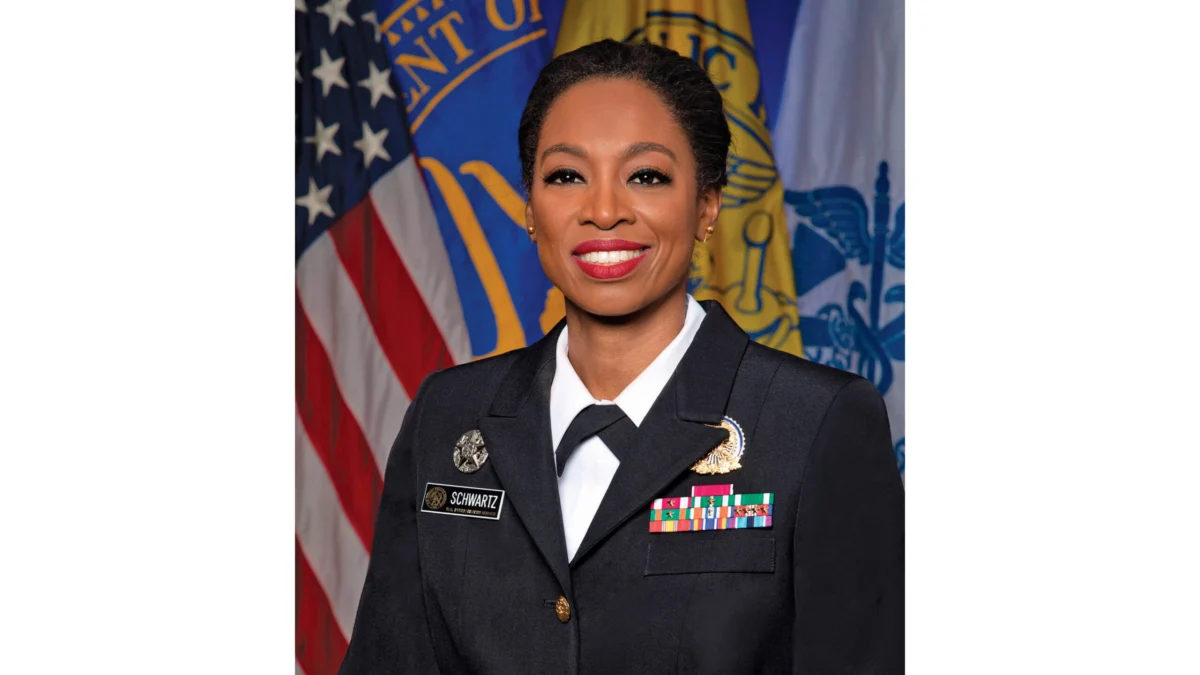
President Donald Trump on Thursday nominated Erica Schwartz, a veteran public health official and retired Rear Admiral, to serve as the permanent director of the Centers for Disease Control and Prevention (CDC). The move concludes a monthslong search to fill one of the most critical and currently embattled roles in the federal government. Schwartz, whose appointment requires Senate confirmation, is slated to take the helm of an agency currently undergoing a profound ideological and structural transformation under the direction of Health and Human Services (HHS) Secretary Robert F. Kennedy Jr.
Schwartz’s nomination arrives at a precarious moment for the nation’s premier public health institution. The CDC has been without a Senate-confirmed leader since last summer, following the abrupt dismissal of Dr. Susan Monarez. Since then, the agency has been managed by a rotating cast of acting officials, most recently Dr. Jay Bhattacharya, whose legal eligibility to lead the agency expired last month under the federal Vacancies Reform Act. As Schwartz prepares for what is expected to be a contentious confirmation hearing, she faces the dual challenge of restoring internal morale and navigating a policy landscape defined by Secretary Kennedy’s "Make America Healthy Again" agenda, which includes a radical rethinking of vaccine protocols and nutritional standards.
Erica Schwartz is no stranger to the inner workings of the federal health bureaucracy. A career officer who spent more than two decades in uniform, she previously served as the Deputy Surgeon General during the first Trump administration. In that capacity, she was a central figure in the federal government’s initial response to the Covid-19 pandemic, working to coordinate logistics and medical guidance during a period of unprecedented national crisis. Her background is deeply rooted in operational medicine; she served as the Rear Admiral and Chief Medical Officer of the United States Coast Guard, where she oversaw the health and safety of thousands of service members. Supporters of the nomination point to her extensive experience in "boots-on-the-ground" public health and her reputation as a disciplined administrator who understands the complexities of the federal health apparatus.
However, the political environment Schwartz enters is vastly different from her previous tenure. The CDC is currently reeling from a series of internal and external shocks. Last month, Dr. Jay Bhattacharya was forced to step down as acting director due to the 210-day limit imposed by the Federal Vacancies Reform Act of 1998. This law restricts how long an acting official can occupy a position that requires Senate confirmation. The vacancy clock began ticking last summer when Dr. Susan Monarez was fired after serving less than a month in the role. In explosive congressional testimony delivered in September, Monarez alleged that her termination was a direct result of her refusal to comply with demands from Secretary Kennedy to bypass traditional scientific review processes. Specifically, Monarez claimed she was pressured to authorize changes to childhood vaccine schedules that she believed lacked sufficient clinical evidence.
The centerpiece of the current administration’s health policy is an aggressive overhaul of the U.S. immunization schedule. Secretary Kennedy has championed a plan to reduce the number of recommended childhood vaccinations from 17 to 11, a move that has sparked intense debate within the medical community. While Kennedy argues the changes are necessary to address what he calls an "epidemic of chronic disease," many public health experts warn that such a reduction could lead to the resurgence of eradicated illnesses. Last month, this policy push hit a significant legal hurdle when a federal judge blocked the efforts of a critical vaccine advisory panel to implement these changes, citing procedural irregularities and a lack of transparency.
It remains unclear how Schwartz views these specific policy shifts. Throughout her career, she has generally been viewed as a traditionalist focused on operational readiness and crisis management. Whether she will act as a stabilizing force for the agency’s scientific integrity or as an implementer of Kennedy’s more radical proposals is the primary question facing lawmakers on both sides of the aisle. Her confirmation process will likely serve as a proxy battle over the future of American public health policy.
In addition to the top spot at the CDC, President Trump announced two other key leadership appointments on Thursday, signaling a desire to balance business-minded operations with traditional public health experience. Sean Slovenski has been tapped to serve as Deputy CDC Director and Chief Operating Officer. Slovenski, a veteran healthcare executive with experience at major corporations like Walmart and Humana, is expected to focus on the agency’s massive logistical and budgetary framework.
Contrasting Slovenski’s corporate background is the appointment of Jennifer Shuford as Deputy CDC Director and Chief Medical Officer. Shuford joins the federal level from the Texas Department of State Health Services, where she served as commissioner. Notably, Shuford led Texas through a significant measles outbreak last year. In her post-outbreak analysis, she emphasized the vital role of high vaccination rates and robust diagnostic testing in containing the spread of the virus—a stance that aligns with conventional public health wisdom but may create friction with the administration’s current skepticism toward universal vaccination.
The leadership vacuum at the CDC has contributed to a broader crisis of confidence. A February poll conducted by KFF (formerly the Kaiser Family Foundation) revealed that trust in federal health agencies has plummeted to historic lows. The decline in trust is not confined to a single political party; the data shows a broad-based erosion of faith in the CDC’s ability to provide non-partisan, science-based guidance. This skepticism is compounded by the high rate of staff turnover and a "brain drain" of career scientists who have opted for early retirement or positions in the private sector rather than navigating the current political climate.
The internal environment at the CDC’s Atlanta headquarters is reportedly one of anxiety and grief. Beyond the policy disputes, the agency is still recovering from a traumatic security breach that occurred on August 8, 2025. A gunman attacked the Roybal campus, an event that left staff members shaken and forced a complete reevaluation of the agency’s physical security protocols. For many employees, the shooting was a tipping point, coming on the heels of the firing of Dr. Monarez and the installation of leadership that many perceived as hostile to the agency’s core mission.
As Schwartz prepares to take the lead, she must address an agency that is not only politically divided but physically and emotionally vulnerable. Her primary task will be to bridge the gap between the White House’s ideological mandates and the rigorous scientific standards that have historically defined the CDC. Observers note that her military background may be her greatest asset in this regard, providing her with the "command-and-control" experience necessary to manage a workforce of over 10,000 employees while answering to a highly interventionist HHS Secretary.
The stakes for Schwartz’s leadership could not be higher. Beyond vaccine policy, the CDC is currently monitoring several emerging public health threats, including the spread of avian influenza in cattle and the ongoing challenges of the opioid epidemic. The agency’s ability to coordinate with state and local health departments—a relationship that was strained during the Covid-19 pandemic—will be essential to the nation’s biosecurity.
Critics of the administration remain wary. Public health advocates argue that the appointment of a career official like Schwartz may be an attempt to provide a "veneer of normalcy" to an administration intent on dismantling the public health infrastructure. Conversely, proponents of the "MAHA" movement see her appointment as a necessary step in cleaning house and installing a leader who will prioritize transparency and parental rights over what they describe as "regulatory capture" by the pharmaceutical industry.
The Senate confirmation hearings for Rear Admiral Schwartz are expected to begin within the next few weeks. They will likely be among the most watched hearings of the second Trump term, providing a window into the future of the CDC and the broader direction of American medicine. For a nation still recovering from the social and economic scars of a global pandemic, the leadership of the CDC remains a matter of profound national importance. Schwartz’s ability to navigate the complex intersection of science, politics, and law will determine whether the CDC can regain its status as the world’s gold standard for disease prevention or if it will continue to be a flashpoint in the country’s ongoing culture wars.
