
 By admin
American Express Membership Rewards points represent one of the most flexible and potent currencies in the travel loyalty landscape, serving as a cornerstone for savvy travelers looking to extract maximum value from their credit card spending. Unlike "fixed-value" points that are tied to a specific dollar amount when redeemed for travel, Membership Rewards are a transferable currency. This means they can be moved from your American Express account into the frequent flyer programs of various airlines or the loyalty accounts of major hotel chains. This flexibility is the primary reason why financial experts and travel journalists often value these points far above their face value. While a casual user might redeem points for a gift card or a statement credit and receive a mere 0.5 to 1 cent per point, strategic redemptions through transfer partners can yield a value of 2 cents per point or higher, according to April 2026 valuations.

The intrinsic value of the Membership Rewards program lies in its massive network of partners, which currently includes 17 airline programs and three hotel loyalty programs. By maintaining a balance of Membership Rewards, a cardholder is effectively holding a "universal" currency that can be converted into the points of various global alliances, including Star Alliance, Oneworld, and SkyTeam. This protects the consumer against the devaluation of any single airline’s miles and provides a hedge against limited award availability. If one airline does not have a seat available for a desired flight, the traveler can simply look at another partner within the Amex ecosystem and transfer points there instead.
To understand the sheer scale of the American Express Membership Rewards ecosystem, one must look at the specific roster of partners. The airline partners cover a vast geographical range: Aer Lingus AerClub, Aeromexico Rewards, Air Canada partner Aeroplan, Air France-KLM Flying Blue, ANA Milestone, Avianca LifeMiles, British Airways Executive Club, Cathay Pacific Asia Miles, Delta SkyMiles, Emirates Skywards, Etihad Guest, Hawaiian Airlines HawaiianMiles, Iberia Plus, JetBlue TrueBlue, Qantas Frequent Flyer, Qatar Airways Privilege Club, and Singapore Airlines KrisFlyer. On the hospitality side, the program includes Hilton Honors, Marriott Bonvoy, and Choice Privileges. This diversity allows cardholders to book everything from a short-haul "puddle jumper" flight in Europe using British Airways Avios to a world-class first-class suite on Singapore Airlines or Emirates.

The process of transferring points is relatively straightforward but requires careful planning. To initiate a transfer, a cardholder must have an active and valid American Express account. Points are generally transferred in increments of 1,000, and most transfers occur at a 1:1 ratio. However, there are notable exceptions. For example, transfers to Hilton Honors typically occur at a 1:2 ratio, meaning 1,000 Amex points become 2,000 Hilton points. Conversely, some partners may have slightly less favorable ratios, or conversely, American Express may offer limited-time transfer bonuses—ranging from 15% to 40%—which can significantly lower the number of points required for a specific trip.
It is crucial for cardholders to understand the limitations and costs associated with these transfers. One specific nuance of the American Express program is the federal excise tax offset fee. When transferring points to U.S.-based airlines—such as Delta Air Lines, JetBlue, or Hawaiian Airlines—American Express charges a fee of $0.0006 per point, capped at $99 per transfer. While this fee is small, it is a factor that does not exist with competitors like Chase Ultimate Rewards or Capital One Miles. Furthermore, once points are transferred from American Express to a partner program, the move is irreversible. You cannot move miles from Delta back into your Amex account. Therefore, the "golden rule" of transferable points is to never transfer speculatively; only move the points once you have confirmed that the award space you want is available and ready to be booked.

The question of whether it is "worth it" to transfer points usually comes down to the math of the specific redemption. If you are looking at a domestic economy flight that costs $200 or 20,000 miles, you are getting 1 cent per point in value. In this scenario, you might be better off using the "Pay with Points" feature or simply saving your rewards. However, the true "sweet spots" of the program appear in premium cabin international travel. For instance, a business-class flight to Europe might cost $4,000 in cash but only 60,000 to 88,000 points through a partner like Air France-KLM Flying Blue or ANA. In such cases, the value of each point can skyrocket to 4 or 5 cents each, effectively quadrupling the value of your initial spend.
To fuel these high-value redemptions, American Express offers a suite of credit cards designed for different spending habits and lifestyles. The flagship product is the American Express Platinum Card. Currently, new applicants may be eligible for a massive welcome offer of up to 175,000 Membership Rewards points after spending $12,000 on purchases within the first six months. While the card carries a premium annual fee of $895, it is packed with value for the frequent flyer, offering 5x points on up to $500,000 per calendar year on flights booked directly with airlines or via American Express Travel, and 5x points on prepaid hotels booked through the portal. The card also provides access to the prestigious Centurion Lounge network, Delta Sky Clubs (when flying Delta), and a host of annual credits for digital entertainment, hotel stays, and Uber.

For those whose spending is focused more on daily essentials, the American Express Gold Card is often considered the "workhorse" of the Membership Rewards ecosystem. It offers a welcome bonus of up to 100,000 points after a $6,000 spend in the first six months. With an annual fee of $325, it justifies its cost by offering 4x points at restaurants worldwide (up to $50,000 in purchases per year) and 4x points at U.S. supermarkets (up to $25,000 in purchases per year). It also earns 3x points on flights booked directly with airlines or on amextravel.com. For a household that spends significantly on dining and groceries, the Gold Card can generate enough points for an international vacation every single year.
Business owners have equally powerful options. The Business Platinum Card from American Express currently offers a staggering welcome bonus of up to 300,000 points after spending $20,000 in the first three months. This card, also with an $895 annual fee, mirrors many of the travel benefits of the personal Platinum card but adds business-centric perks, such as a 35% points back bonus when using "Pay with Points" for a selected airline or any first or business-class flight (up to 1 million points back per calendar year). Similarly, the American Express Business Gold Card offers a 200,000-point bonus for a $15,000 spend and features a unique earning structure where it automatically awards 4x points on the two categories where your business spends the most each month (up to $150,000 in combined purchases per year), including options like U.S. advertising, U.S. shipping, and gas stations.
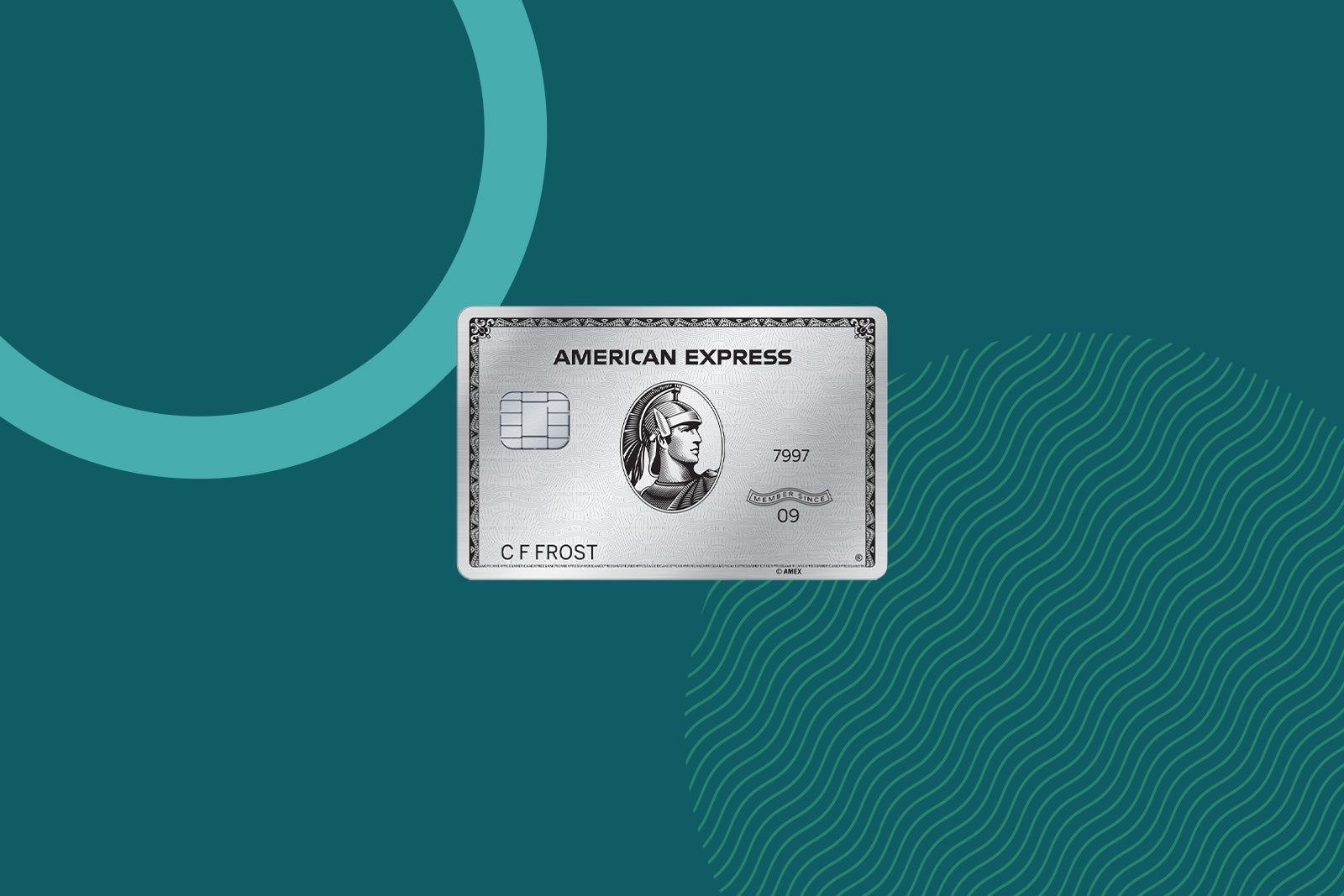
For those just starting their journey or looking for a lower entry point, the American Express Green Card remains a viable contender. With a $150 annual fee and a 40,000-point welcome offer after a $3,000 spend, it provides a solid 3x earning rate on travel, transit, and at restaurants worldwide. This makes it an excellent "catch-all" card for commuters and urban dwellers who spend heavily on ride-shares, subways, and dining out but don’t want the high overhead of the Platinum or Gold tiers.
Strategic use of these cards often involves a "trifecta" or "duo" approach. By pairing the Amex Gold (for food) with the Amex Platinum (for travel and luxury perks), a consumer can ensure they are earning the maximum number of points on almost every dollar spent. When these points are pooled together into a single Membership Rewards account, the path to a dream redemption becomes much shorter.

Ultimately, the strength of American Express Membership Rewards is the empowerment of the consumer. In a world where airline loyalty programs are increasingly moving toward revenue-based models—making it harder to earn miles through actual flying—the ability to earn points through everyday credit card spend and then "shop" those points around to 20 different partners is an invaluable tool. Whether you are looking to book a quiet family retreat in the Spanish countryside using Choice Privileges points or a record-breaking first-class journey to Tokyo on ANA, the Membership Rewards program provides the bridge to get there. The flexibility to wait for the right moment, the right transfer bonus, and the right award seat is why these points remain at the top of the hierarchy in the world of travel rewards. As long as you avoid the "low-value" traps of gift cards and statement credits, your Amex points can serve as a passport to luxury experiences that would otherwise cost thousands of dollars. For the modern traveler, mastering the art of the transfer partner is not just a hobby—it is a financial strategy that turns ordinary expenses into extraordinary memories.
