
 By admin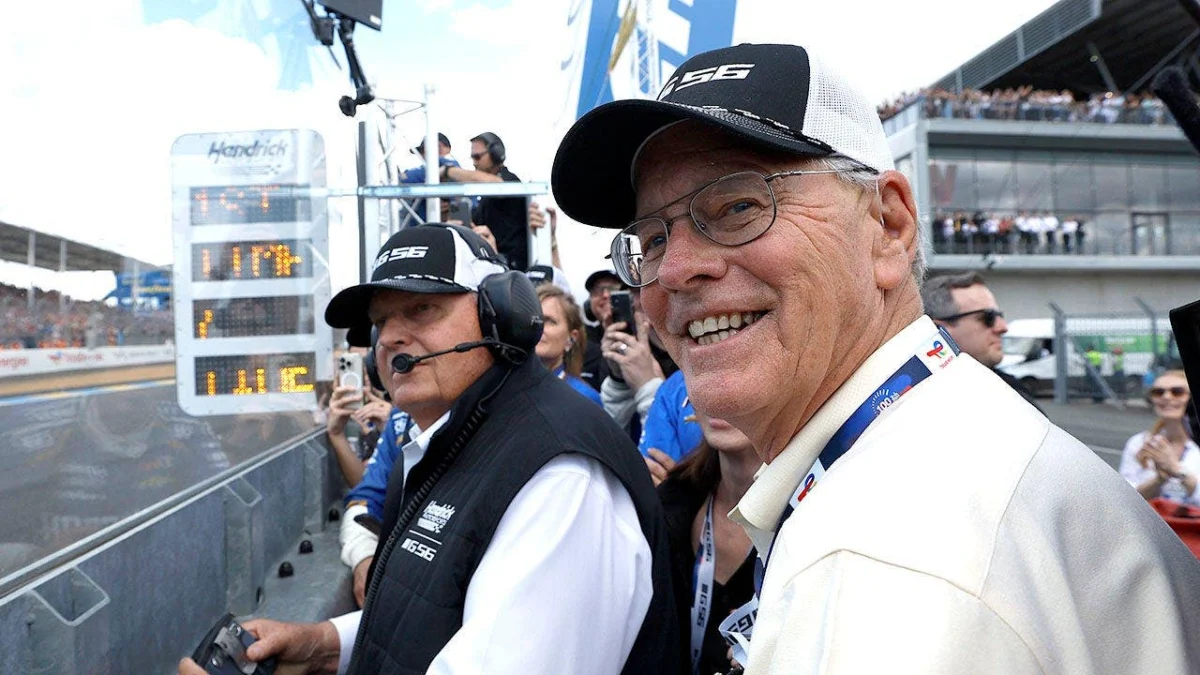
A significant shift is underway at the helm of NASCAR, marking the conclusion of a decades-long era dominated by the founding France family. The Athletic has reported that Jim France, who has served as NASCAR’s CEO, is stepping down from the chief executive role. This transition is particularly noteworthy as his successor, NASCAR President Steve O’Donnell, will be the first individual outside the France family to lead the iconic motorsports organization. While Jim France will retain his position as NASCAR’s chairman, the move signifies a pivotal moment in the sport’s governance, signaling a new chapter in its storied history.
The France family’s legacy is deeply intertwined with the very fabric of NASCAR. Bill France Sr. founded the National Association for Stock Car Auto Racing in 1948, laying the groundwork for what would evolve into America’s premier motorsport. Under the family’s stewardship, NASCAR has experienced remarkable growth, transforming from its grassroots origins into a multi-billion dollar enterprise with a massive national and international following. Jim France himself took on the dual roles of chairman and CEO in August 2018, succeeding his nephew, Brian France, who stepped down amid various controversies. His tenure, though impactful, is now yielding to a new leadership paradigm.
This leadership transition is not an isolated event within NASCAR’s recent history. The organization has navigated several high-profile changes and challenges in the past year. Notably, Steve Phelps, who had served as NASCAR’s commissioner, announced his departure in January. His exit followed an antitrust lawsuit filed by two racing teams, including one co-owned by basketball legend Michael Jordan. This legal action brought to light contentious text messages exchanged by Phelps during sensitive revenue-sharing negotiations. While Jordan’s 23XI Racing and NASCAR ultimately settled their lawsuit in December, the situation cast a spotlight on the internal dynamics and financial complexities within the sport. Phelps’s role as commissioner had been a relatively new one, established in the previous season, and it was revealed during court testimony that he had been courted for a similar position by the PGA Tour.
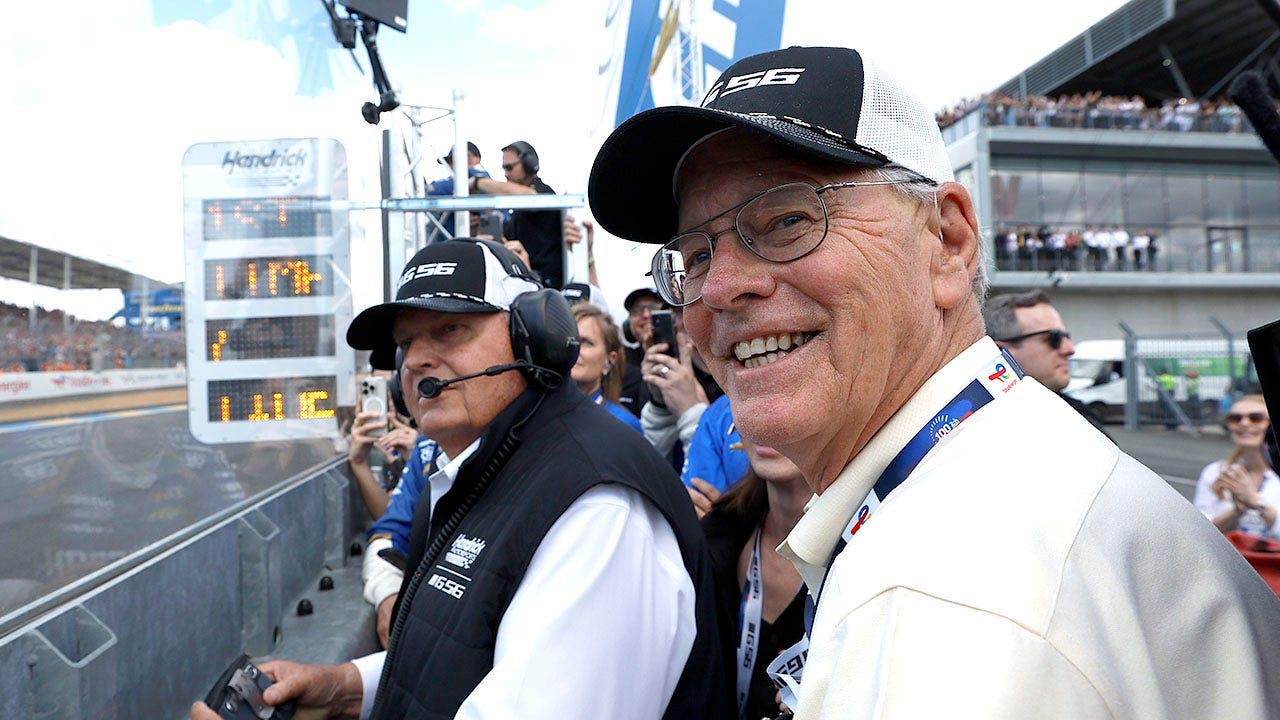
Despite these recent upheavals, Jim France is reportedly adamant that his decision to relinquish the CEO title is not linked to the aforementioned lawsuits. Instead, he has indicated that this transition has been a long-considered plan. His substantial 54% ownership stake in NASCAR will remain unchanged, with the remaining 46% held by the mother of Ben Kennedy.
Adding to the significant leadership restructuring, Ben Kennedy, Jim France’s great-nephew, is also slated for a promotion. He will ascend from his current role as executive vice president and chief venue and racing innovations officer to the newly created position of NASCAR’s chief operating officer. This move further underscores the France family’s continued involvement and commitment to the organization, albeit in evolving capacities.
The official announcement of these changes is anticipated to take place on Saturday at Talladega Superspeedway, a venue steeped in NASCAR tradition and excitement. The timing of the announcement is particularly fitting, as the track will host the Jack Link’s 500 on Sunday, drawing the attention of the sport’s dedicated fanbase and media. This strategic timing allows for the news to be delivered within the heart of the NASCAR community, potentially generating immediate engagement and discussion.
The evolution of NASCAR’s leadership reflects the broader trends and challenges facing professional sports in the 21st century. The increasing complexity of media rights, sponsor engagement, technological advancements in racing, and the evolving expectations of fans all necessitate adaptive and forward-thinking governance. The appointment of an external CEO like Steve O’Donnell, who has extensive experience within NASCAR’s operational framework, suggests a strategic move towards leveraging diverse expertise and potentially embracing new approaches to business development and fan engagement. O’Donnell’s deep understanding of the sport, coupled with his operational leadership as president, positions him to guide NASCAR through its next phase of growth and innovation.
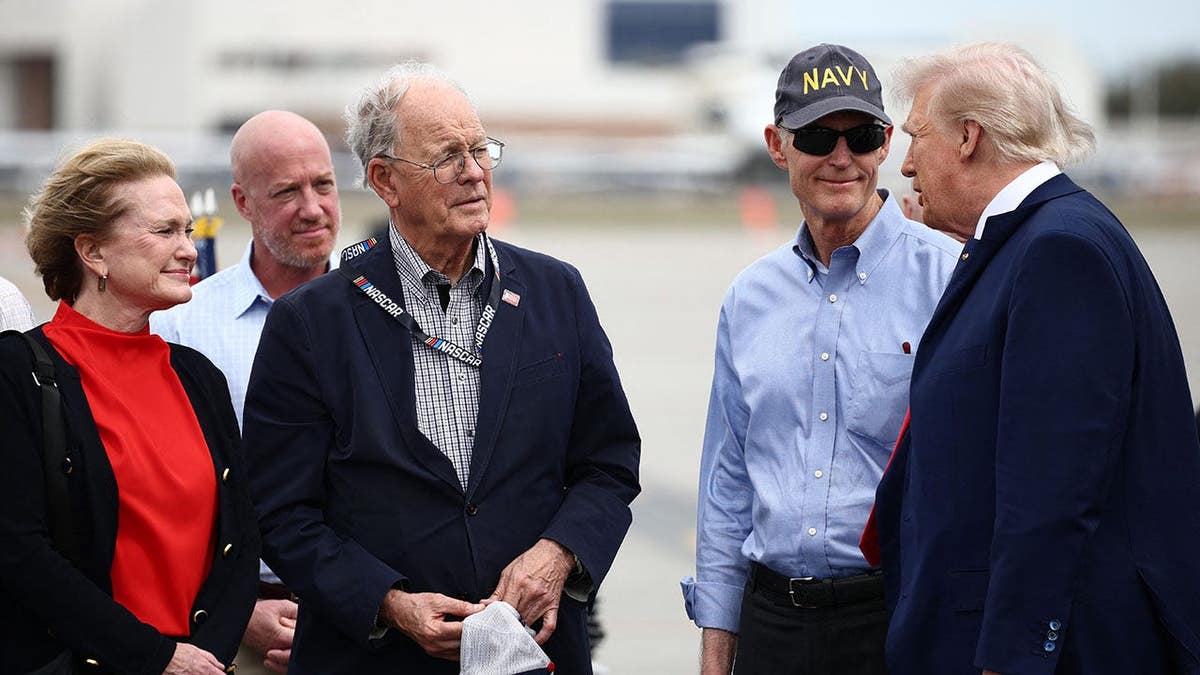
The legacy of the France family in NASCAR is undeniable. Bill France Sr.’s vision established a sport that captured the imagination of millions, and subsequent generations have worked to preserve and expand that vision. Jim France’s tenure as CEO saw NASCAR navigate the complexities of a rapidly changing sports landscape. He oversaw significant investments in track infrastructure, the introduction of new car designs aimed at improving competition and safety, and the ongoing efforts to broaden NASCAR’s appeal beyond its traditional demographic. His continued role as chairman ensures that the family’s guiding principles and long-term strategic direction will remain influential.
The promotion of Ben Kennedy to COO is also a significant development. As chief venue and racing innovations officer, Kennedy has been instrumental in spearheading initiatives aimed at enhancing the fan experience at race tracks and exploring new technological frontiers in racing. His elevation to COO suggests a growing emphasis on operational efficiency and strategic implementation of new ideas. This generational handover, while shifting some executive responsibilities, maintains a strong thread of family involvement and institutional knowledge within the leadership team.
The context of these leadership changes is further illuminated by the ongoing discussions surrounding the financial structure of NASCAR, particularly the charter system and revenue-sharing models. The antitrust lawsuit, though settled, highlighted the underlying tensions between team owners and the sanctioning body regarding economic distribution. As NASCAR moves forward, the new leadership will undoubtedly face the challenge of addressing these financial dynamics to ensure the long-term health and sustainability of the sport for all stakeholders.
Moreover, the global appeal of motorsports is also a factor. While NASCAR remains firmly rooted in the United States, the increasing interconnectedness of the sports world and the growing popularity of racing disciplines like Formula 1 internationally present both opportunities and competitive pressures. The leadership’s ability to adapt to global trends, foster international partnerships, and potentially expand NASCAR’s reach beyond its current markets will be crucial for future success.
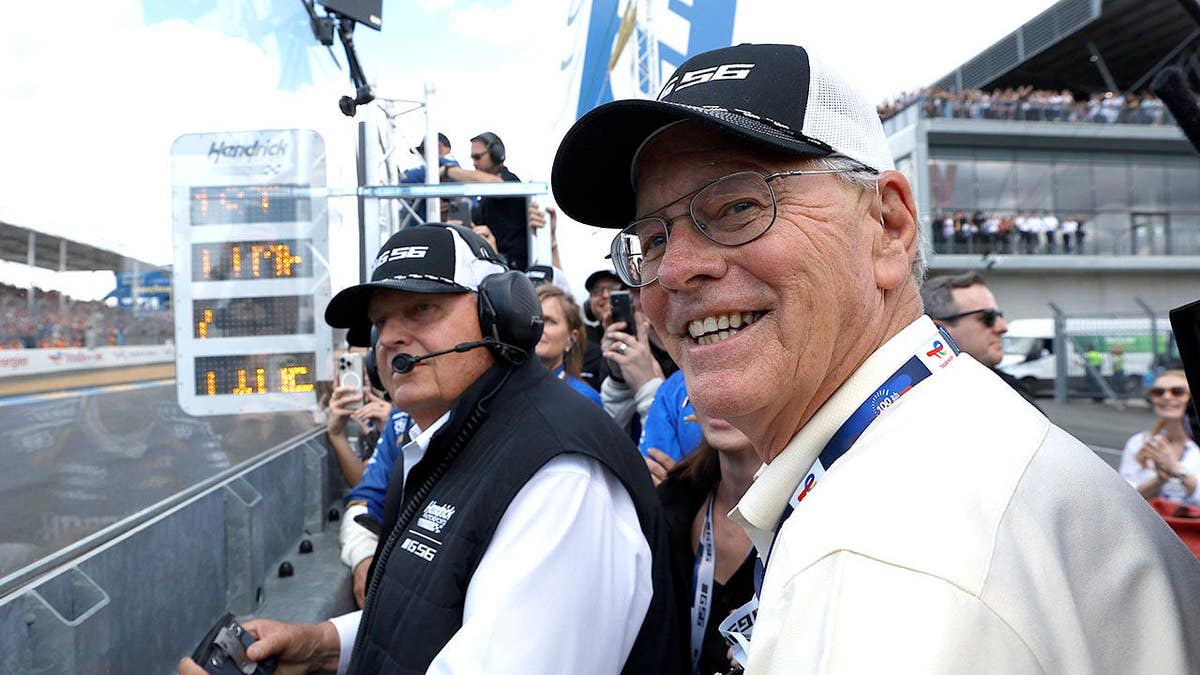
The transition from a family-led CEO to an appointed executive leader is a common trajectory for established sports organizations. It often signifies a maturation of the business, a move towards greater corporate governance, and a reliance on professional management to drive growth and navigate complex market forces. For NASCAR, this shift represents a significant step in its evolution, building upon its rich heritage while embracing the demands of the modern sports and entertainment landscape. The coming months will undoubtedly reveal more about the specific strategies and priorities that Steve O’Donnell and Ben Kennedy will implement as they steer NASCAR into its next chapter. The anticipation surrounding the official announcements at Talladega Superspeedway underscores the profound interest and expectations that surround this pivotal moment in NASCAR’s history.
